





6

Just how tough is this adventurer-spec, Arctic Trucks-fettled pick-up?

Find Isuzu D-Max Arctic Trucks AT35 deals
Other Services
Sell your car
84% get more money with

Europe’s market for ‘one-tonne’ pick-up trucks remains small in global terms – but it’s evidently large enough to invite its various players to experiment in fairly novel ways to boost their profit margins. 

In a similar fashion to the niche’s forays into electrification, a few of these experiments have resulted in flatbed light commercial vehicles of lesser utility – specifically, without the one-tonne payload that allows them to be registered, taxed and used viably as working vehicles. But this week the road test focus turns to one about which that can’t be said.

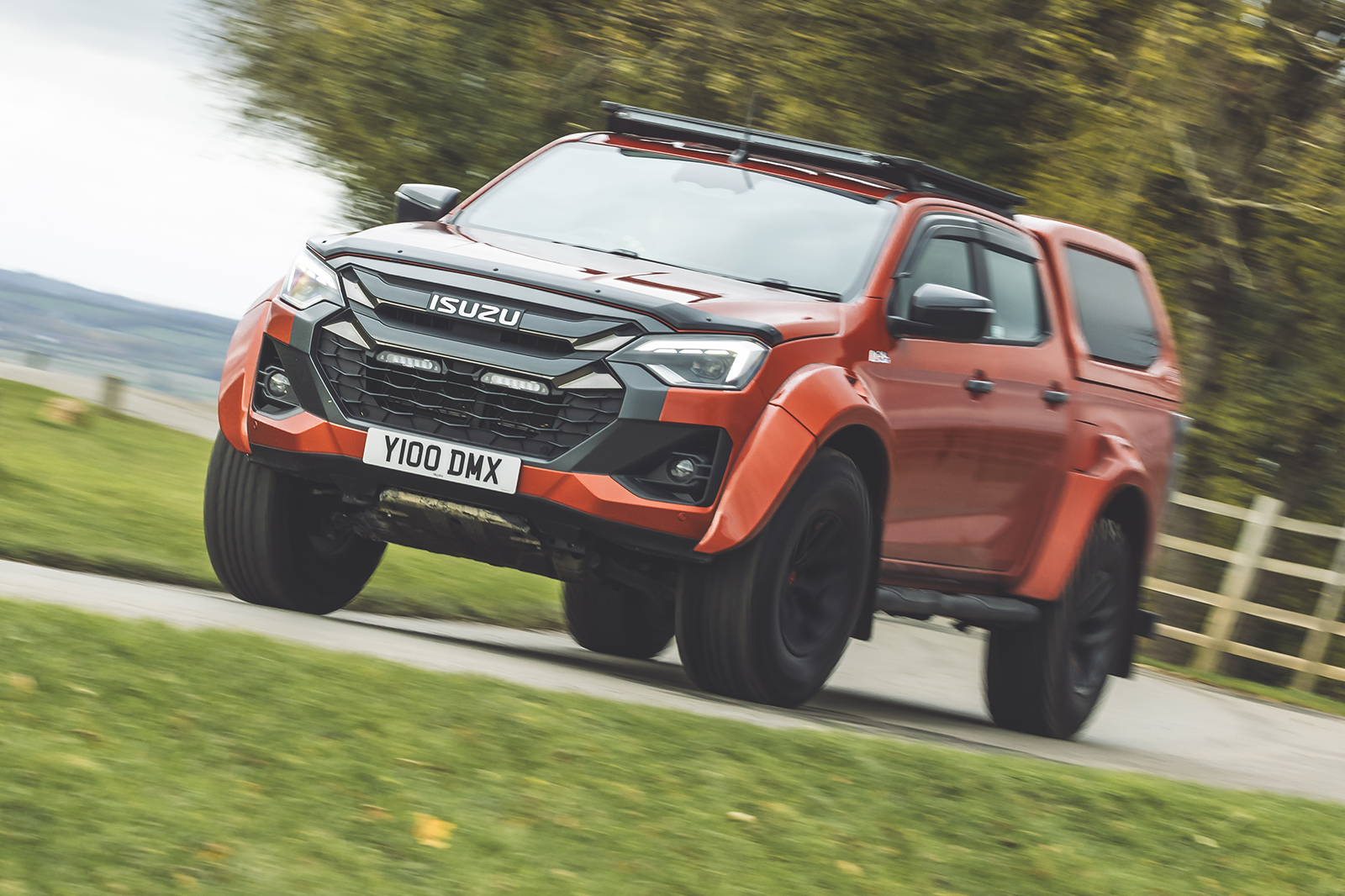
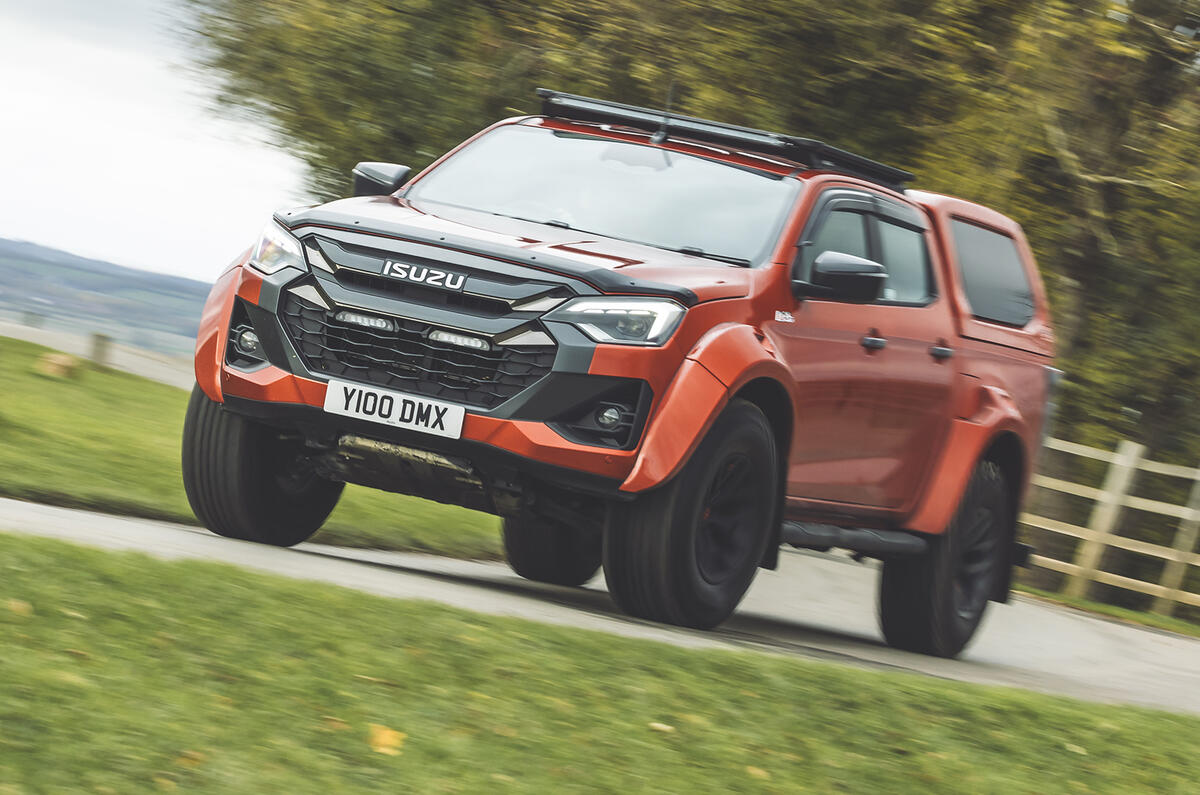
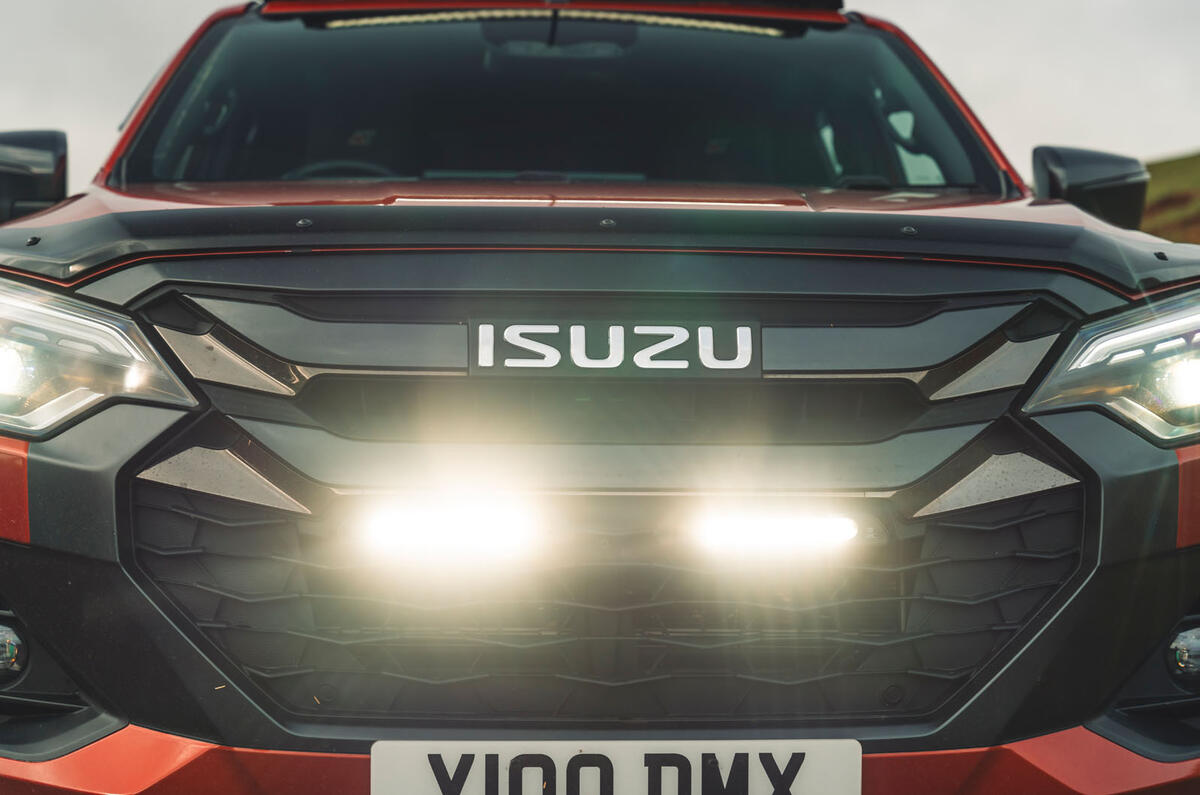
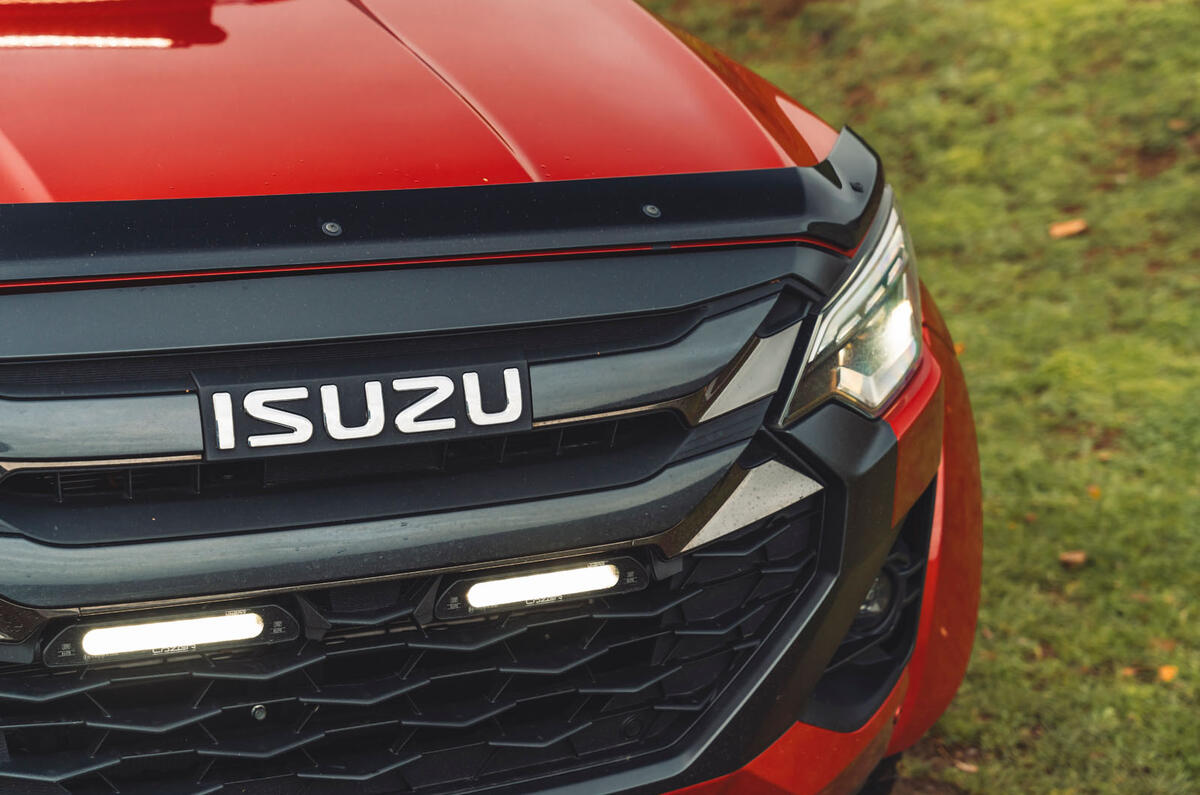
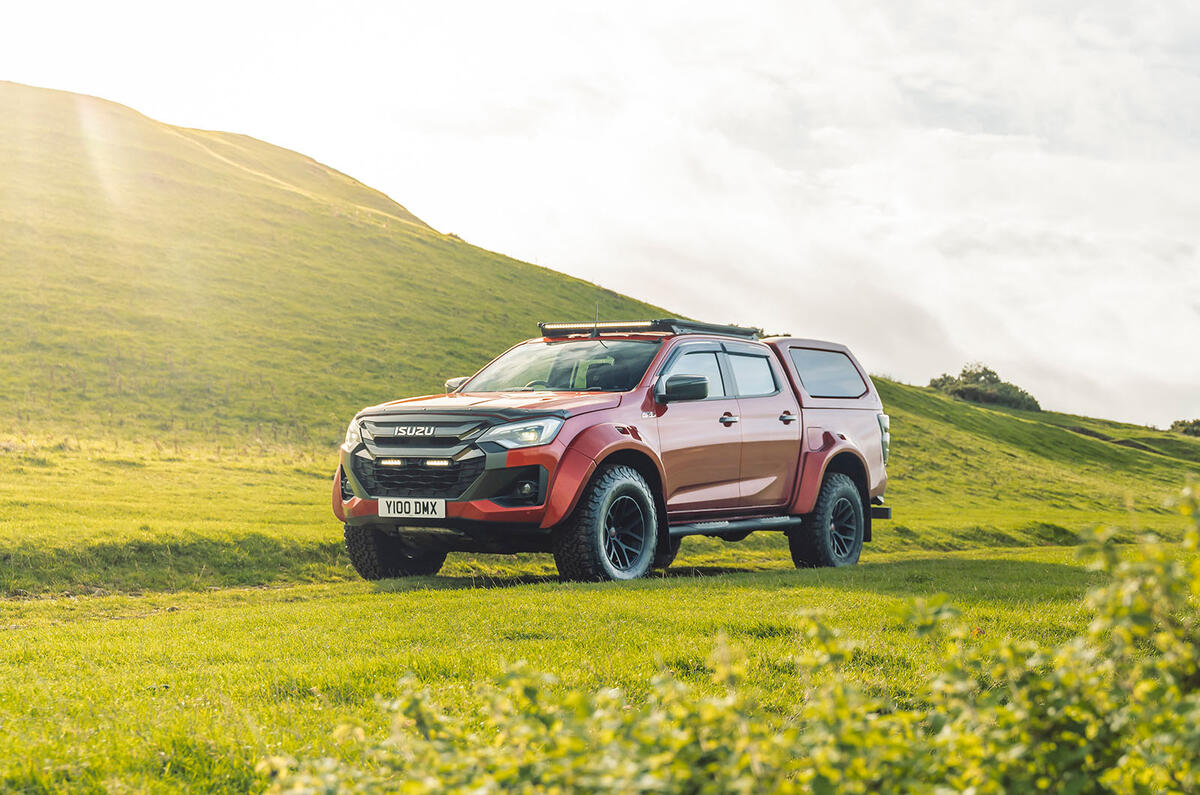
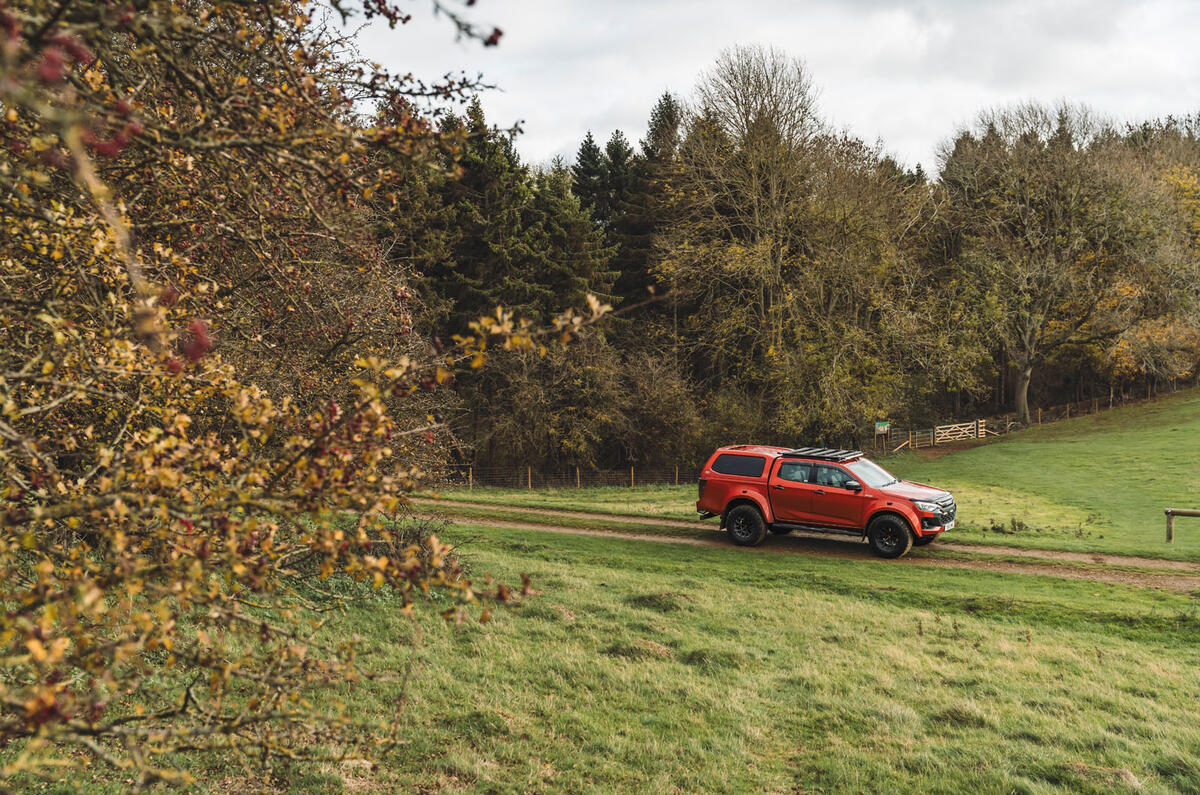
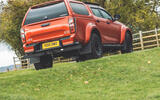
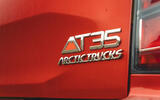
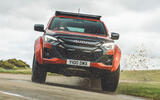
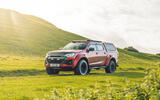
The Isuzu D-Max Arctic Trucks AT35 is a UK-market special derivative that first appeared in 2016, and was released earlier this year based on the version of the D-Max facelifted in 2024. It is essentially a double-cab Isuzu D-Max modified so the base vehicle’s not-inconsiderable capability is taken to a level that many might consider outlandish. Many – though not all.

For this modification process, Isuzu’s UK distributor, International Motors, turns to Icelandic offroad conversion specialist Arctic Trucks – a company that claims to have engineered the first commercially available vehicles to reach the magnetic North Pole, and to have successfully crossed the Antarctic.

Arctic Trucks offers unsanctioned aftermarket conversions for the likes of the Land Rover Defender, Volkswagen Transporter and Toyota Land Cruiser, but Isuzu is one of few brands that have officially partnered the firm, to offer something fully factory-backed and warranted. Read on to find out what it means for one of the hardest-working pick-up trucks on the market.
Advertisement
Back to top

DESIGN & STYLING

7
Isuzu D MAX AT35 Arctic Trucks=review 2025 002

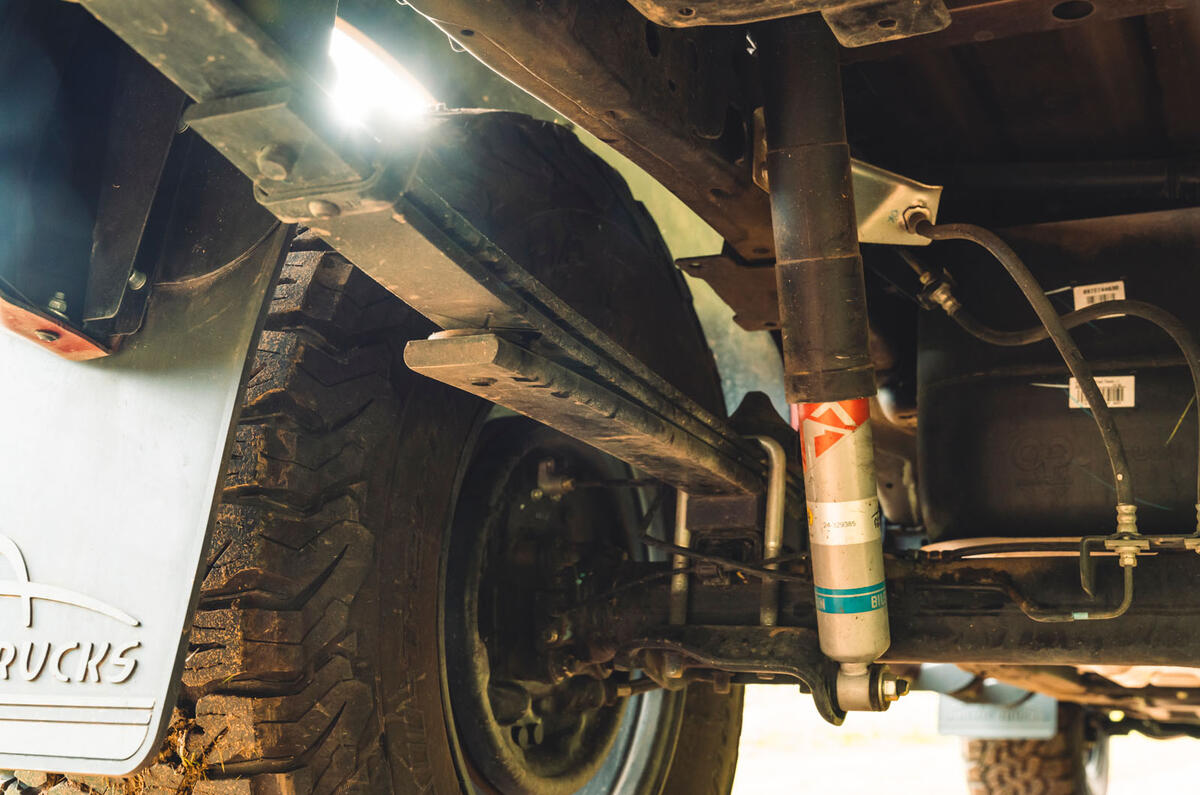
The version of the D-Max we have here is the third model generation that the market has seen since 2002. The current version arrived in the UK in 2021. It came, back then, with a widely revised, lightened and stiffened ladder-frame chassis, and a new longer-stroke, double-wishbone front axle intended to improve both ride and handling. At the rear, the D-Max uses a live axle and class-typical leaf springs, both of which the AT35 version 

retains. These enable it to also keep that important one-tonne load-bay capacity (1085kg for the AT35), as well as a braked towing capacity of up to 3500kg, and gross train weight hauling capacity – the maximum allowable combination of vehicle, load and trailer – of some 6000kg.

You might imagine off-road enthusiasts would prefer a manual, but this will be the first AT35 to go automatic-only. Apparently 9 out of 10 bought an auto last time around – or rather 90 out of 100, which would be a busy year of UK sales.

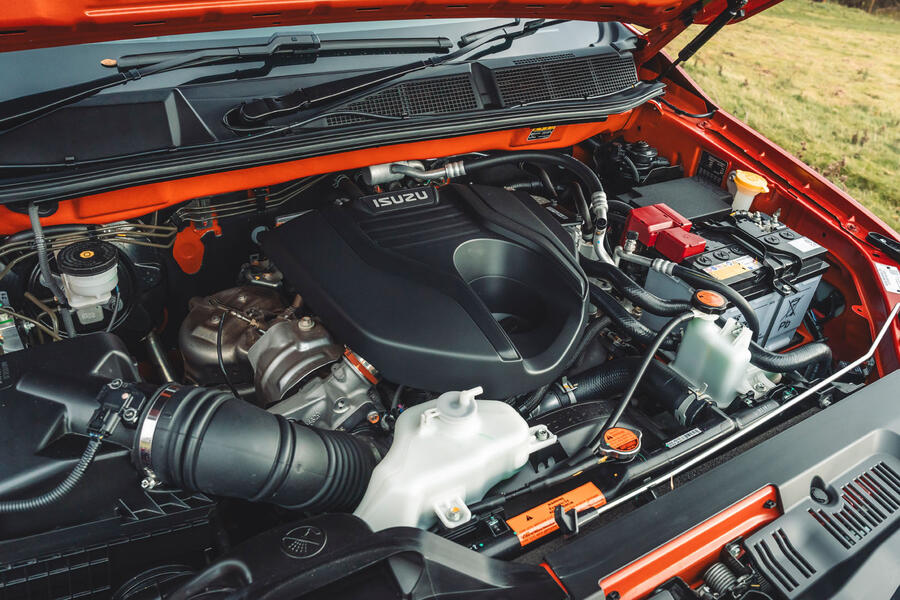
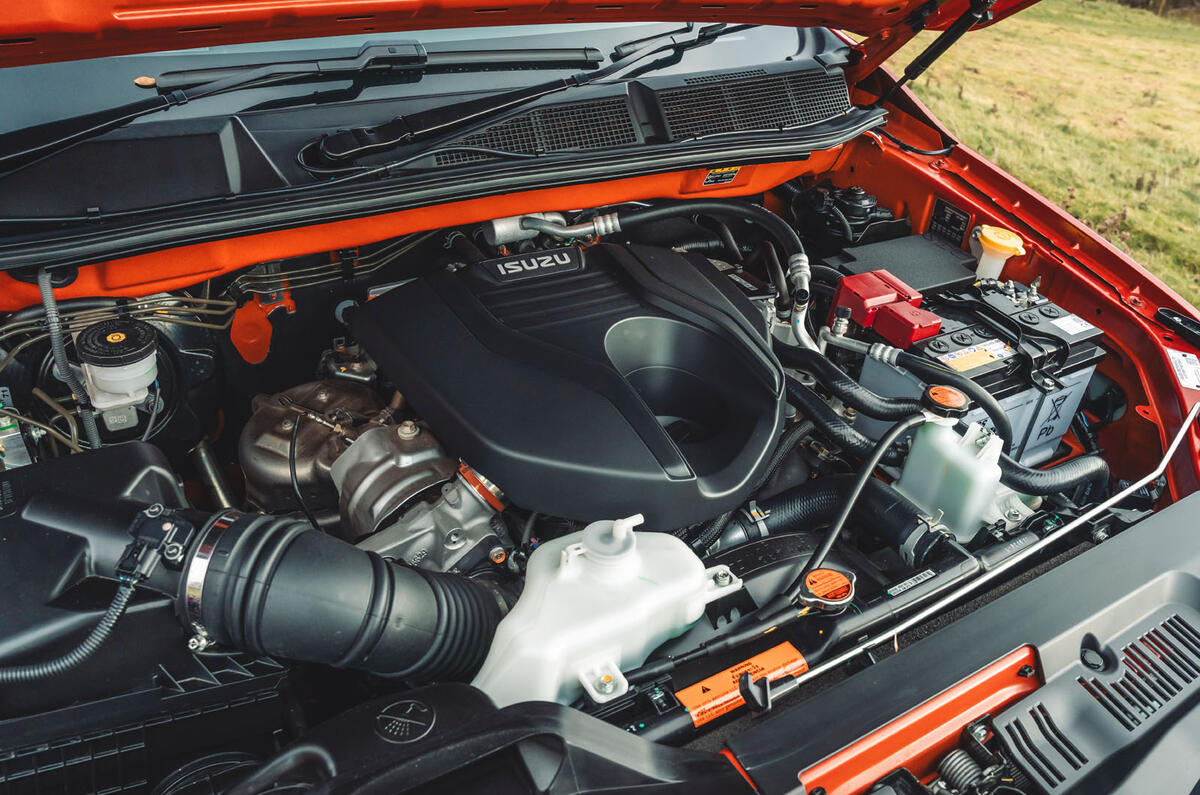
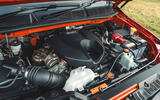
Though it had bigger diesel engines in previous generations, all UK-market D-Maxes since 2021 have been powered by Isuzu’s 162bhp, 266lb ft, 1.9-litre four-cylinder turbo diesel motor – which, a little disappointingly, the AT35 adopts as if it were any other derivative. This leaves the car notably down on motive power and torque compared with key rivals offering close to 300bhp. Isuzu would refer to the proven reliability of the engine in reply – and given it will be used here for genuinely remote “adventure driving”, that would seem a fair riposte; though the engine’s more subjective, nuanced deficiencies - which we’ll come to describing - remain undeniable.

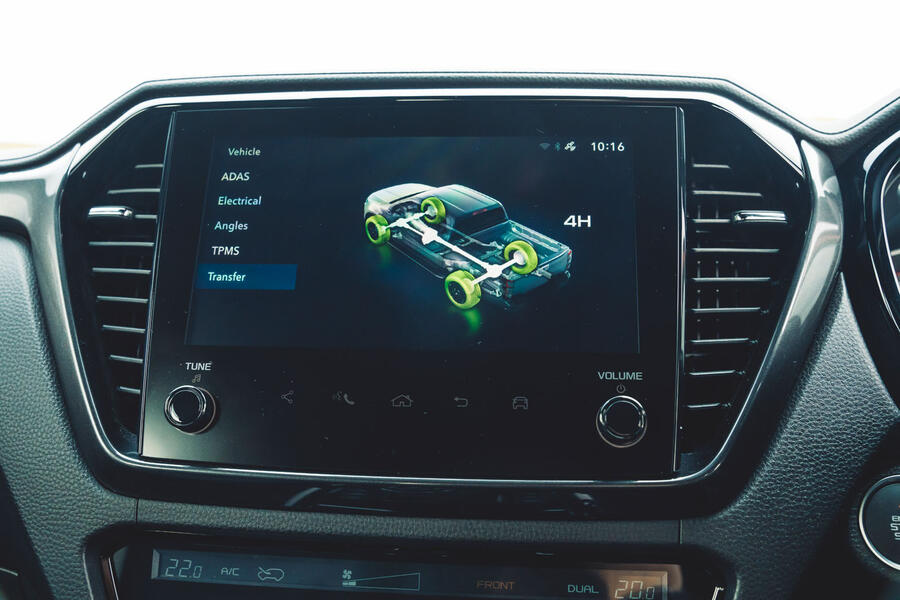
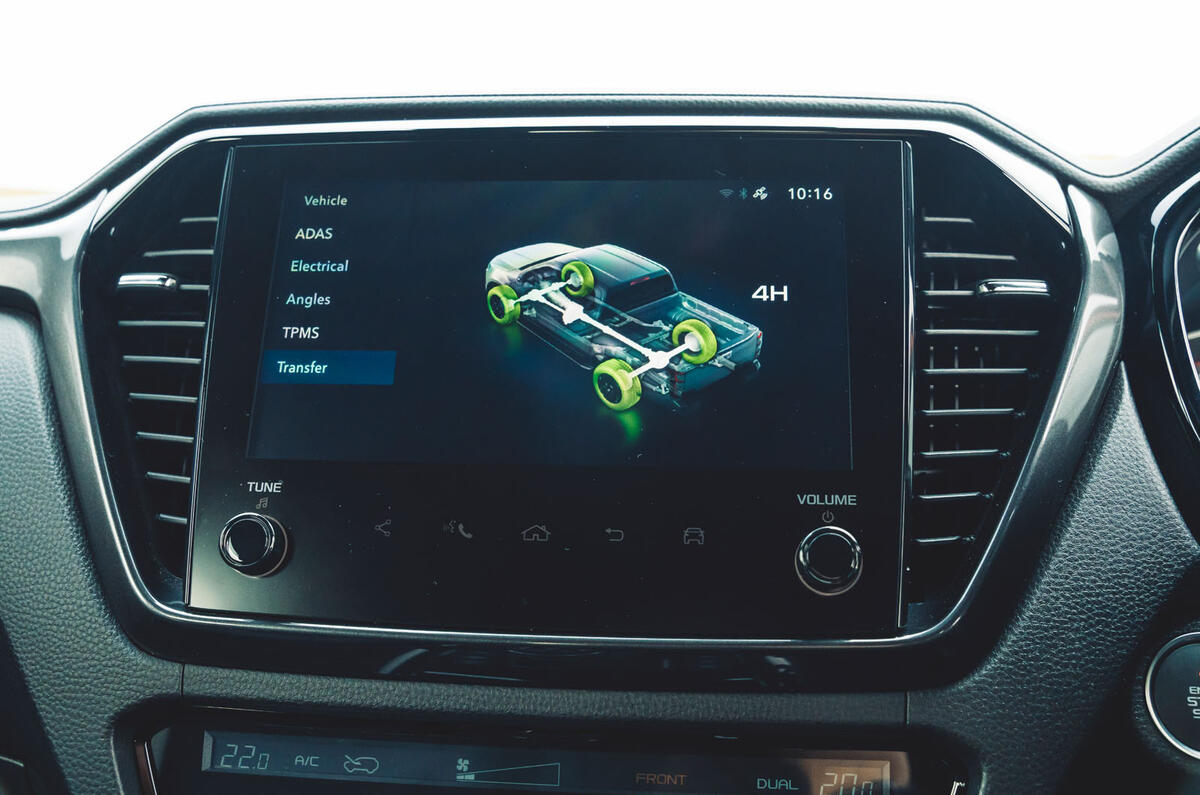
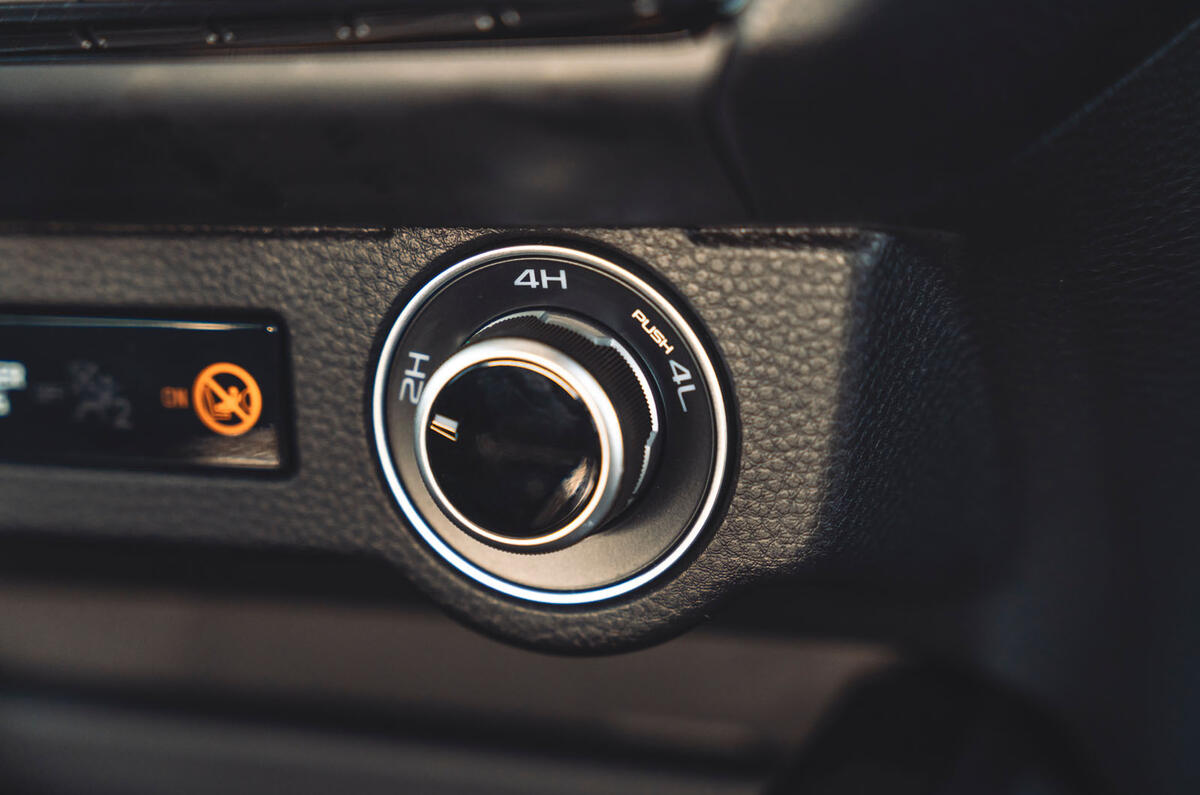
For drivetrain technology, the AT35 runs with the same six-speed automatic gearbox and electronically switchable four-wheel drive system as most other D-Maxes, which does include low-range transfer gearing and a locking rear differential. Here, as with the engine, there are no particular modifications to note.

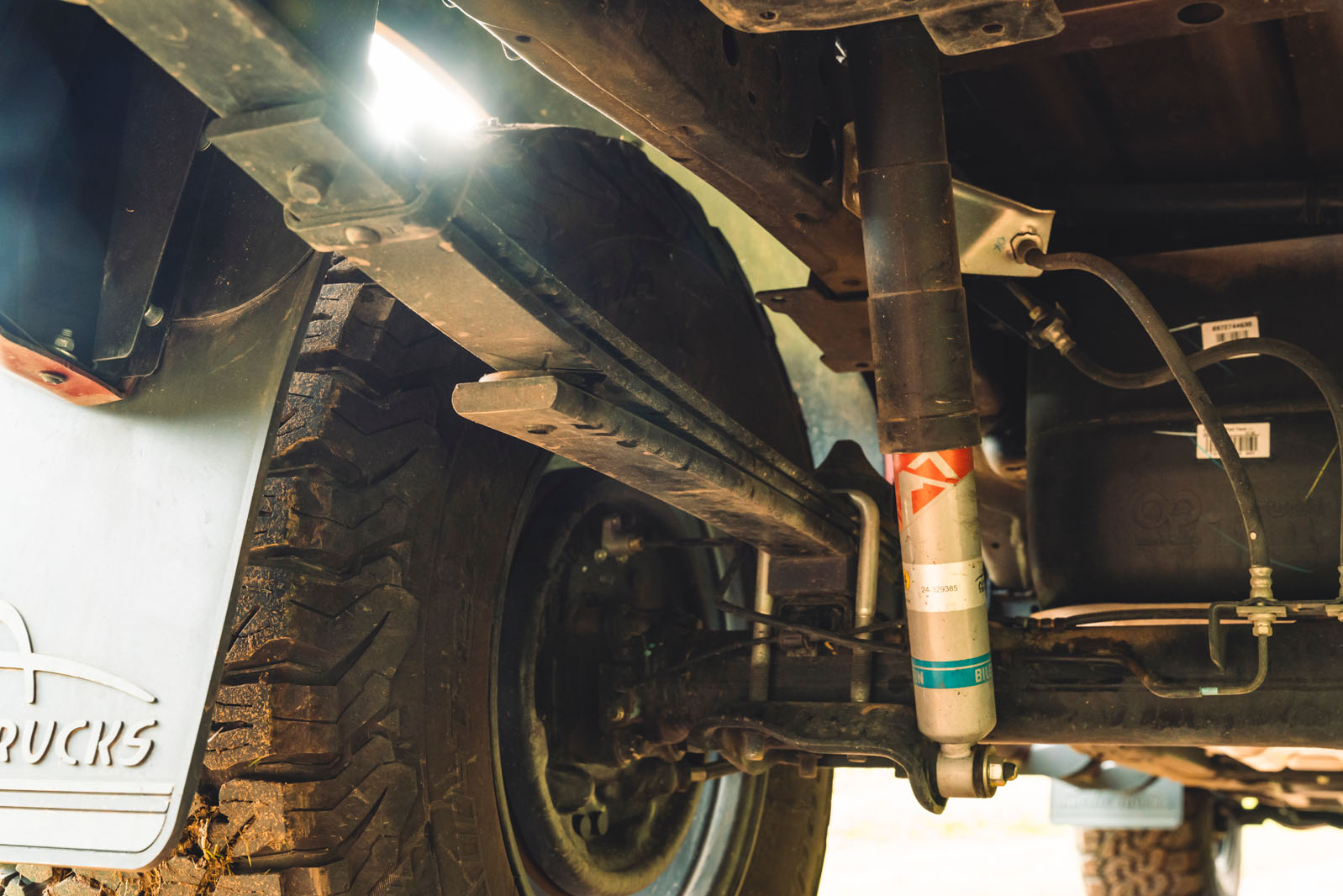
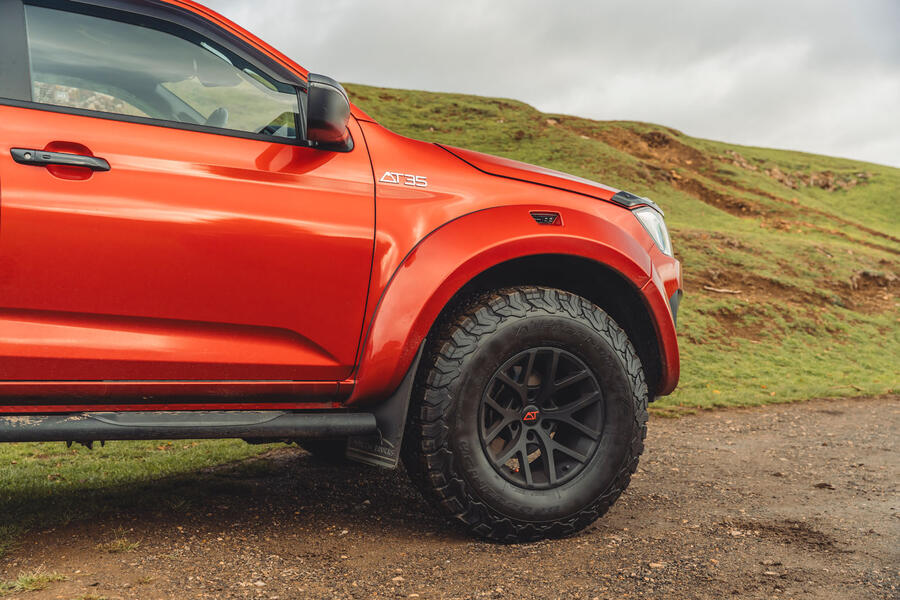
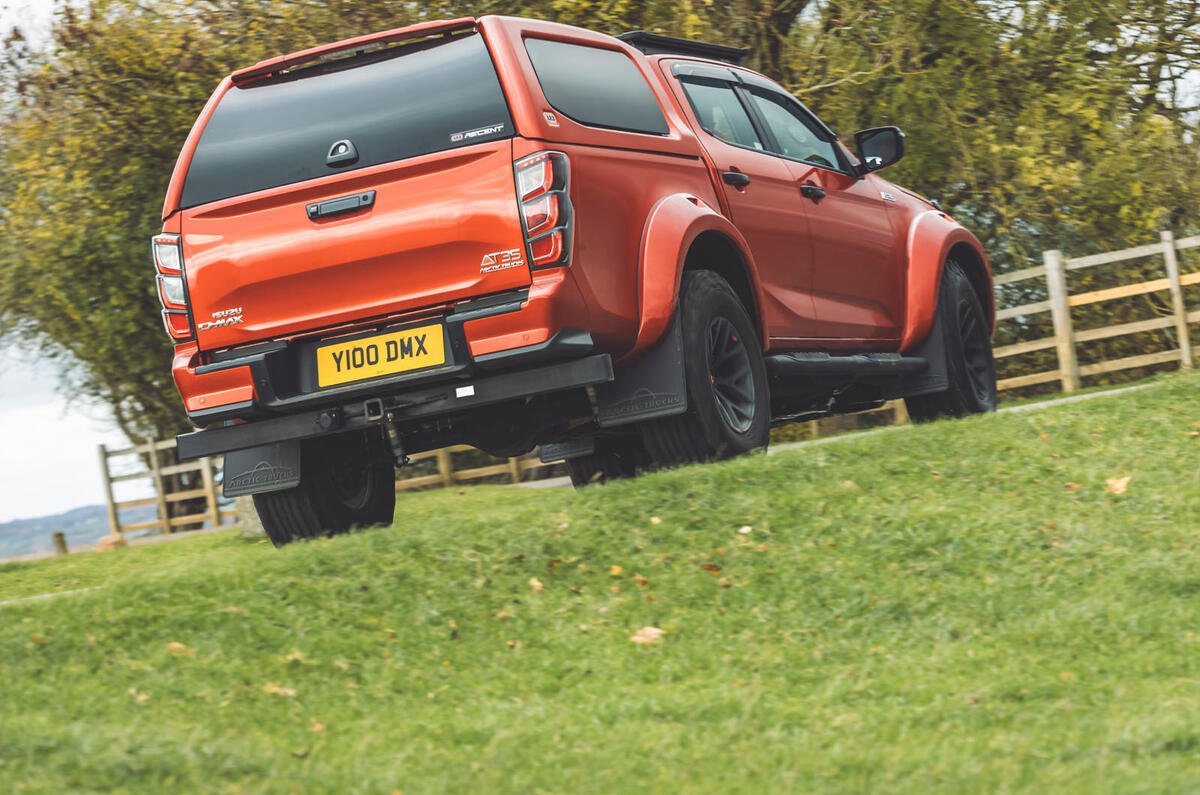
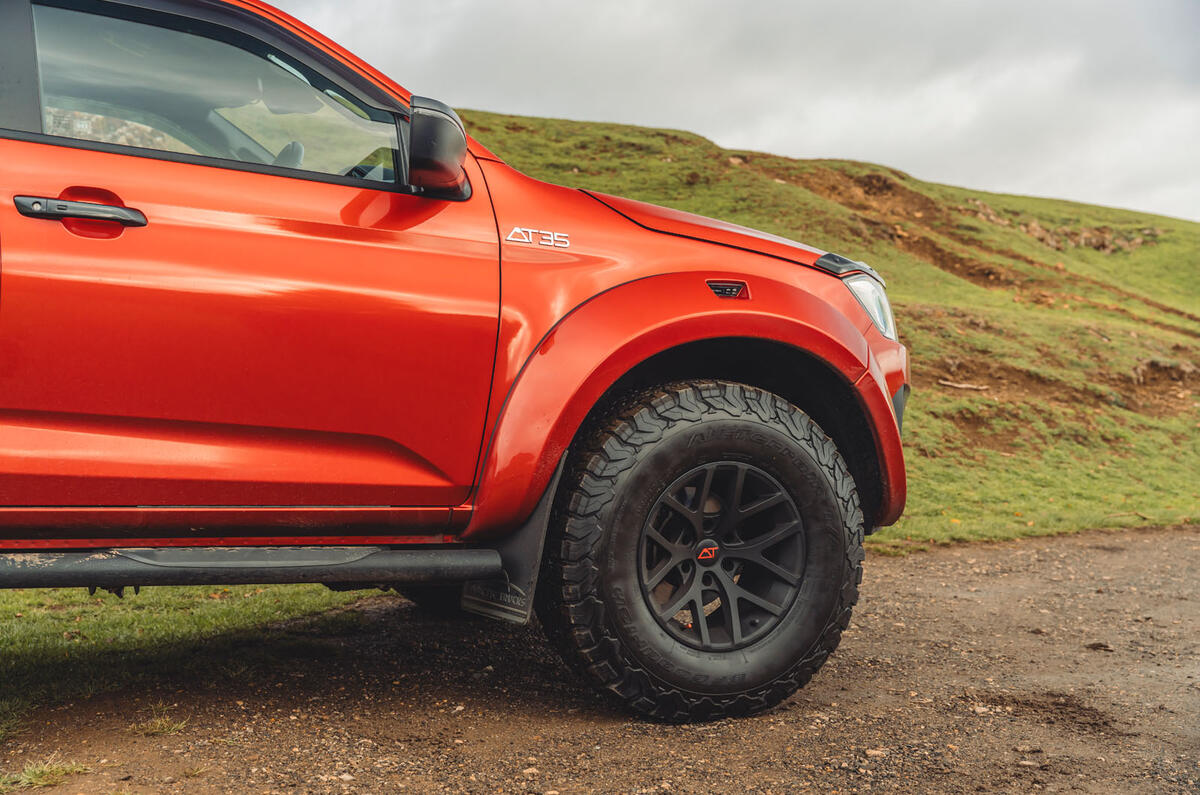
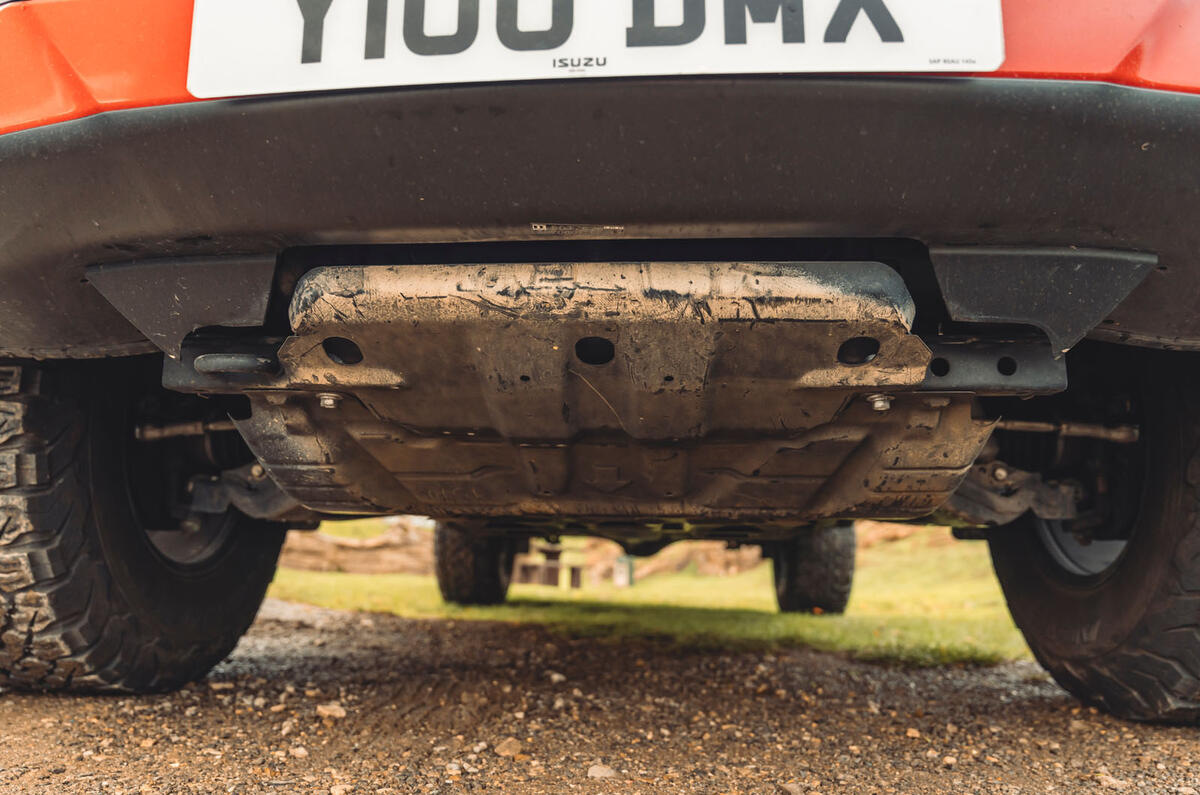
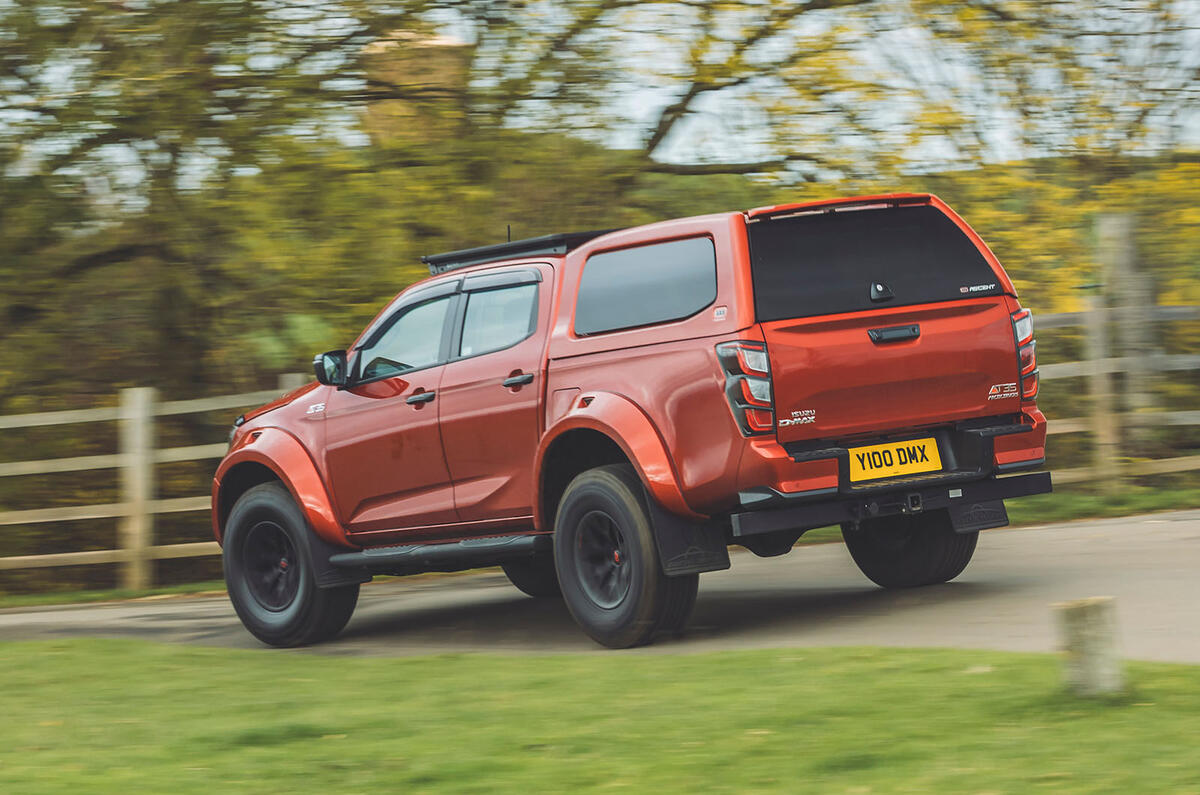
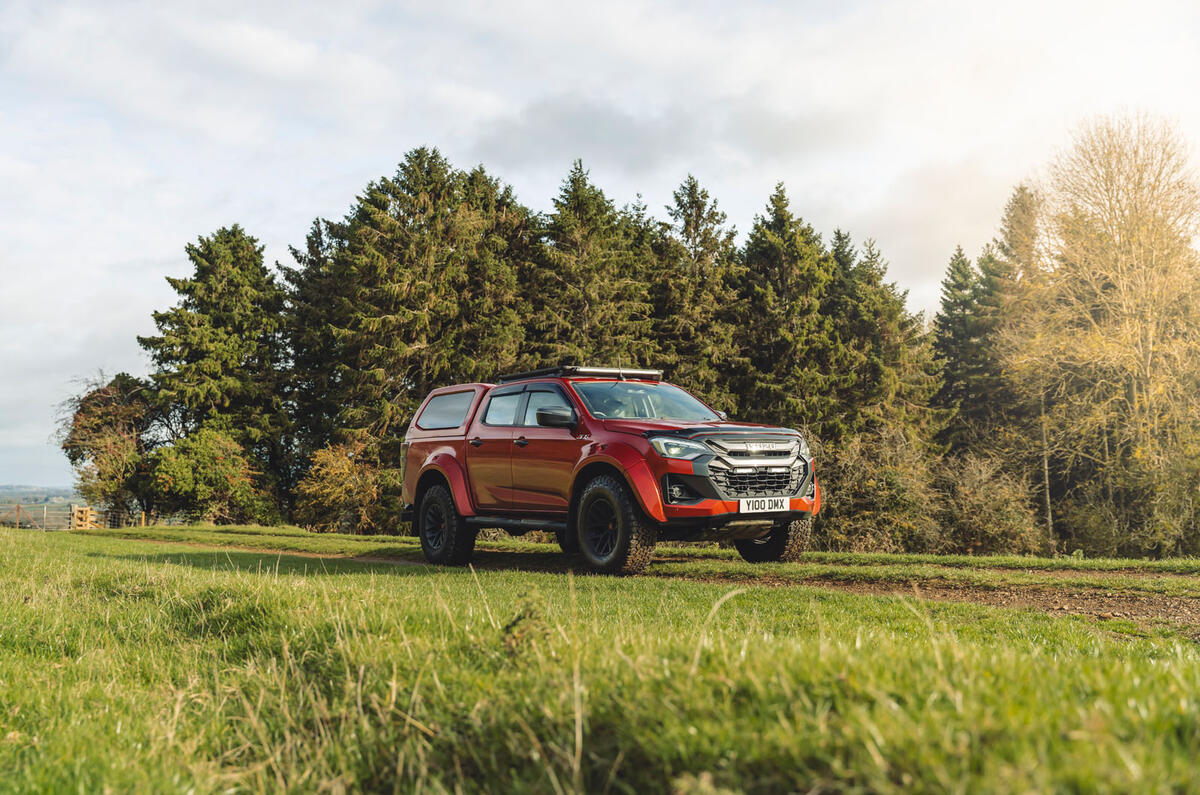
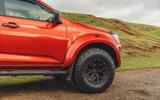
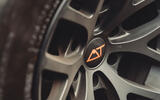
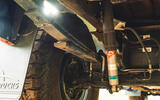
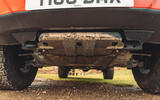
Where Arctic Trucks does go to work – and each conversion involves 60 man-hours at the firm’s UK operations base in Oxfordshire – is in lifting the car’s ride height by 40mm; bracing and strengthening its ladder-frame chassis; fitting additional underbody protection and adapting its wheel arches; modifying its axles and suspension geometry; and fitting off -road-rated Bilstein shock absorbers front and rear, as well as 10in-wide 17in alloy wheels and 35in BFGoodrich All-Terrain ‘knobbly’ tyres.

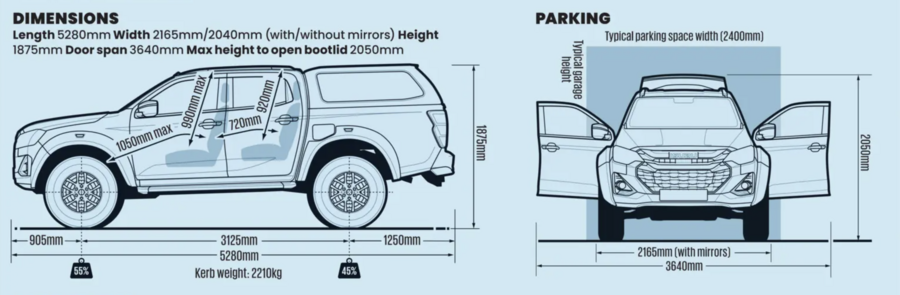
The finished vehicle has a homologated weight of 2210kg – and an as-tested one of 2291kg, with its 76-litre fuel tank about three-quarters full. That, incidentally, makes it easily heavy enough to be stymied by the UK’s commercial vehicle-specific speed limits; so it can legally only do 50mph on single-carriageway roads, and 60mph on dual carriageways, but still 70mph on motorways.

INTERIOR

7
Isuzu D MAX AT35 Arctic Trucks=review 2025 013

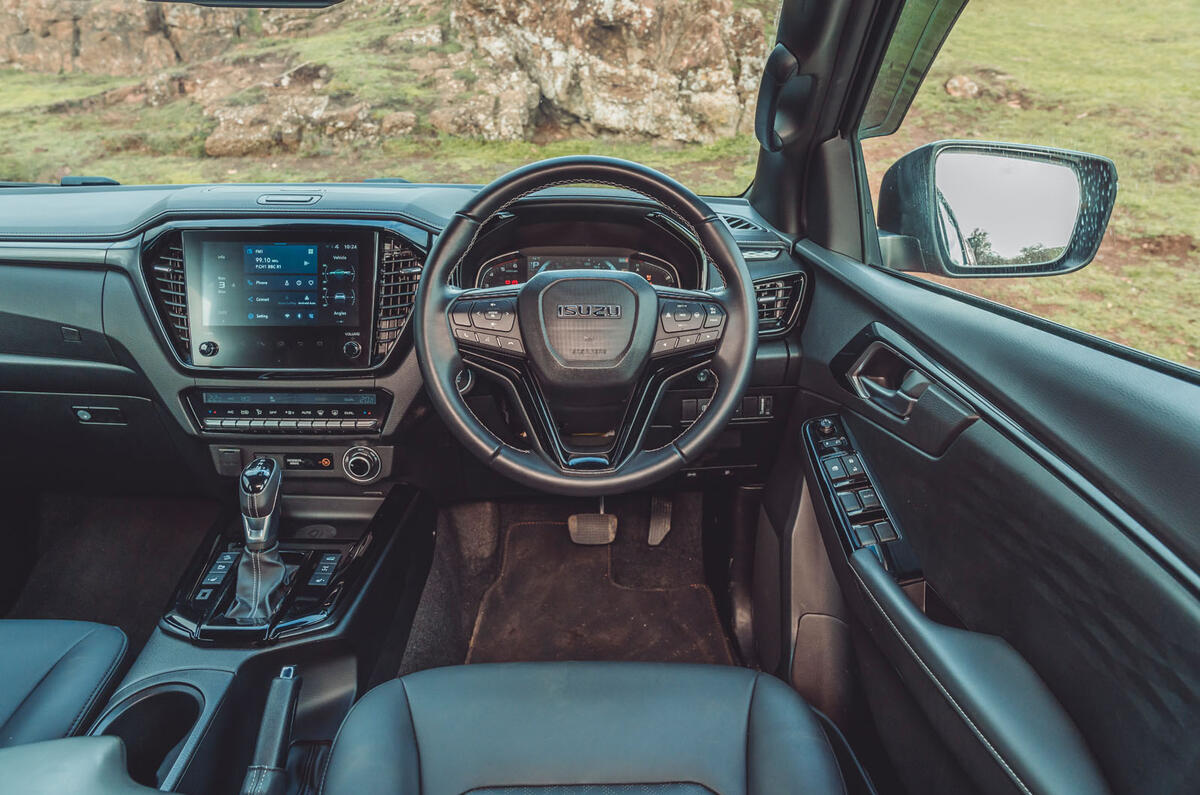
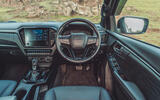
While all pick-ups like this one have sought, at least a little, to move beyond the plain and functional cockpits that passed muster in these vehicles before fleet drivers began adopting them as tax-friendly alternatives to bigger passenger cars during the 2010s (that benefit-in-kind tax loophole having been closed by the UK government in 2024), the D-Max certainly isn’t the plushest ‘lifestyle pick-up’ in the class. Quite the opposite, in fact.

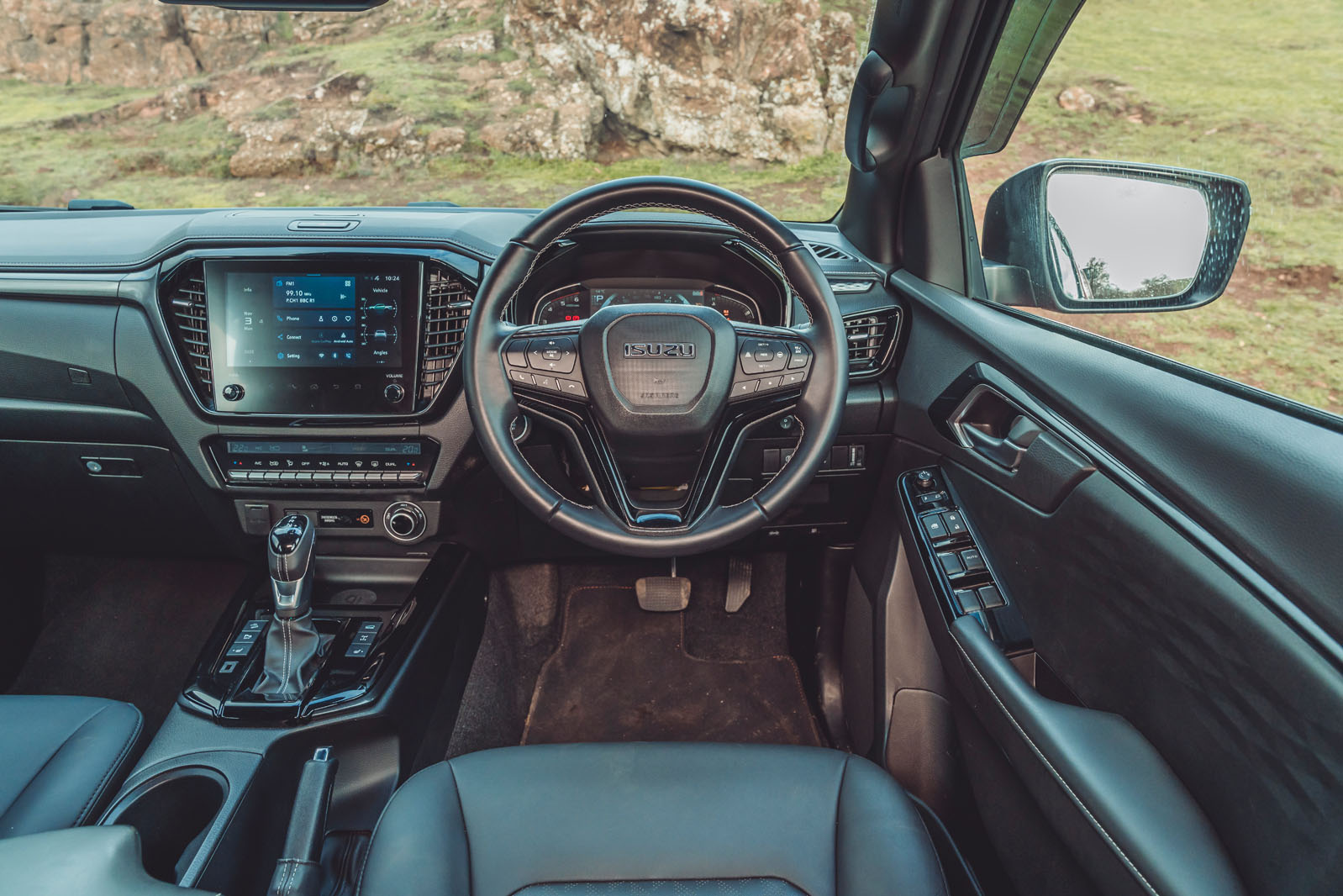
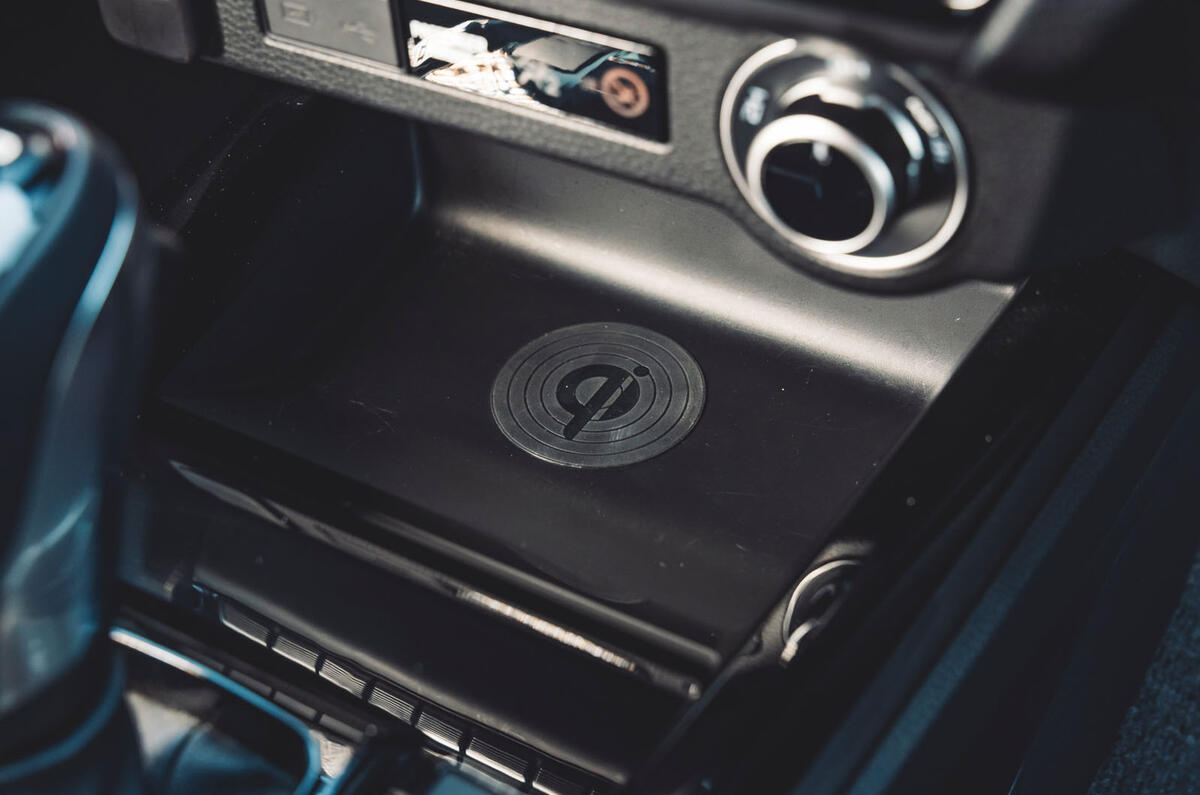
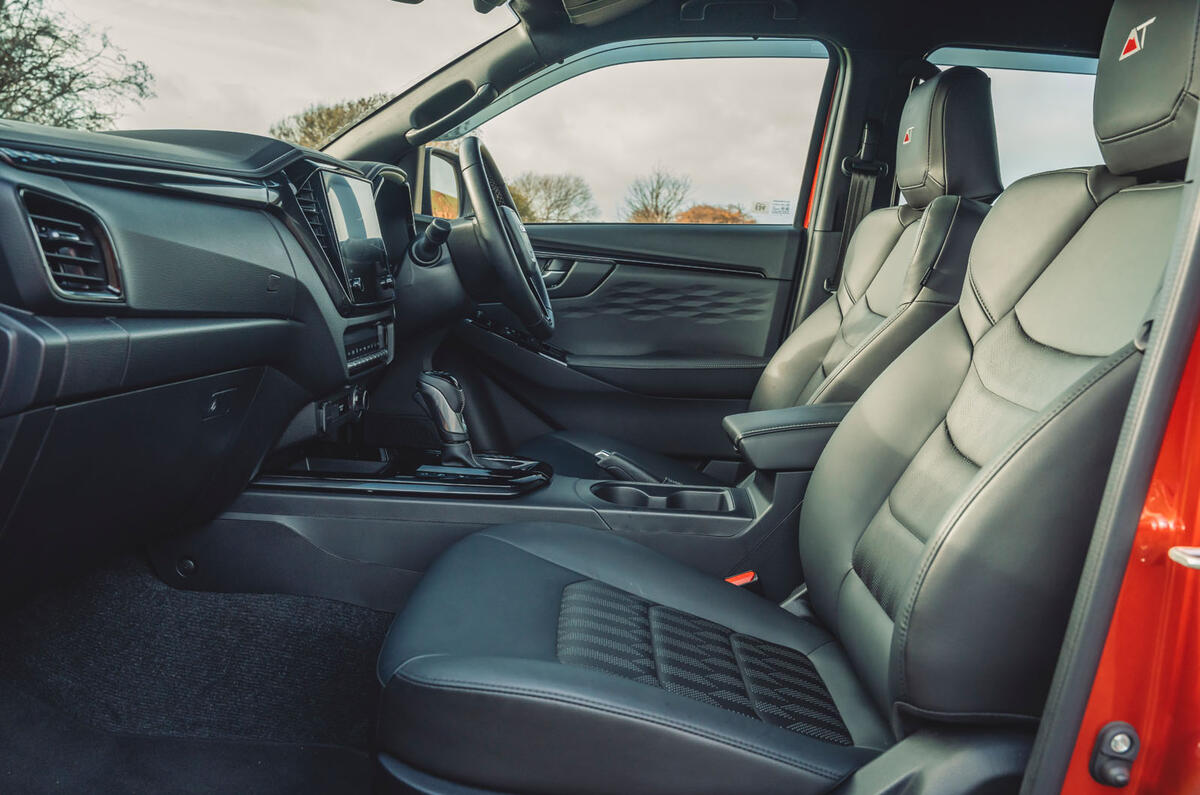
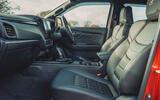
The latest version makes only a few gestures at flattering the senses. In higher-trim models, it has a passenger car-like climate control console with silver buttons and digital display, and some discreetly glossy dashboard materials here and there. Mostly, however, it remains an appealingly unpretentious environment with plenty of storage – and lots of physical buttons and knobs to push and turn when you need to change something – and is easy to operate and inhabit. The Arctic Trucks version adds specially embroidered leather seats, but otherwise the car’s particular interior accoutrements are few.

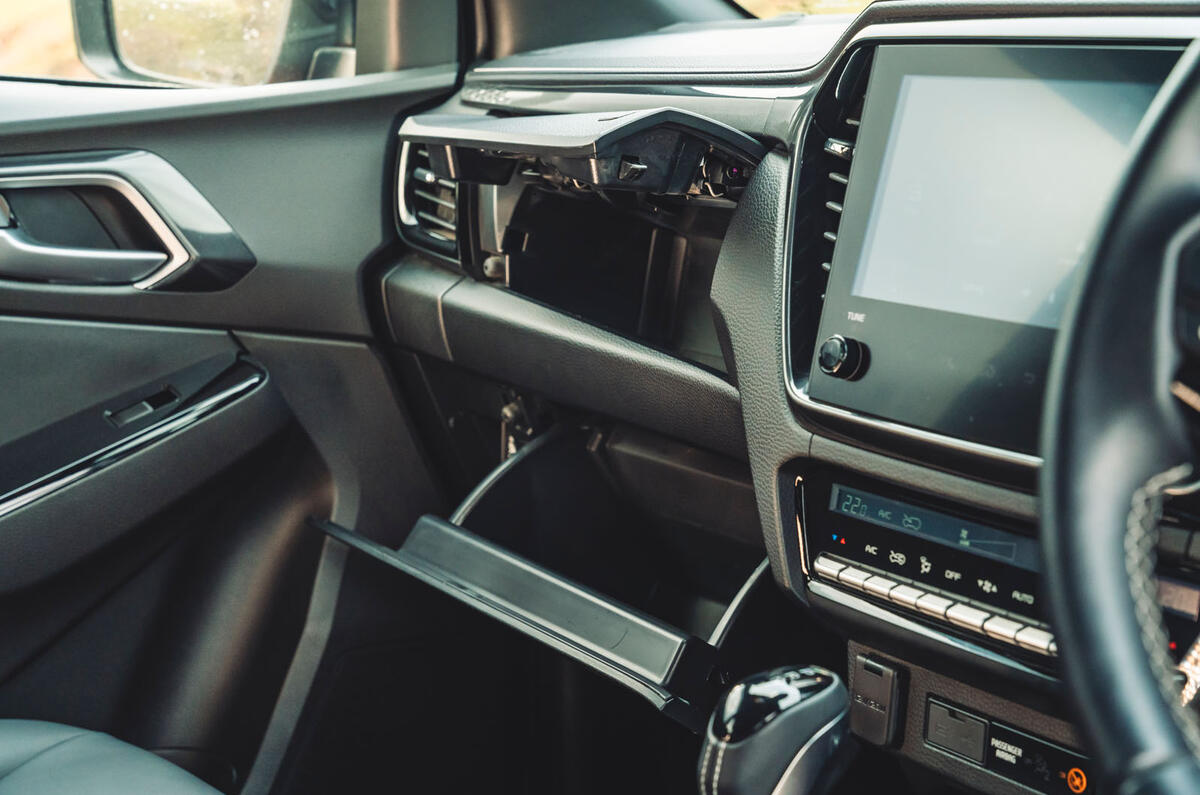
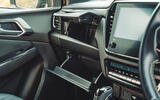
An extra glovebox always signals a car ready to take you far from the nearest service station. Shame the lower one is so full of owner’s handbook, there’s no room for anything else.

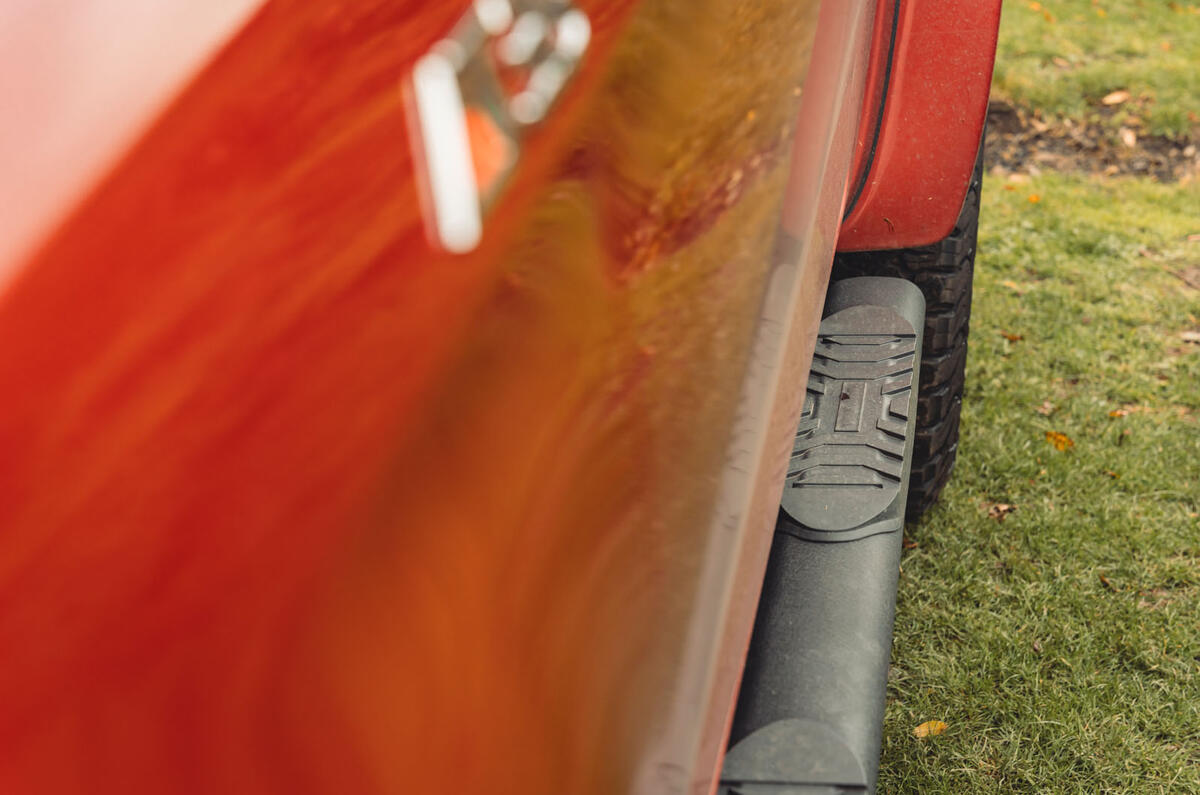
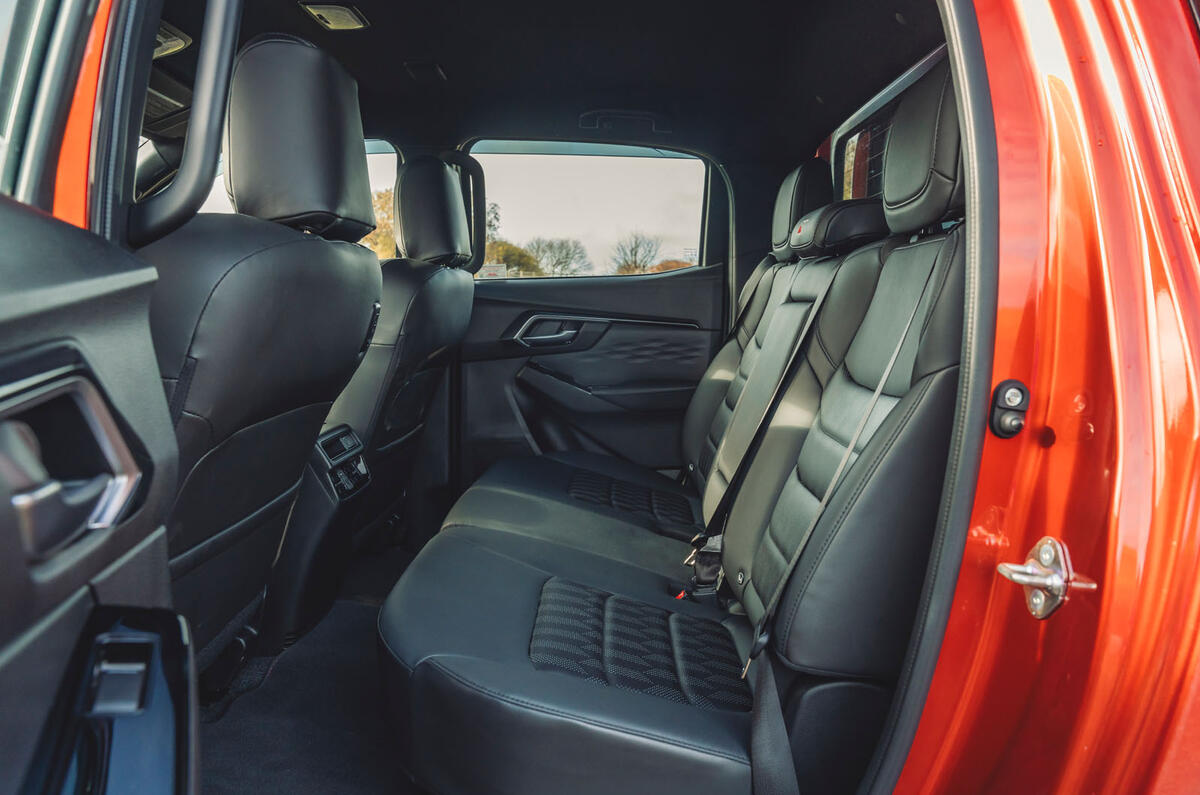
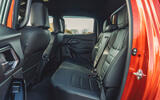
The AT35’s 40mm ride-height hike makes it a bit of an ascent to board – and, when stepping up and in, you’re well advised to mind your head and shoulders on the car’s header rail, which isn’t as high as you might expect. The front seats offer space typical of a mid-sized SUV, and the three-seater rear bench (which folds forwards to give access to breakdown equipment behind) a similar amount, with the outer two berths having Isofix child-seat anchorages.

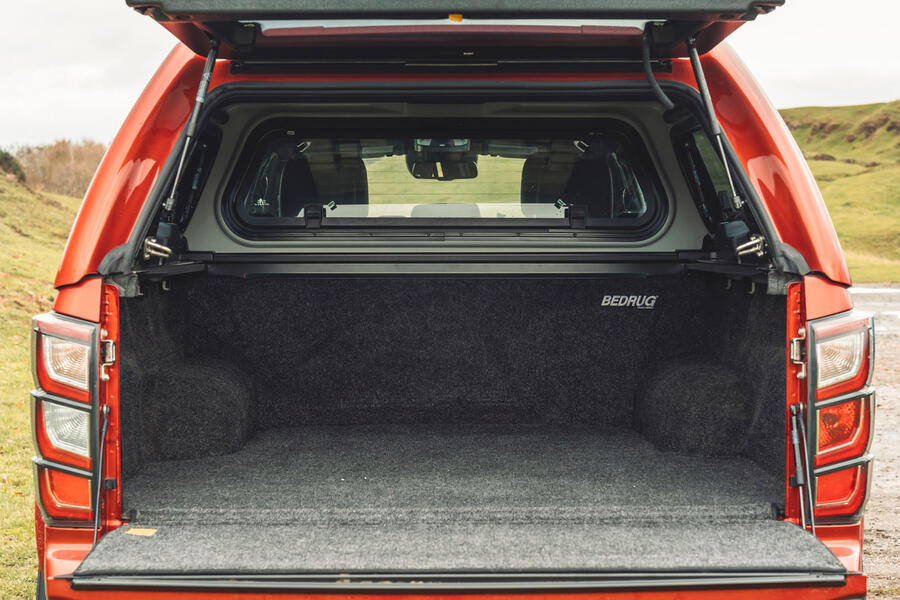
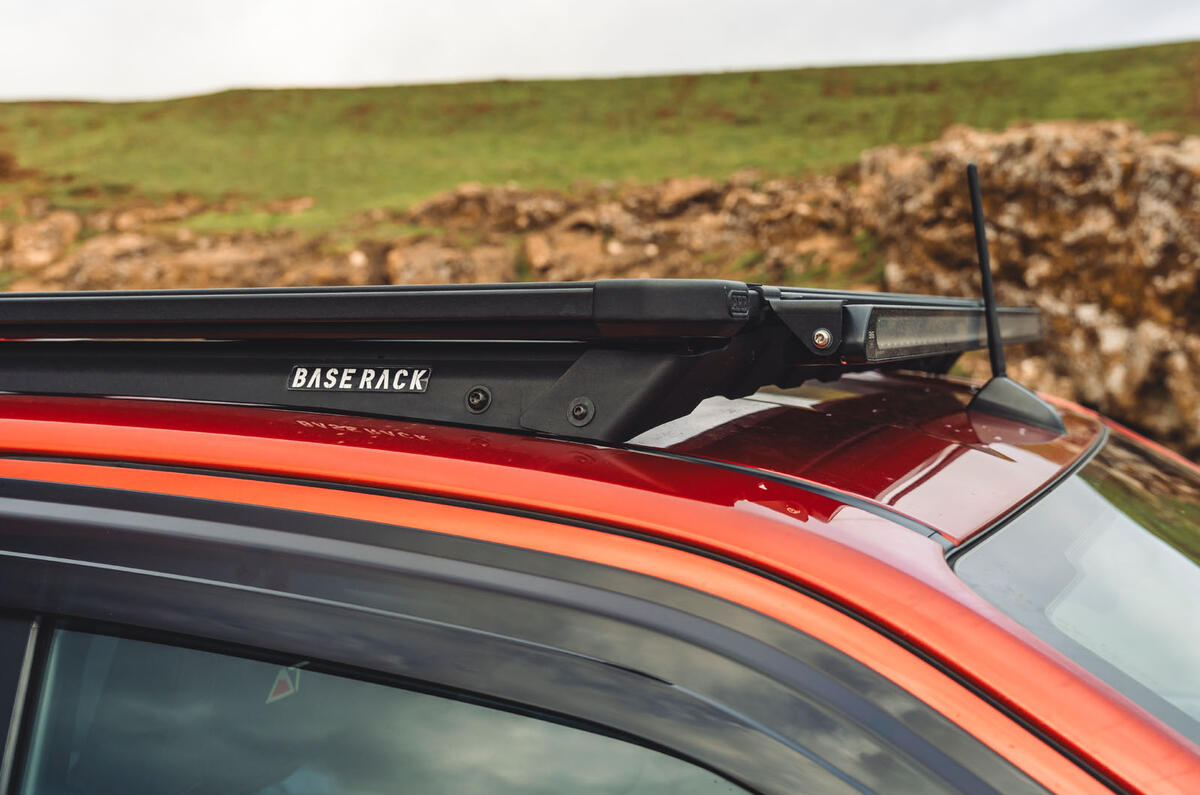
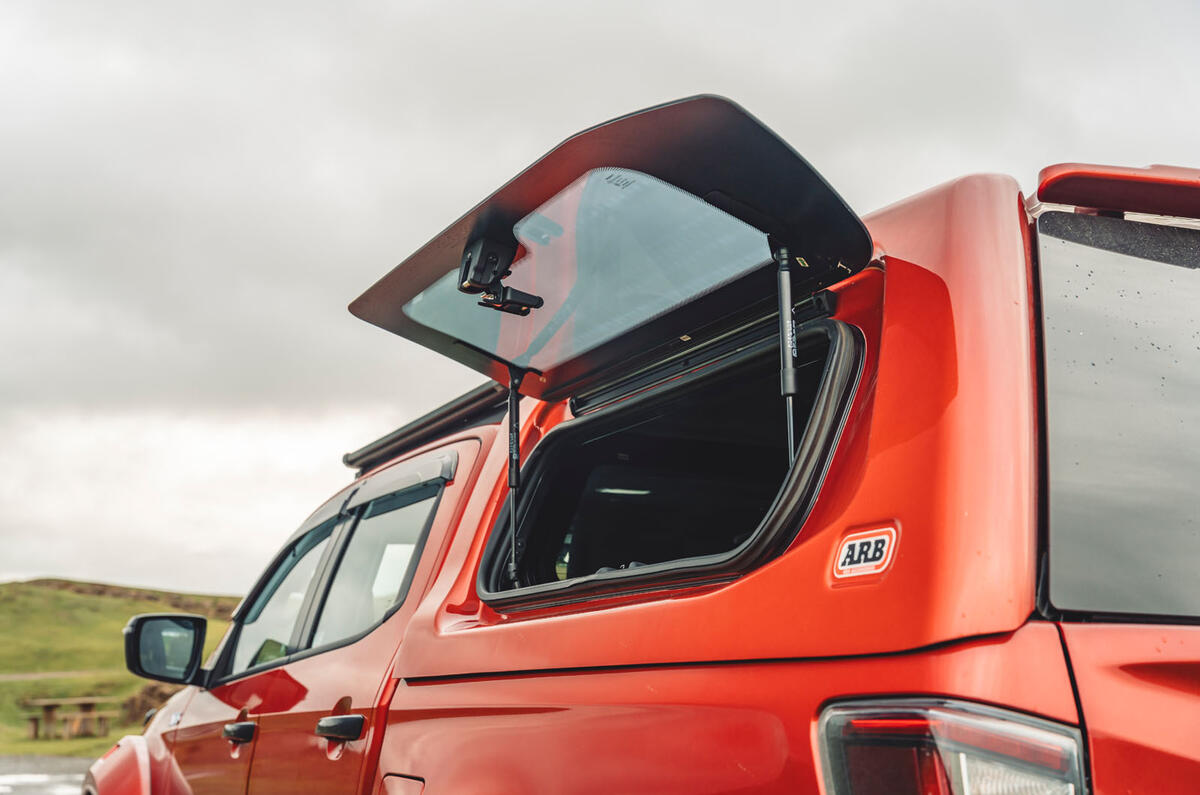
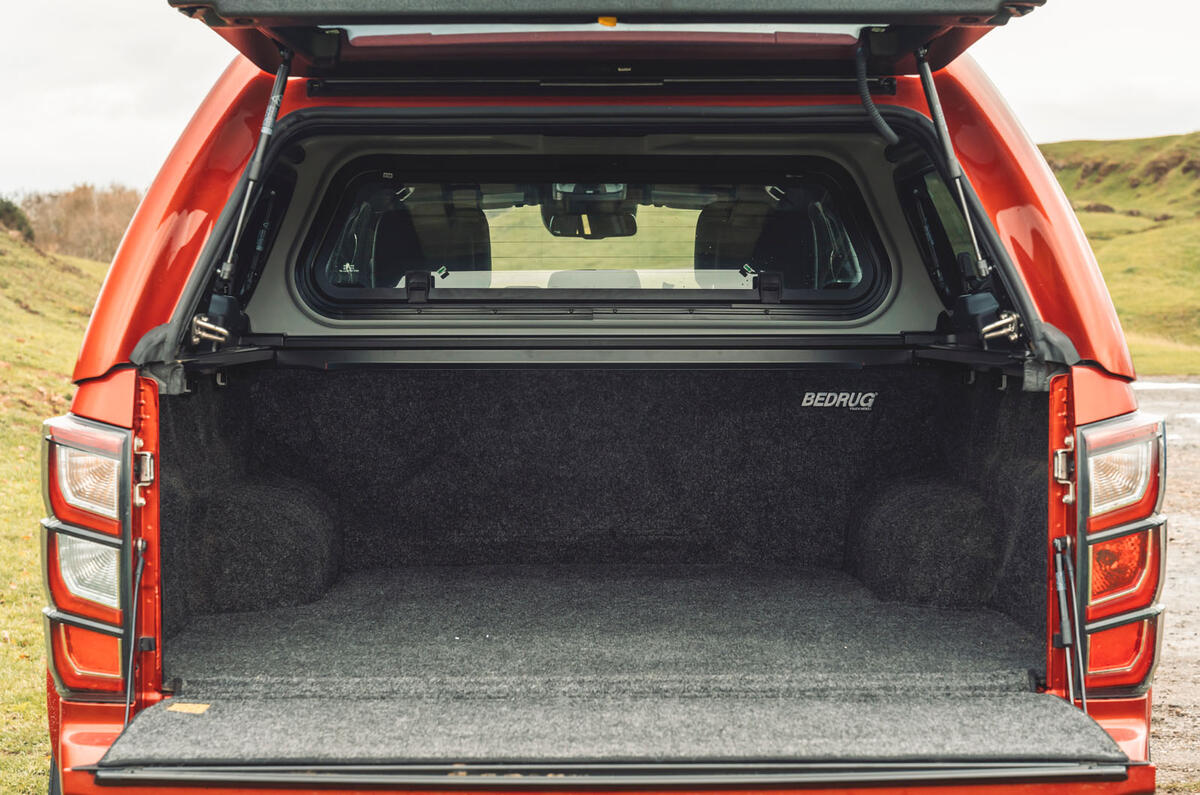
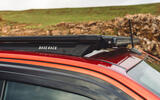
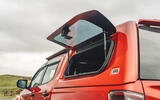
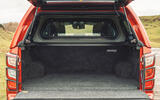
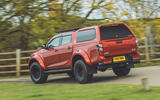
The flatbed load bay is typically sized for a double-cab pick-up, measuring just under 1.5 metres in length, though there’s no through-loading provision for longer items. Our test car came with Isuzu’s dealer-fit load bay ‘bed rug’ carpeting, making it comfortable for sitting, sheltering and sleeping, as well as a canopy-style hard top with top-hinged side windows. The optional ‘base rack’ roof rack would also support a roof tent.

So the AT35 is clearly ready to support camping and “adventuring” trips, and to be used as a base camp as well as a means of transport – with a little help from the options catalogue.

ENGINES & PERFORMANCE

5
Isuzu D MAX AT35 Arctic Trucks=review 2025 028

The D-Max’s 1.9-litre turbo diesel/six-speed automatic powertrain is quite a specialised prospect that’s particularly good at grunt work. Its 266lb ft of torque might not sound like much, when rivals offer more than 400lb ft . But the torque converter is tuned to multiply those reserves at every chance – and while that might not make it especially engaging to control or interact with on the road, it certainly allows it to crawl, climb and scrabble around offroad very effectively.

The D-Max’s mix of analogue and digital dials dates it a bit, and doesn’t look great. Some of the minor ones have needles, others don’t. It’s not apparent why.

In outright performance terms, it isn’t fast. Our test day was a quite windy one, but very few powertrains in what we might think of a vehicle at least adjacent to a performance derivative would have made the impact of that wind resistance more apparent.

The last car we tested that failed to average 90mph over a standing kilometre in both directions on Horiba MIRA’s mile straights was the Citroën e-C3 back in April (probably only because it’s limited to a top speed of 84mph). The 99bhp Peugeot 208 Style we tested last month managed it, as did the 111bhp BYD Dolphin Surf in August. 

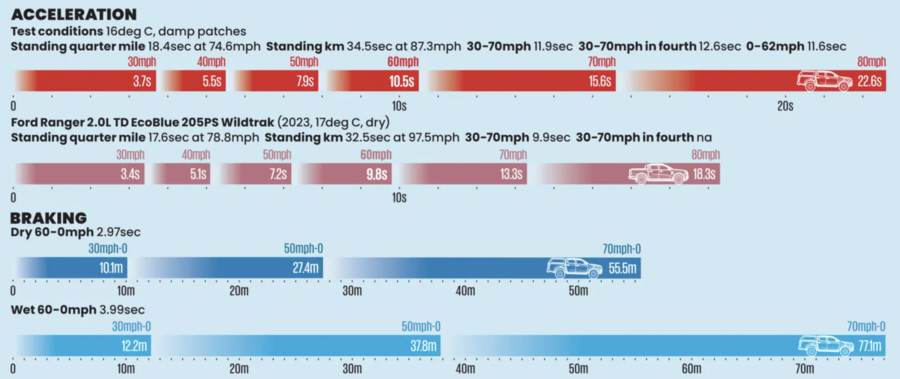
A recorded 0-60mph time of 10.5sec doesn’t make the D-Max AT35 sound like a desperately slow-accelerating car, however. That’s because what hamstrings it is partly its size, weight and shape - but also its gearing. Just as the wind resistance really begins to build against the car’s high, bluff front end and whistle around its ‘wind deflector’ roof rack, it shifts into particularly long fourth and fifth gears - and thereafter seriously struggles to put on speed.

That might be considered fine, given that there are few forest tracks, mountain ascents or polar trails on which you would need much more than 50mph. But it certainly takes a toll on the AT35’s everyday motorway drivability, the ease with which it can overtake generally, and any sense – on the road, at least – that this is a car of particularly special potency.

The 1.9-litre diesel is quite uncouth, too, emitting whistles and resonances from inside the engine bay when you use plenty of power from cold. It gets predictably crotchety and coarse beyond 3000rpm, and there really isn’t much point extending it beyond 3500rpm. So, even by pick-up class standards, it’s quite inflexible.

The gearbox, meanwhile, has a manual mode of sorts but even when you use this, it still has a mind of its own, preferring not to lock up, for example, when you select a higher gear but instead letting the torque converter slip to a constant 2500rpm, and simply ‘slushing’ the power through to the wheels.

This isn’t a pick-up we would choose to do particularly heavy towing work with – not at anything close to the national speed limit, that is. Its standard-fit all-terrain tyres delivered respectable dry-surface stopping distances but didn’t make for great retardation on MIRA’s wet surfaces. Here, even allowing for the impact of anti-lock brakes, a 70mph-0 stopping distance of close to 80 metres is a little concerning.

RIDE & HANDLING

7
Isuzu D MAX AT35 Arctic Trucks=review 2025 030

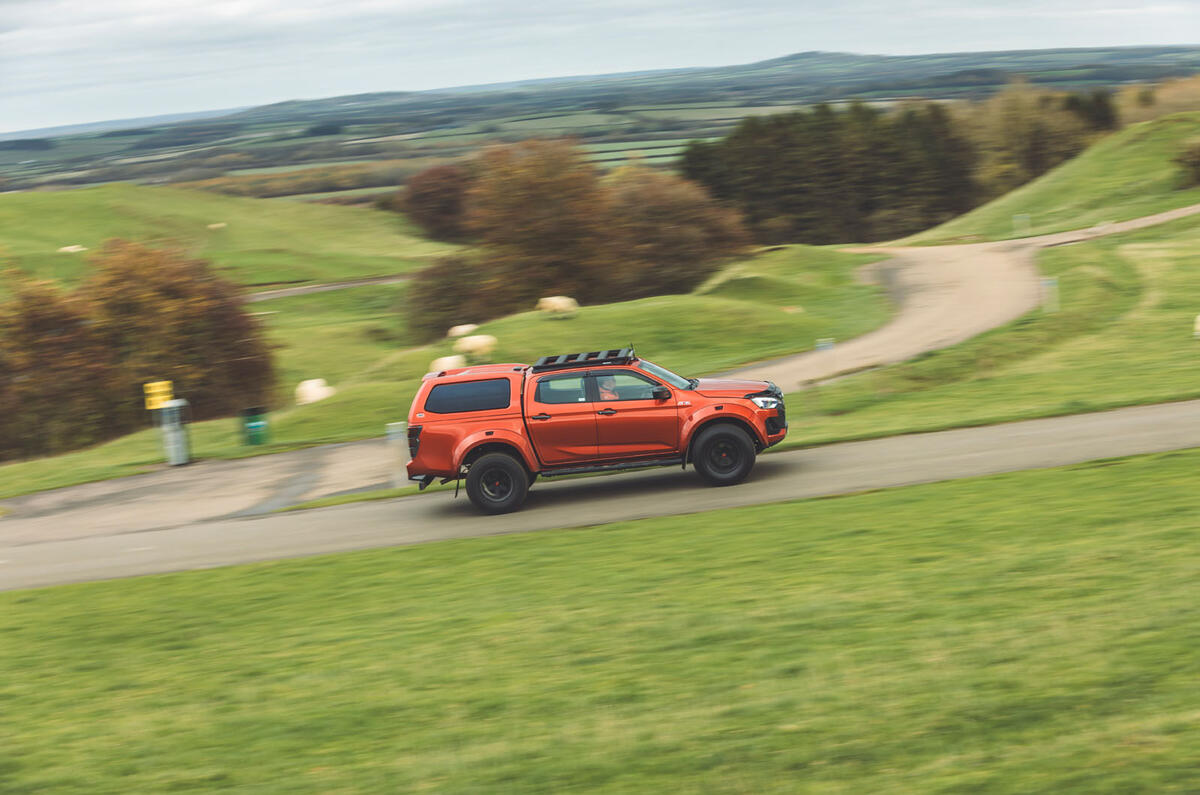
Like all cars of its kind, the D-Max AT35 is large – both long and wide, with a long wheelbase – and feels like it in how it goes down the road. 

It retains gently sped steering, so T-junctions, roundabouts and parking manoeuvres especially require plenty of arm-twirling. And even at higher speeds, it’s a fairly stable, impassive, substantial-feeling thing that doesn’t seem much interested in playing for your approval. It is, instead, an unapologetically serious bit of kit.

In its body control, however, you can very much tell that it’s not the average flatbed load-lugger. While those all-terrain tyres can evidence that telltale fidget in the secondary ride as the wheels bounce on their balloon sidewalls over sharper lumps and bumps, the car’s primary ride – its body movements, essentially – is remarkably settled and unflusterable.

The crudity you expect of a leaf-sprung, live-axle truck is replaced by a terseness in dealing with vertical inputs that’s ever-effective and totally unwavering. The AT35’s Bilstein dampers feel like they’re typically about 10-20% utilised, even at a moderately quick cruise on an averagely bumpy B-road. Should potholes and cattle grids present, the AT35 just swallows them like krill. They don’t pass under the wheels without you noticing, but they’re nonetheless dismissed with such contempt that you can’t help but smile.

The car’s steady-state handling is influenced a little by the drivetrain mode you select, although it’s always closely reined in if you leave the traction and stability control active. Switch that off and you will find there’s a stable, nose-led posture to quicker cornering if you use four-wheel drive mode, and a freer, more adjustable one in two-wheel drive – both as a result of those all-terrain tyres, which don’t grip either dry or wet Tarmac especially keenly.

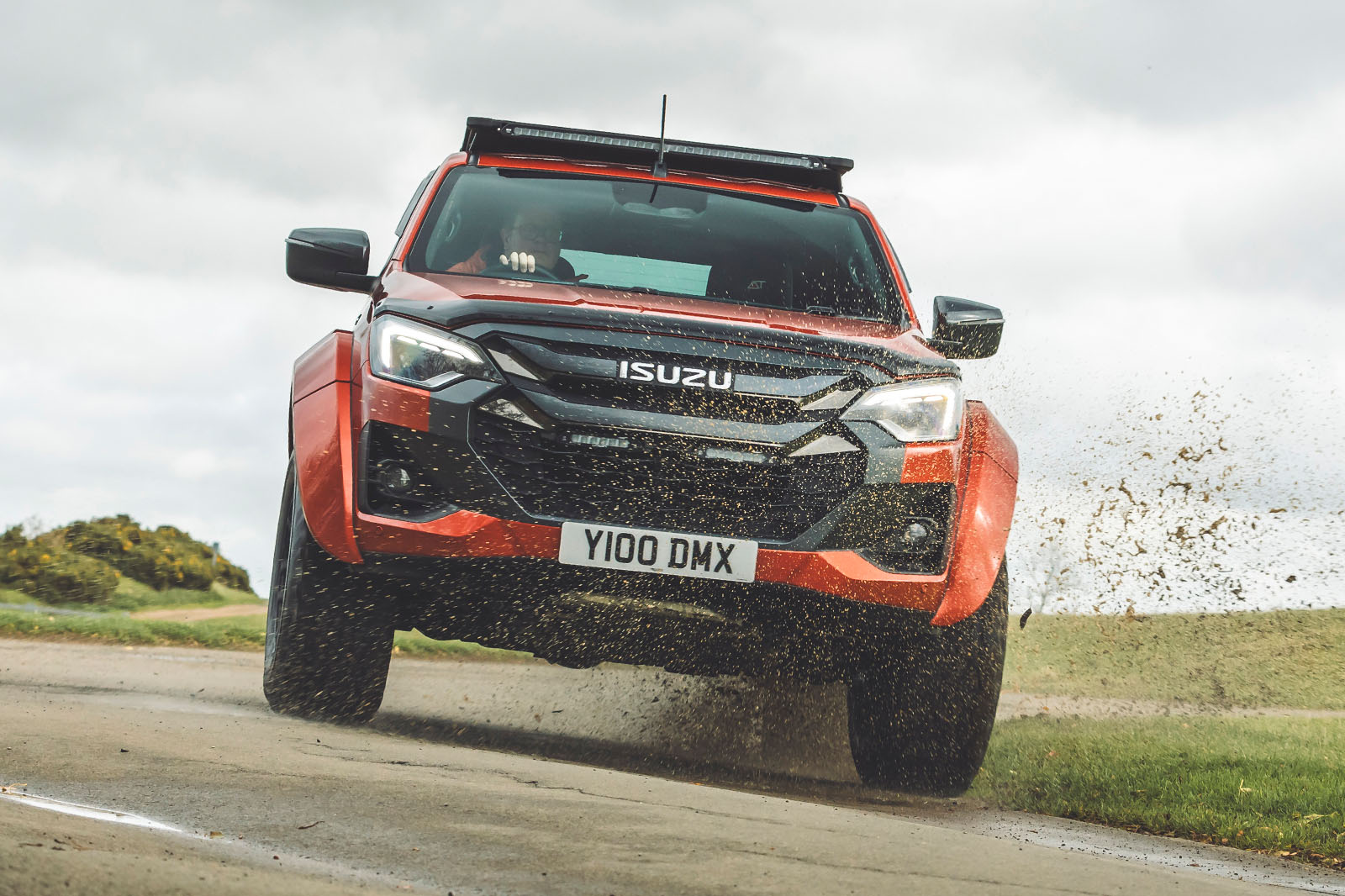
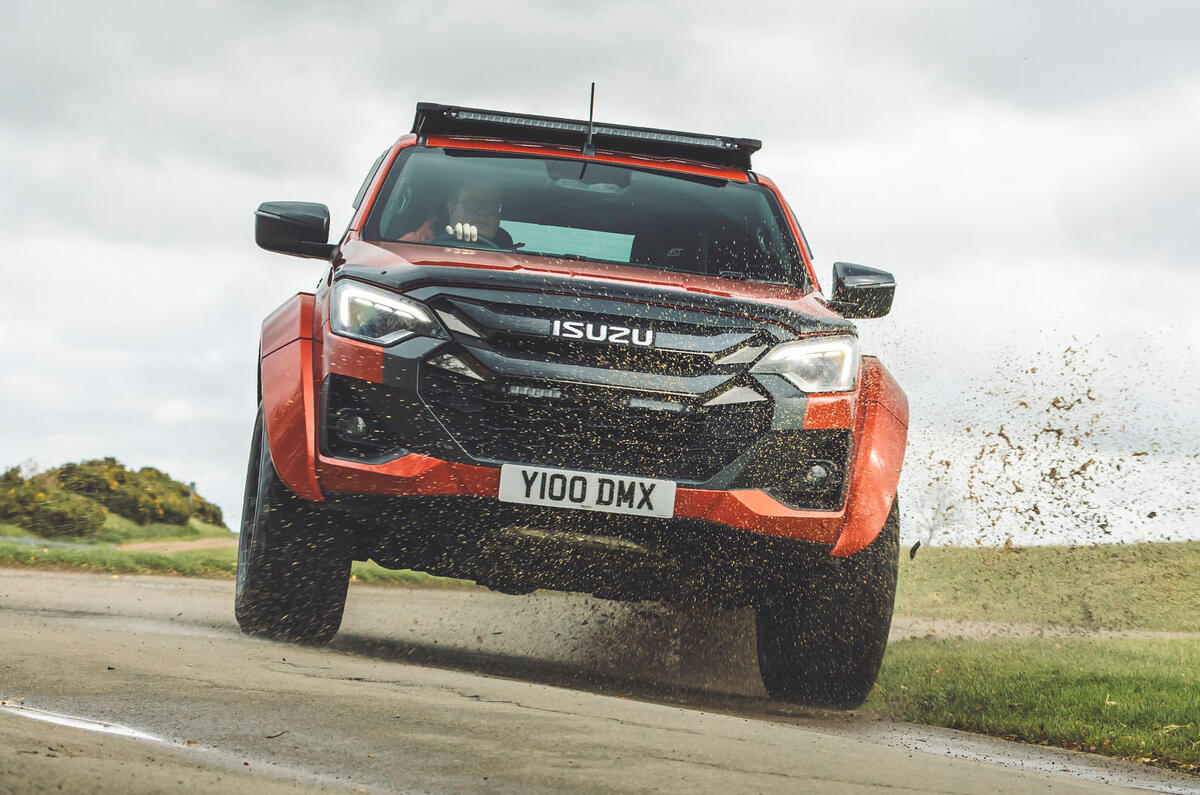
On MIRA’s wet handling circuit, then, the AT35 made a surprisingly adjustable low-speed drift car, and would most likely do similar in a wet, empty car park. Which doesn’t mean, of course, that it would lack grip or control on mud or snow – just that those tyres are intended for loose, rather than sealed, low-grip surfaces.

Offroad - 4.5 stars

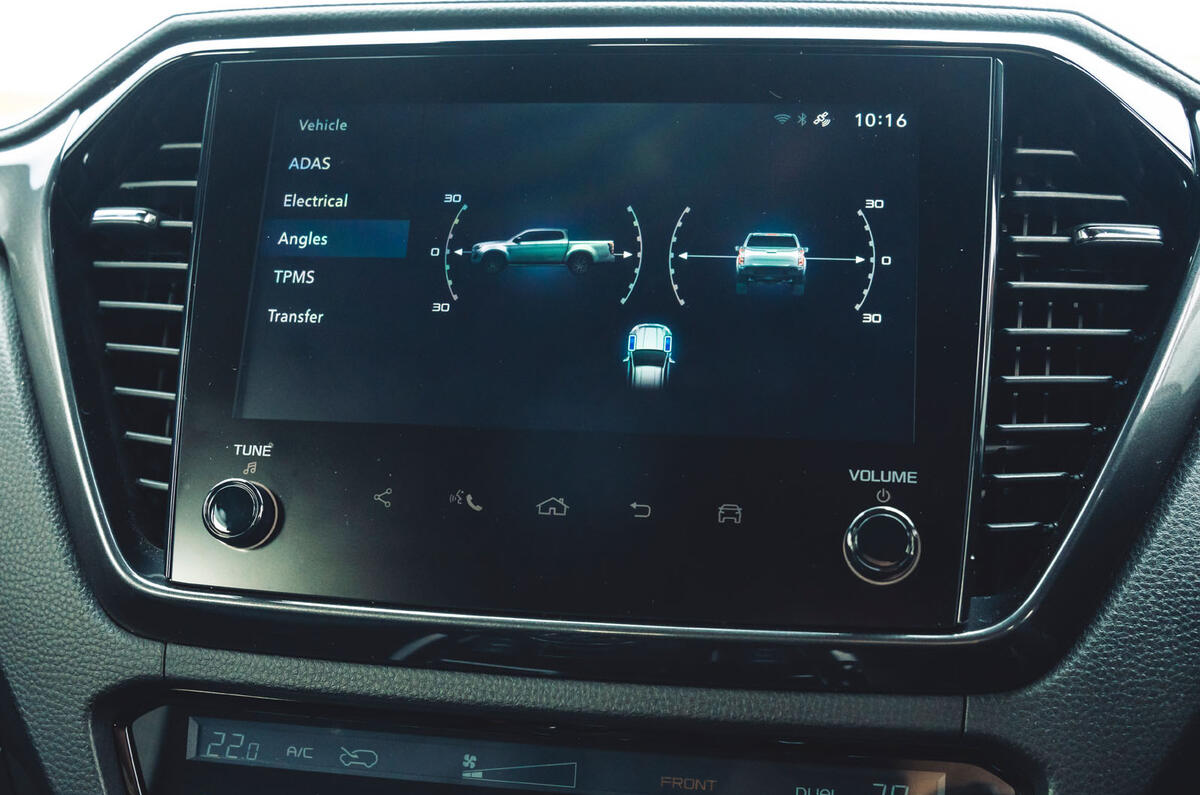
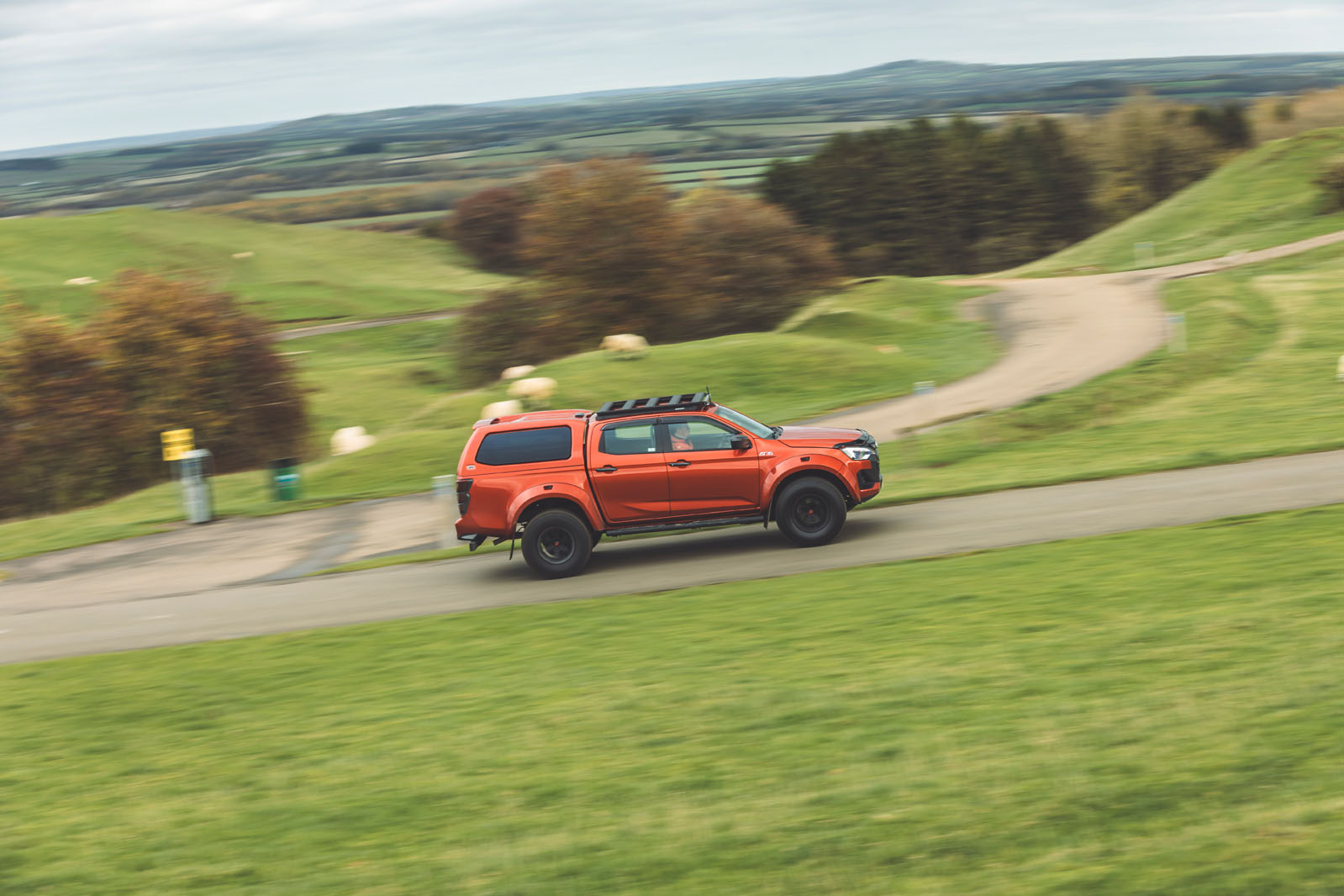
Arctic Trucks’ suspension makeover turns the D-Max into a vehicle with a ground clearance of 266mm, and both approach and breakover angles well in advance of 30deg. It is still a pick-up, however; so retains a relatively long rear overhang and a departure ramp angle of just 22deg. Because it has leaf springs at the rear, the AT35 also can’t rival a coil-sprung 4x4 for outright axle articulation (though the ladder-frame chassis, which can itself twist to help keep wheels on the ground, will help to compensate for this at least a little).

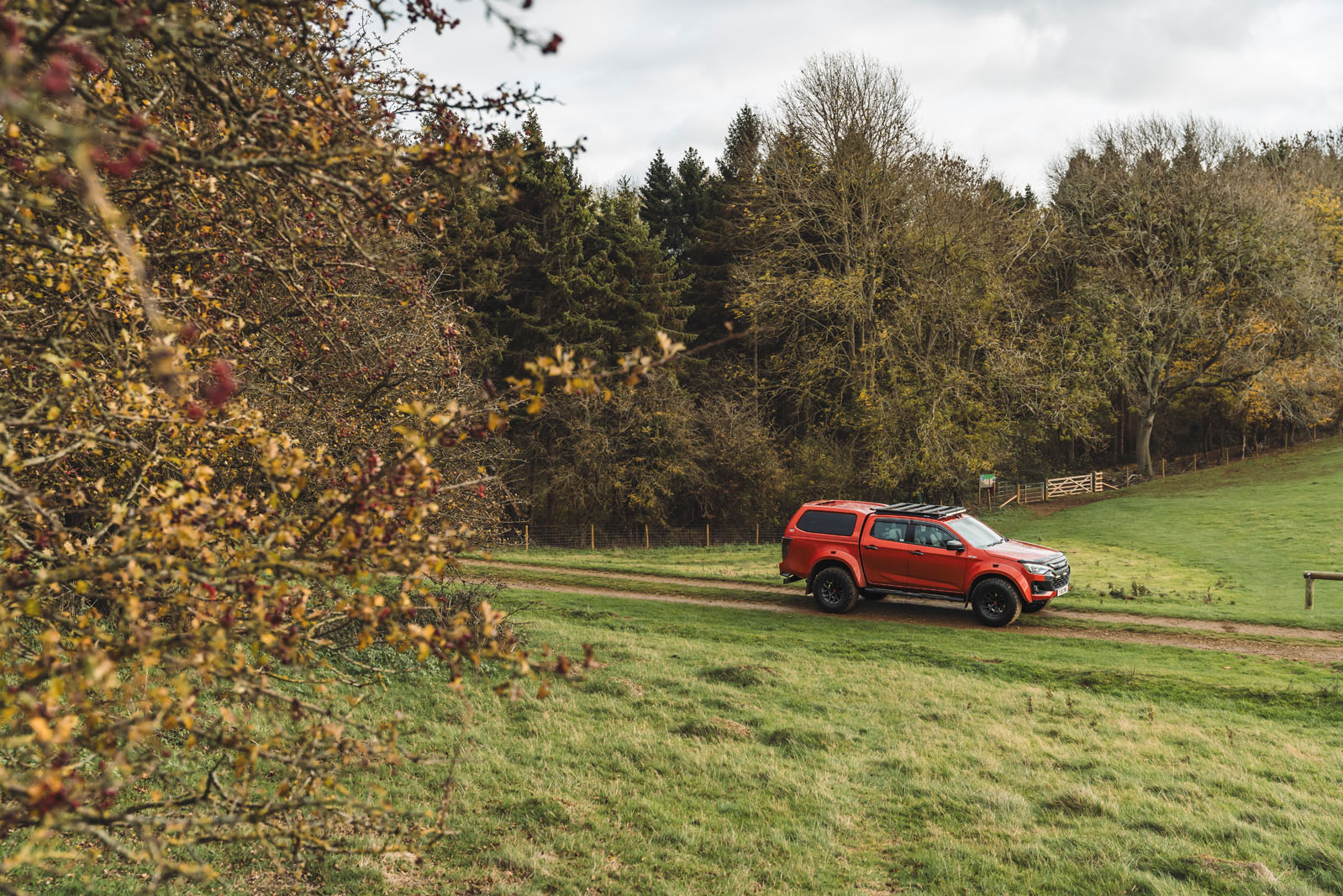
Over the moguls, inclines, descents and traverses of MIRA’s offroad track, however, the D-Max was almost entirely untroubled. You have to engage the low-range transmission ratio to lock the rear differential, which also reprograms the traction control for off -road running. But doing so feels like overkill even over terrain that would test most SUVs, simply because the all-terrain tyres just grip and drive so effectively, and deal with mud, grass and gravel like it’s nothing. 

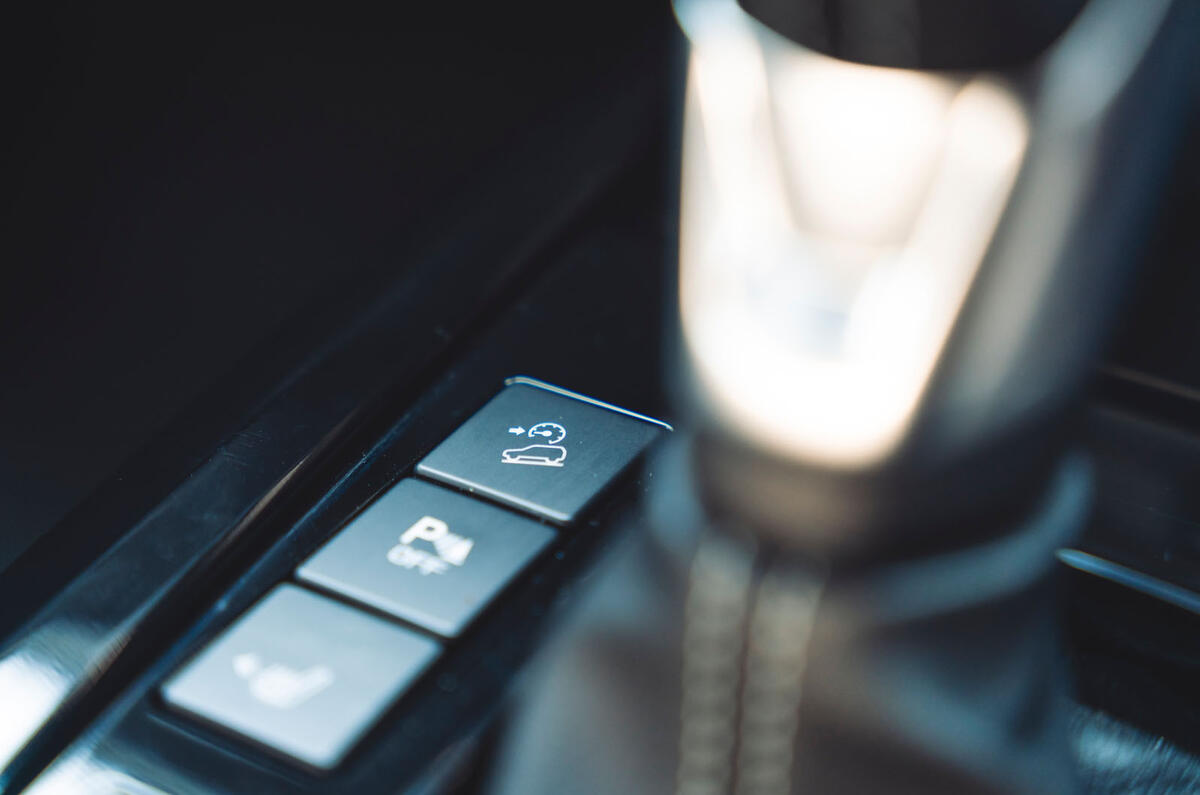
At no point around the track did the AT35 ground, or seem to come close to doing so. Nor did it once rely on its underbody protection to slide over a crest or obstacle. The controls make it easy to maintain steady slow progress when you need to, or to wind force into the car’s transmission to help claw your way slowly up a steep muddy incline. Both hill descent control and a low-speed offroad cruise control are included and work well.

MPG & RUNNING COSTS

6
Isuzu D MAX AT35 Arctic Trucks=review 2025 001

The D-Max AT35’s VAT-inclusive price of nearly £70,000 may come as something of a shock. Assuming you’re paying the VAT, that makes it more expensive than a Ford Ranger Raptor V6, a top-of-the-line Volkswagen Amarok and even an Ineos Grenadier Quartermaster.

Or, at least, it would. The vital thing to remember here is that the Isuzu retains that one-tonne payload capacity, and so is still a viable working commercial vehicle that could be bought, taxed and operated like any other – in a way that doesn’t quite apply to either the equivalent Ranger Raptor or Grenadier. 

A £60,000 business tool that can earn its keep is a different proposition to a private buy or weekend hobby car, needless to say. That doesn’t excuse the AT35’s various shortcomings, or make it any kind of value proposition; but it does explain why some small-business owners might be able to make a case for it, and not for some of its rivals.

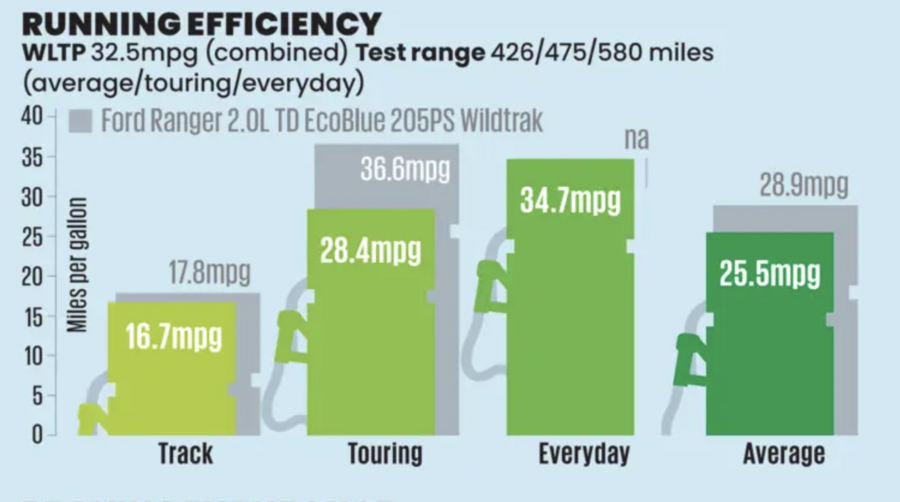
And just how many of those small-business owners might be running it on red diesel? We wouldn’t dare to speculate, except to observe that, having averaged only just above 25mpg during our testing, this car clearly showed itself surprisingly thirsty for a four-cylinder diesel pick-up. 

That’s a lot to do with how hard you have to stoke that engine to get any kind of assertive performance out of the AT35. It is, at least, an engine that doesn’t seem to mind.

VERDICT

6
Isuzu D MAX AT35 Arctic Trucks=review 2025 034

This Isuzu is a highly unusual ‘halo’ model. It feels half-finished in some ways, deserving a much better engine and gearbox; and it’s very expensive, however you justify it. It’s specialised almost to the point of obscurity, with talents so particular that you could easily drive one every day for a year and be none the wiser why it had cost you so much.

As vehicles go, it seems utterly indifferent – as if it doesn’t care whether you like it or not. Instead of darting, gargling or dancing for your approval, it wants to work; to be tested. Punished, dare we say.

Show it a corner and it’s broadly impassive. Thrash it along a dual carriageway and it feels utterly uninterested. But bounce it up a rocky slope or across a muddy field and it is in its element.

While it’s doing that, funnily enough – though perhaps only then – it’s damn hard not to like.

Matt Saunders

Matt Saunders Autocar
Title: Road test editor

As Autocar’s chief car tester and reviewer, it’s Matt’s job to ensure the quality, objectivity, relevance and rigour of the entirety of Autocar’s reviews output, as well contributing a great many detailed road tests, group tests and drive reviews himself.

Matt has been an Autocar staffer since the autumn of 2003, and has been lucky enough to work alongside some of the magazine’s best-known writers and contributors over that time. He served as staff writer, features editor, assistant editor and digital editor, before joining the road test desk in 2011.

Since then he’s driven, measured, lap-timed, figured, and reported on cars as varied as the Bugatti Veyron, Rolls-Royce PhantomTesla RoadsterAriel Hipercar, Tata Nano, McLaren SennaRenault Twizy and Toyota Mirai. Among his wider personal highlights of the job have been covering Sebastien Loeb’s record-breaking run at Pikes Peak in 2013; doing 190mph on derestricted German autobahn in a Brabus Rocket; and driving McLaren’s legendary ‘XP5’ F1 prototype. His own car is a trusty Mazda CX-5.