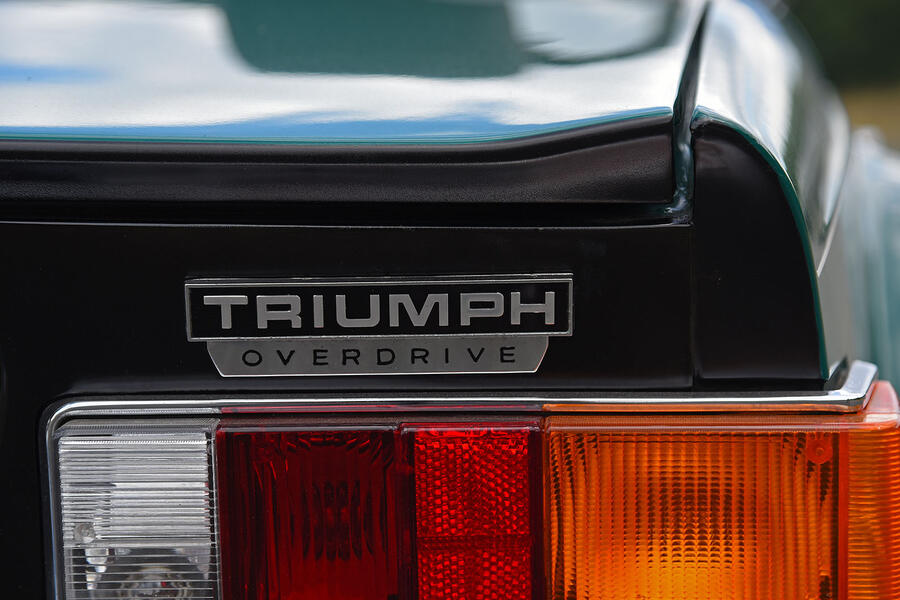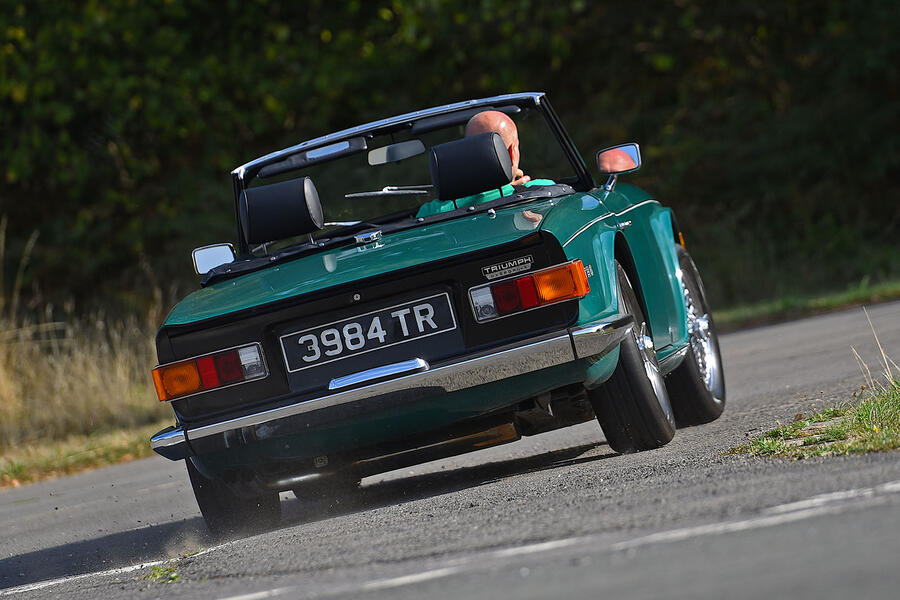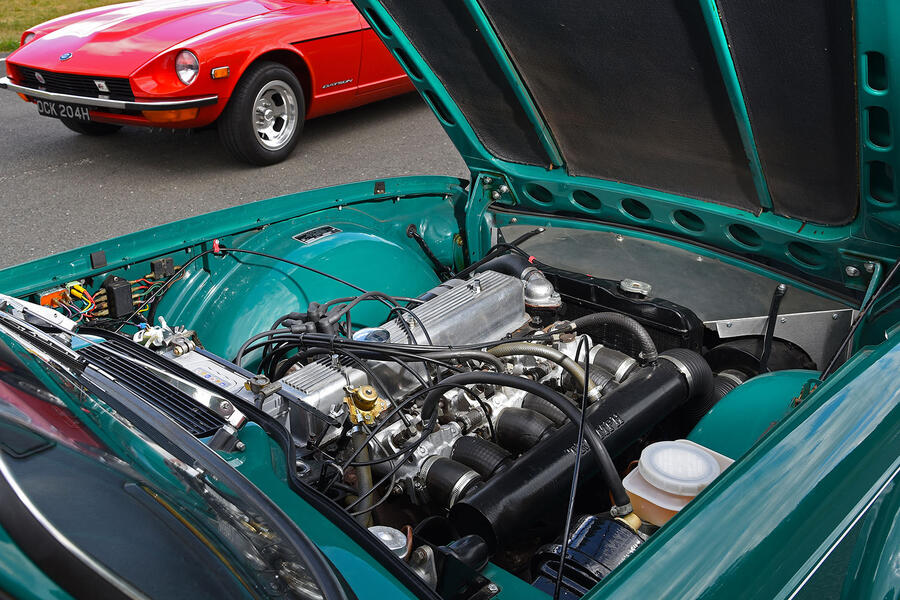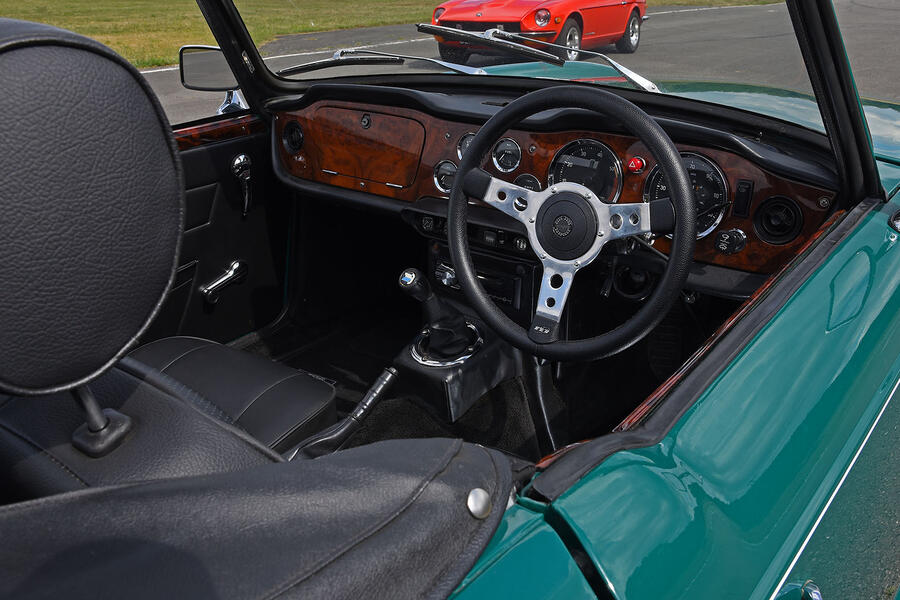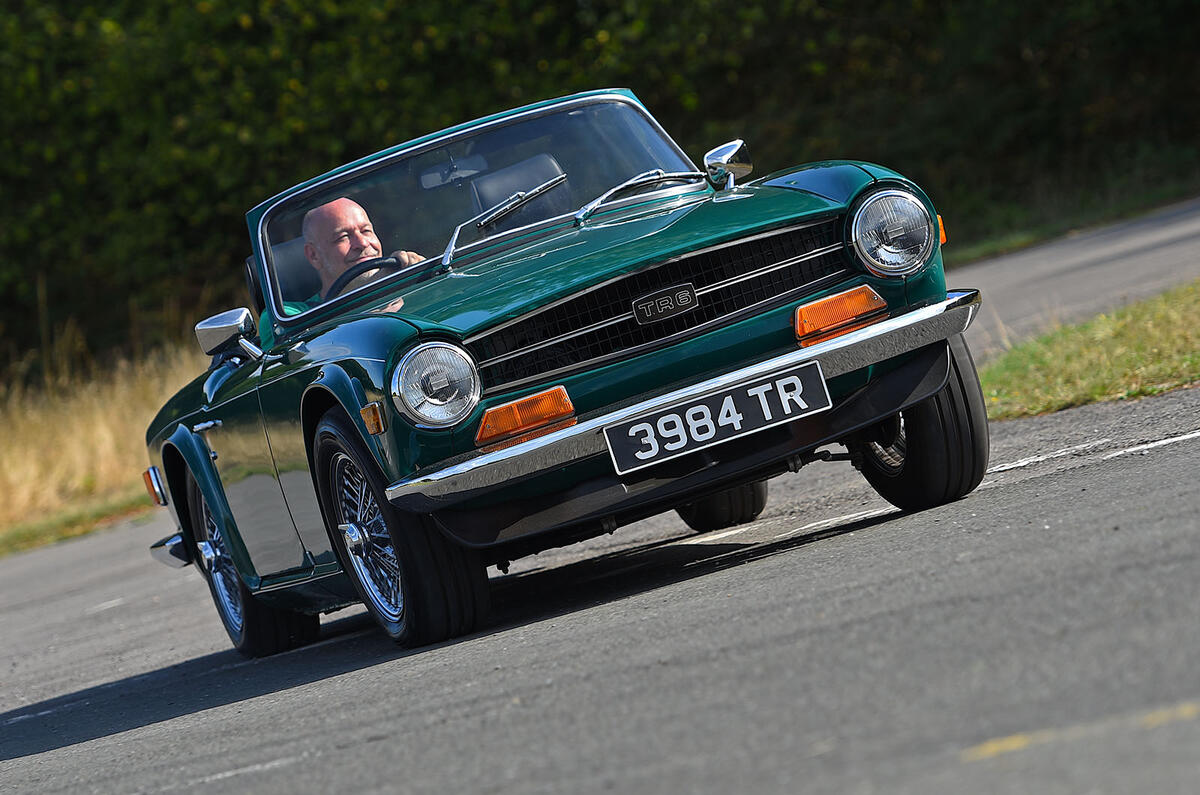
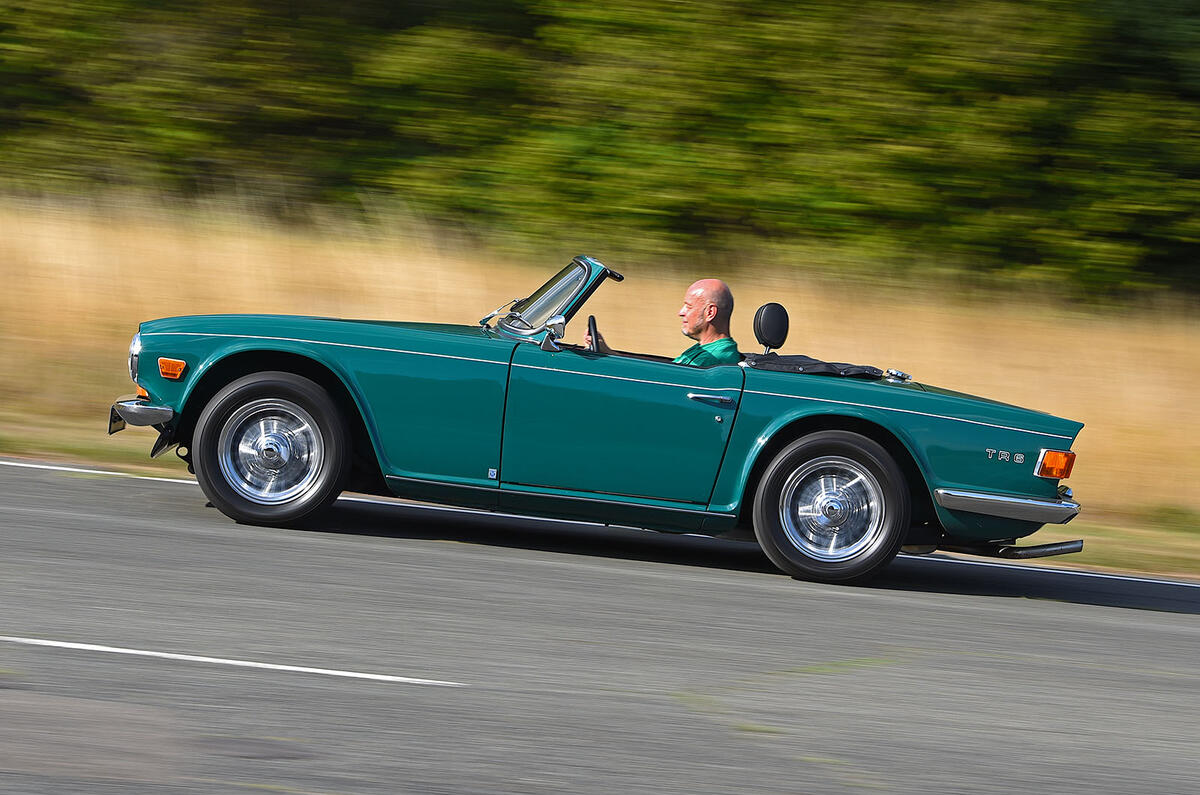
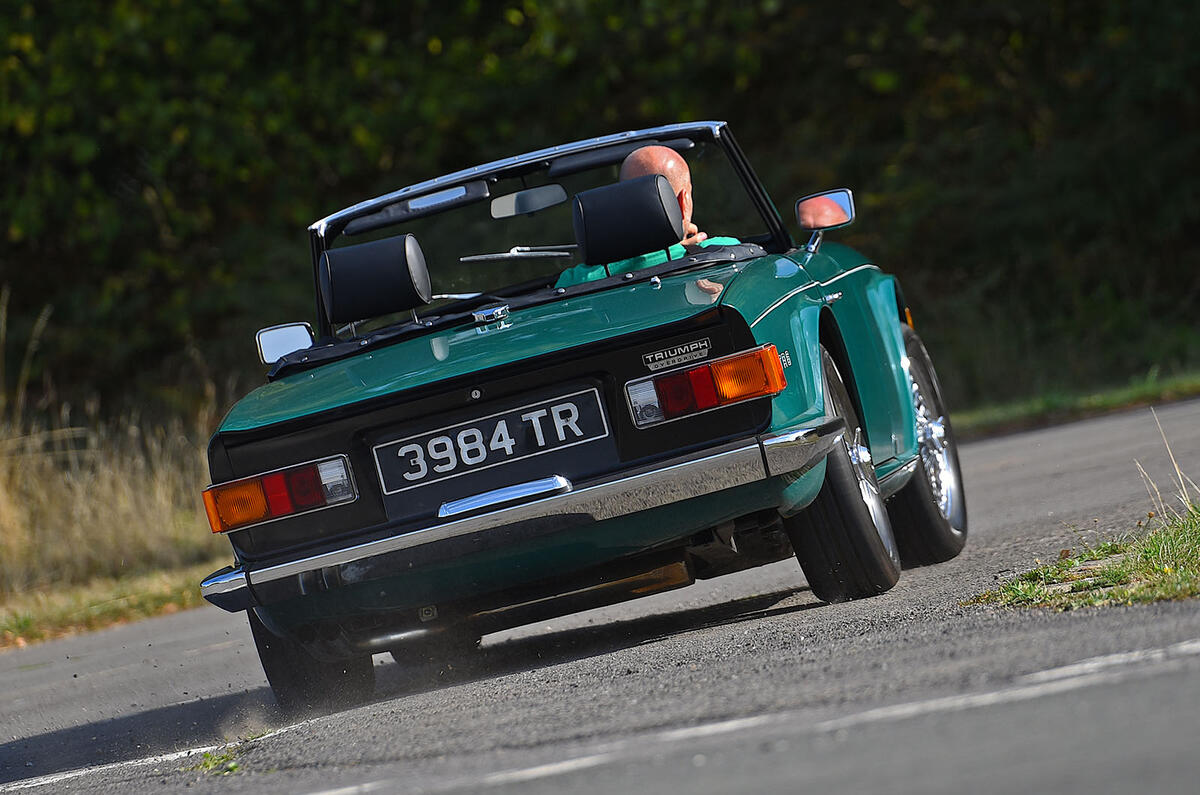
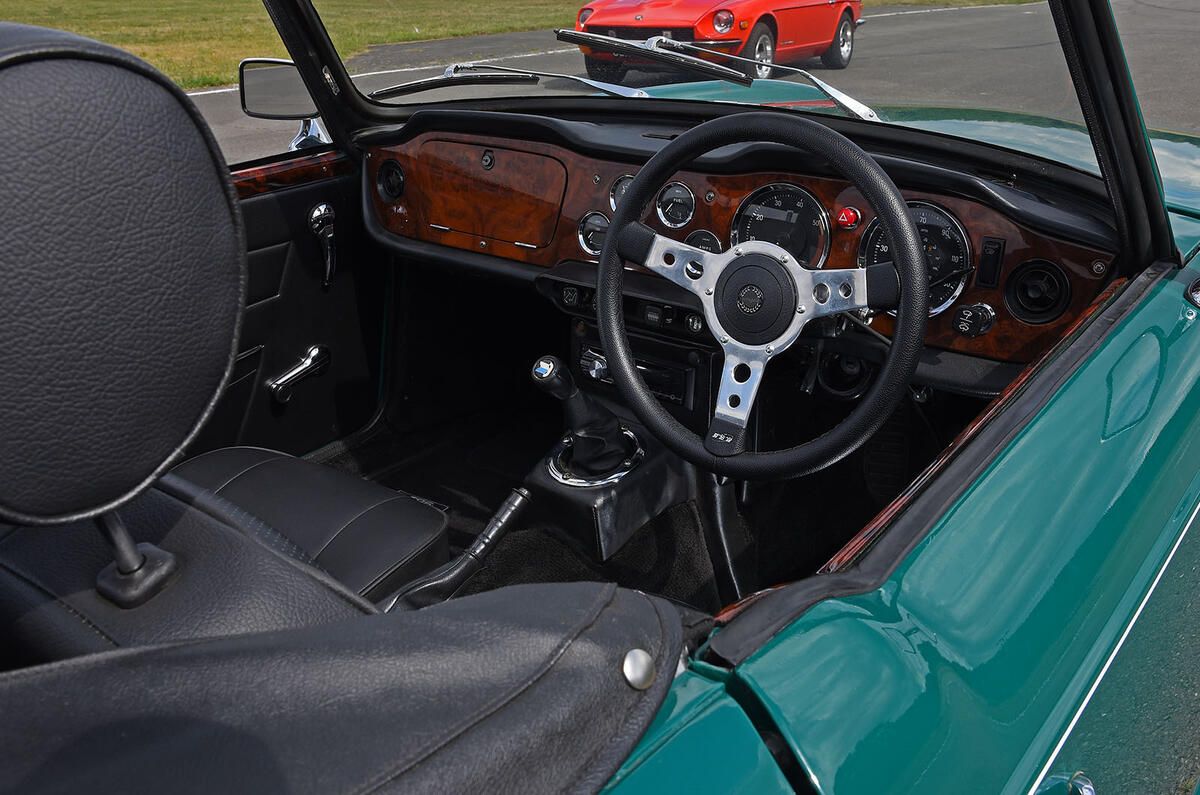
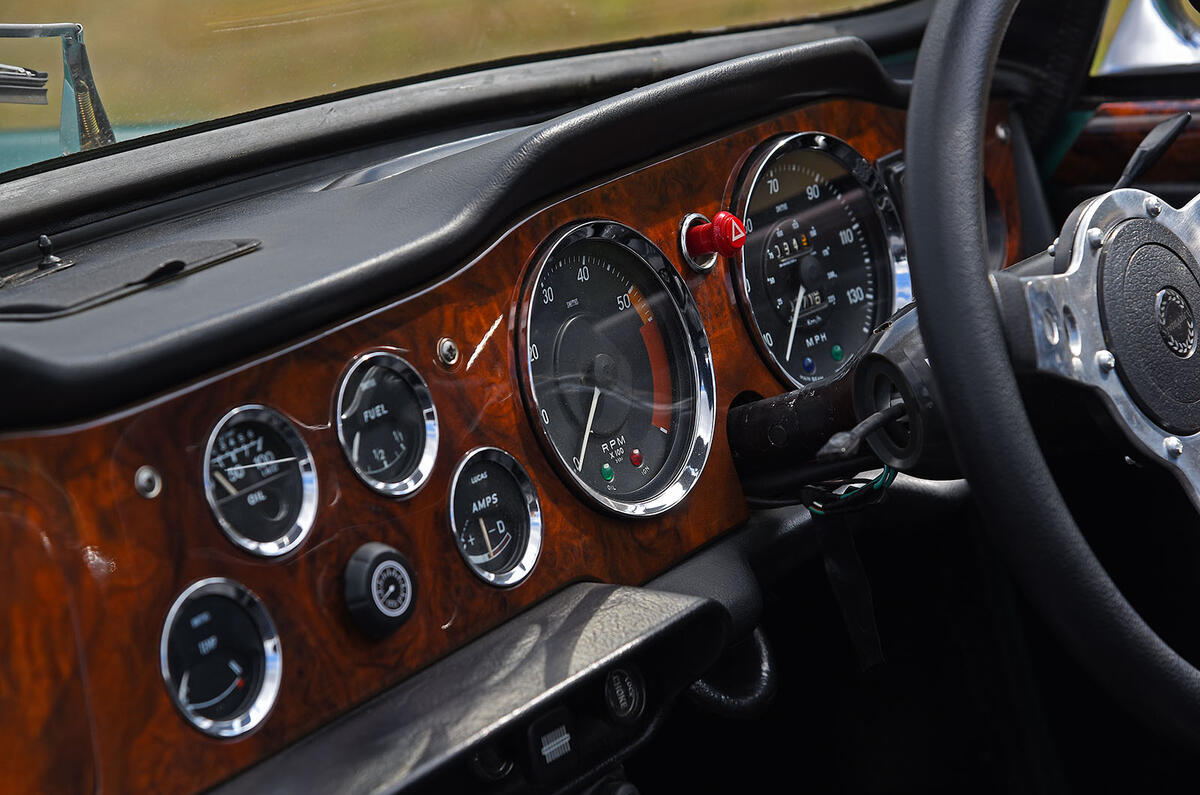
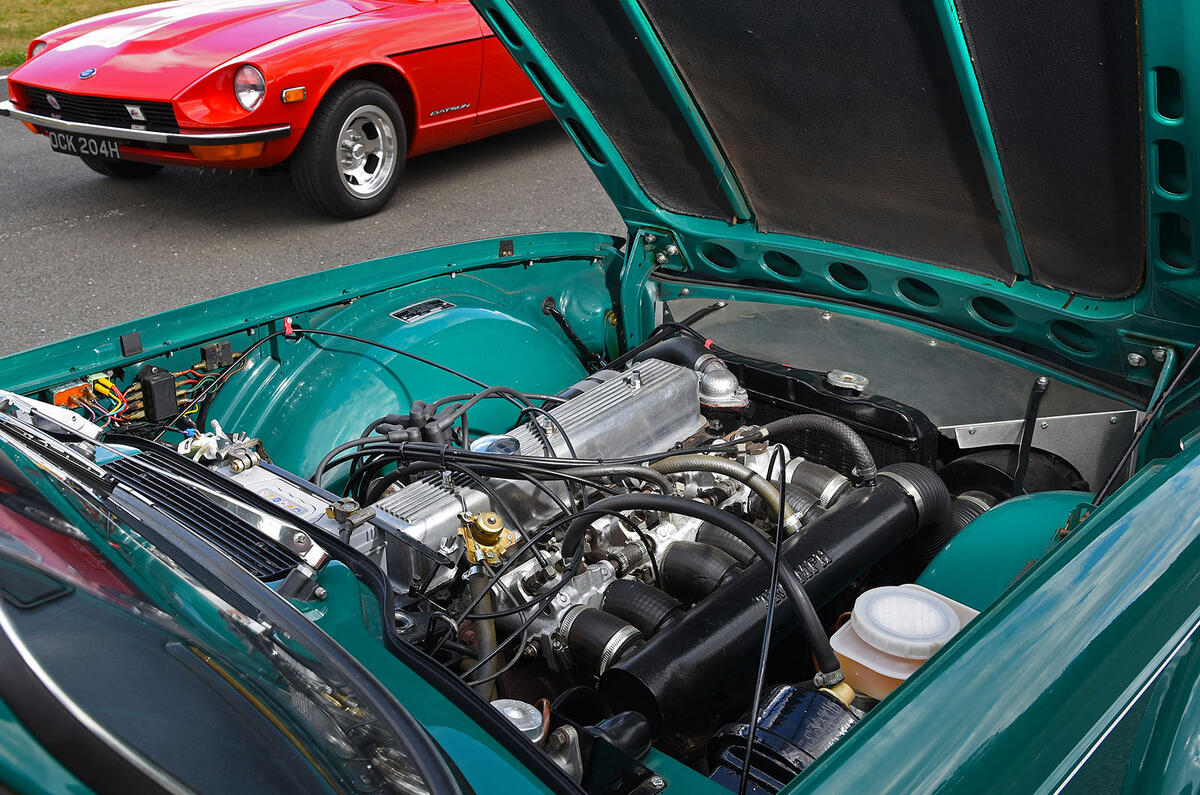
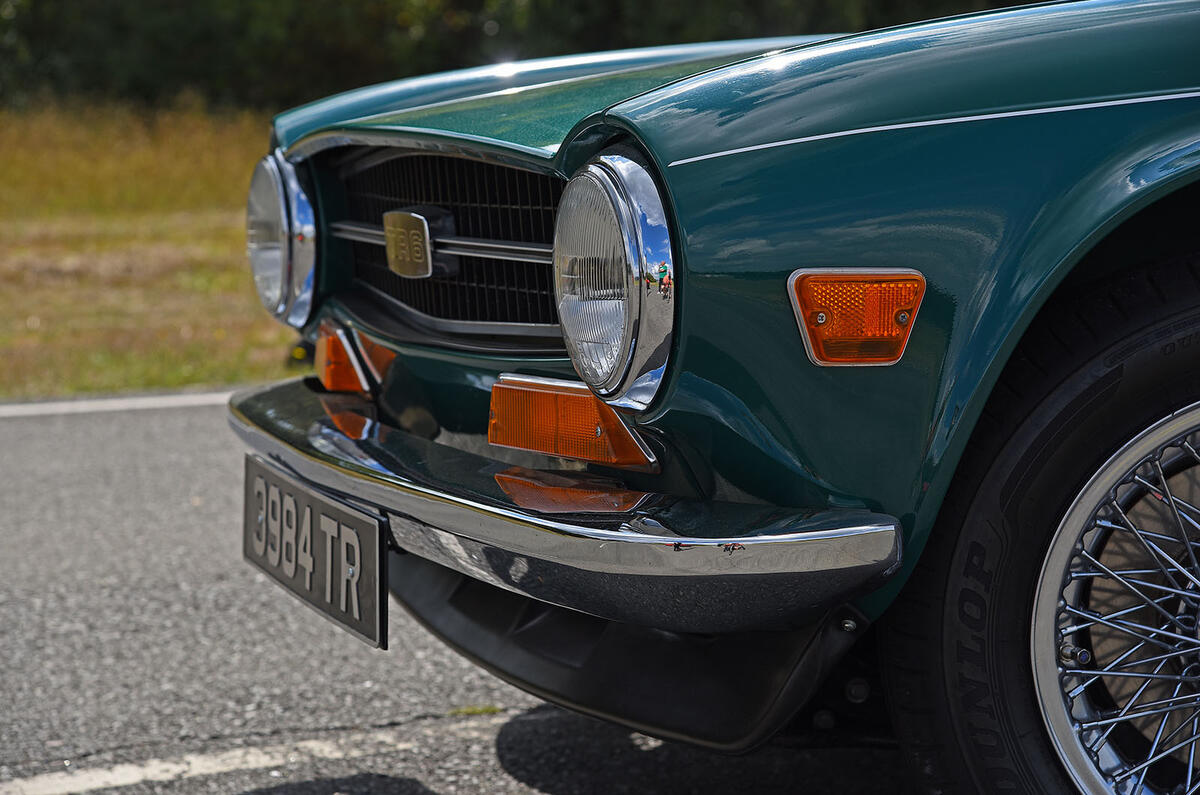
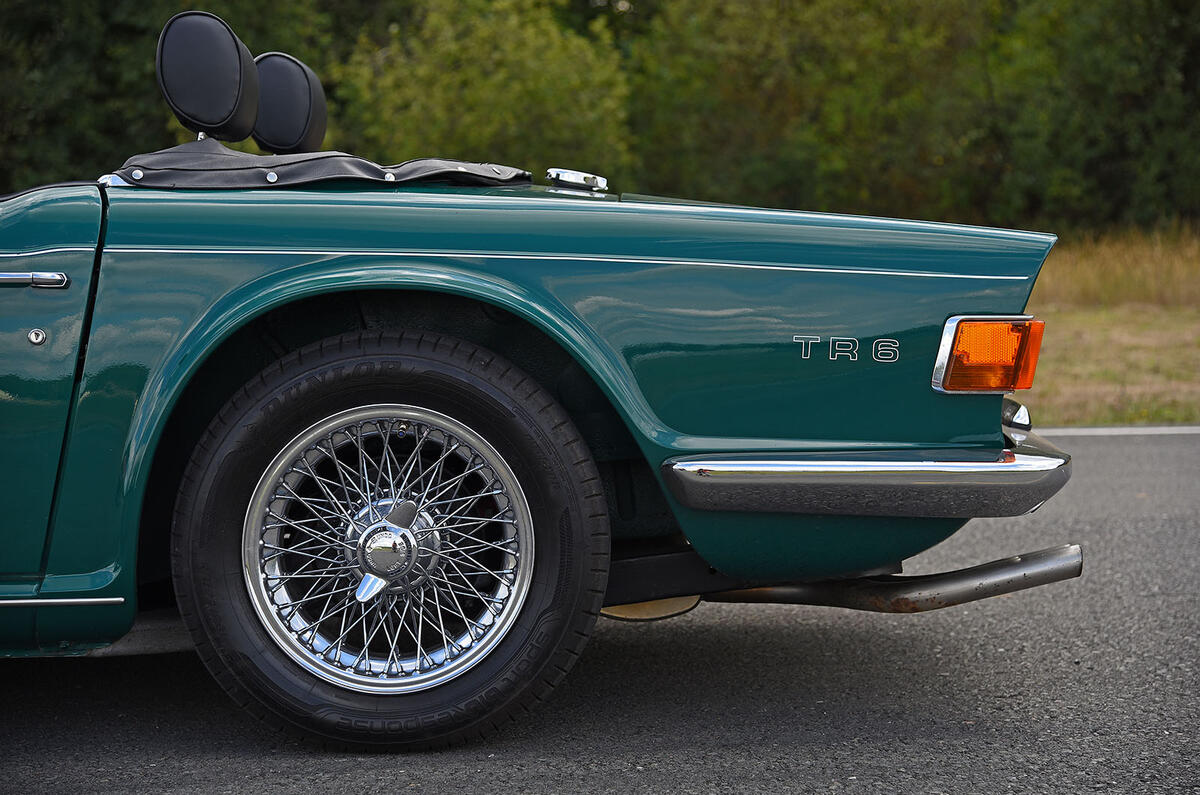
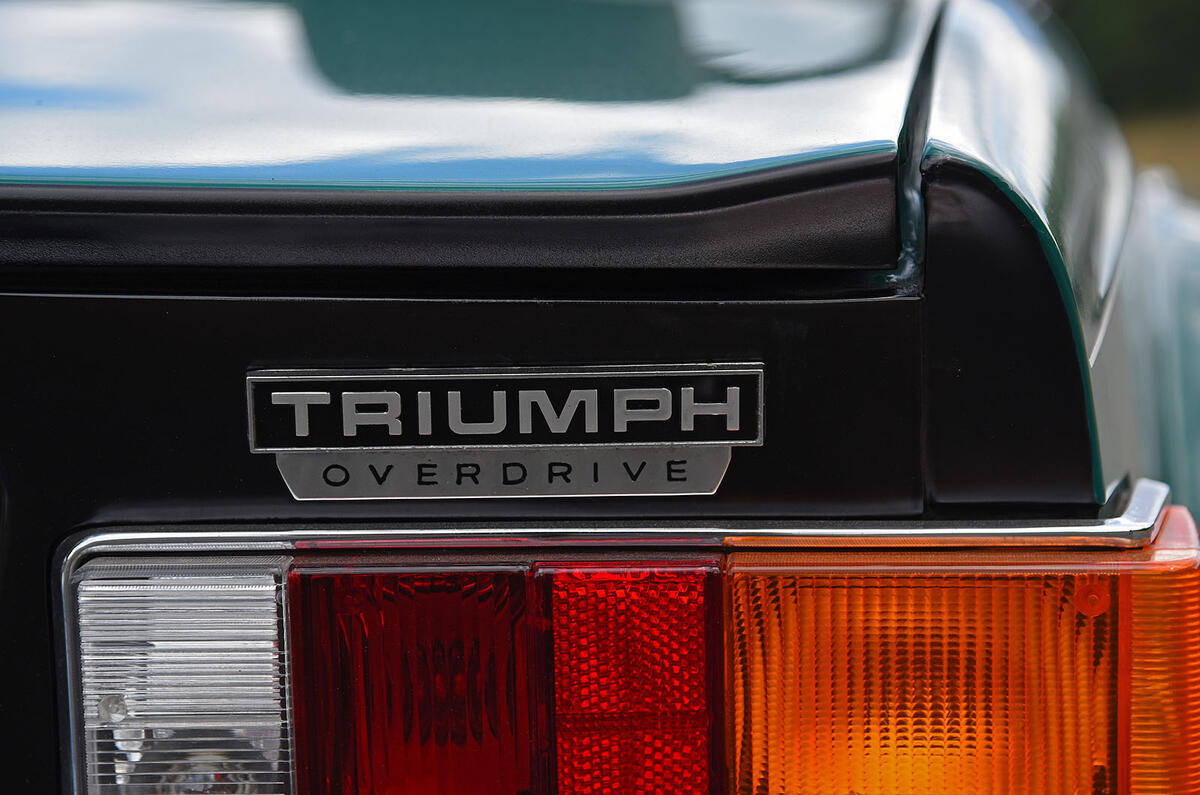
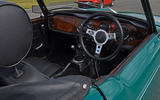
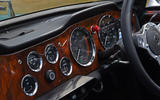
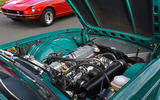
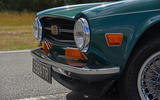
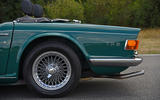
Spring has sprung. Bring on the sunshine and warmth. In other words, Triumph TR6 weather.
In the coming months, many of these British drop-tops will once again be brought out of hibernation, putting a smile on the faces of drivers and onlookers alike.
I mention onlookers because the TR6’s 2.5-litre straight six plays a tremendous tune for everyone in its vicinity to enjoy. With such a soundtrack, outright performance almost becomes an afterthought.
Read more: Triumph TR2 returns as lightweight electric sports car
That said, you get 150bhp to play with in pre-1973 cars or 125bhp in those built after, these later TR6s having been detuned to meet stricter emissions regulations.
This is a car that enthusiasts buy for its image and character. It exudes charm, from its suave styling to its four-speed manual gearshift.
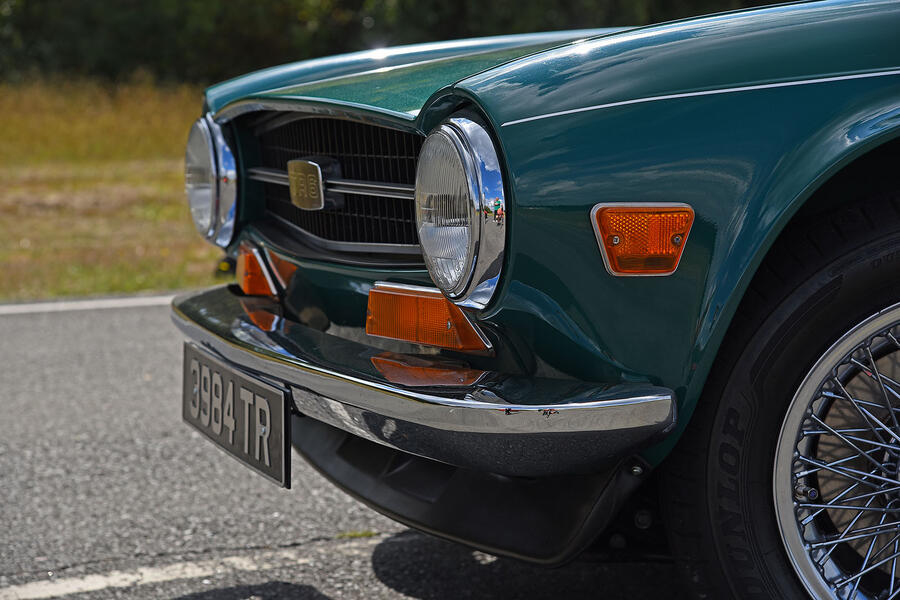
And, of course, there’s its wind-in-your-hair offering. Get it on a picturesque country road and you will be experiencing the TR6 in its element. Then, when you get peckish, it’s the sort of machine that you park outside a pub and gaze at while eating your ham, egg and chips. In short, a classic that you will be itching to use, particularly on a good day.
Is the TR6 guaranteed to be a trouble-free daily driver? It’s an old British sports car, so of course not, although fortunately parts are almost MGB levels of available.
It’s a fairly simple car to work on as well, meaning fixes don’t often prove frustrating enigmas. Coventry built a mountain of TR6s during a production run that lasted from 1968 to 1976. Most went abroad, though: Britain retained just 8370, while a whopping 83,480 were loaded onto ships, most of them bound for America.
After the TR5’s Italian design (Michelotti), Triumph turned to Germany (Karmann) for the TR6’s exterior styling. As a result, although it carries over much of its predecessor’s parts, including the chassis, engine, doors and windscreen, it has its own distinctive look.
What’s more, you can find cars with a steel hard-top, which you will need your passenger’s help to remove, rather than the still very laborious fabric hood.