Currently reading: We test Peugeot's new Hypersquare steering system

New system was previewed on radical Polygon concept and is expected to feature first on new 208 in 2027

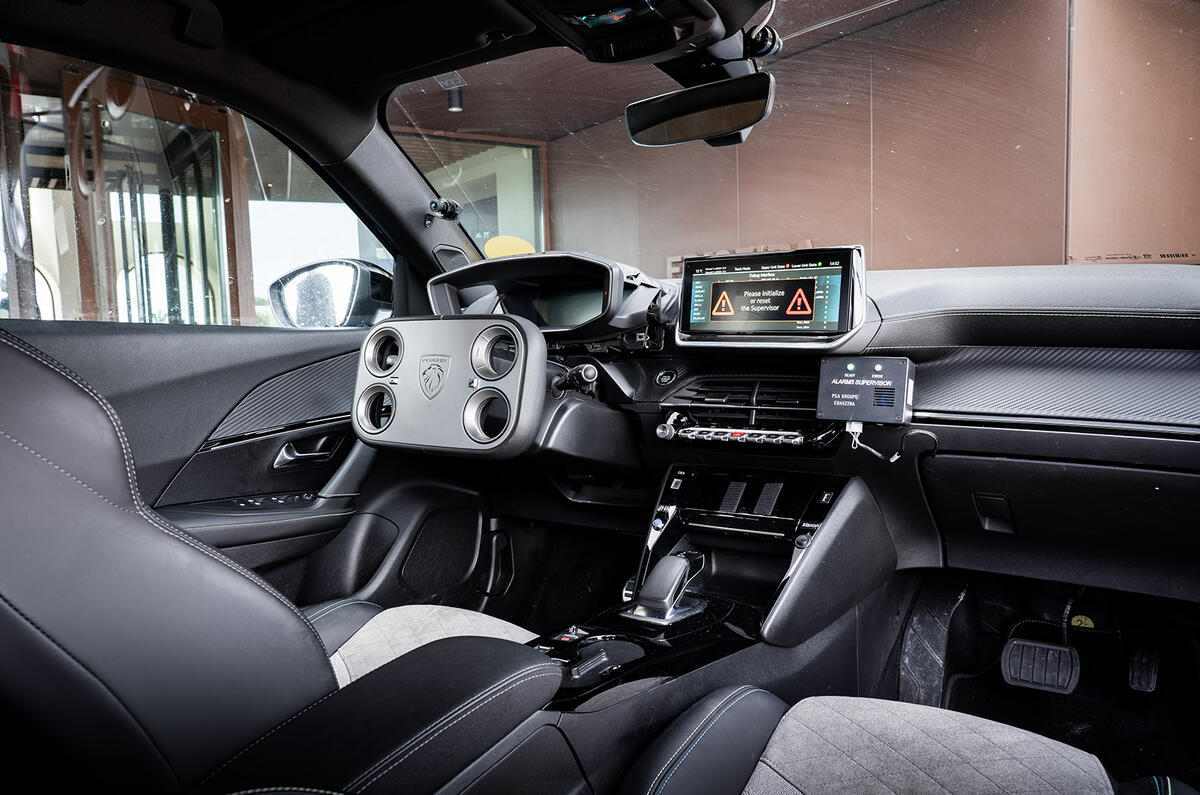
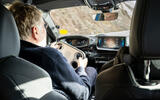
The Monaco grand prix circuit is a heck of a place to choose for your first drive of an unfamiliar prototype that introduces a revolutionary by-wire steering system and a rectangular steering ‘wheel’.

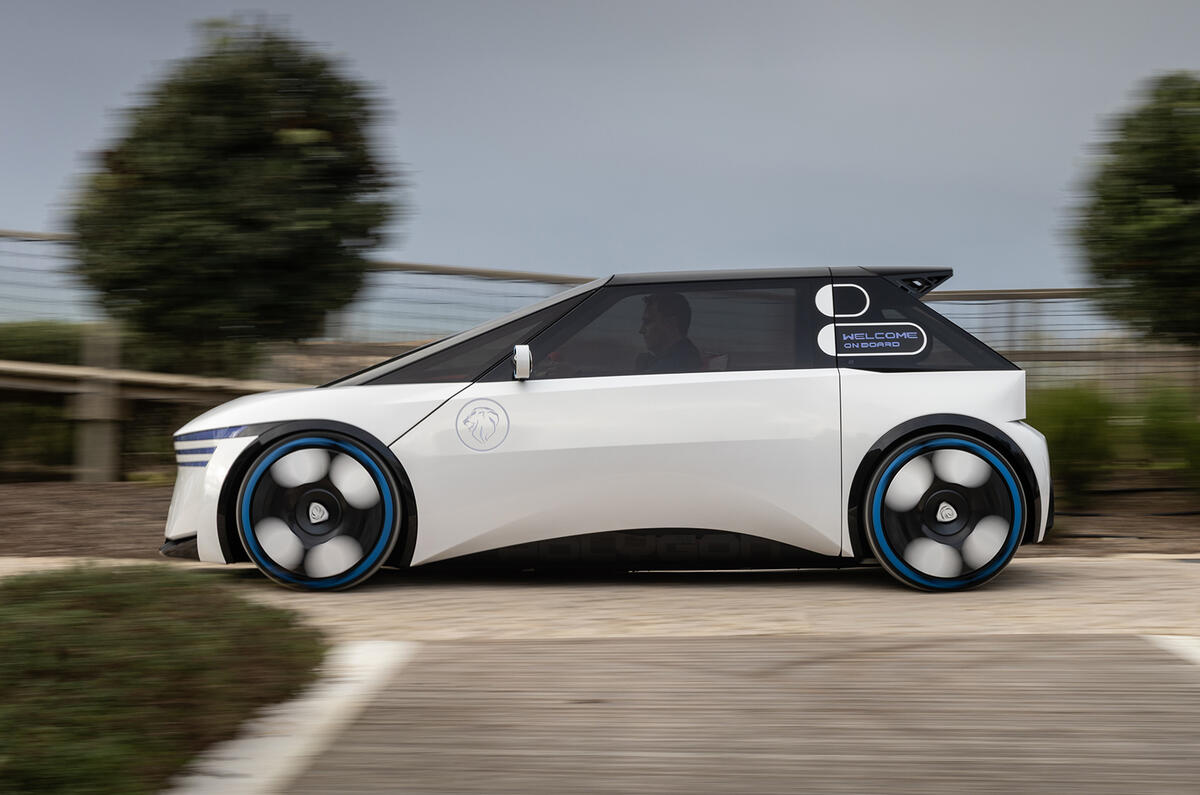
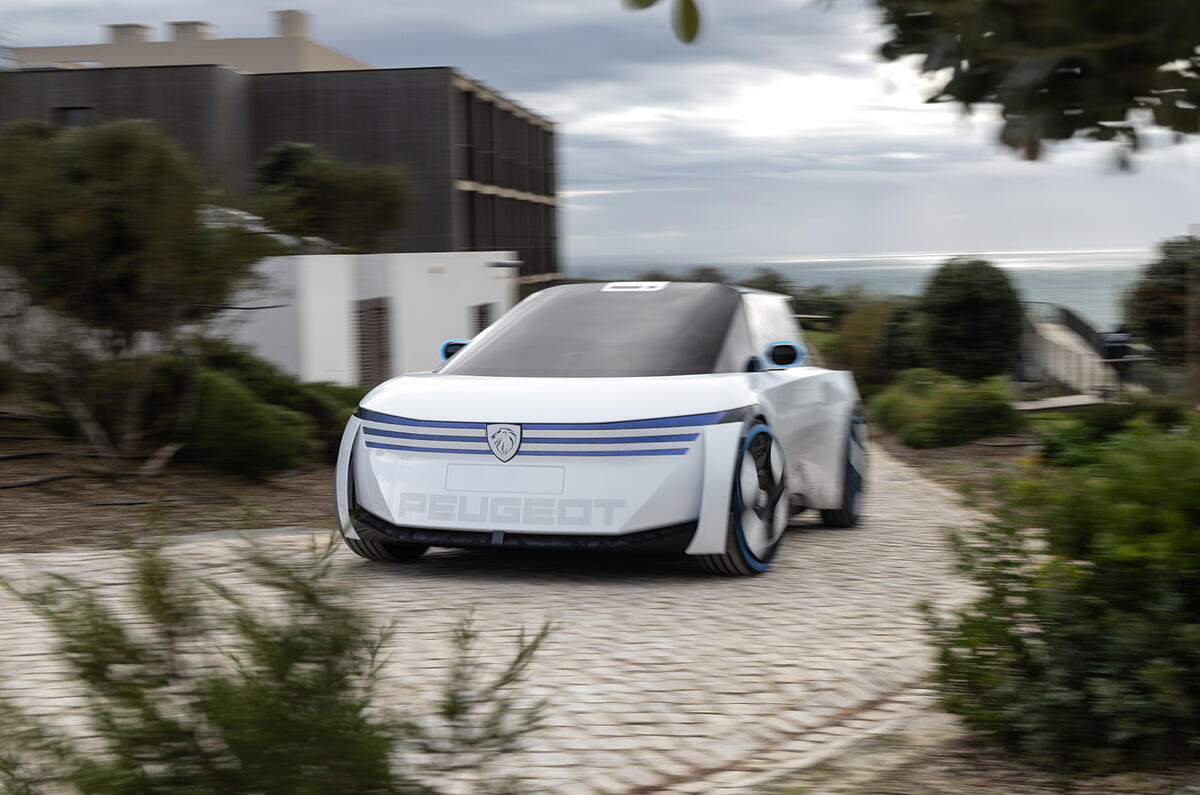
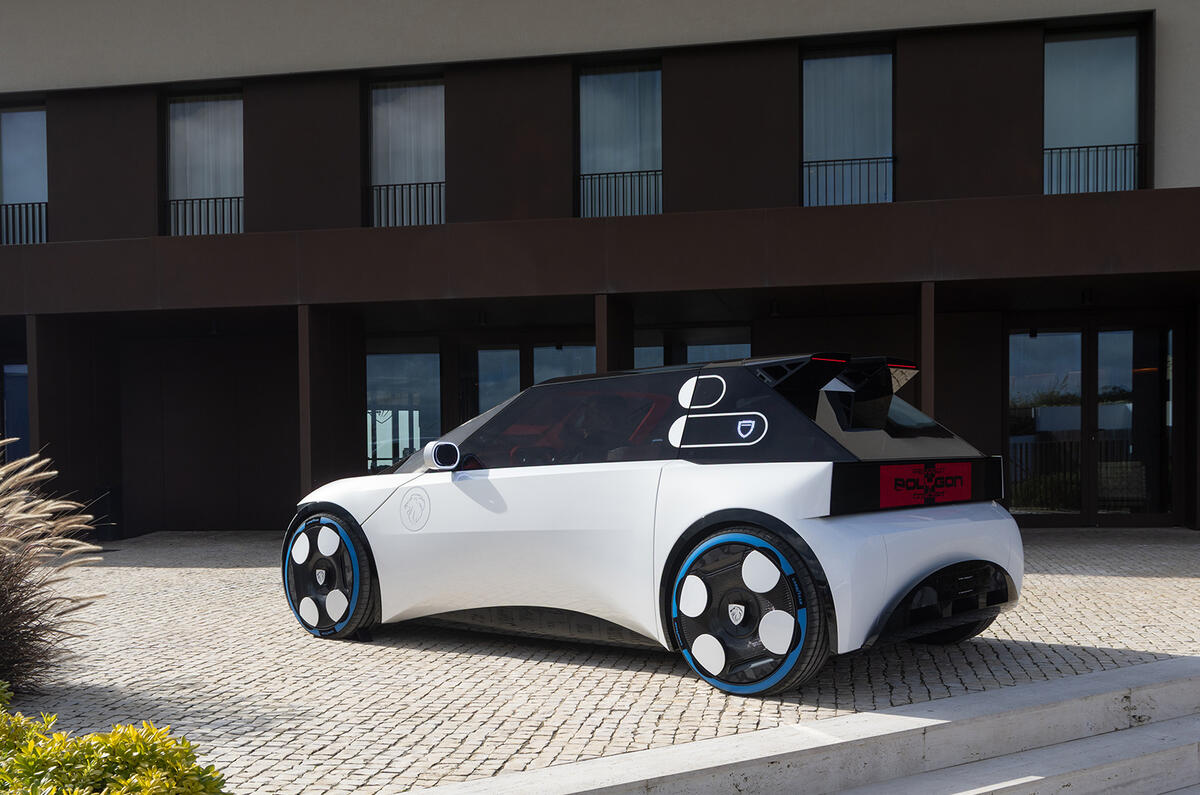
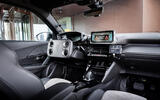
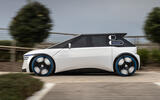
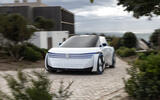
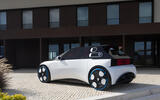
Peugeot’s brand new Hypersquare steering system was previewed by the radical new Polygon concept that was revealed last week. The system, likely to be offered as an option on most models of the forthcoming new 208 for 2027, is the next step beyond the i-Cockpit design the firm introduced 13 years ago. That consisted of a then-rare small-diameter steering wheel, set low in a new-design fascia so the instruments were viewed over the wheel rather than through it. 

Company bosses claim big success for the i-Cockpit, having sold 13 million so-equipped cars since it first appeared in the 208. They also point to the fact that the 308, another popular i-Cockpit car, currently attracts 73% repeat business. 

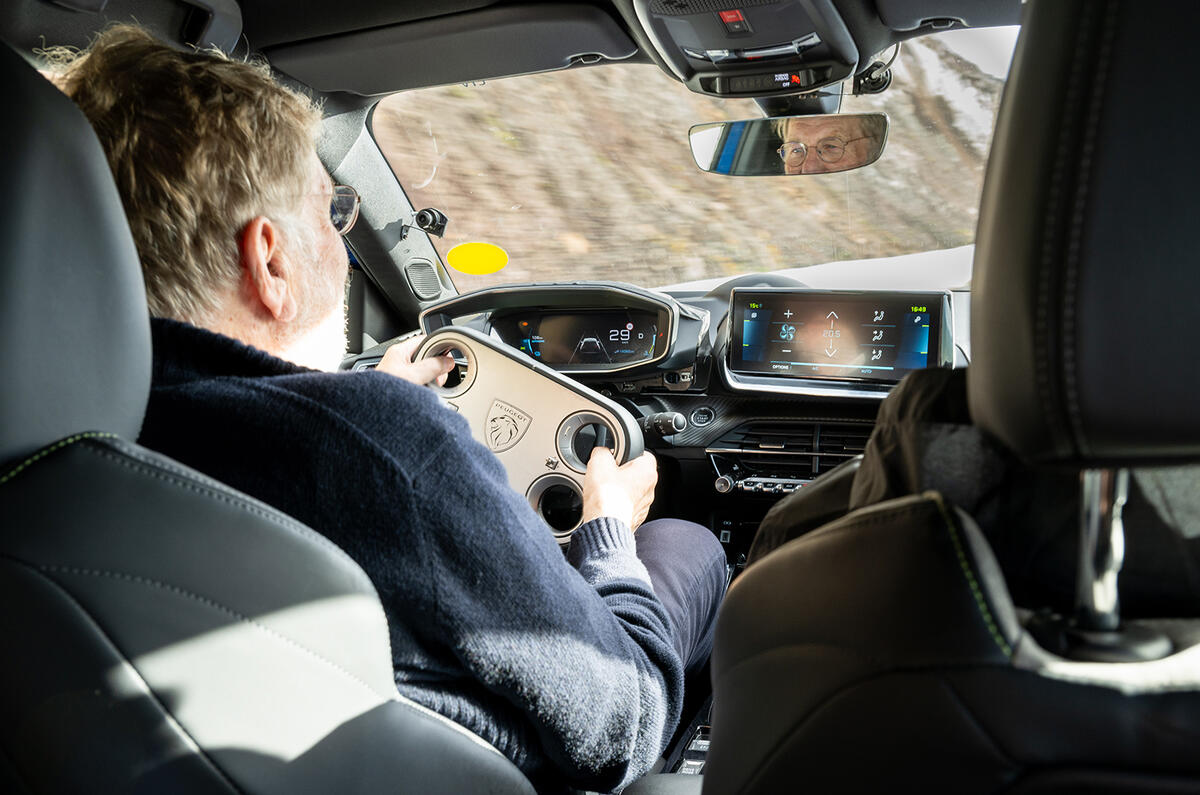
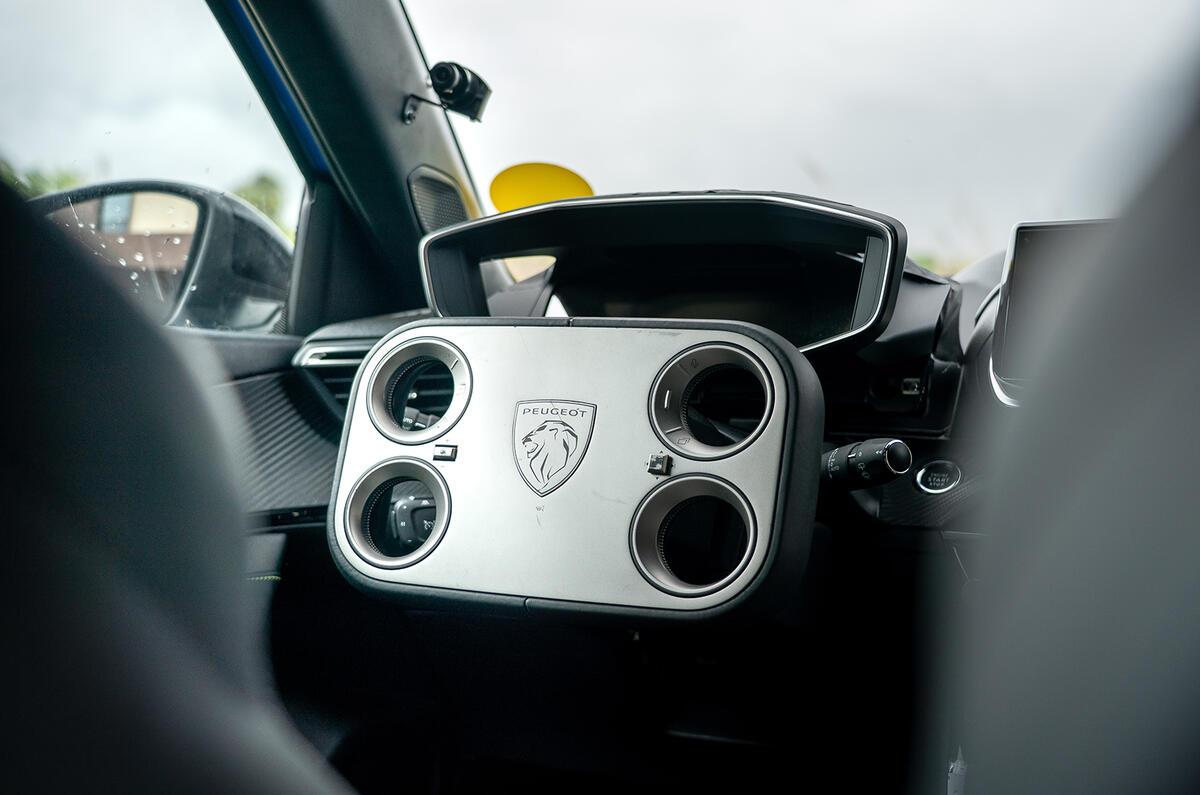
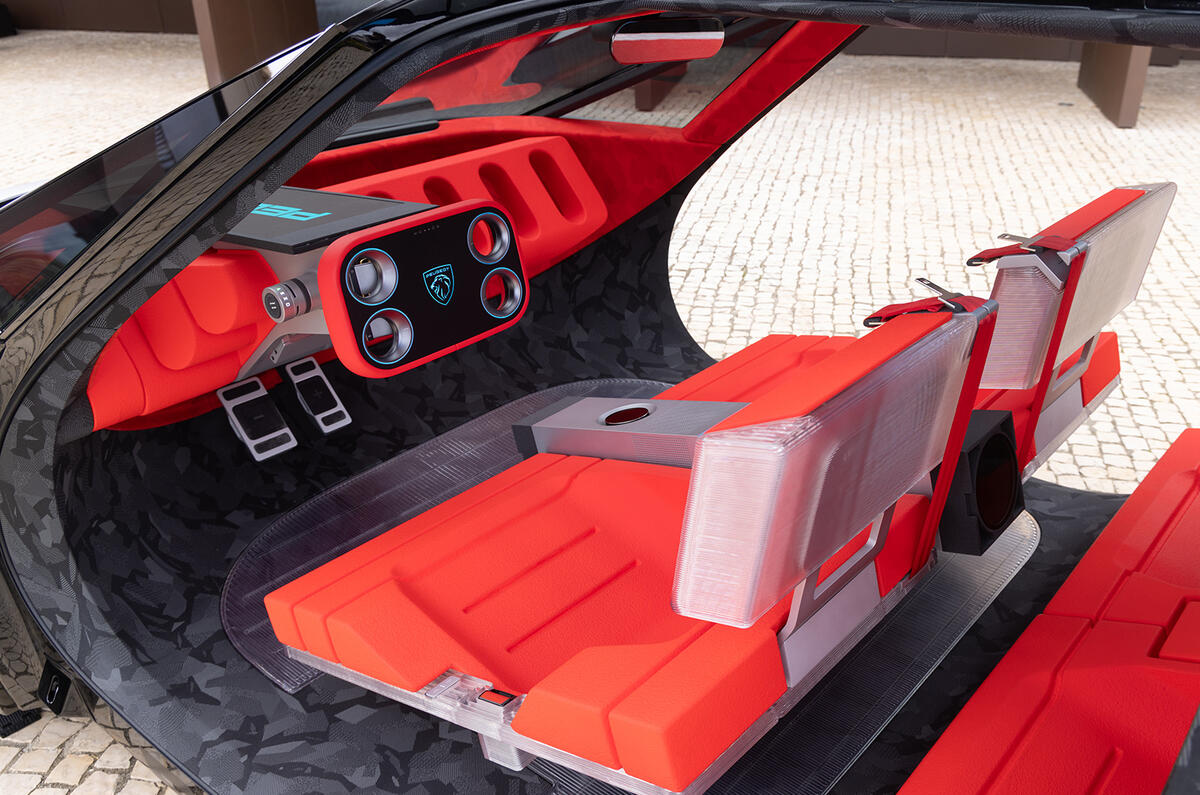
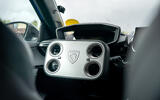
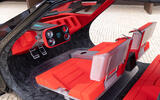
Driving with Hypersquare is a fascinating experience, conventional and revolutionary by turns. Your fingers curl comfortably around an odd-looking, fairly thick, unusually shaped ‘wheel’ with four fist-sized holes set into it, each containing normal fascia switchgear worked by touch. The theory is that you can work nearly all of the car’s major functions without needing to remove your hands from the controls, Formula 1-style.


A post shared by Autocar (@autocar_official)


In essence, the steering offers a ratio that varies widely between a fairly typical 16:1 at speeds above 50mph but quickens as much as five times at low speeds to add remarkable agility when manoeuvring. Effort is a little heavier than in the current i-Cockpit to make the business of adding lock a bit more deliberate; this could, however, be changed before production.

My prototype drive proved, within a mile or two, that most drivers will acclimatise pretty quickly to Hypersquare’s USP of offering much more turning response than they’re used to at lower speeds and in sharper corners. Once you’re acclimatised, all the wheel-winding of a normal car feels a bit… silly. 

After a few miles in a Hypersquare-equipped 2008 prototype, I was left with the feeling of much-enhanced sportiness. Peugeot tech expert Arthur Megy, who has worked on this for seven years, reckons it’s “the future of driving pleasure”.

Back to top

It's excellent for reverse parking, too. You can steer the car into a tight space with no more than a quarter turn of lock in each direction. 

Two more things stand out. First, it takes a while to get used to the complete absence of road vibration, something you barely notice until it’s not there. Peugeot insists the system still has sufficient “road feel”, but we will need to drive more to prove it completely. Second is the change in the system’s gearing from crawl to above 50mph. The rate of change is still being tuned, Peugeot engineers say, but to me it felt reasonably natural, even if others demurred. At the end of a 20-minute drive, I felt I had settled into the car quite well and was already putting a high value on the low-speed agility. 

Peugeot is still deciding which new models will use Hypersquare, although new boss Alain Favey would like to make an option across the range. The pure-EV models are obvious candidates, but the new 208 will be a multi-power model and Megy says there’s no reason why Hypersquare couldn't be applied to them all.

Bosses see such obvious advantages from Hypersquare that they’re convinced other Stellantis group brands - and rival manufacturers - will soon want to adopt it. The important thing, they believe, is to keep progressing so that the brand is always at the forefront. Those who follow will be paying Peugeot a huge compliment.

Join our WhatsApp community and be the first to read about the latest news and reviews wowing the car world. Our community is the best, easiest and most direct place to tap into the minds of Autocar, and if you join you’ll also be treated to unique WhatsApp content. You can leave at any time after joining - check our full privacy policy here.

Steve Cropley

Steve Cropley Autocar
Title: Editor-in-chief

Steve Cropley is the oldest of Autocar’s editorial team, or the most experienced if you want to be polite about it. He joined over 30 years ago, and has driven many cars and interviewed many people in half a century in the business. 

Cropley, who regards himself as the magazine’s “long stop”, has seen many changes since Autocar was a print-only affair, but claims that in such a fast moving environment he has little appetite for looking back. 

He has been surprised and delighted by the generous reception afforded the My Week In Cars podcast he makes with long suffering colleague Matt Prior, and calls it the most enjoyable part of his working week.

Join the debate

Comments
13
Add a comment…
405line 17 November 2025

The Japanese had this set-up with a PlayStation type wheel to emphasise the new steering system, I see Peugeot have gone for the Austin Allegro "quartic" set-up to emphasise the new steering mechanism.

alessandro 17 November 2025

Ever-increasing complexity in solving problems no one perceived as such.More and more intermediation between driver and vehicle.Increasing doubts about reliability and (inevitably) rising costs.Are you sure that customers of a generalist car manufacturer really demand this?

LP in Brighton 17 November 2025
One question: why the need for any steering wheel movement at all? Surely the system could work using steering pressure alone, without the need for any actual movement. This would at least ensure that any minor controls on the wheel would remain fixed and therefore easier to use. I don’t see driver adaptation as being much of a problem. We humans are very adaptable creatures and so long as the system works progressively I think it would be easy to get used to. After all, as any motorcyclist will know, to negotiate a right hand corner it is necessary to apply pressure to the handlebars in the opposite direction to cause the cycle to lean into the corner. And effectively at any speed, there is very little actual handlebar movement - the turn is initiated by pressure alone!