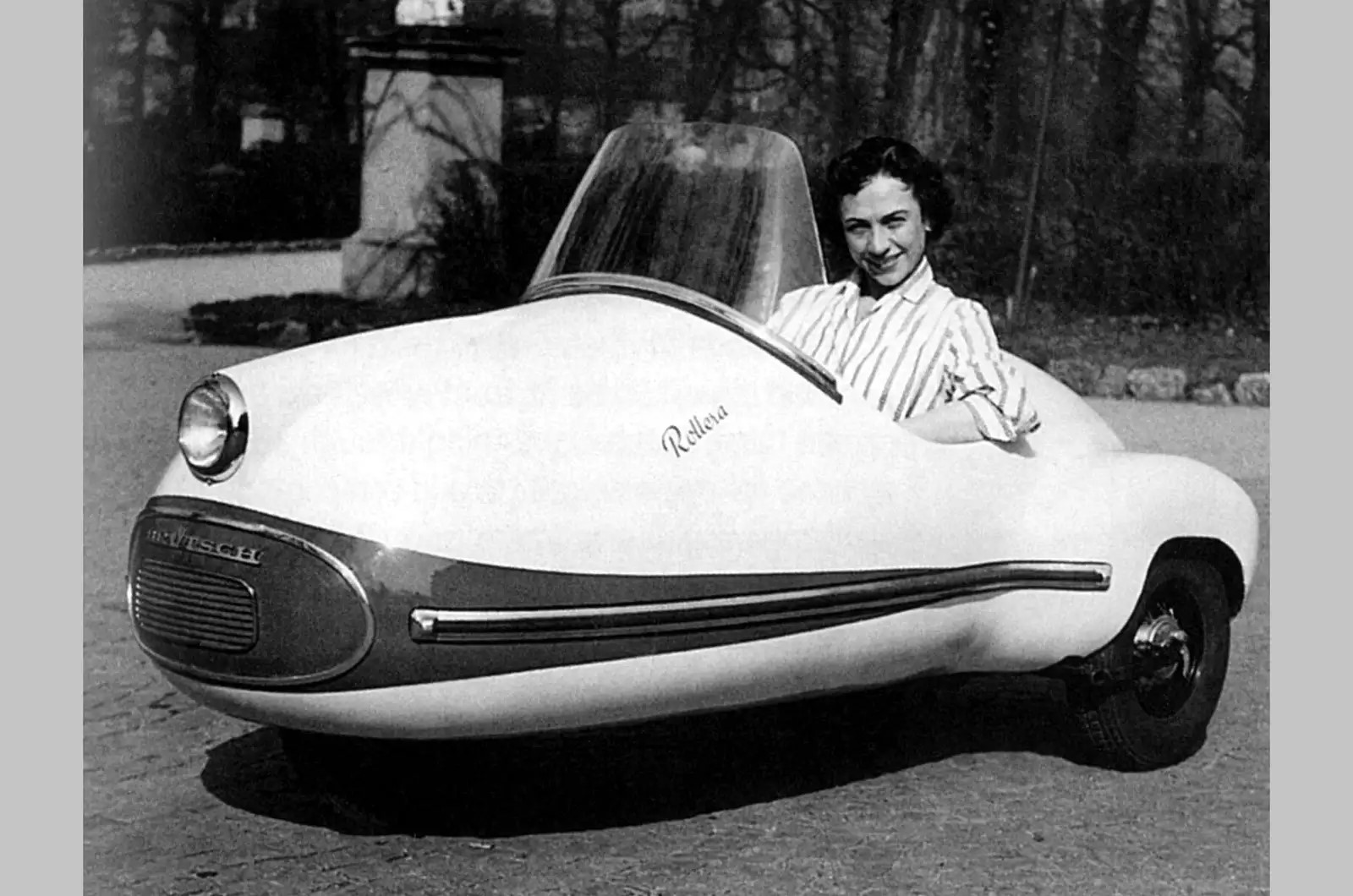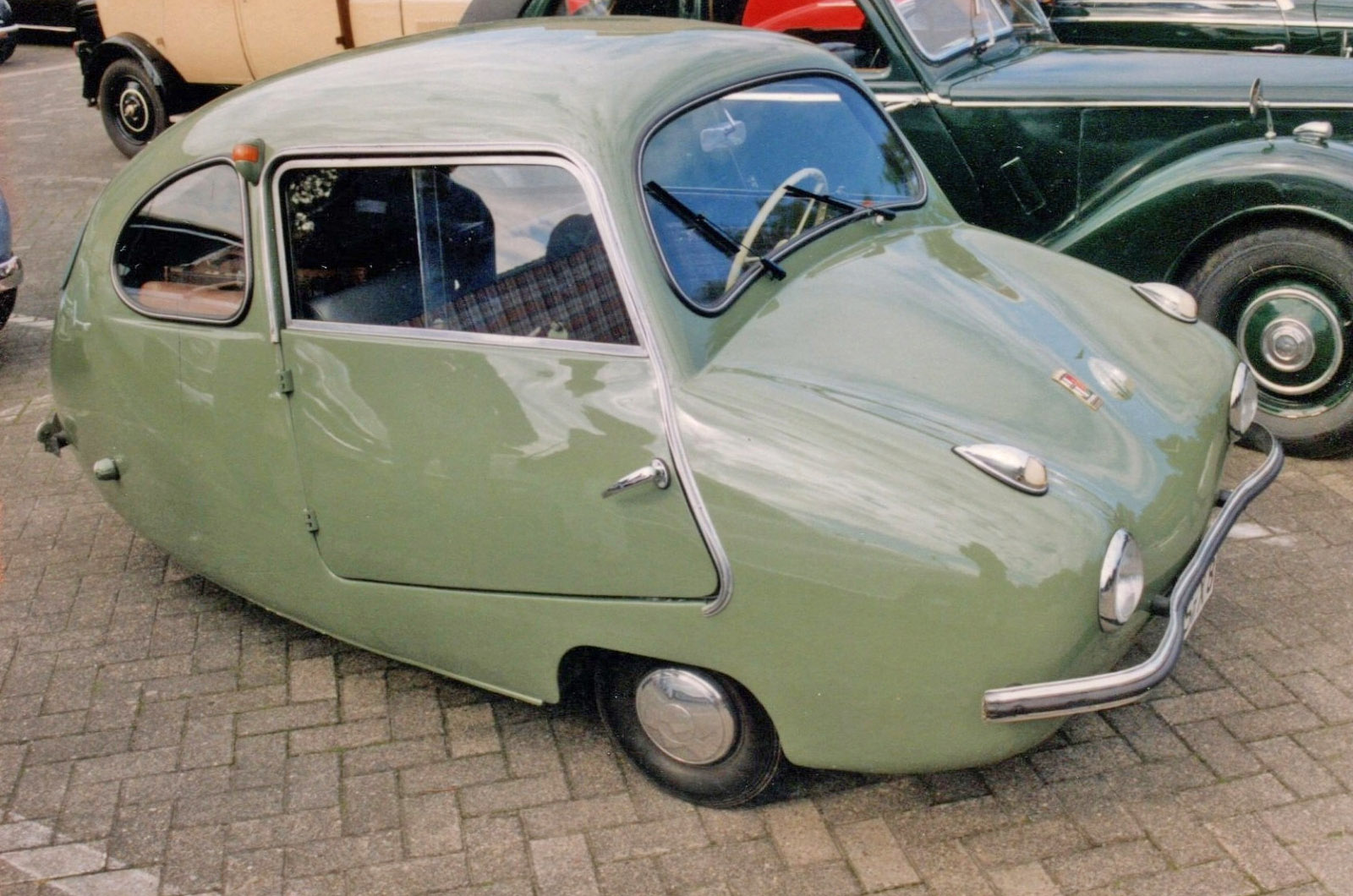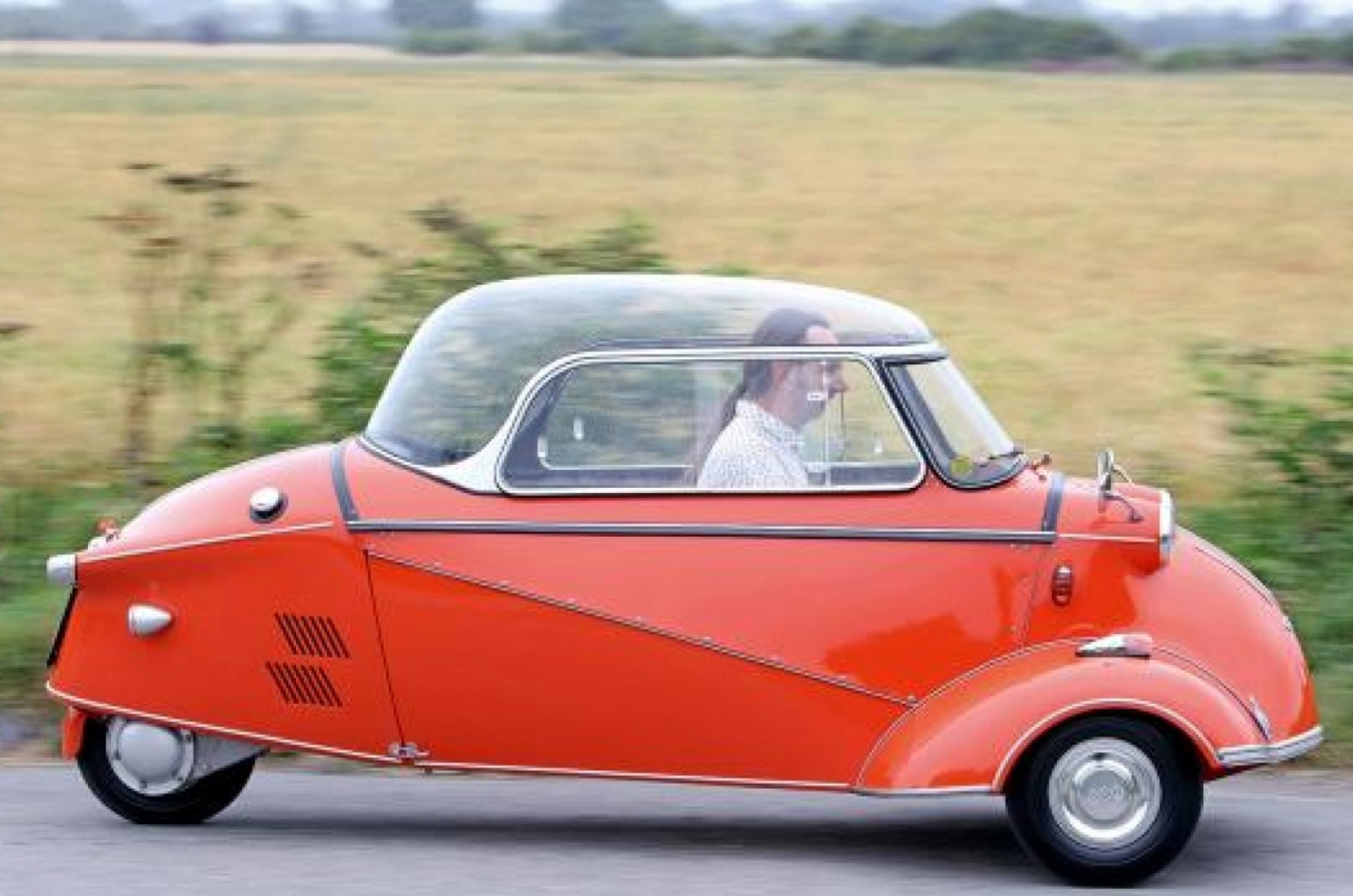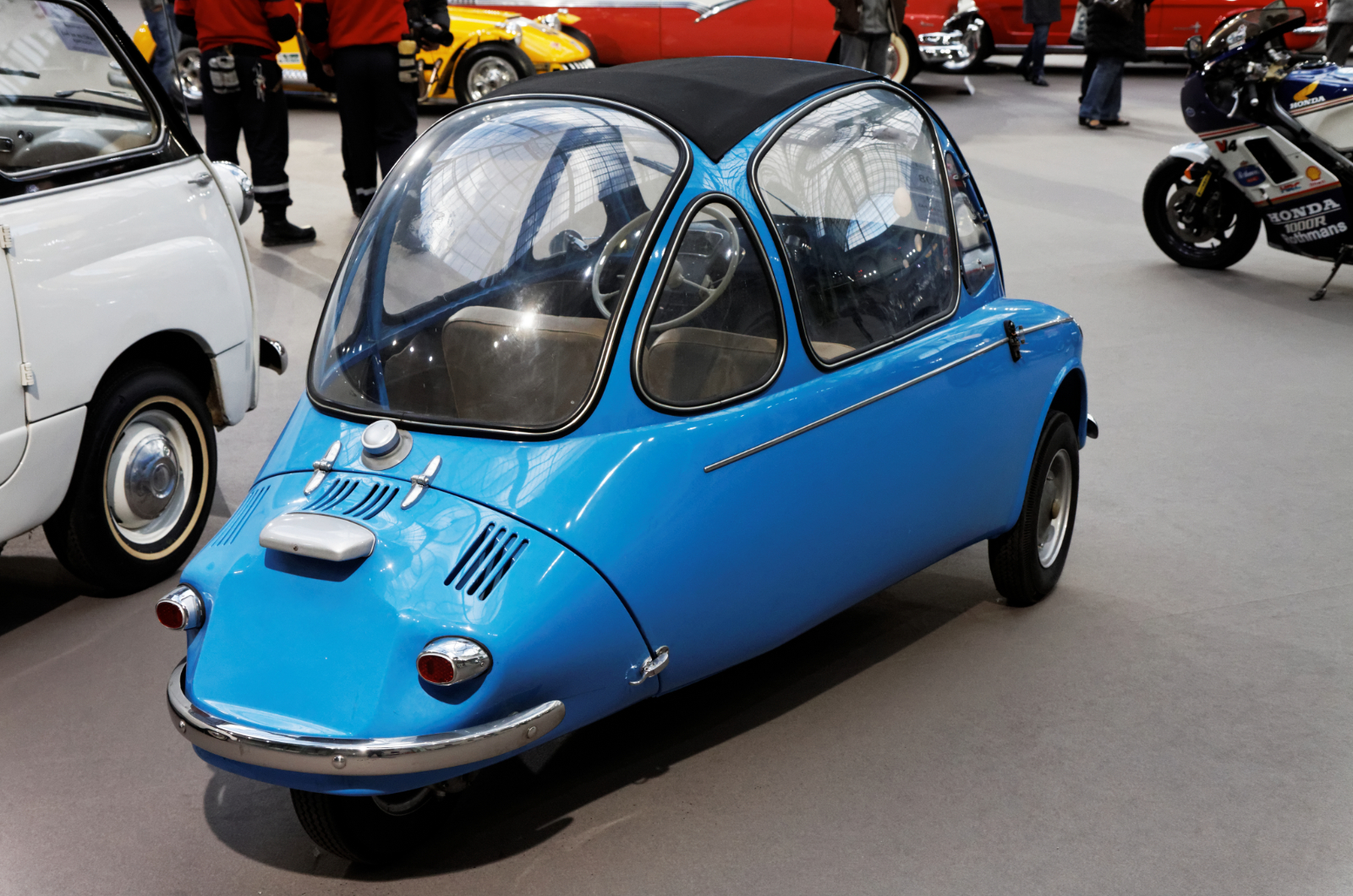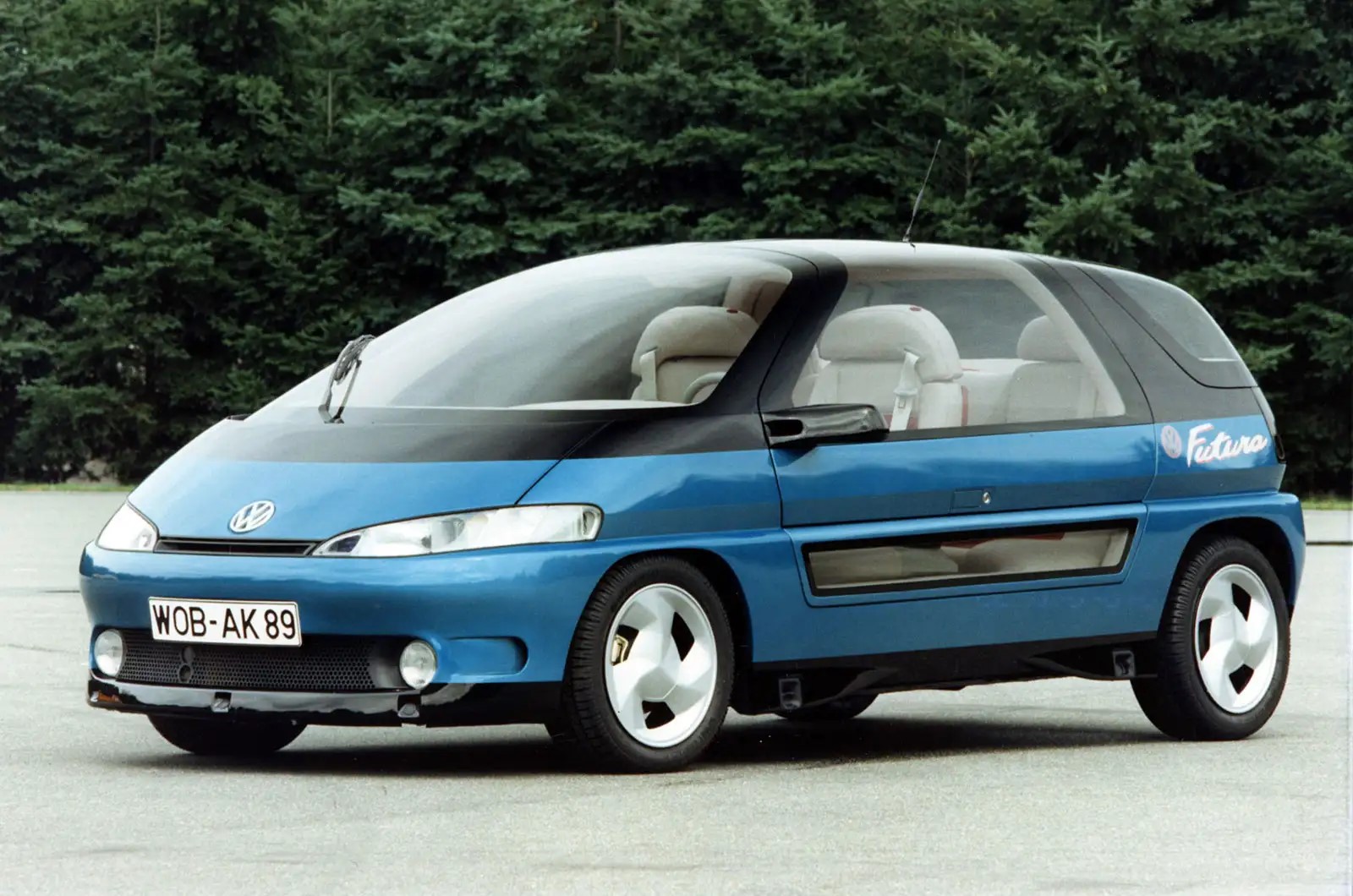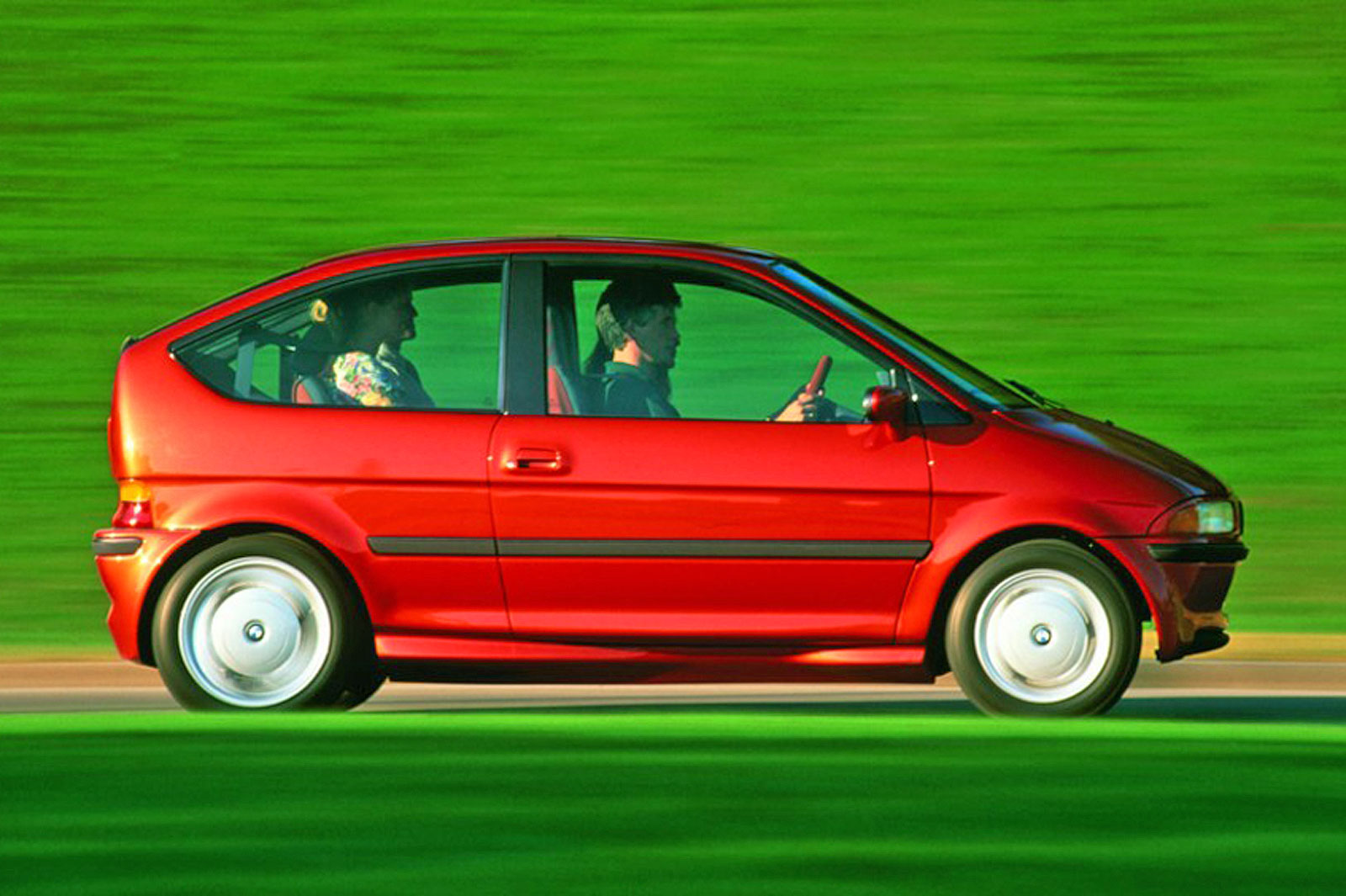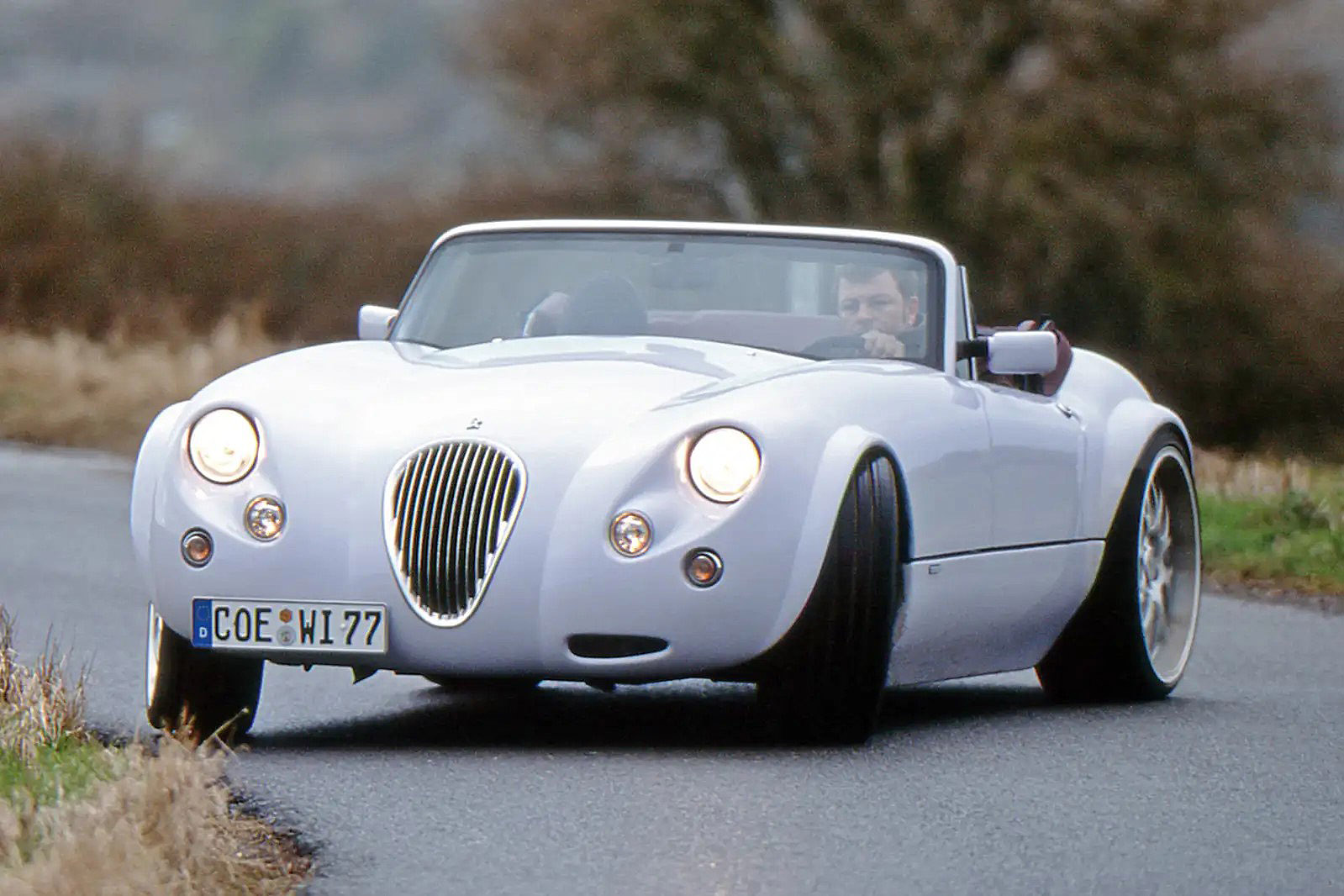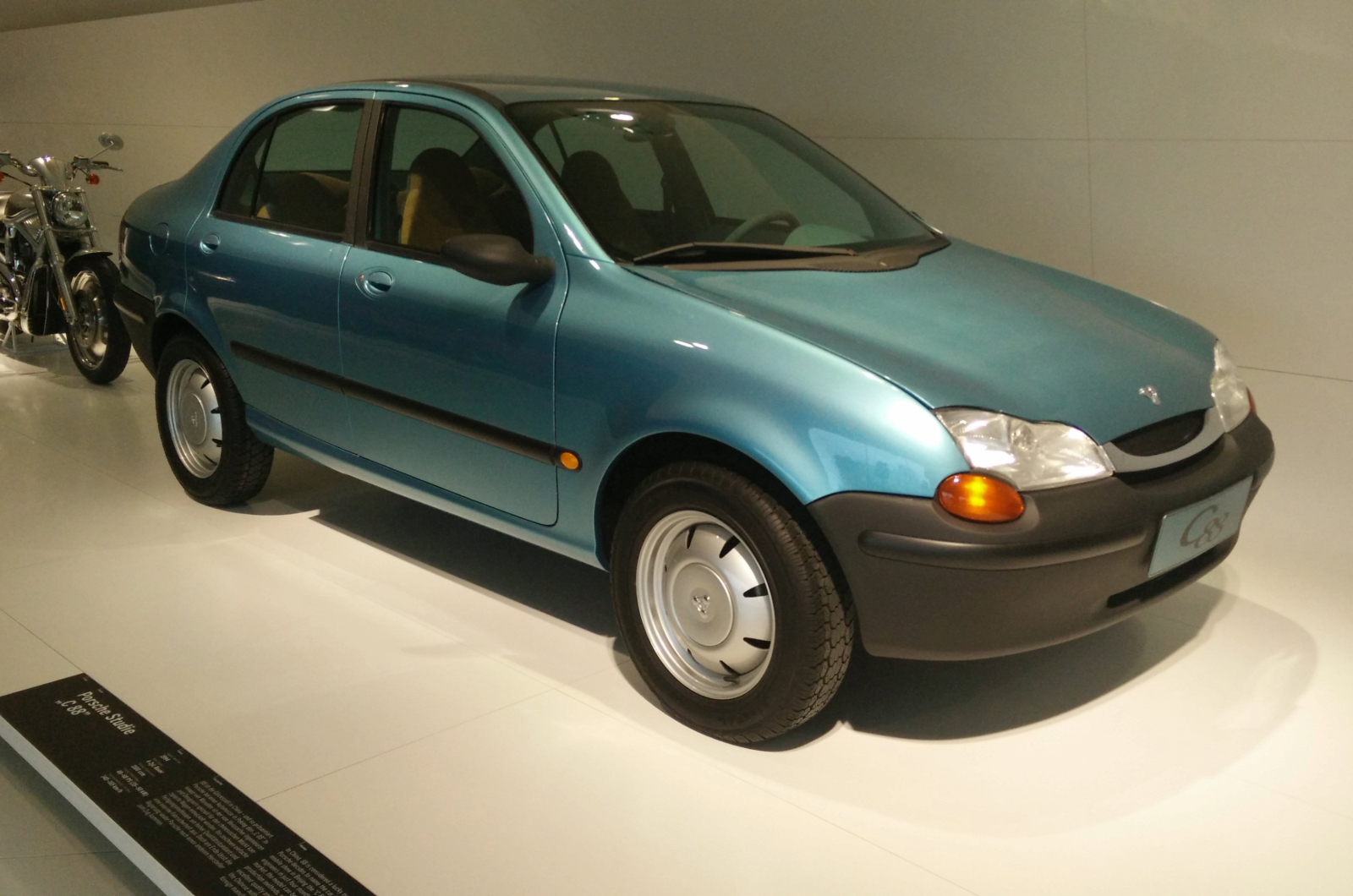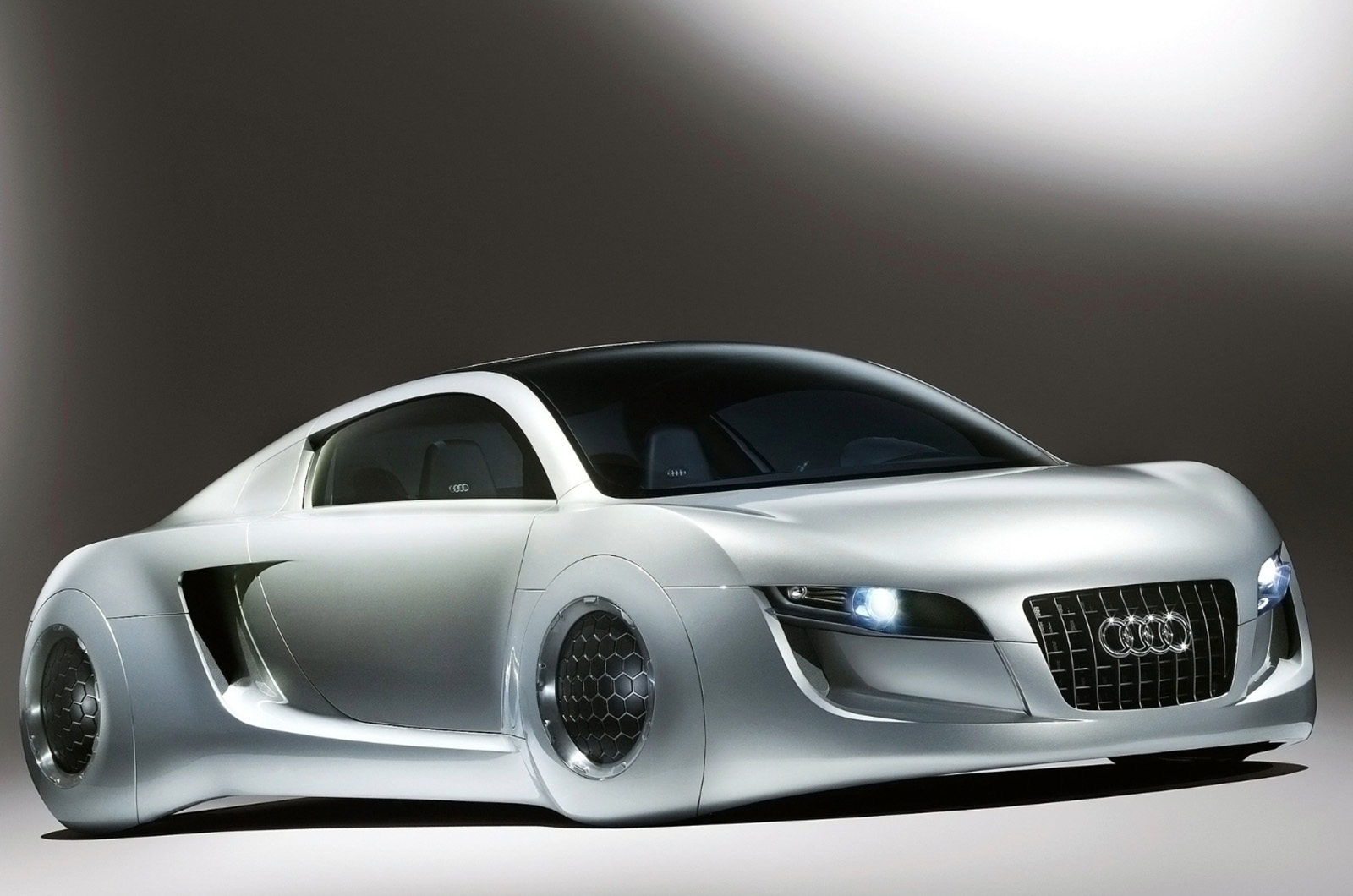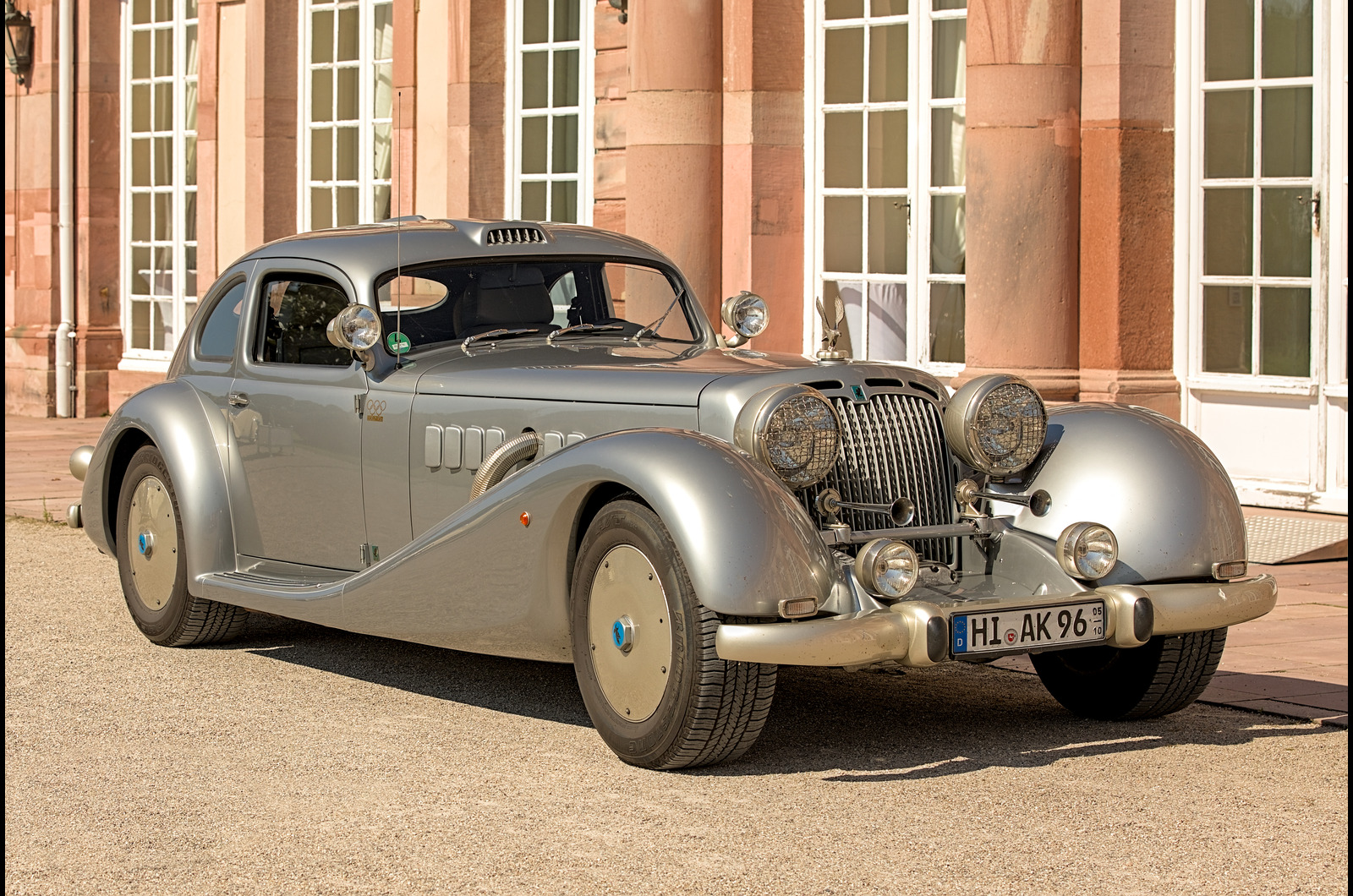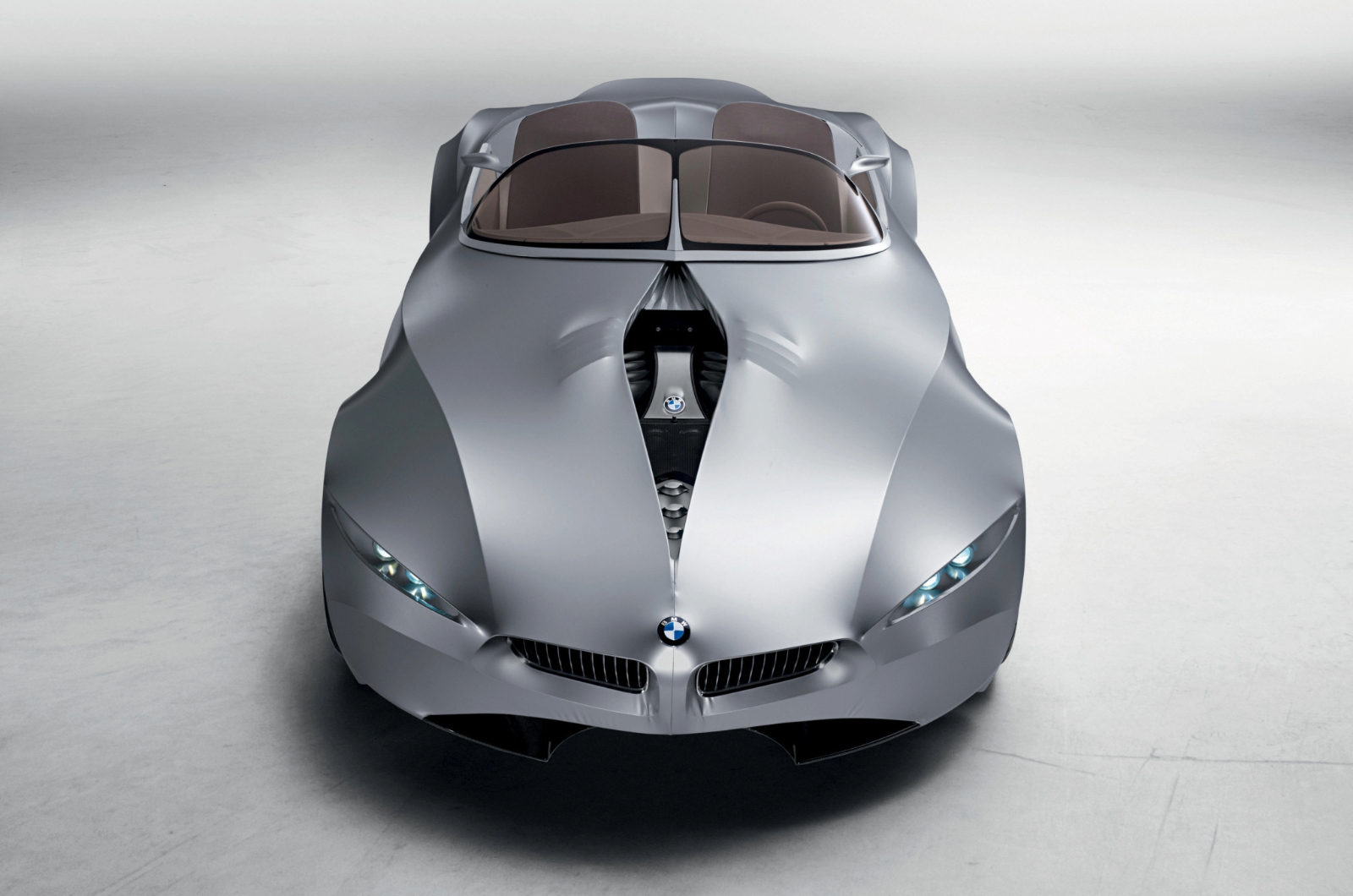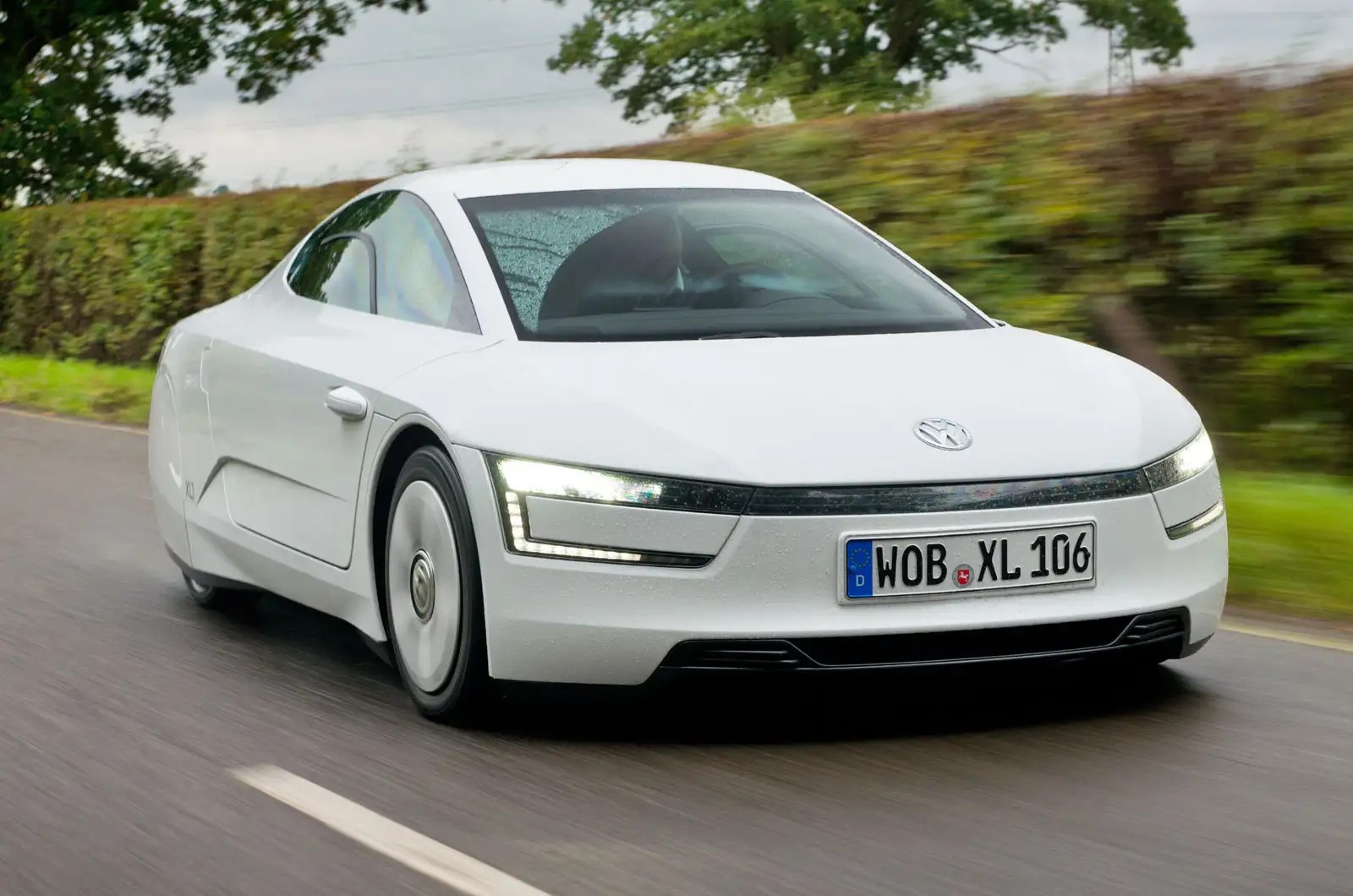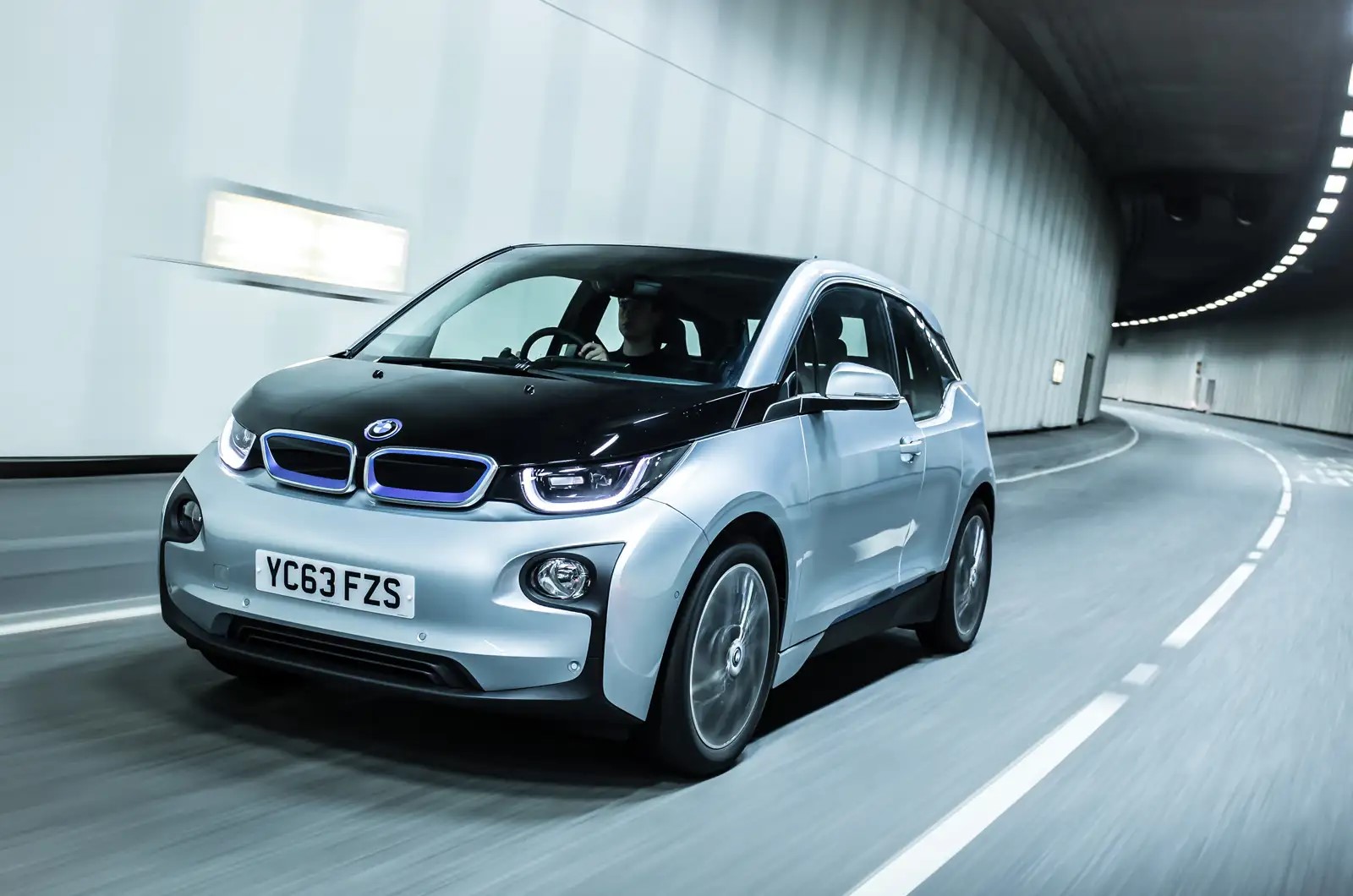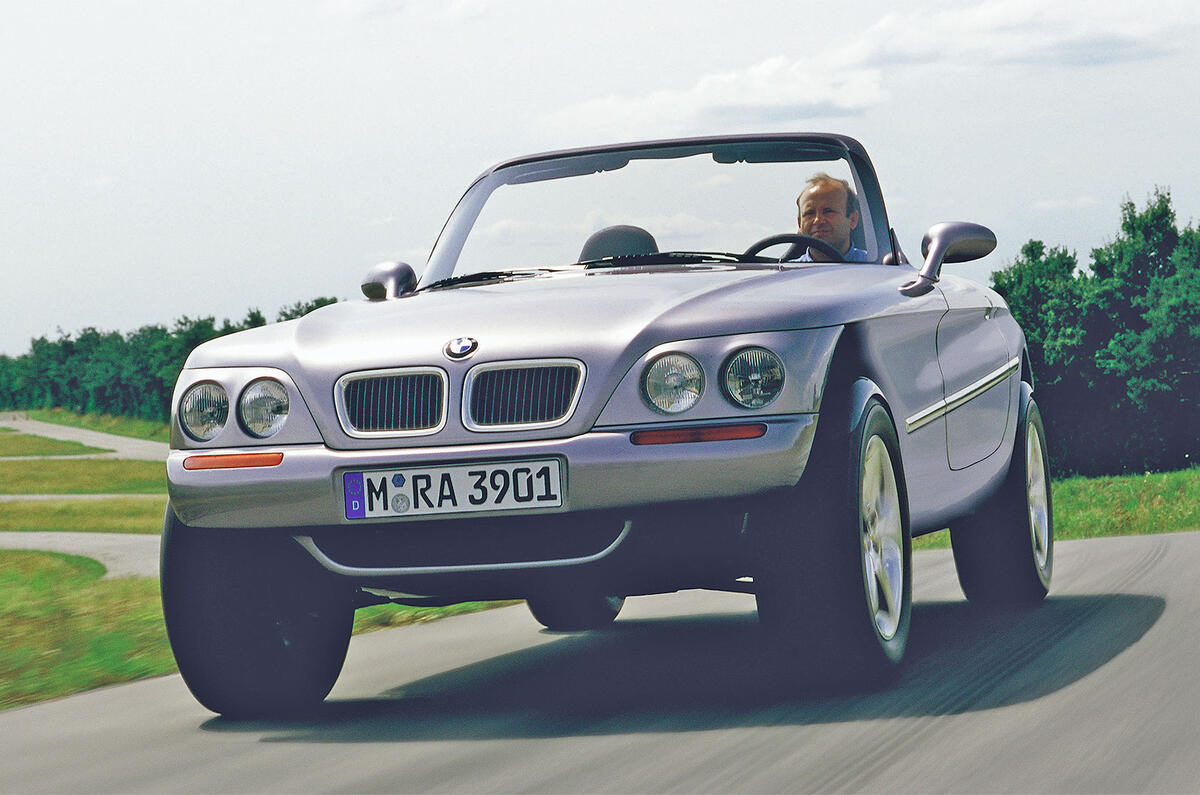
Throughout the years, some German car designers have dared to stray from the norm and give us some outlandish car designs.
From beautifully eccentric shapes to squirrelly design features, here’s our pick of Germany’s most unusual:
Volkswagen Beetle (1938)
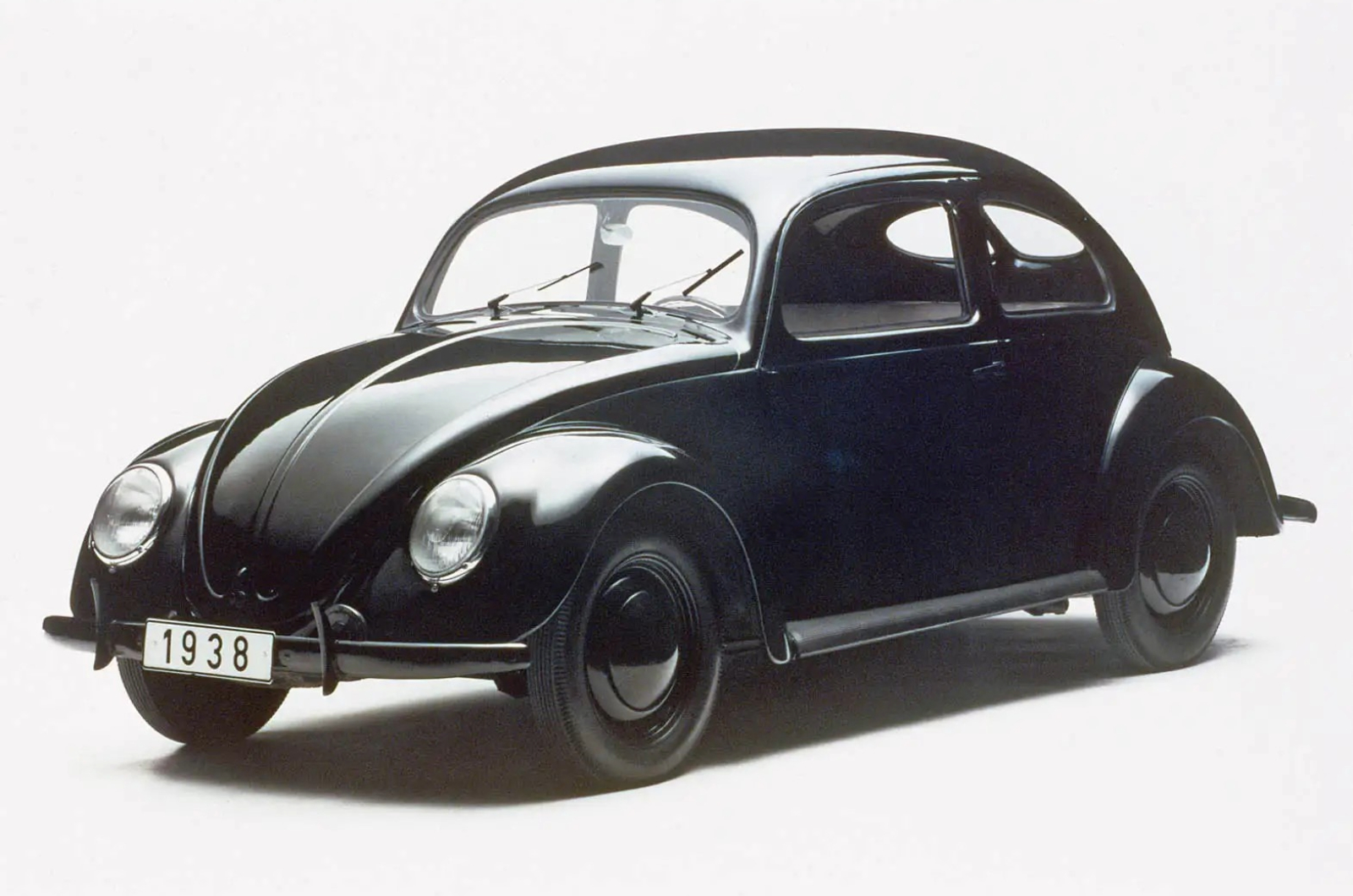
Many people think that Ferdinand Porsche was the man behind the Beetle, but this is incorrect. Engineer and inventor Bela Barenyi came up with the design five years before Ferdinand Porsche presented his initial insect-inspired sketch. We have Barenyi to thank for the life-saving “crumple zone” concept and “non-deformable passenger car cell”.
For Ferdinand Porsche’s Beetle guise, Adolf Hitler gave Porsche an order to develop a Volkswagen (People’s Car), which could transport two adults and three children at 60mph and cost no more than a motorbike. The Beetle’s unusual shape would become incredibly iconic and it was produced until 2003.
Schlörwagen (1939)
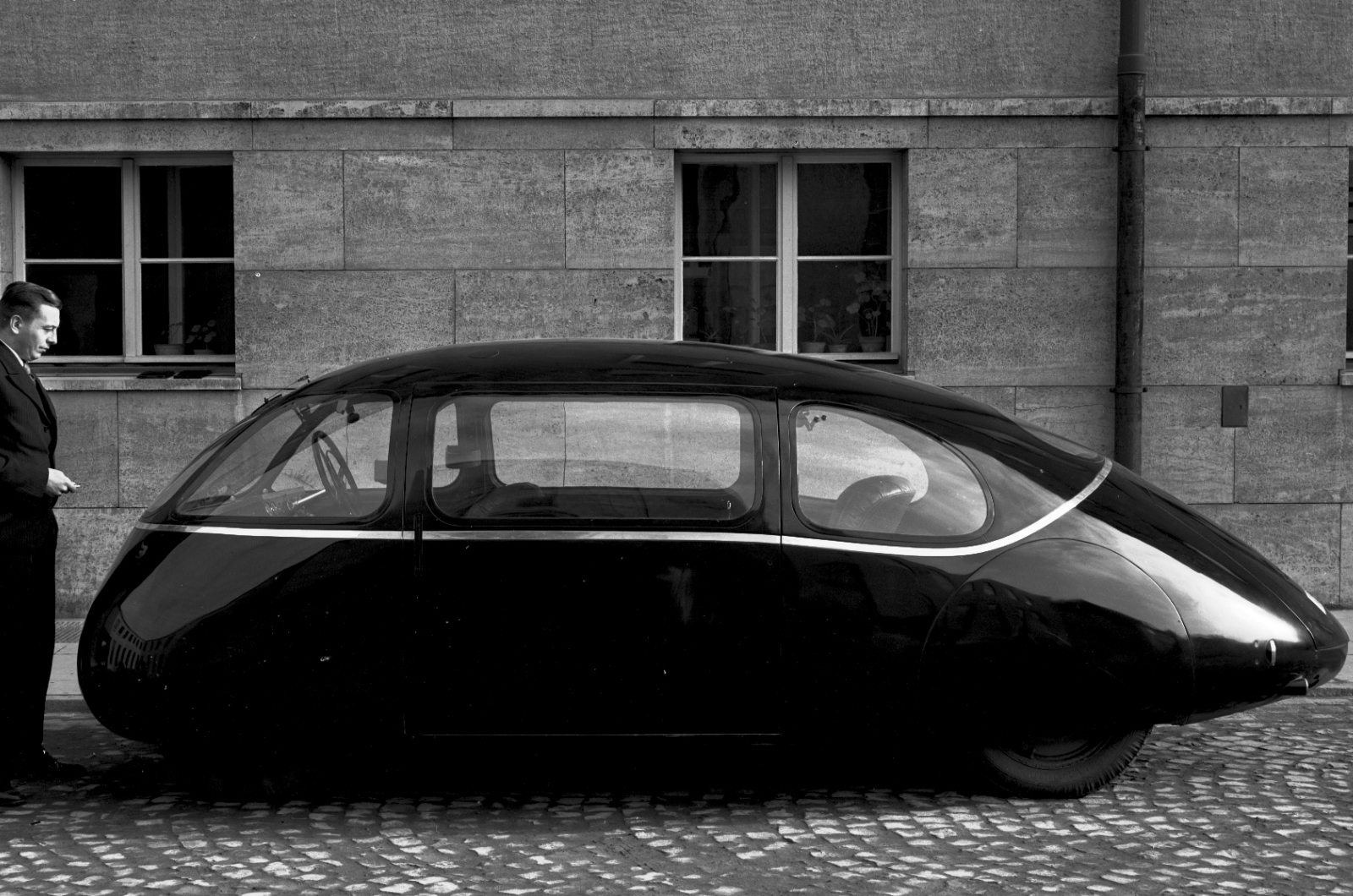
While it looks like something Area 51 would take interest in, the Schlörwagen was the vision of Aerodynamic Research Insitute engineer Karl Schlor. One functioning car was made, which used a Mercedes 170H chassis. The aluminium bodywork was built by the Ludewig Brothers who were also known for their bizarre Opel Blitz-based ‘Aero’ bus of 1938.
The Schlörwagen had a drag coefficient of just 0.186 in its working form and achieved a top speed of 84mph, which was slightly faster than the 170H. It was revealed to the public at the Berlin Motor Show, sadly labelled as ugly by the public and later shelved due to the Second World War.
Kleinschnittger F125 (1950)
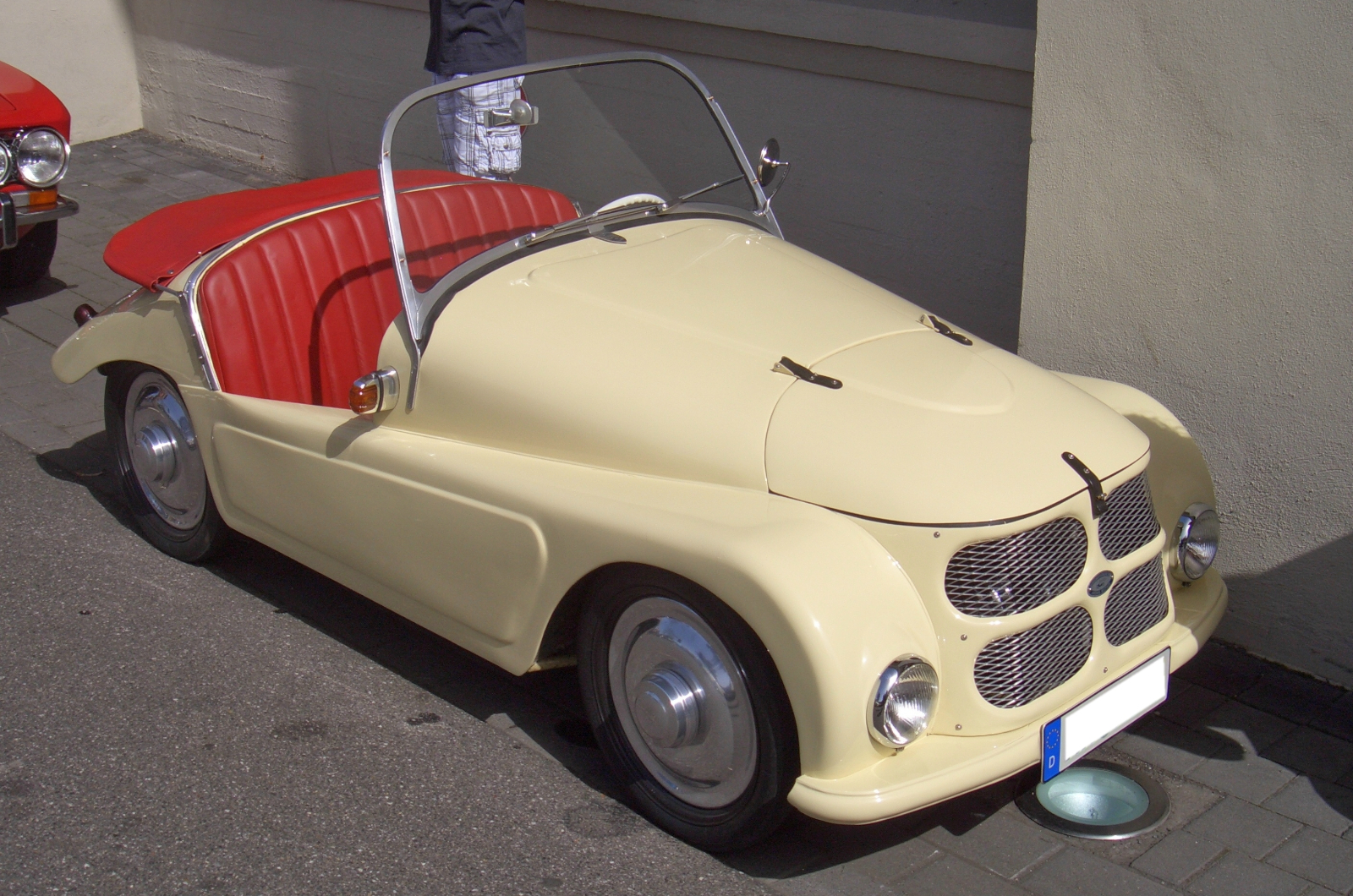
The F125 was tinkerer Paul Kleinschnittger’s creation. After the war he made a prototype from recycled metal, bicycle wheels and parts from old airplanes. By 1949, it was ready and included a windshield from a crashed fighter plane. A German businessman saw appeal in Kleinschnittger’s design and financed a small factory.
The prototype wasn’t quite big enough, however, and the F125 had to be redesigned. During early production, their aluminium bodies were sourced from army surplus cooking pots that had been hammered flat in a bid to save costs.
Hoffman (1951)
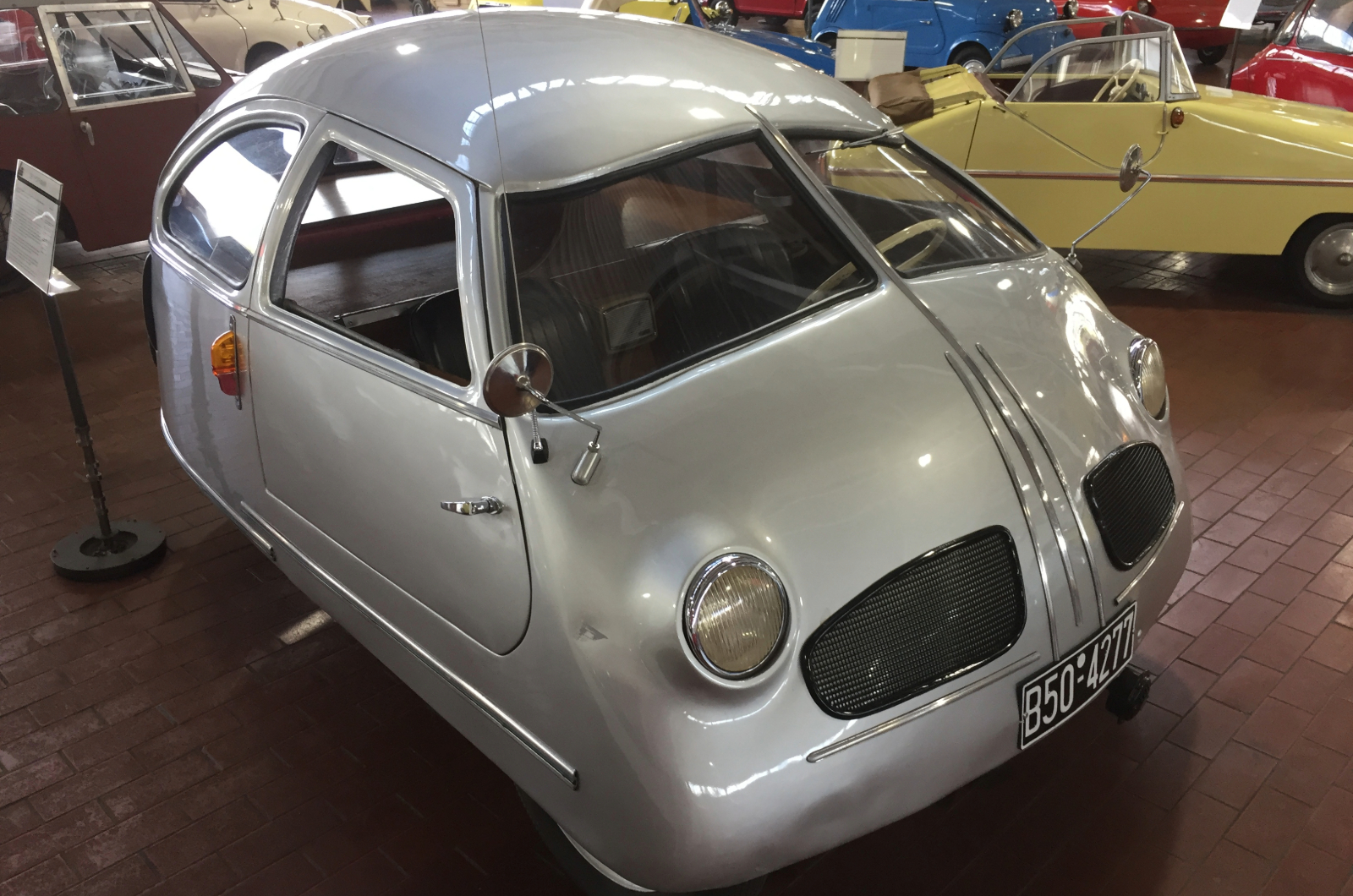
Michael Hoffman, a shop foreman from Munich, had an idea to build his own car after the Second World War. It featured rear-wheel steering and was built mostly from junkyard scrap and hardware parts. His idea was simple: three wheels and a tiny engine meant that it was tax free and no driving license was required to drive it.
Its oddball shape was due to the girthy mechanicals. A large rectangular frame housed the motor, a complex lever system was used to steer it, and it was incredibly cramped inside. The design never caught on, and he stepped away from designing cars. Only one was ever made, and you can see it at the Lane Motor Museum in Nashville, Tennessee.
Mercedes-Benz 300 SL (1954)
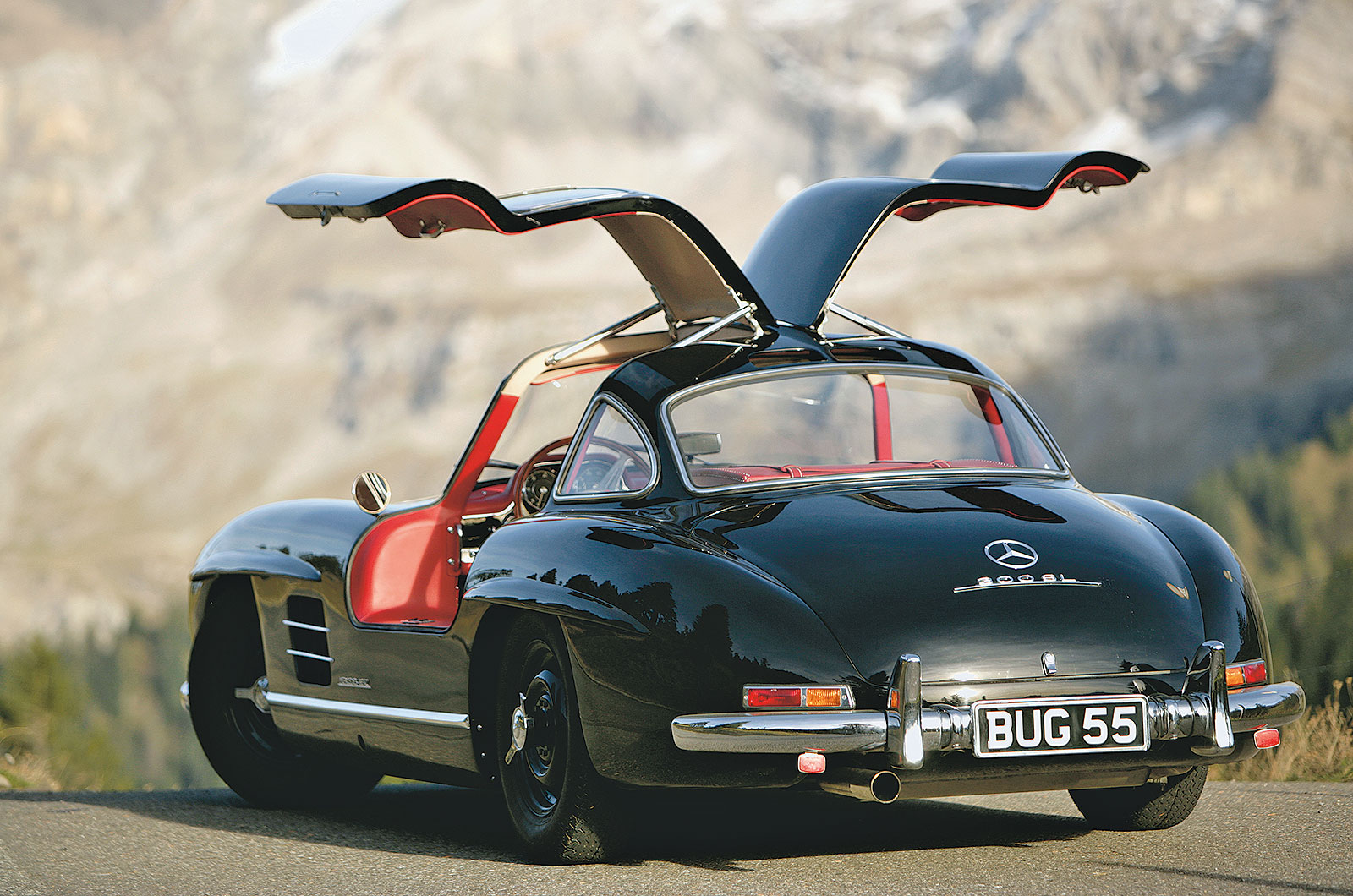
Rudolf Uhlenhaut joined Mercedes in 1931, becoming the leader of the race car department in 1936. Being an engineer, his skills were used to help replace the Mercedes-Benz W25 Grand Prix racer, and the Mercedes-Benz W125 successor was born shortly after. After the war Uhlenhaut returned to Mercedes, where he designed the tubular frame for the W194 300SL racer, and in 1955 he created the Uhlenhaut 300 SLR, which would become the world’s fastest road legal car.