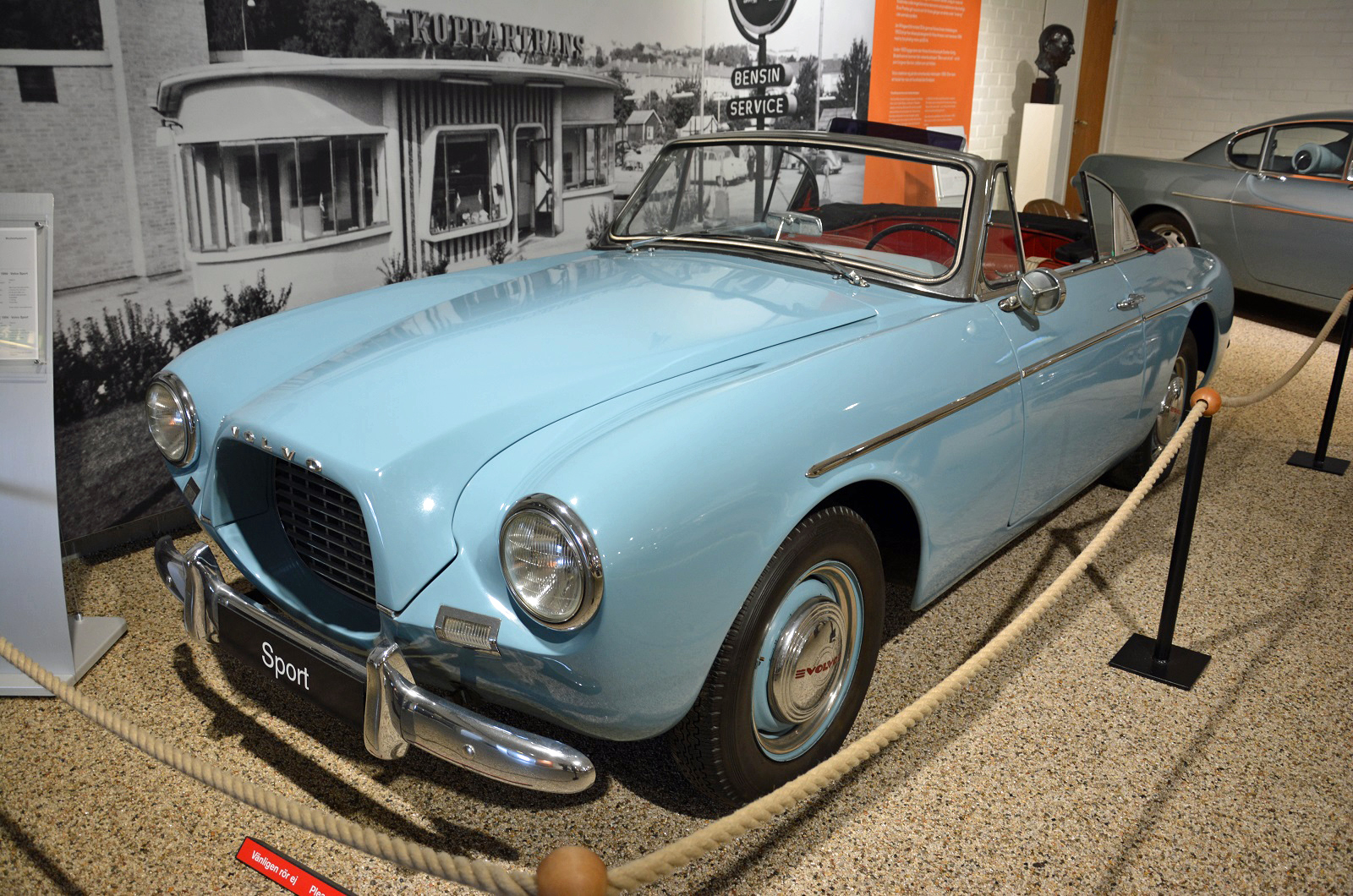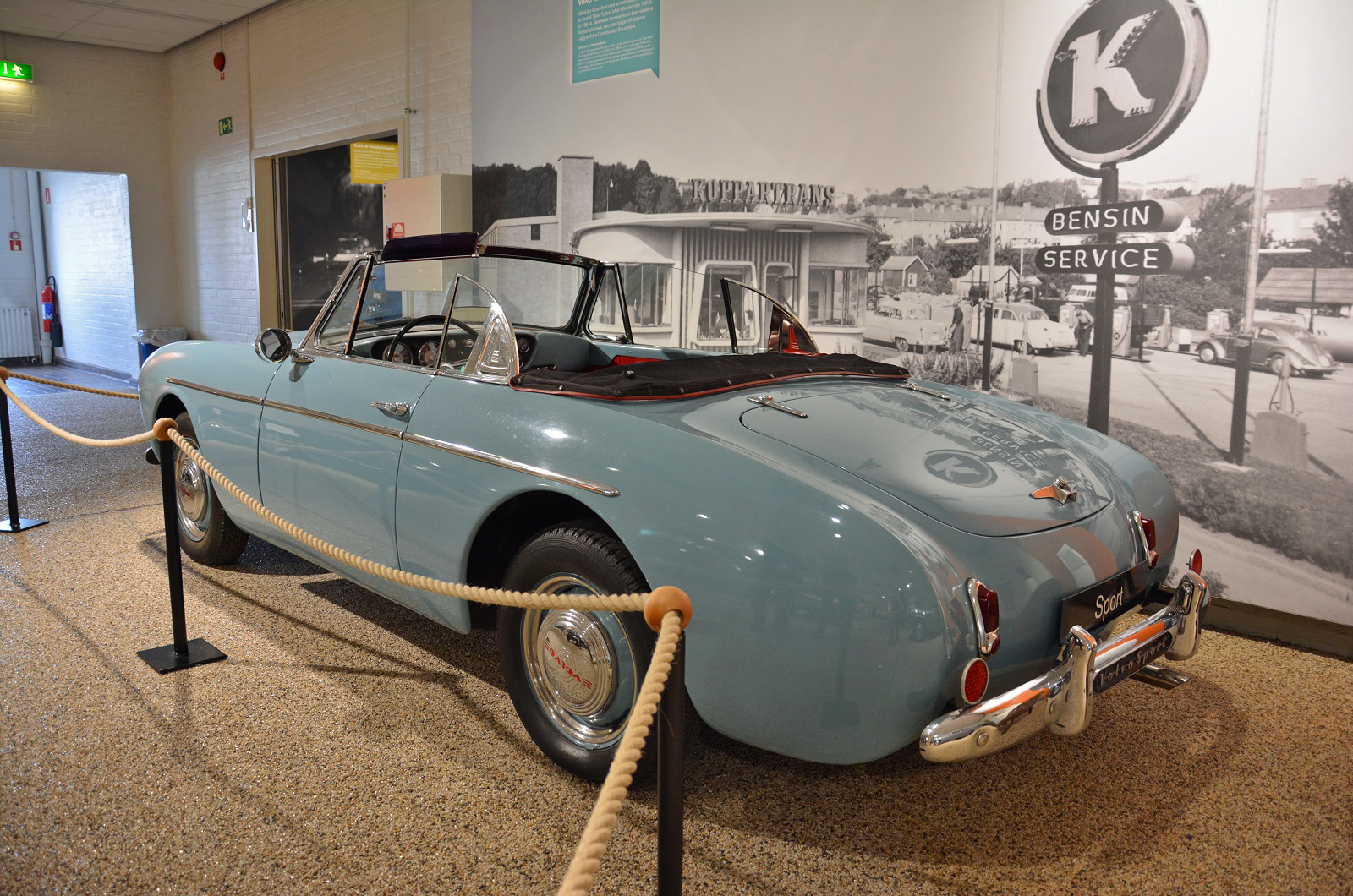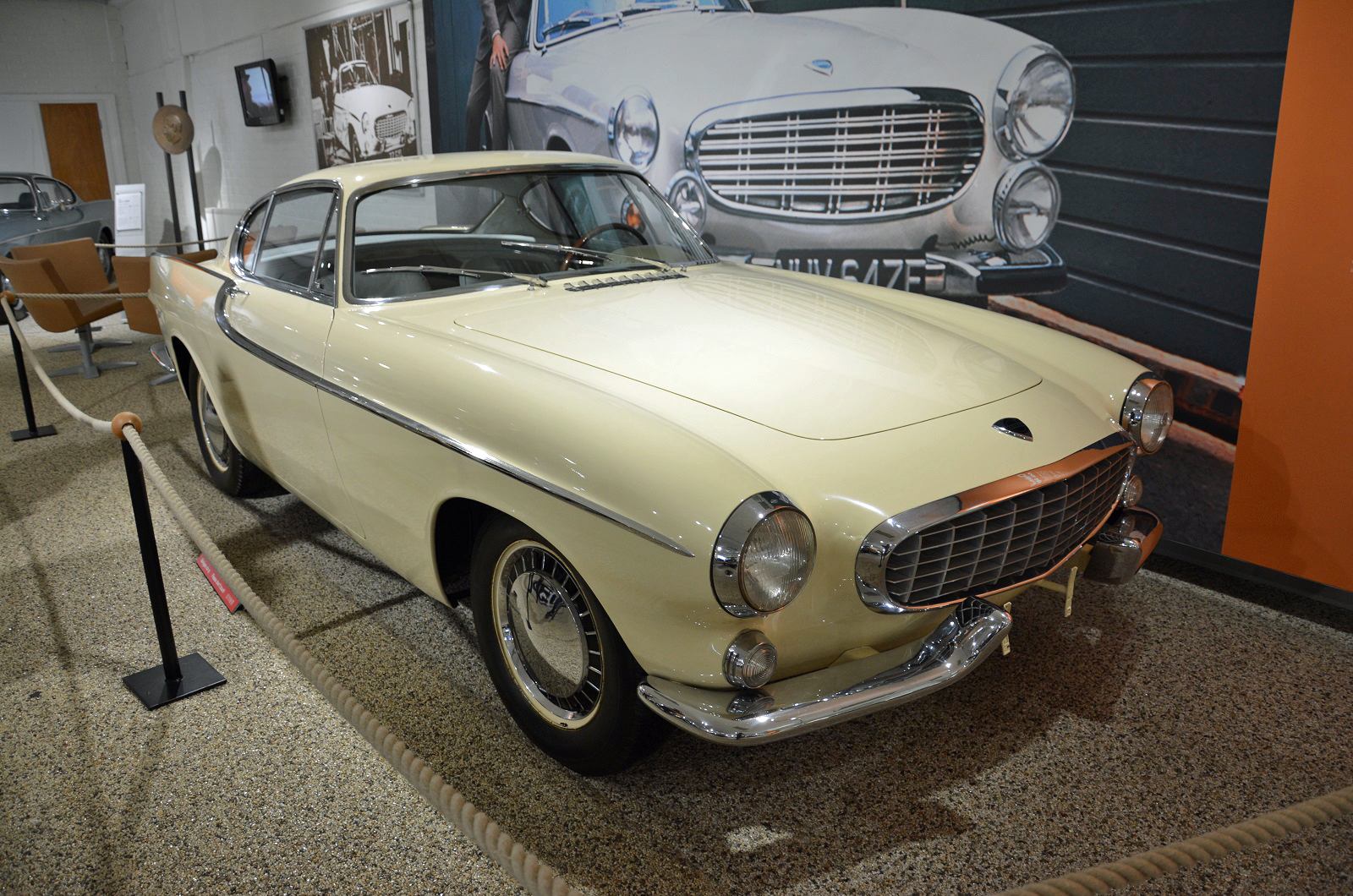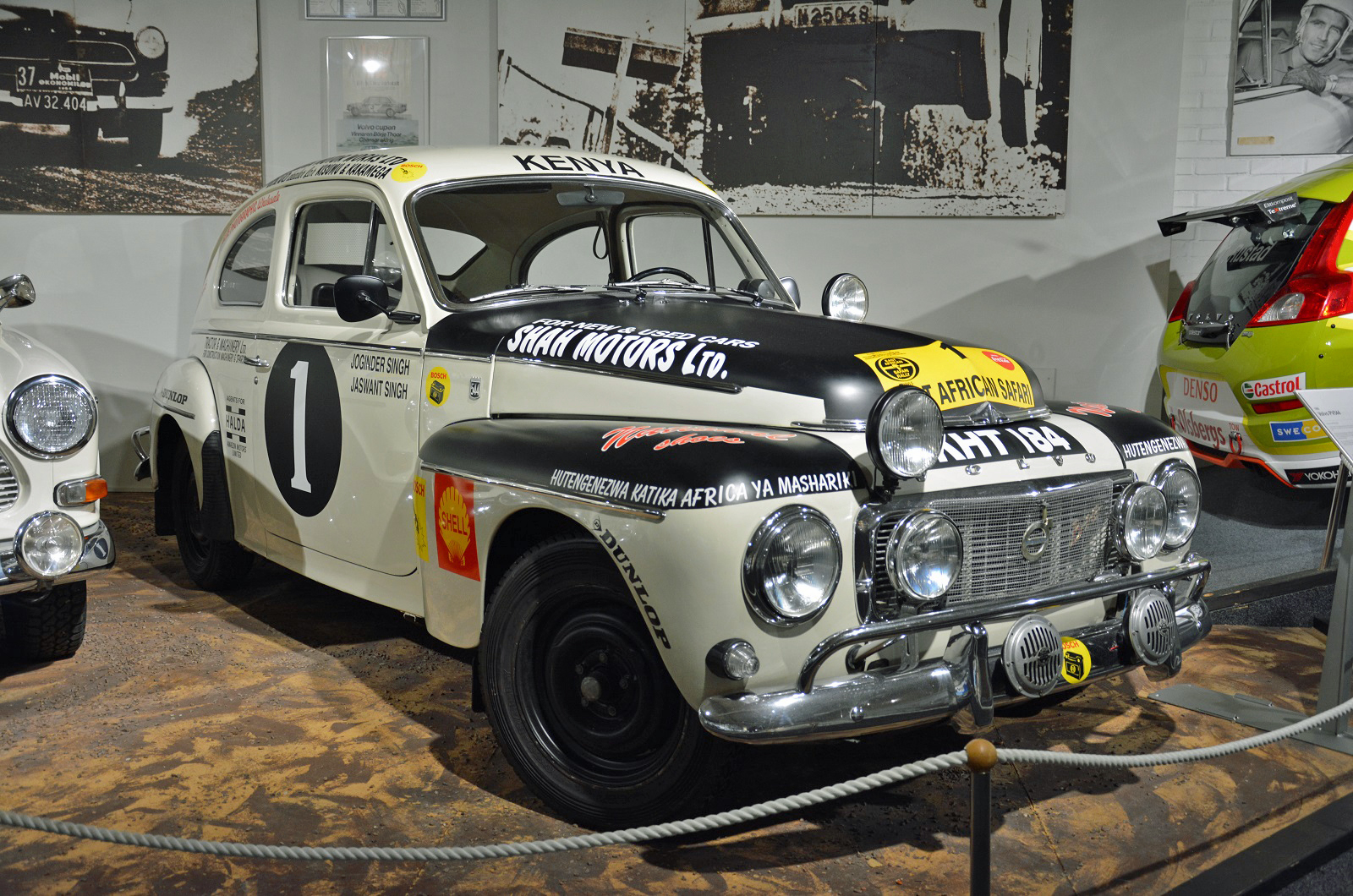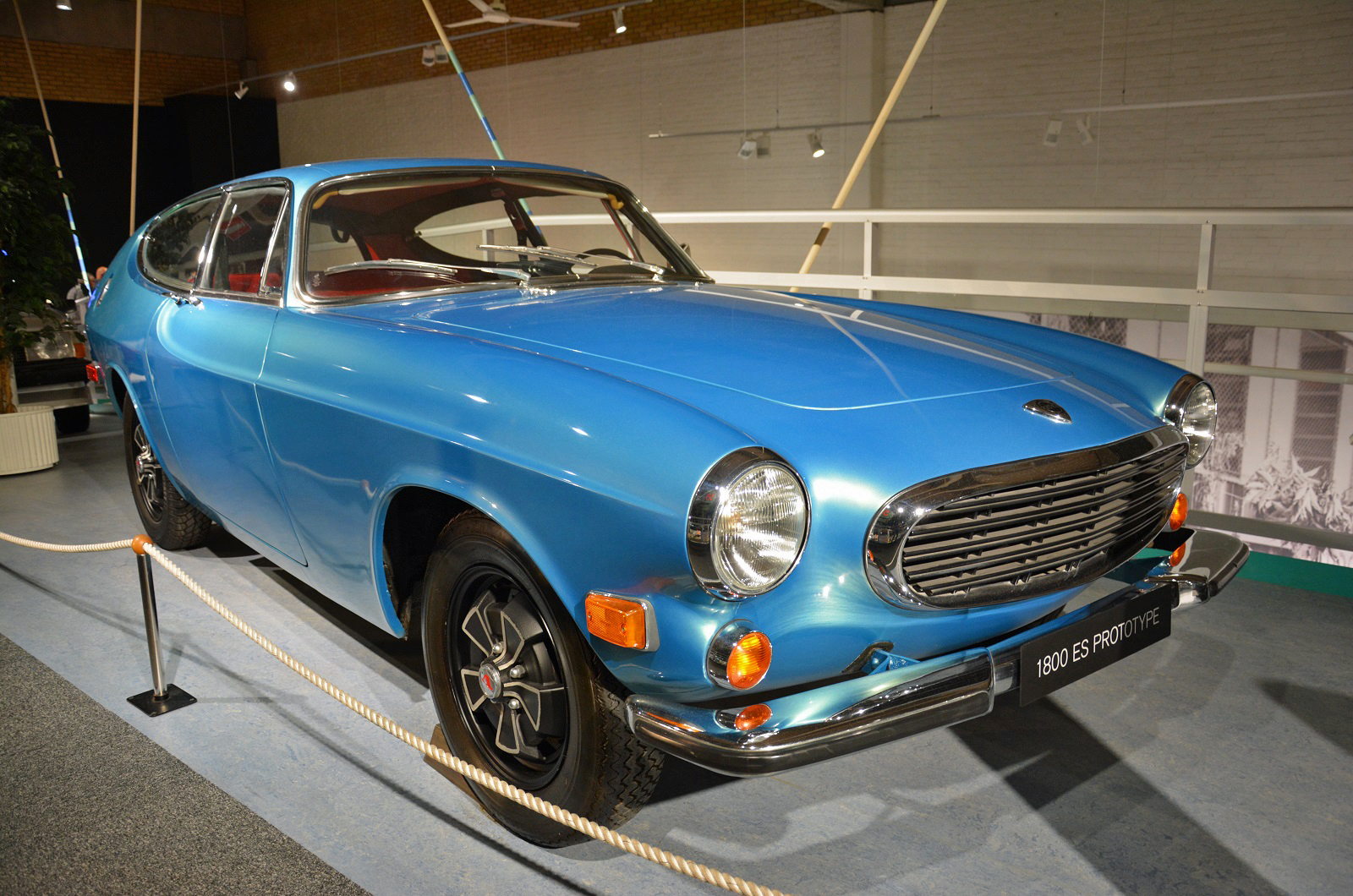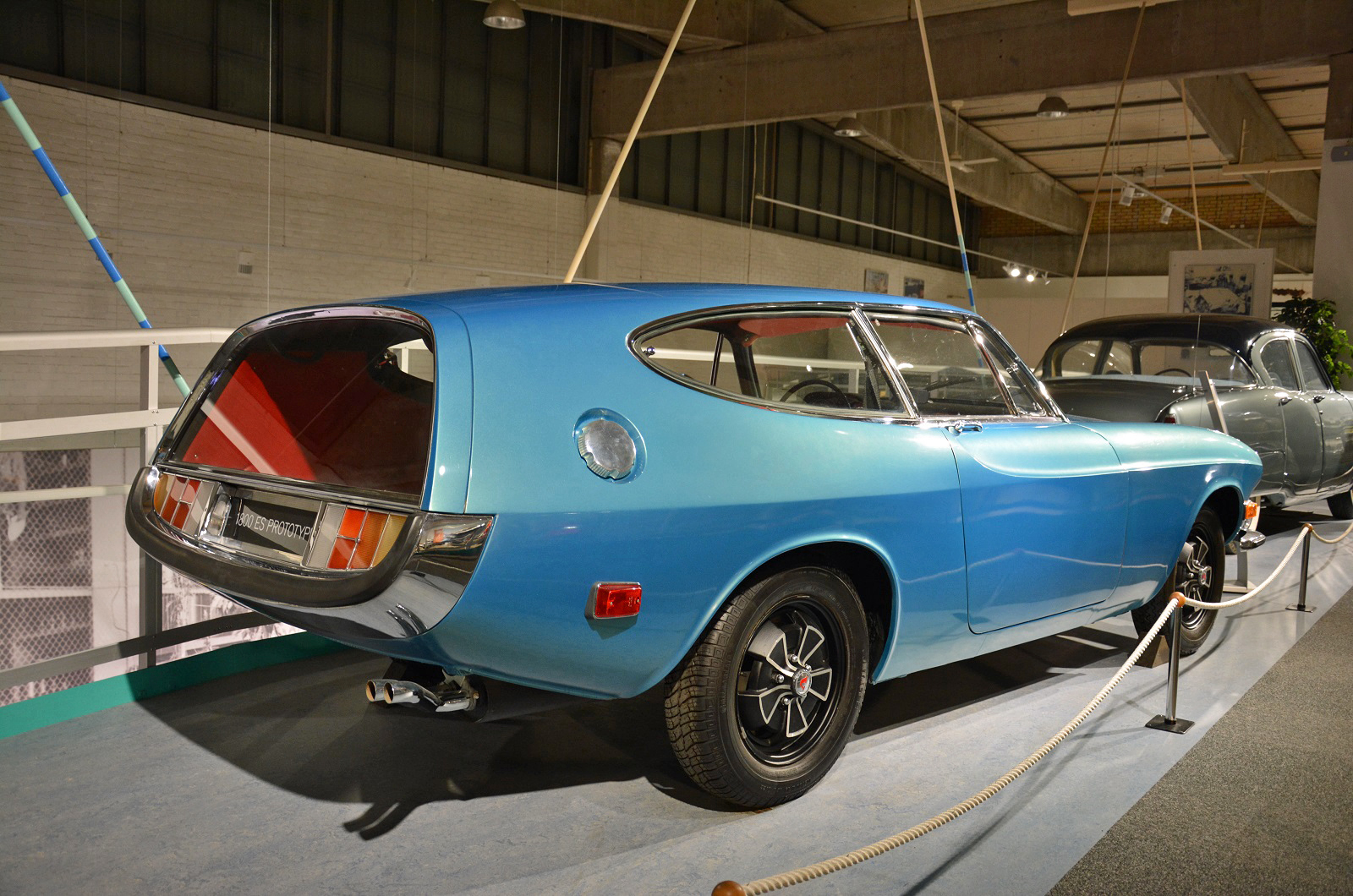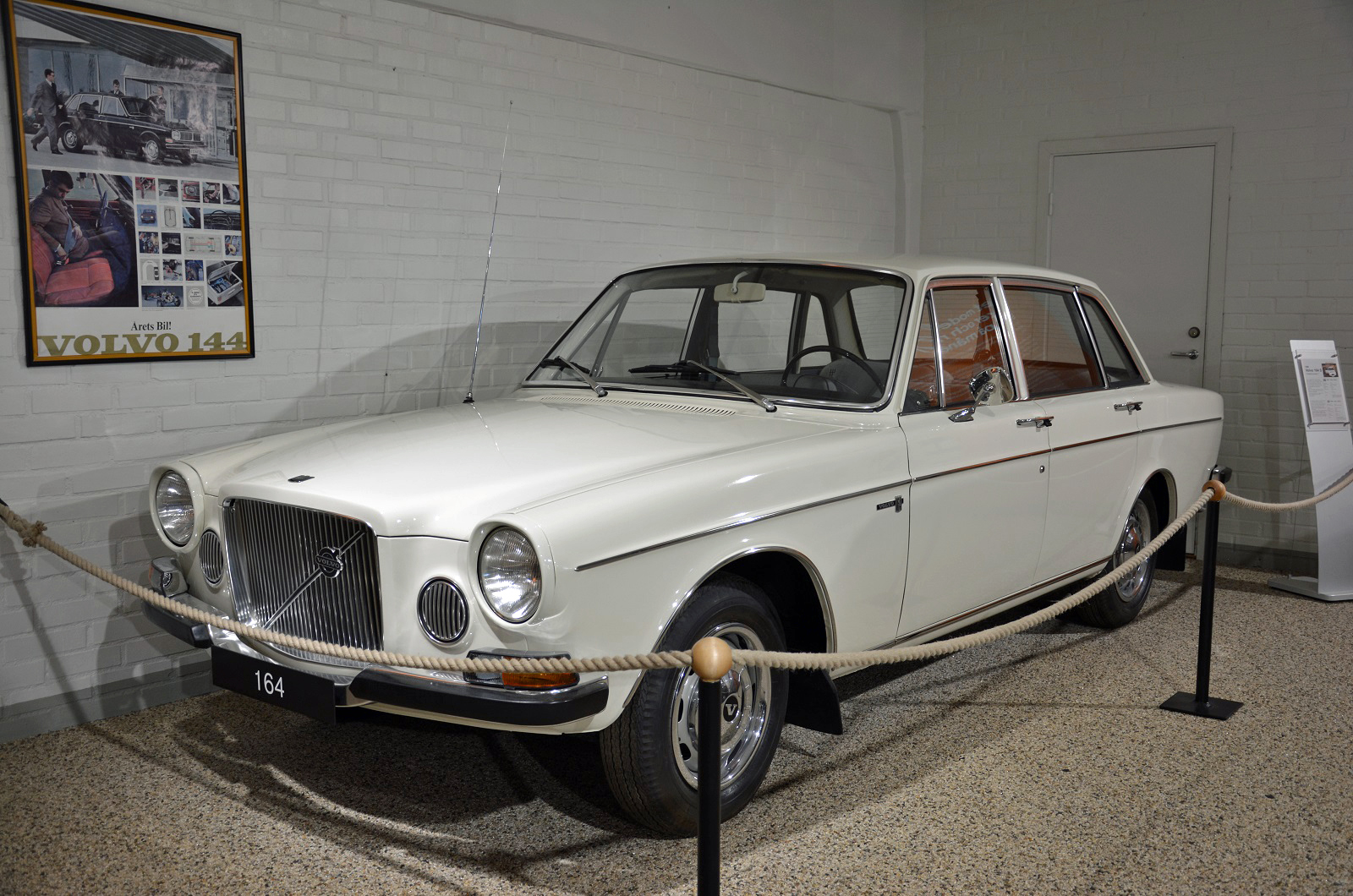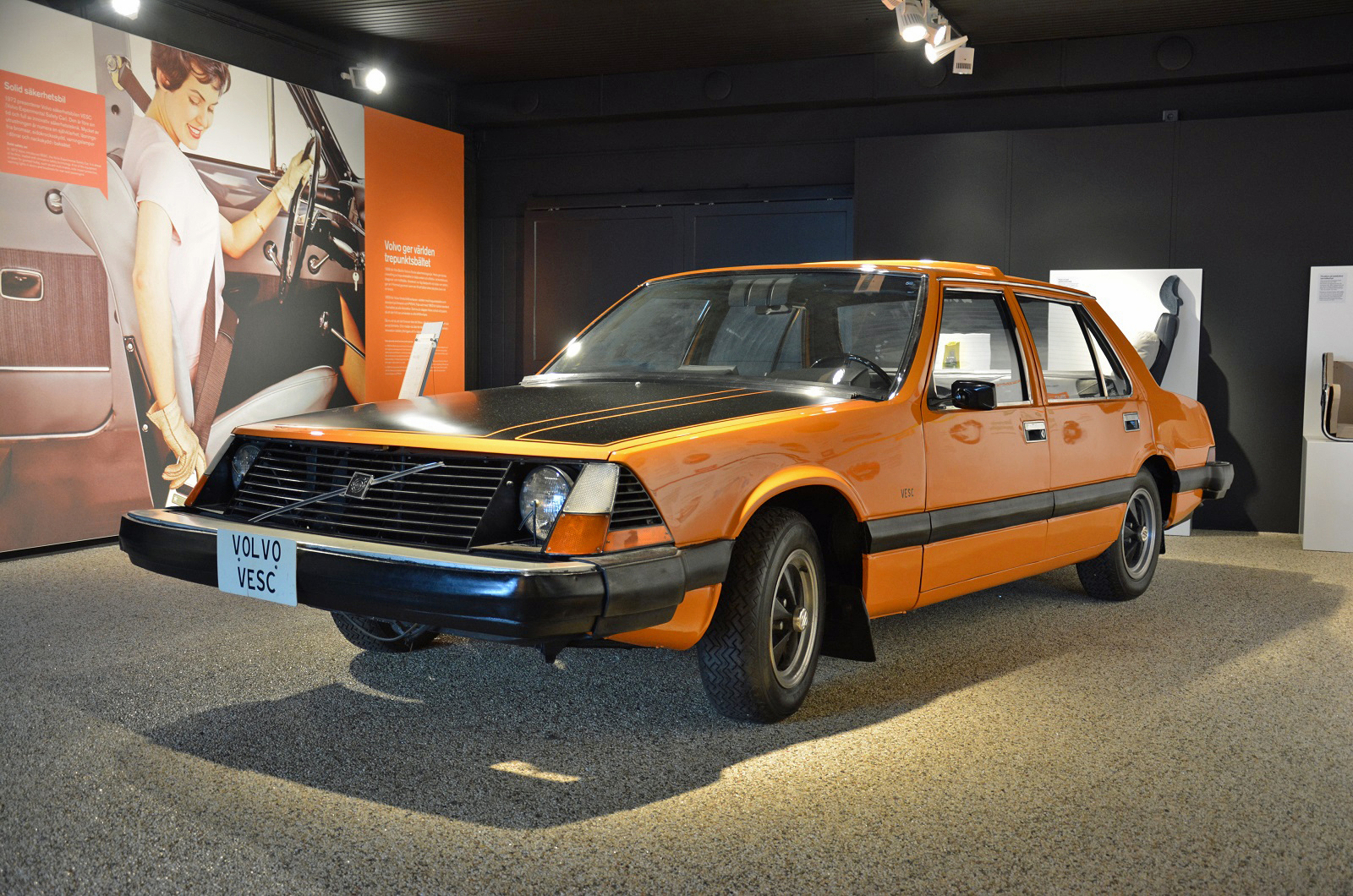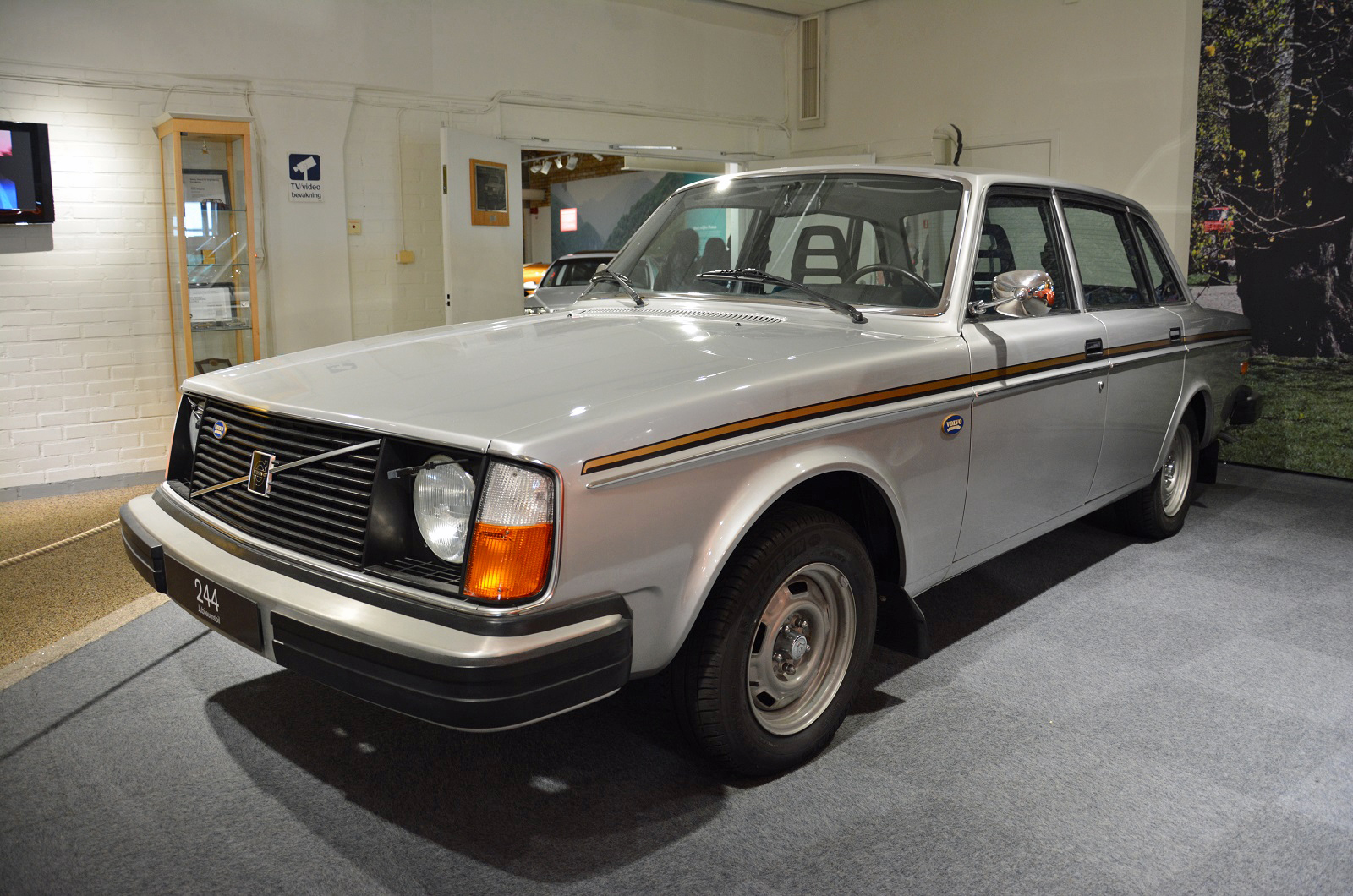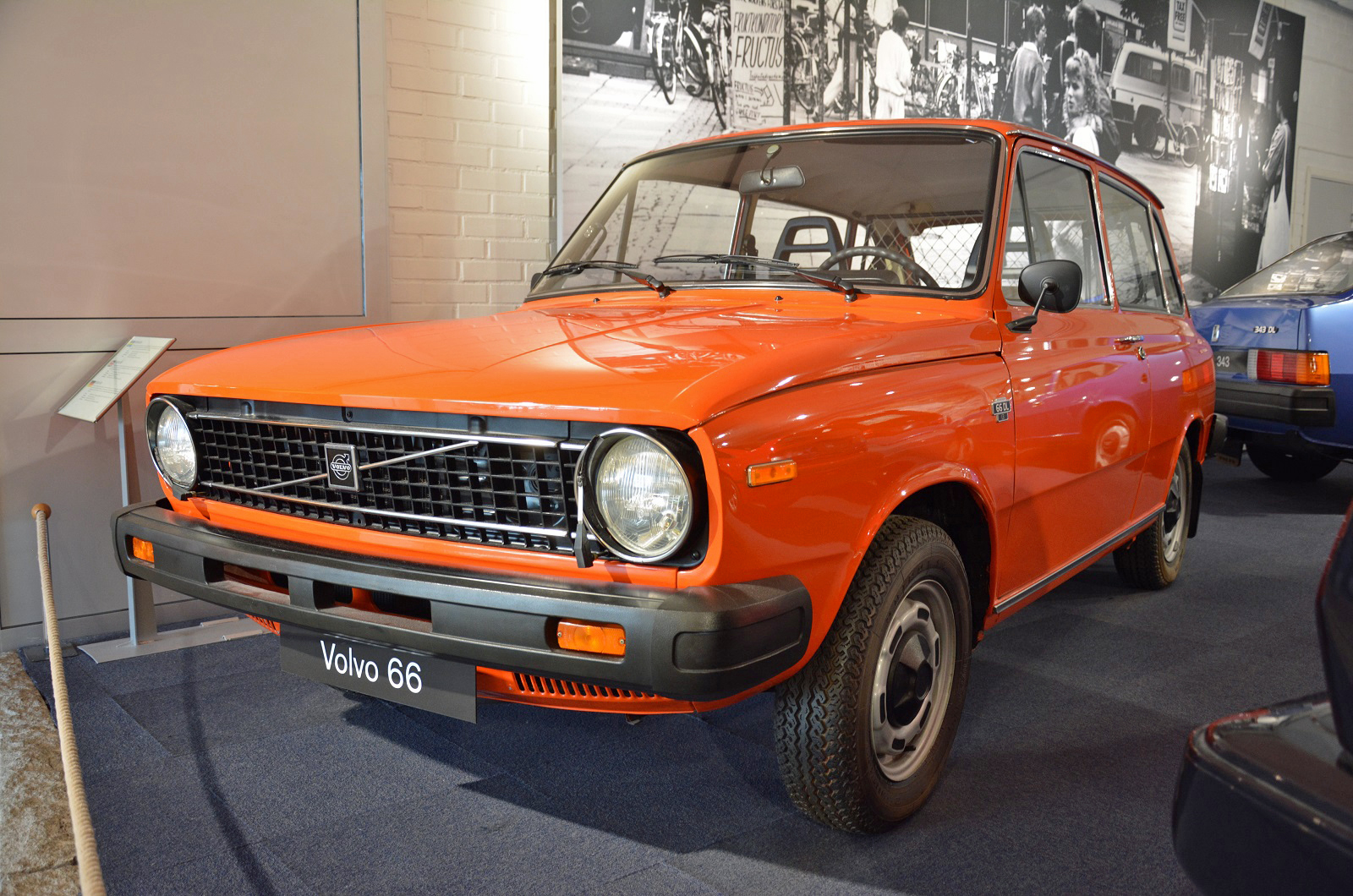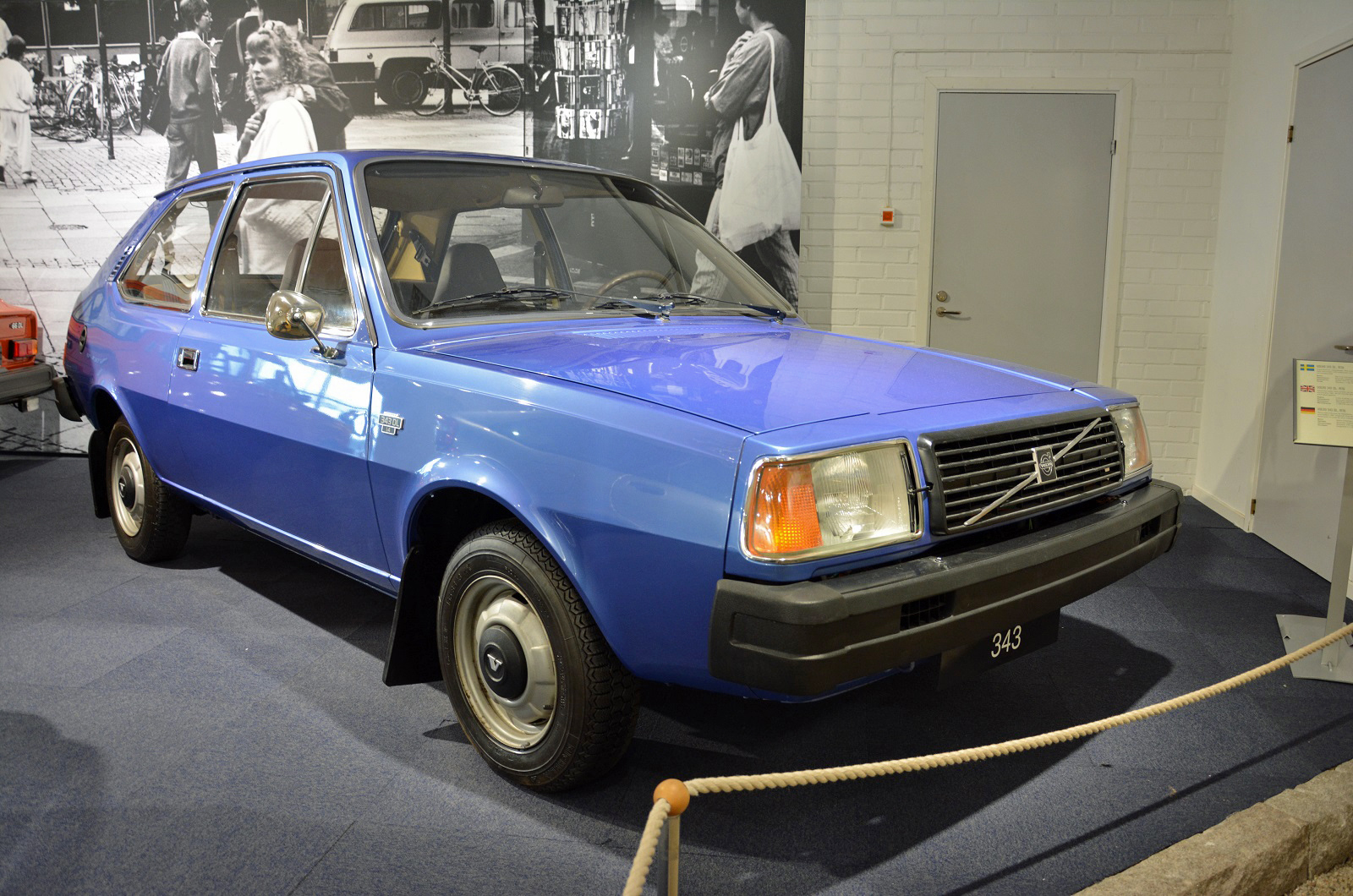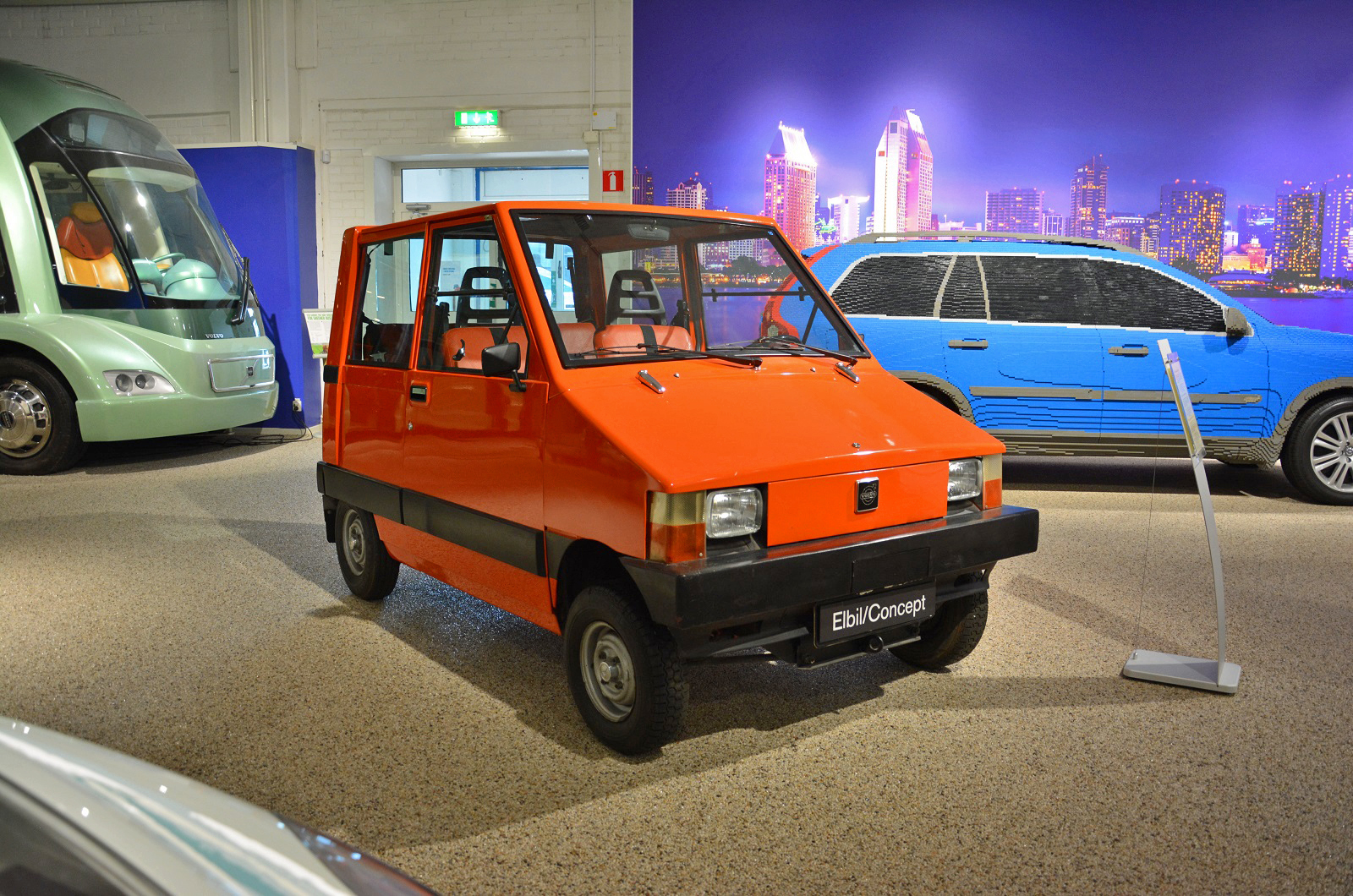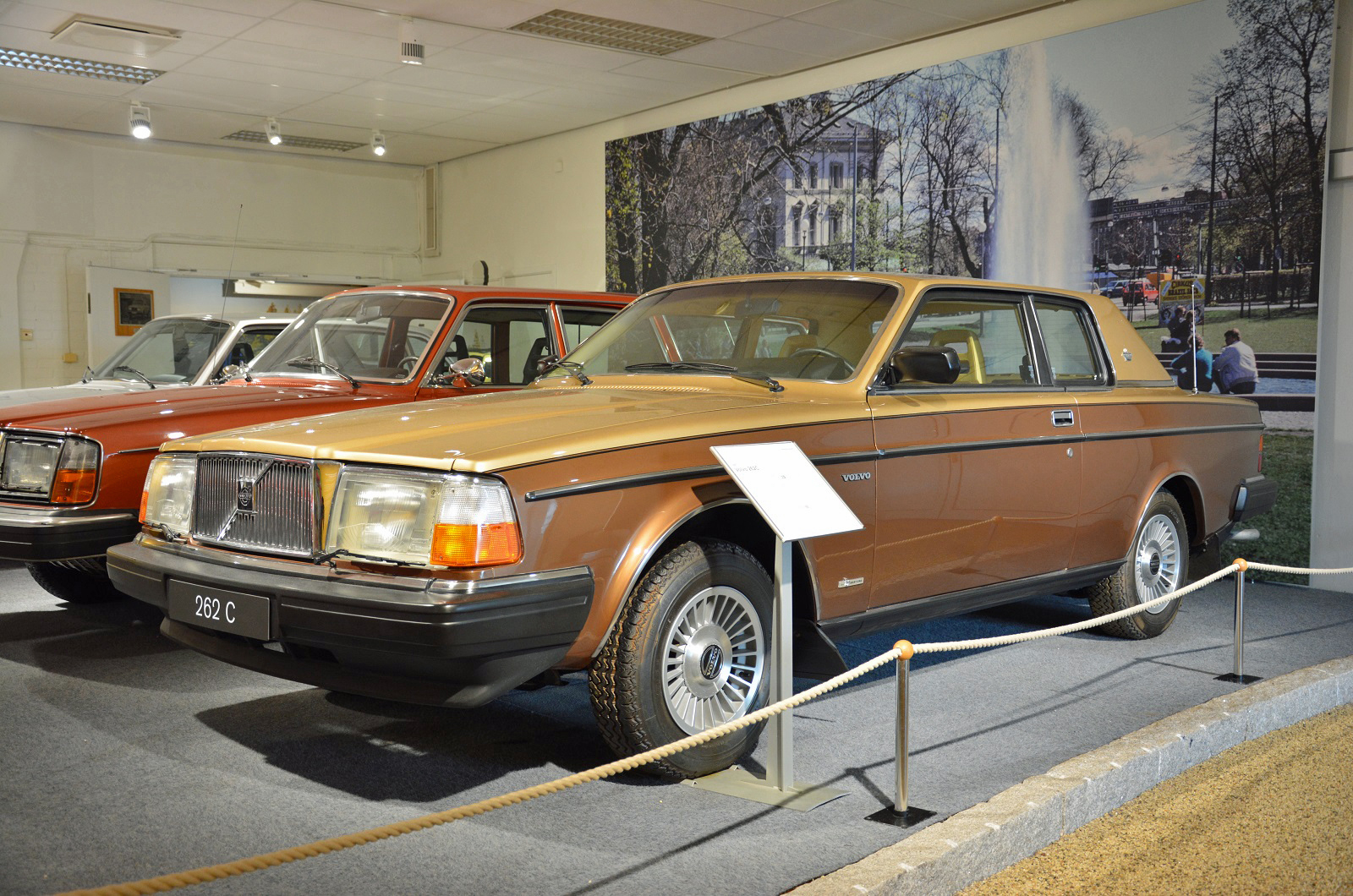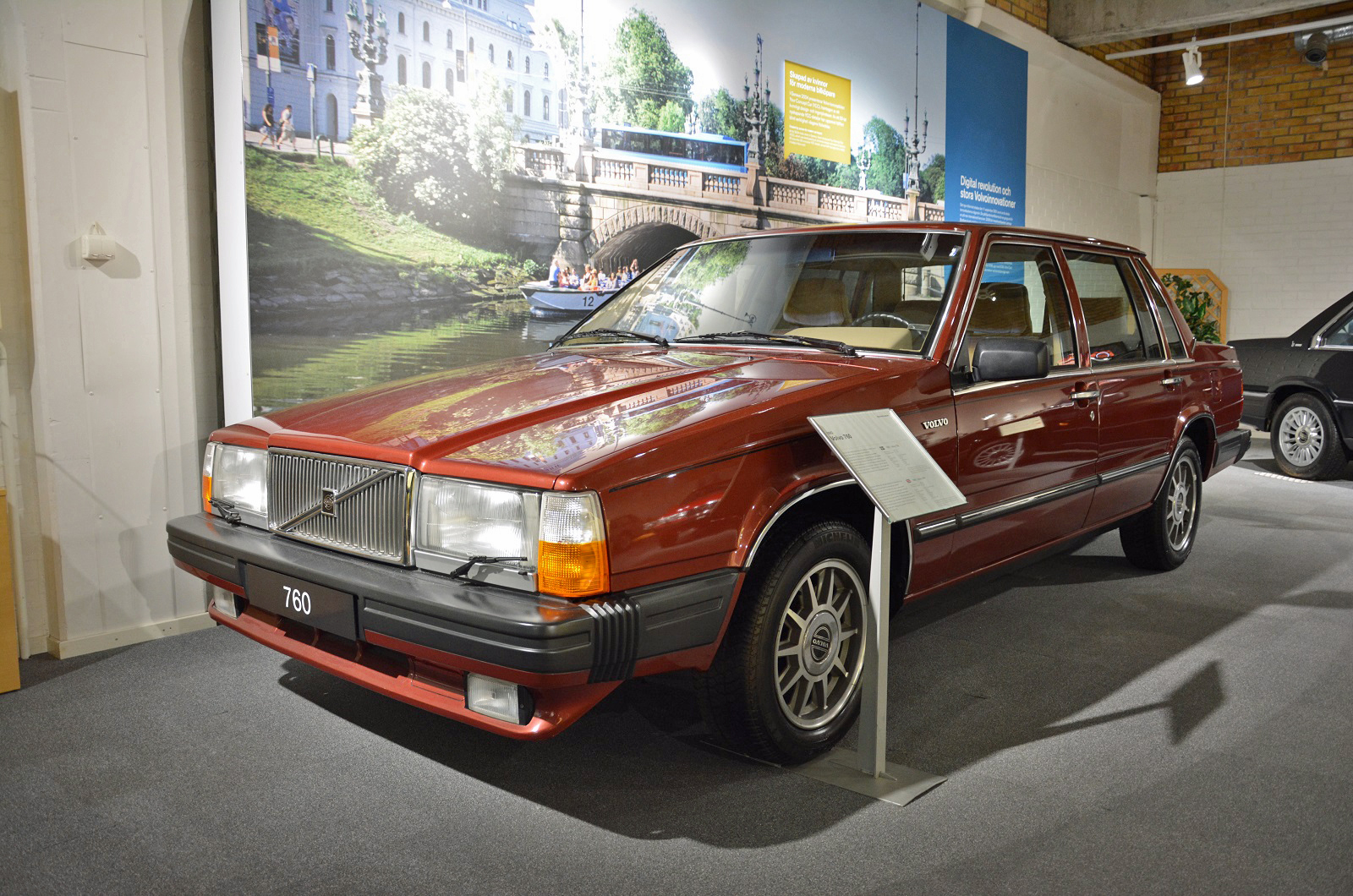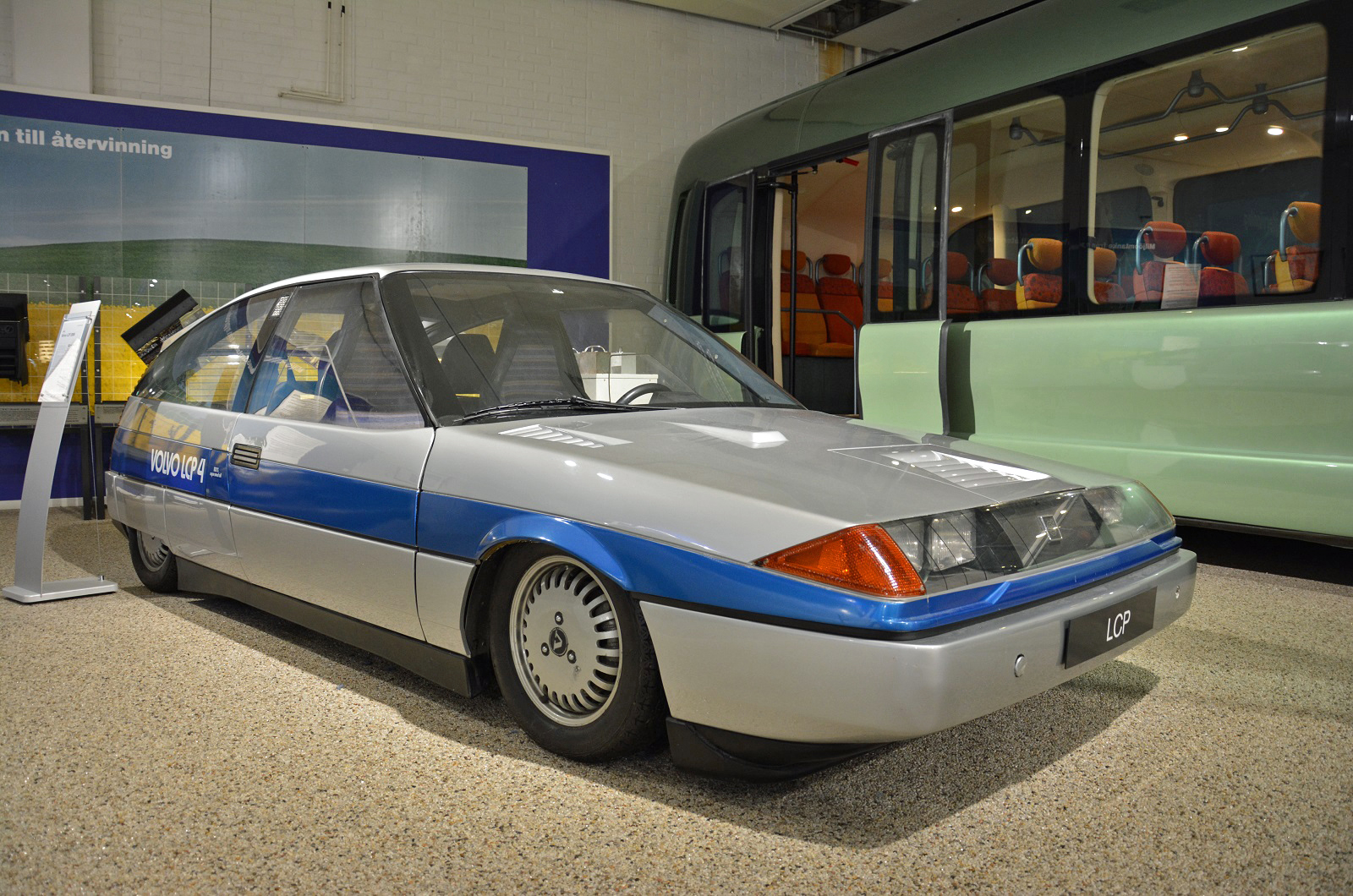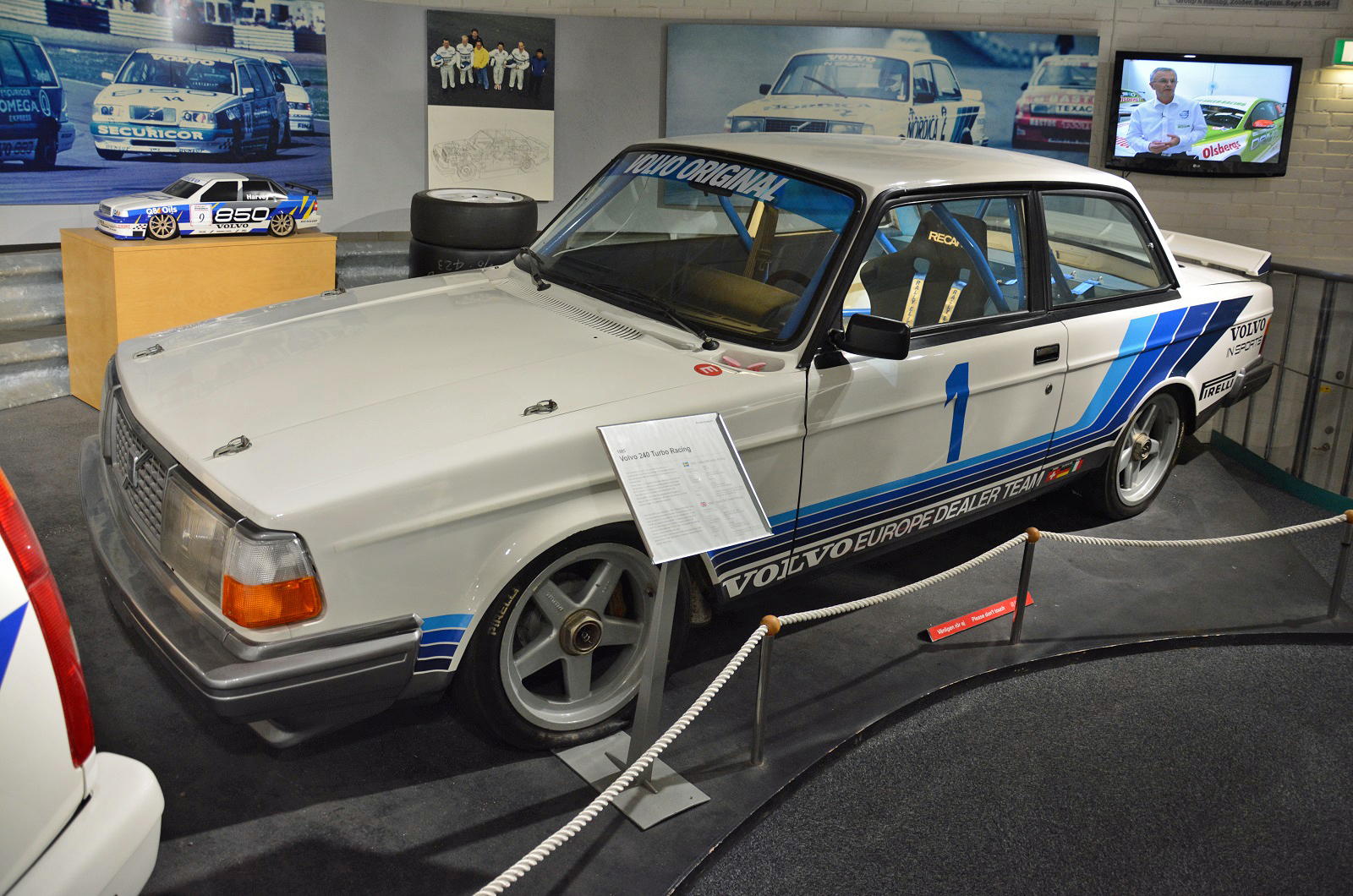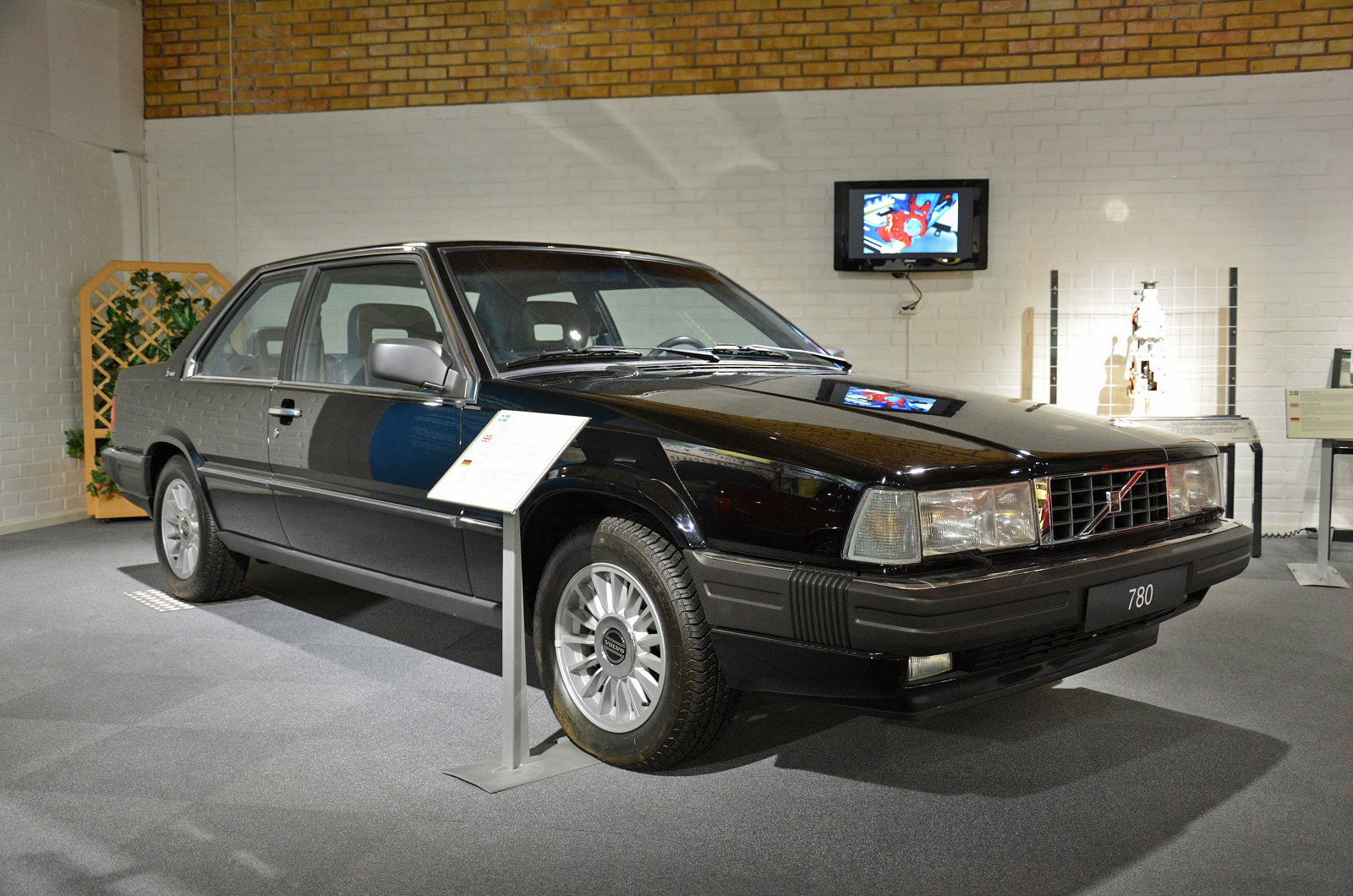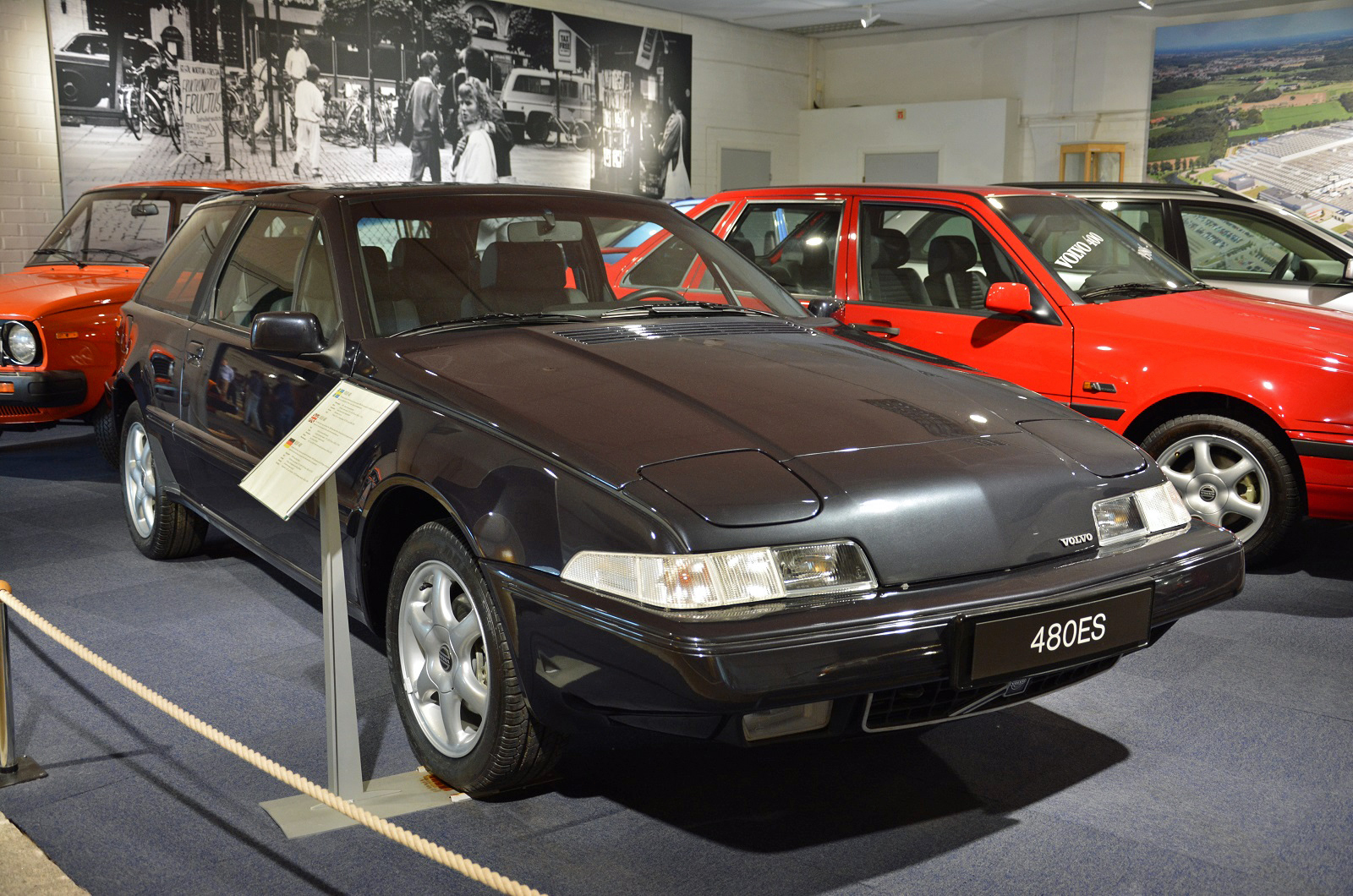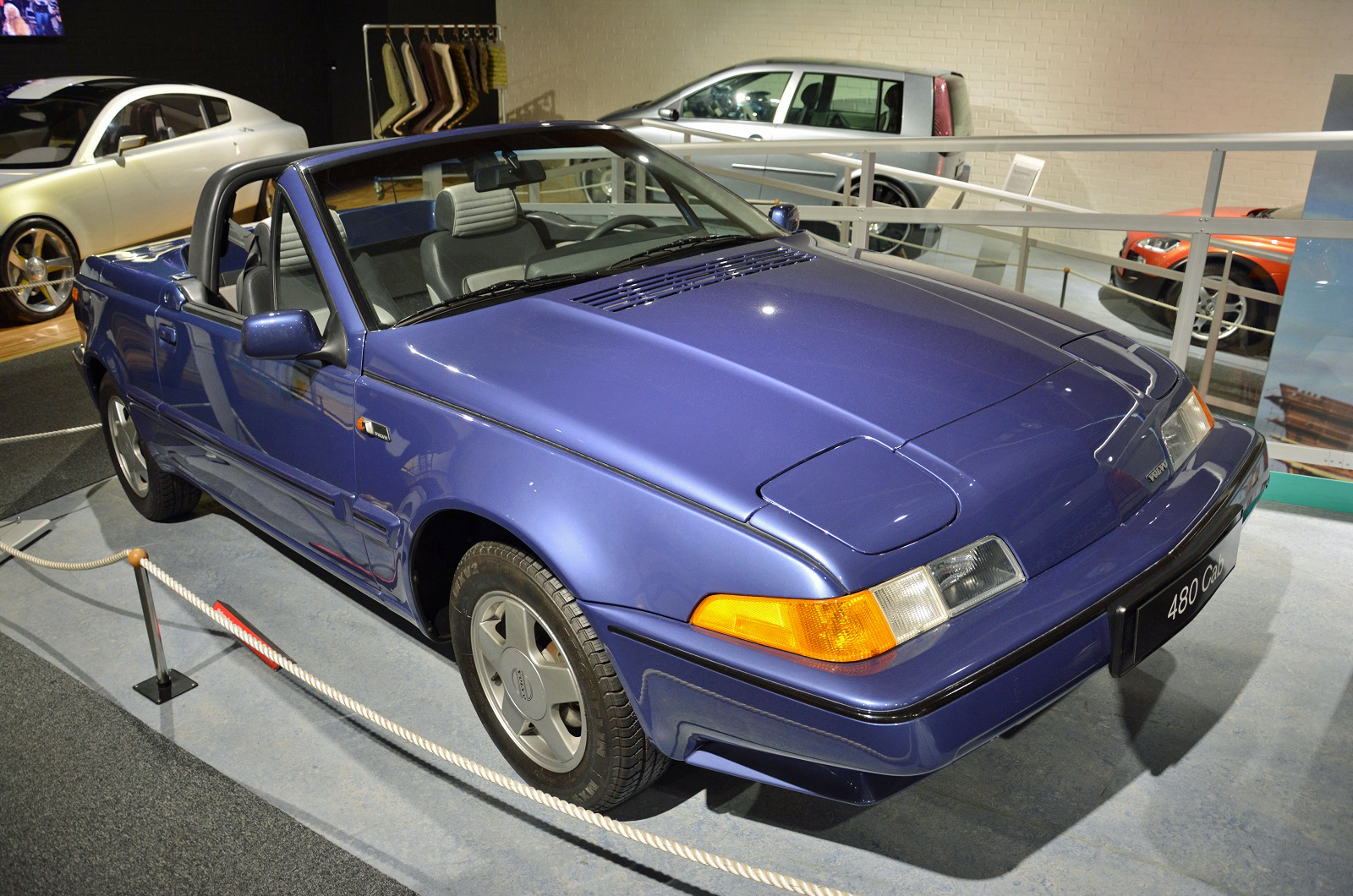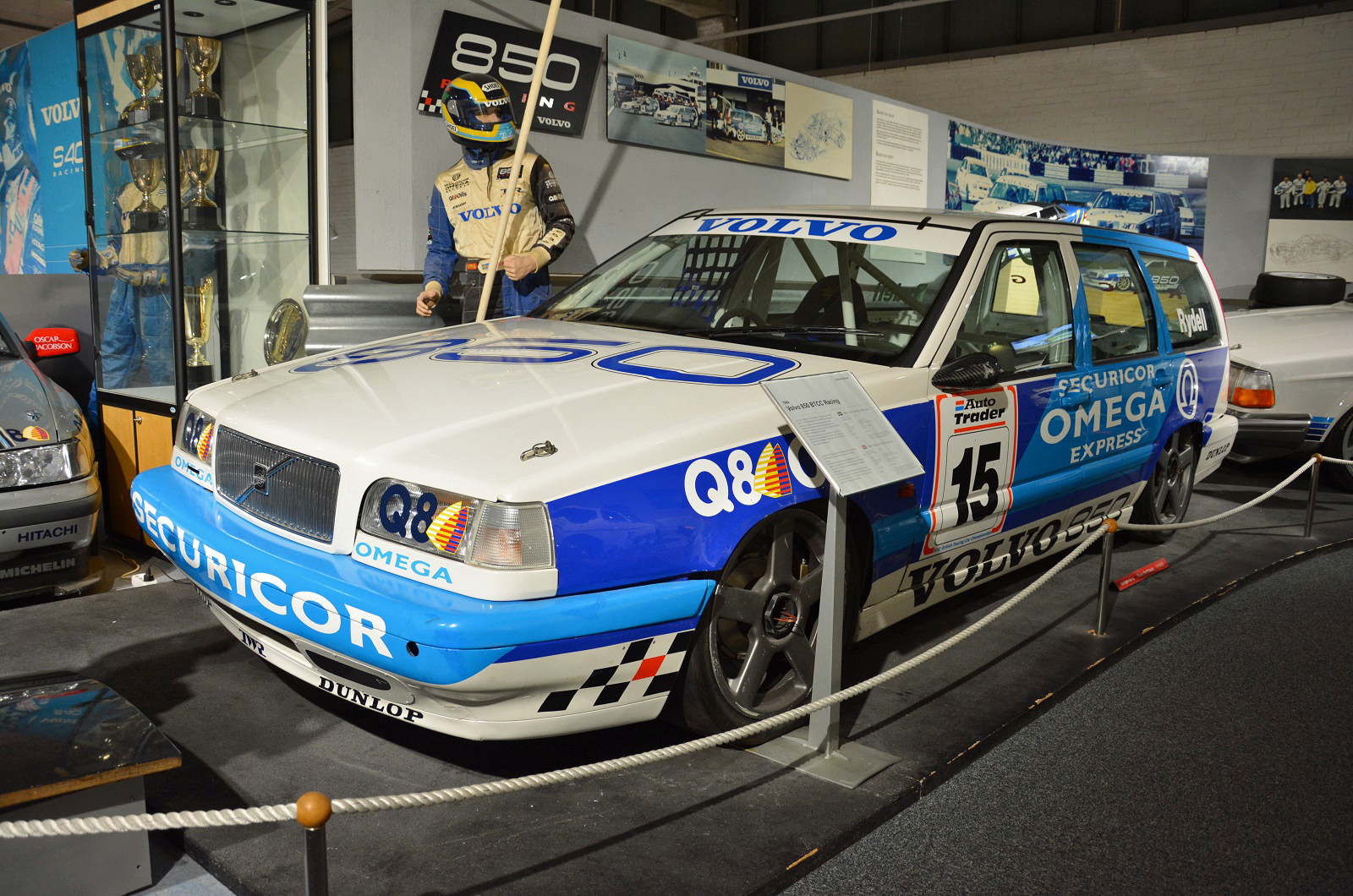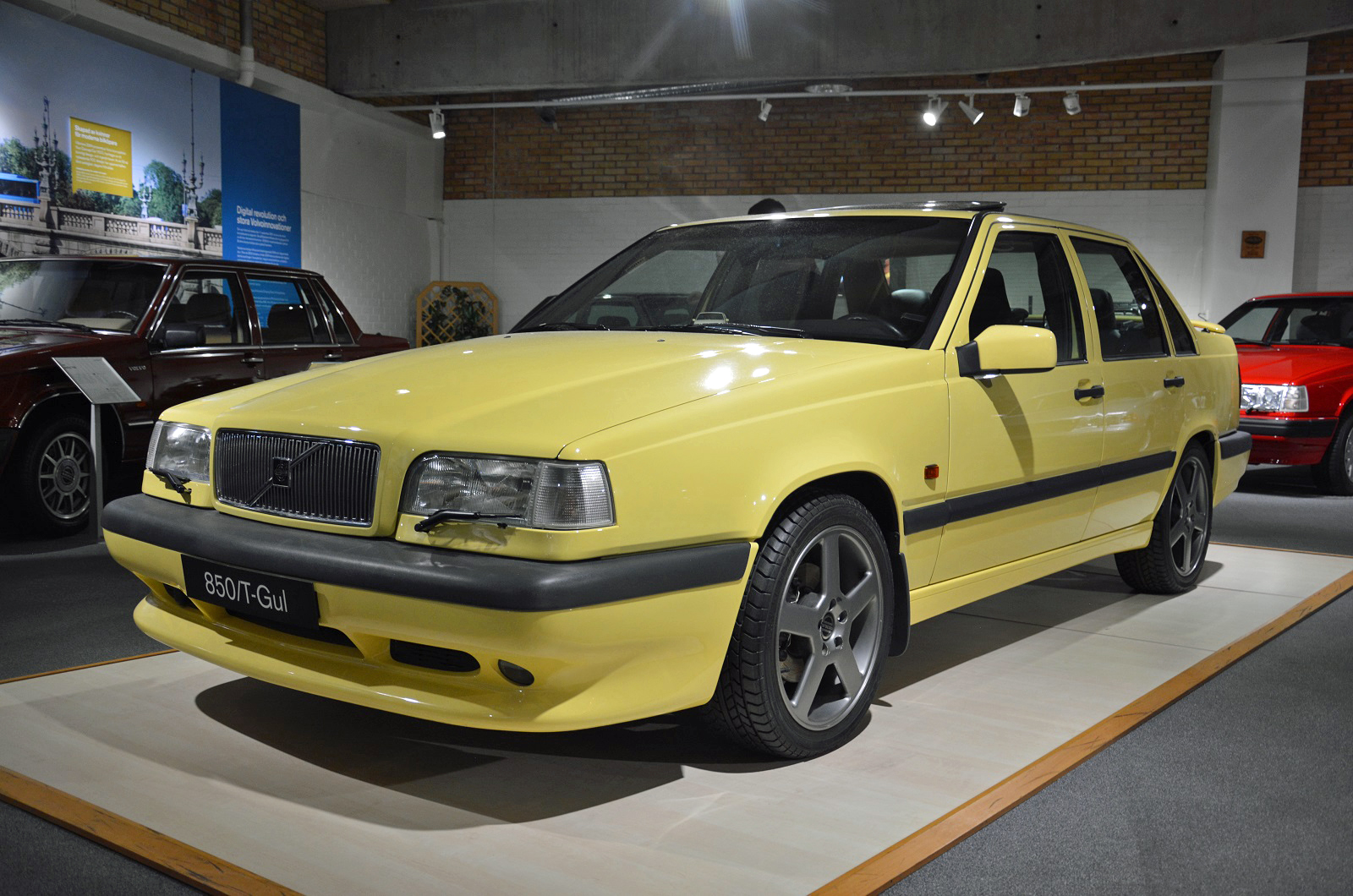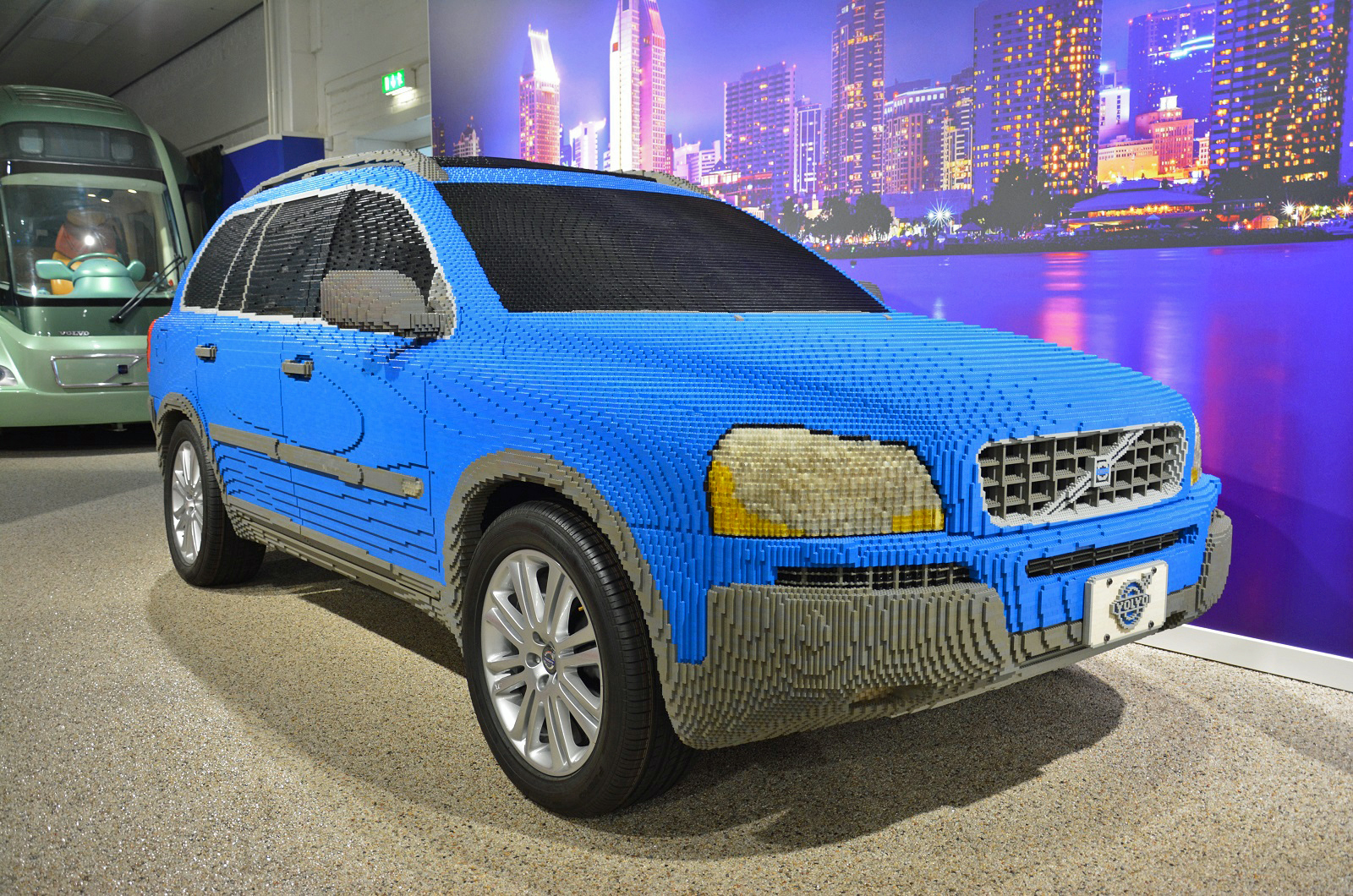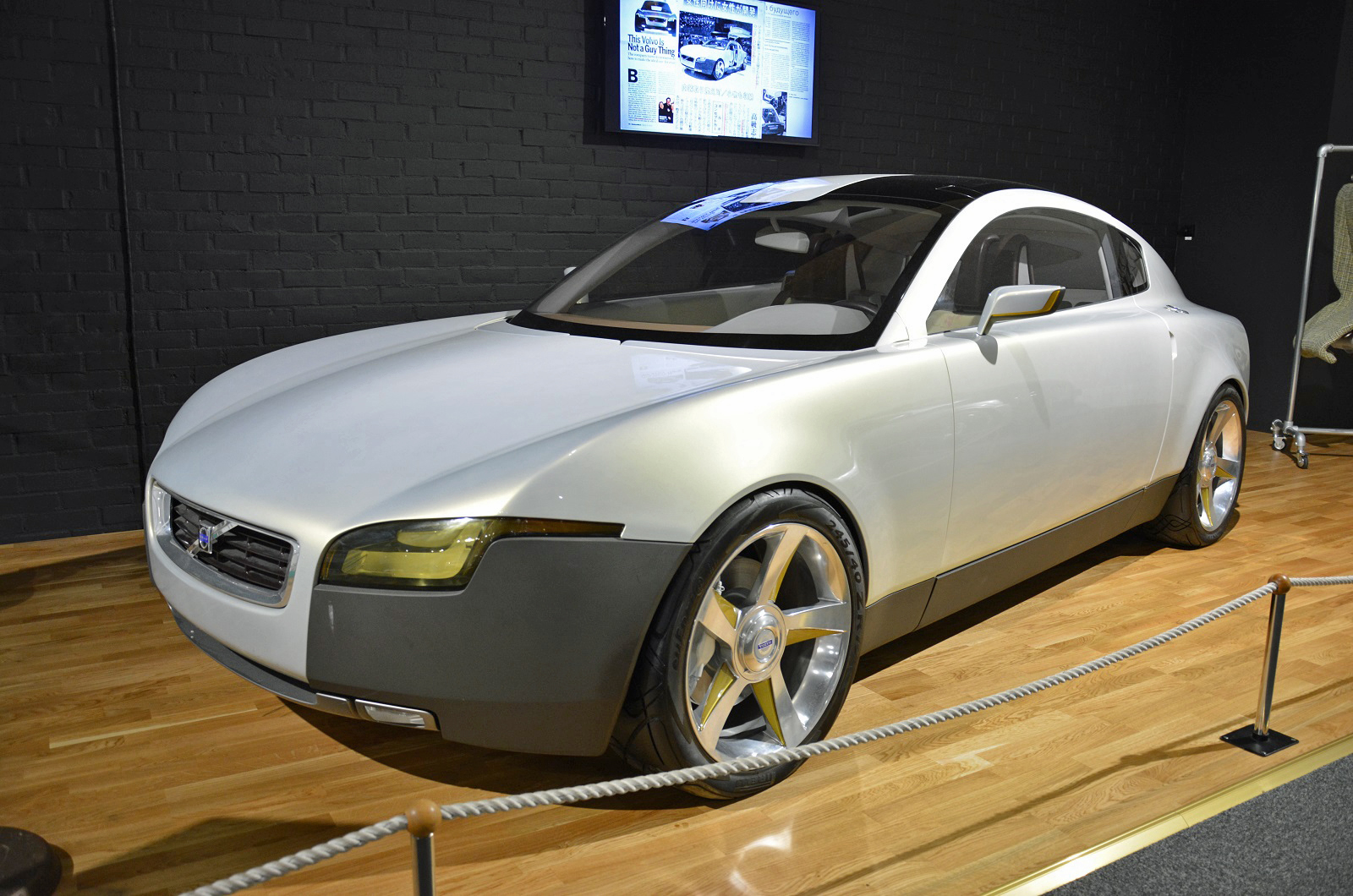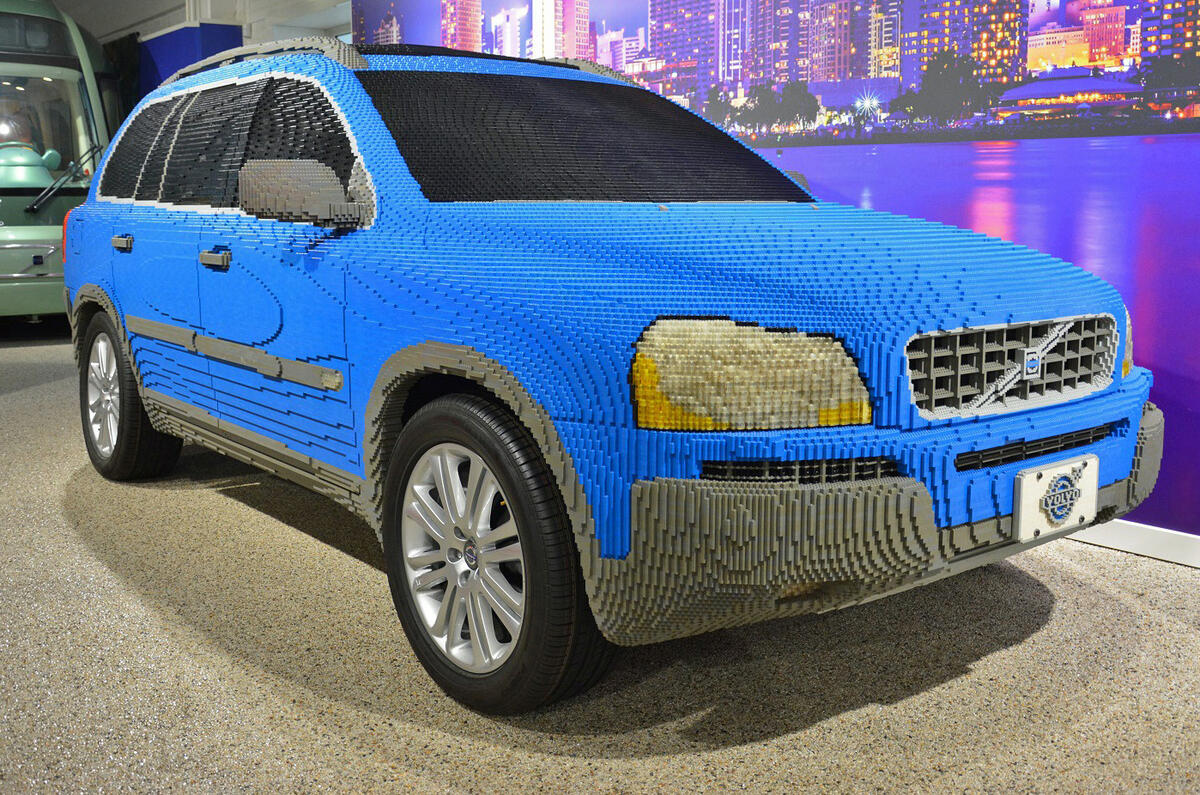

The Volvo Museum was a treasure trove of the brand’s finest machinery.
Now permanently closed with many of the exhibits transferred to the new World of Volvo, the museum showed the brand made more than just bricks. It’s true that, even with its classic cars, the company often put a much greater emphasis on safety than on design.
But it has also shown a tremendous amount of creativity since its inception in 1927 - with many classic Volvos sporting stunning exteriors. Walking through the official Volvo museum in Gothenburg, Sweden, reveals how decision-makers injected performance and luxury into the brand’s line-up without diluting its image.
Let’s take a look:
ÖV 4 (1927)
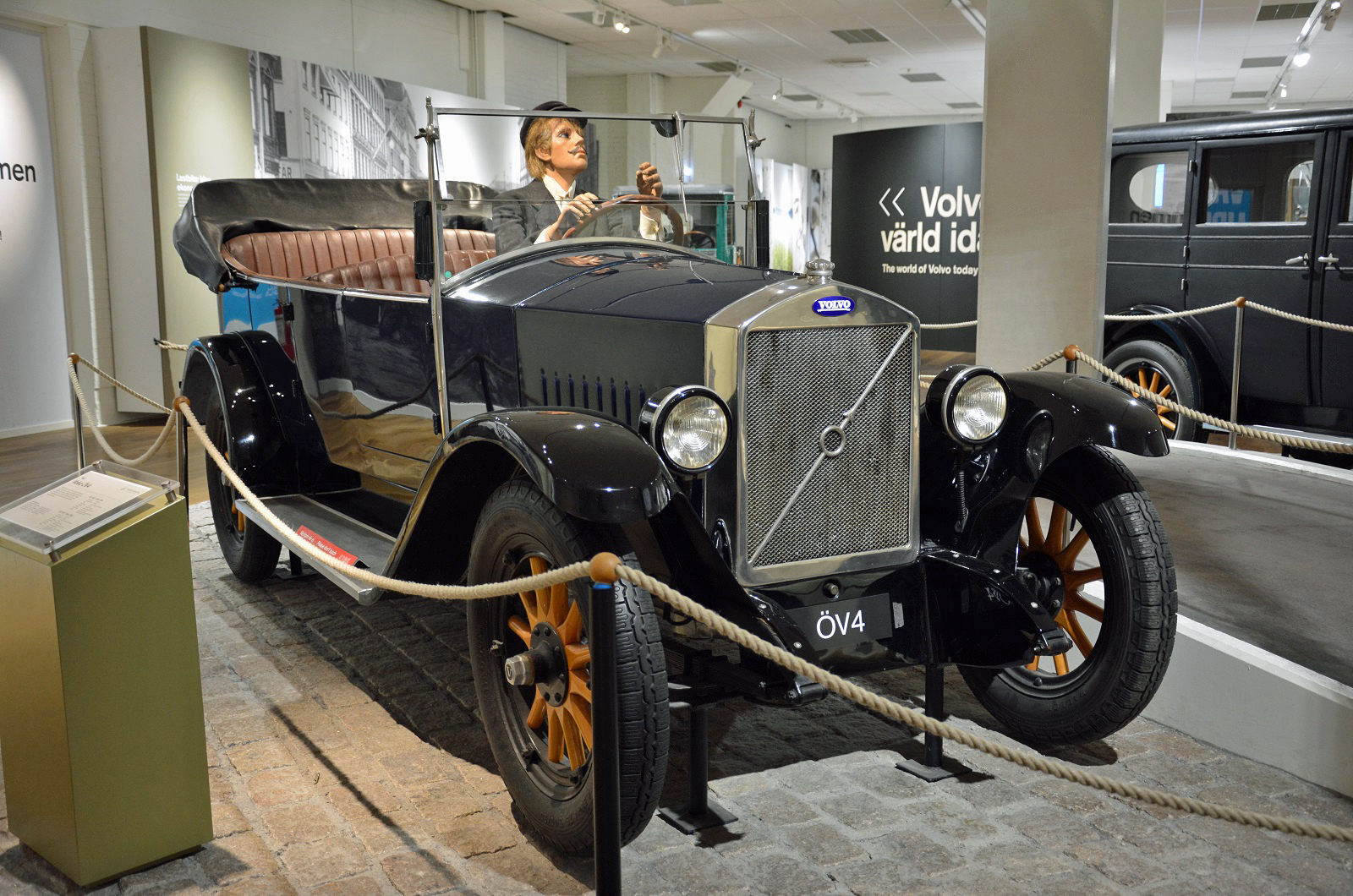
Volvo made its first series-produced car, the ÖV 4, on 14 April 1927. Sales manager Hilmer Johansson got behind the wheel of car number one to ceremoniously drive it off the assembly line and quickly noticed it only moved backwards.
The differential gear in the rear axle had been installed improperly. Shop foreman Johan Fingal fixed the car in 10 minutes and the celebrations carried on as planned. Volvo made 204 ÖV 4s between 1927 and 1929. Only a small handful survive today.
PV 36 (1935)
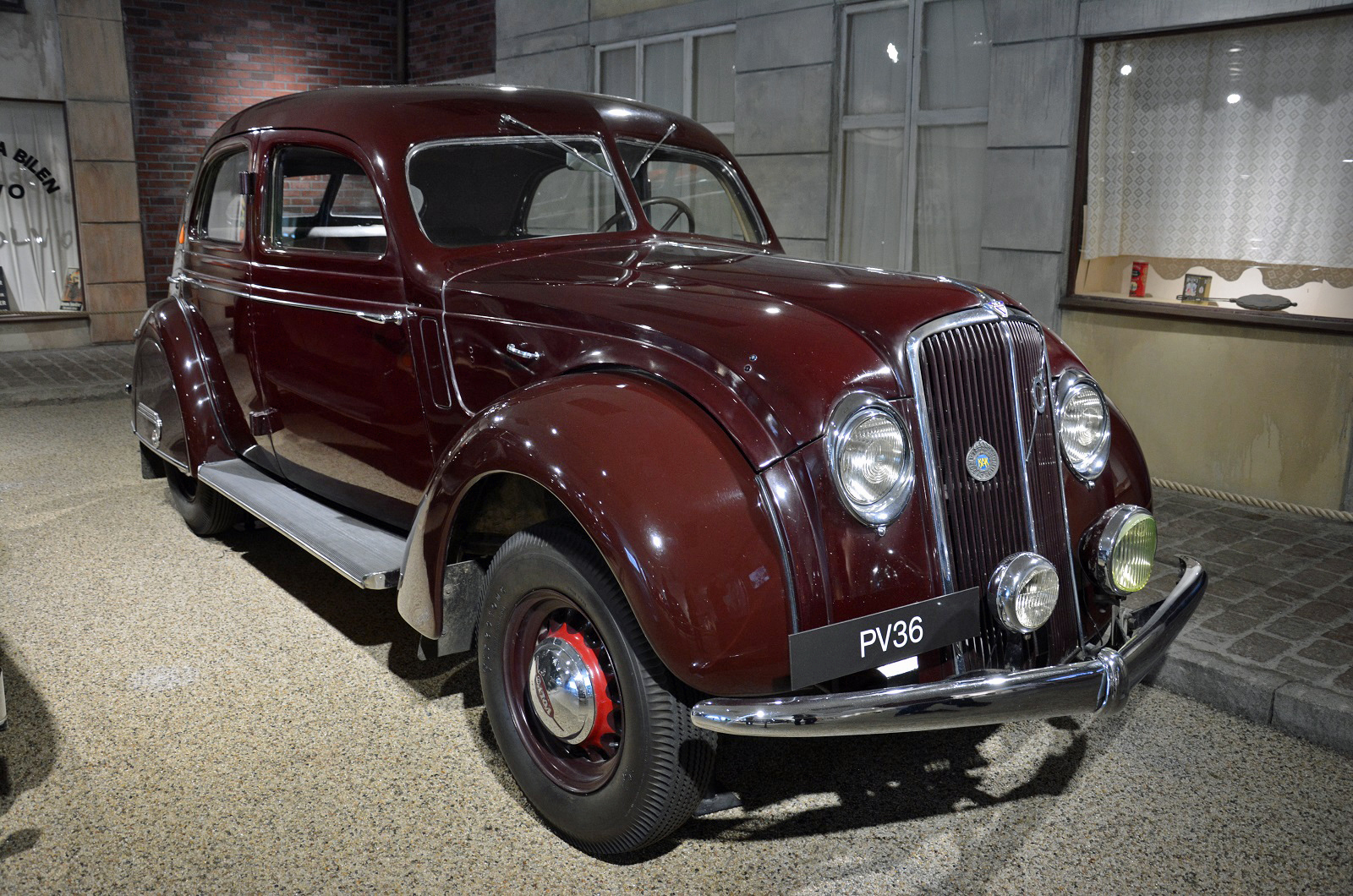
Introduced in 1935, the daring PV 36 looked markedly different than Volvo’s other models. It wore an aerodynamic design characterized by headlights integrated into the body and covered rear wheels.
Many motorists found the look too futuristic and difficult to get used to. The PV 36 – which earned the nickname Carioca – was also heavy, underpowered and expensive. Production ended after Volvo made about 500 examples over a three-year period.
PV 444 (1947)
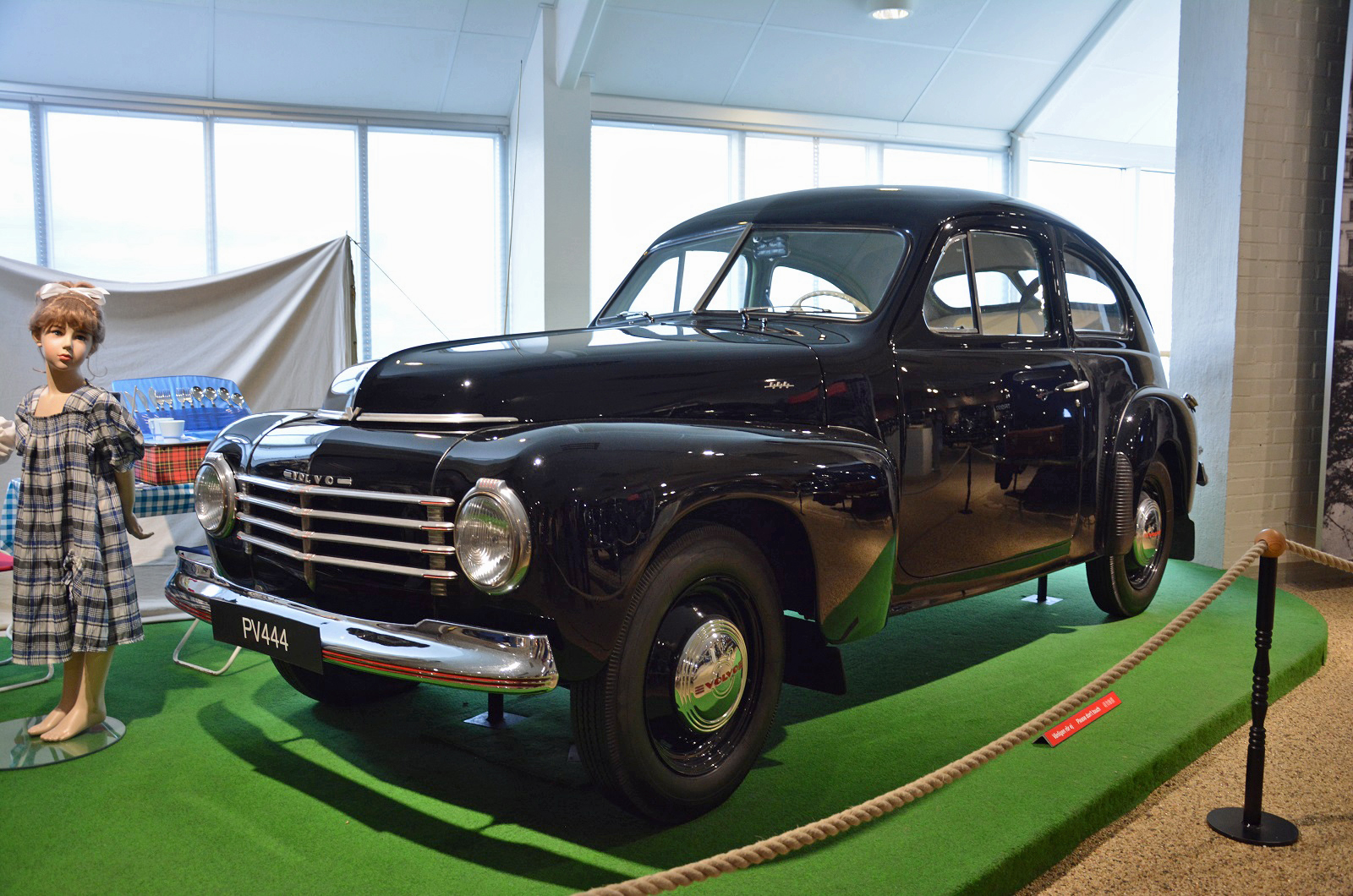
Per-Åke Fröberg, Volvo’s head of heritage, told Autocar the game-changing PV 444 was ready in 1944 but production didn’t start until 1947 due to a labor shortage caused by World War II. The firm had over 10,000 orders to fill at home and abroad when it started making the PV 444.
The PV 444 – which later morphed into the PV 544 – deserves credit for putting Volvo on the map in the United States. Sales in America officially began in 1955 and it became the second best-selling European car (behind the Volkswagen Beetle) in California two years later.
PV 61 (1949)
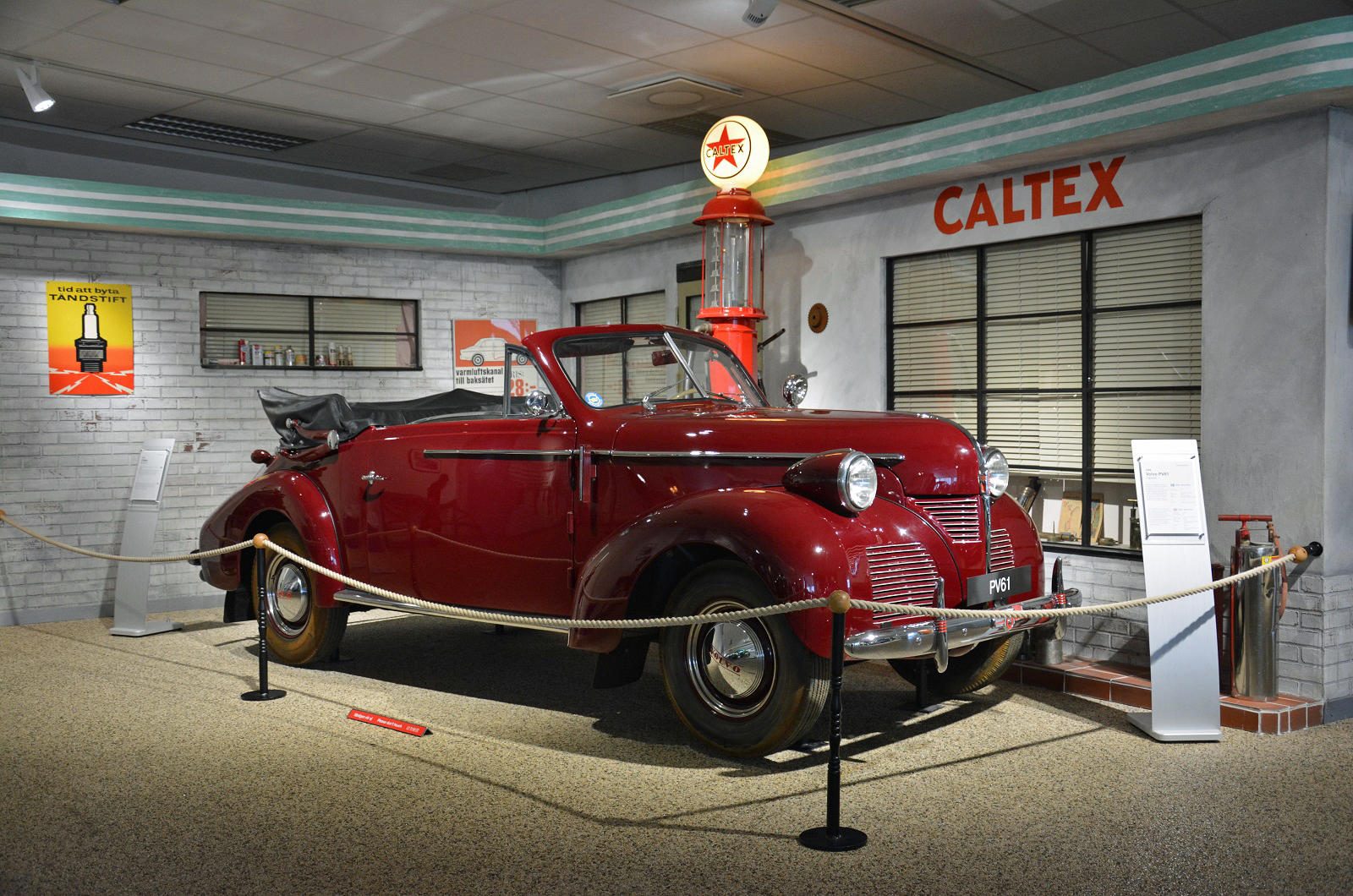
Volvo continued offering bare chassis into the 1950s. Most examples were transformed into pickup trucks, delivery vans, or ambulances but a small handful were promised a more exotic life as stylish convertibles prized by Sweden’s jet-setters.
This PV 61 was turned into a roadster by Stockholm-based coachbuilder Nordbergs in 1949 and fully restored by Volvo.
Philip (1953)
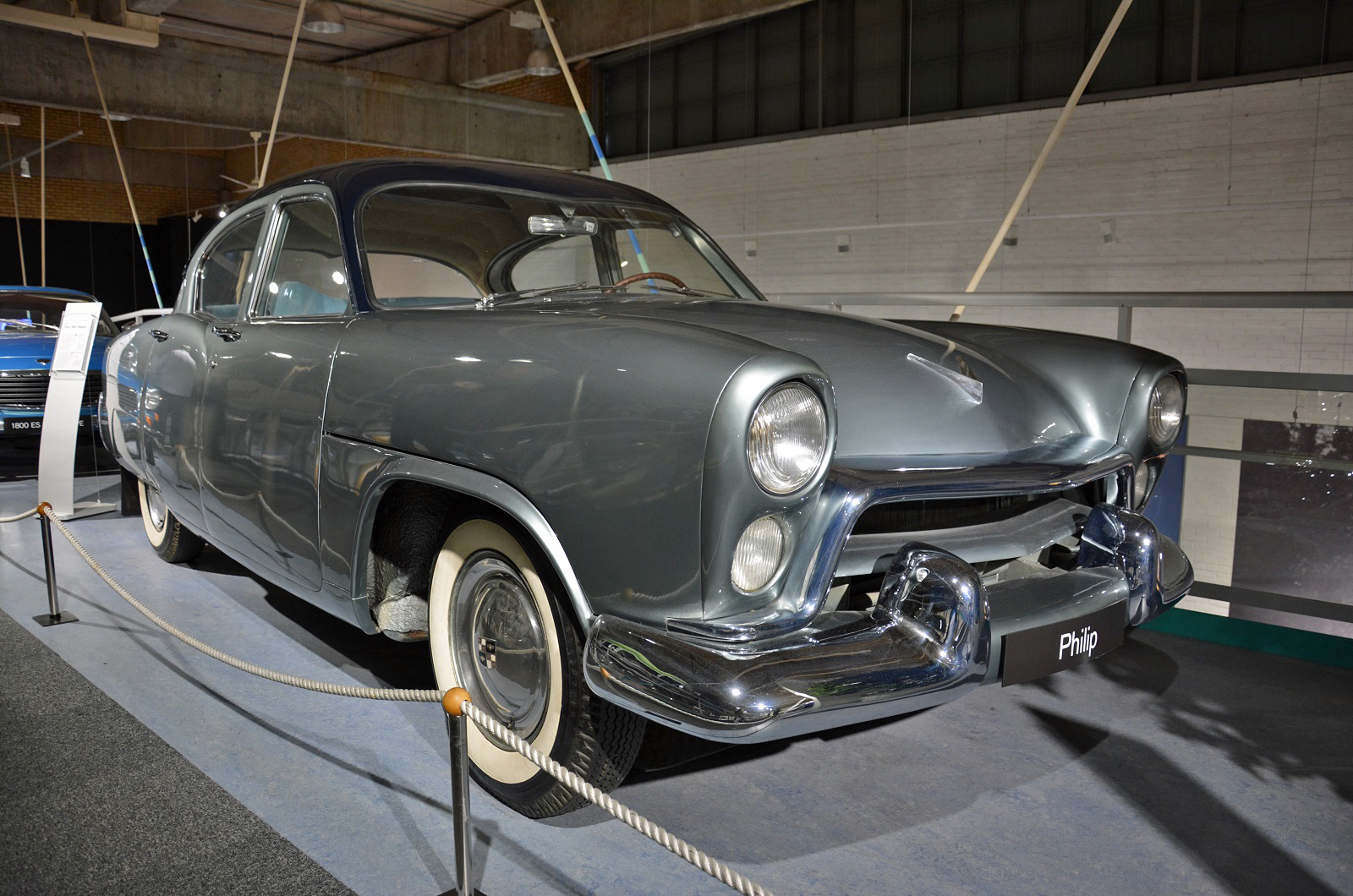
In the 1950s, decades before the term ‘Scandinavian design’ became marketable internationally, Volvo designers often looked across the Atlantic for inspiration. The 1953 Philip prototype looked like an American car with its generous dimensions and big chromed bumpers on both ends.