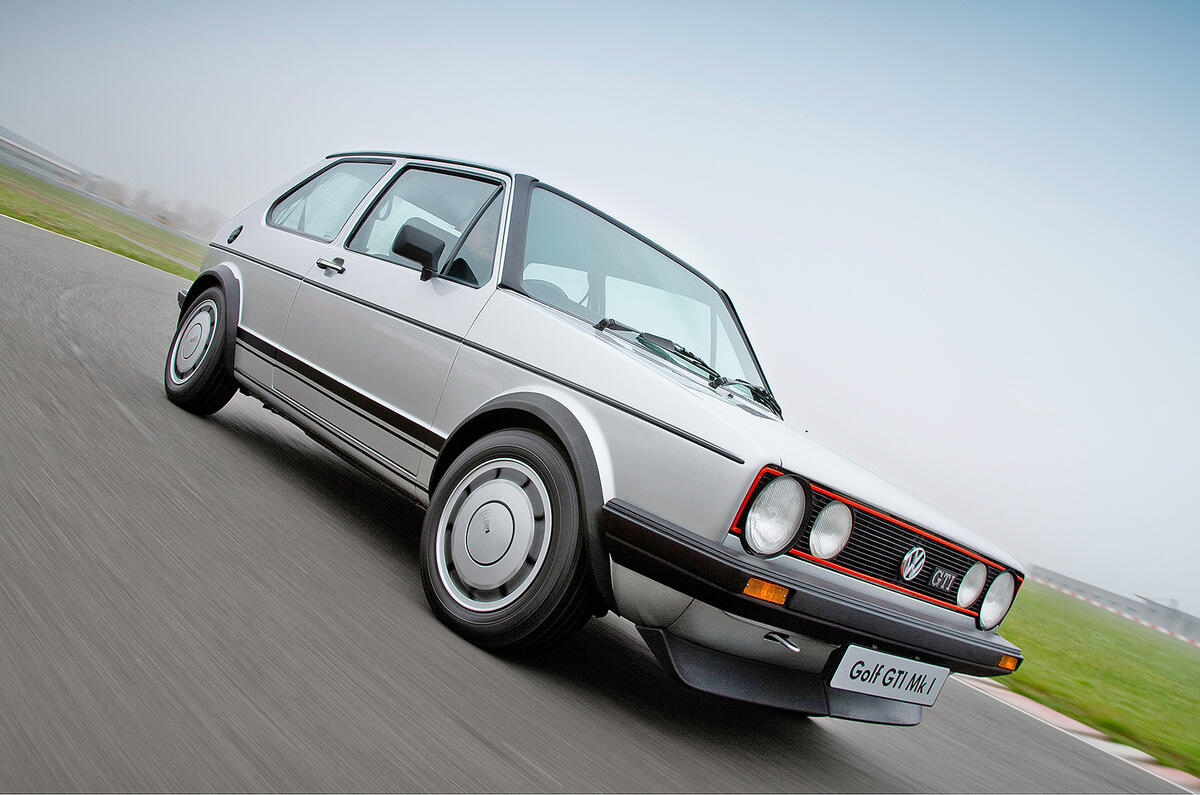

Nothing changed the world like the car.
A car is not just a convenience, a means of carrying people and things long distances in short periods of time. For more people in more places around the world than anything else, the car is freedom. It is something that lives outside your house that will take you pretty much anywhere you like, any time you want to go there.
In almost all cases it can be counted upon to be quiet, comfortable, fast and reliable. It is the most extraordinary device, arguably man’s greatest creation to date. But there are cars and there are cars. Most simply try to improve on what’s gone before. But a few have sought not merely to be better, but to be different. Sometimes it doesn’t work – remarkably Subaru’s idea of a four-wheel drive system activated by the windscreen wipers failed to, ahem, gain traction – but just a tiny number have altered the course of automotive history for the better.
If cars changed the world as they most assured did these, then, are those that changed the world of the car:
Rolls-Royce Silver Ghost (1907)
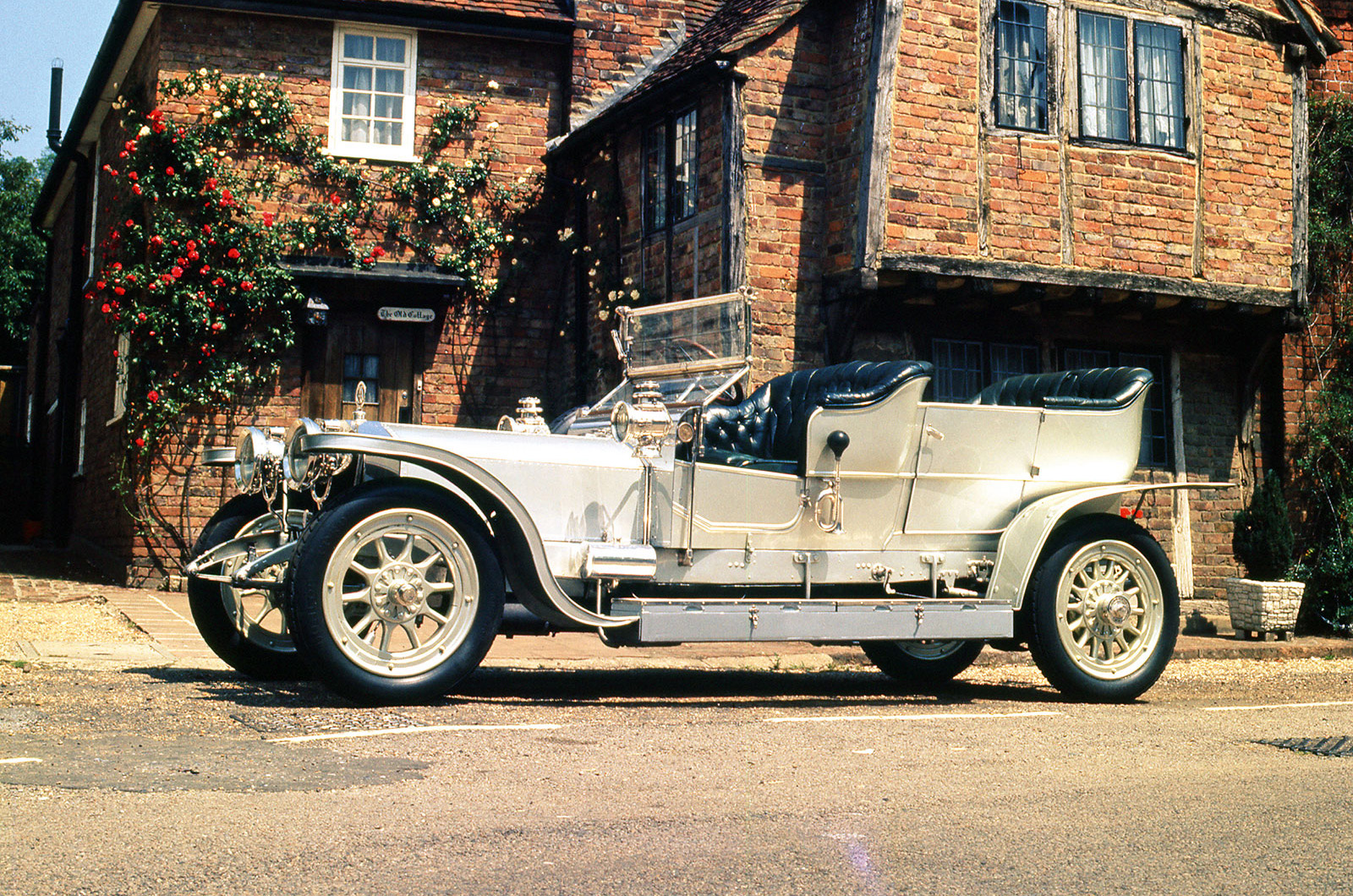
Why kick off with this rather than the Benz Patent Motorwagen, better known as the world’s first car? Pedantically, you can’t change a world that didn’t exist prior to your arrival, but perhaps more persuasively the Benz was so unsuited to doing distances that Benz didn’t even see fit to equip it with a fuel tank.
The Silver Ghost by contrast, was the first car with modern car reliability. Officially known as the 40/50hp model, one car was painted silver, given a name that would pass into motoring folklore and sent off to drive from London to Glasgow 27 times. It was 15,000 miles on roads we’d probably recognise as tracks and, save a fuel tap shaking itself shut, not a damn thing went wrong. The reputation of what came to be regarded as the world’s greatest car company was started here.
Ford Model T (1908)
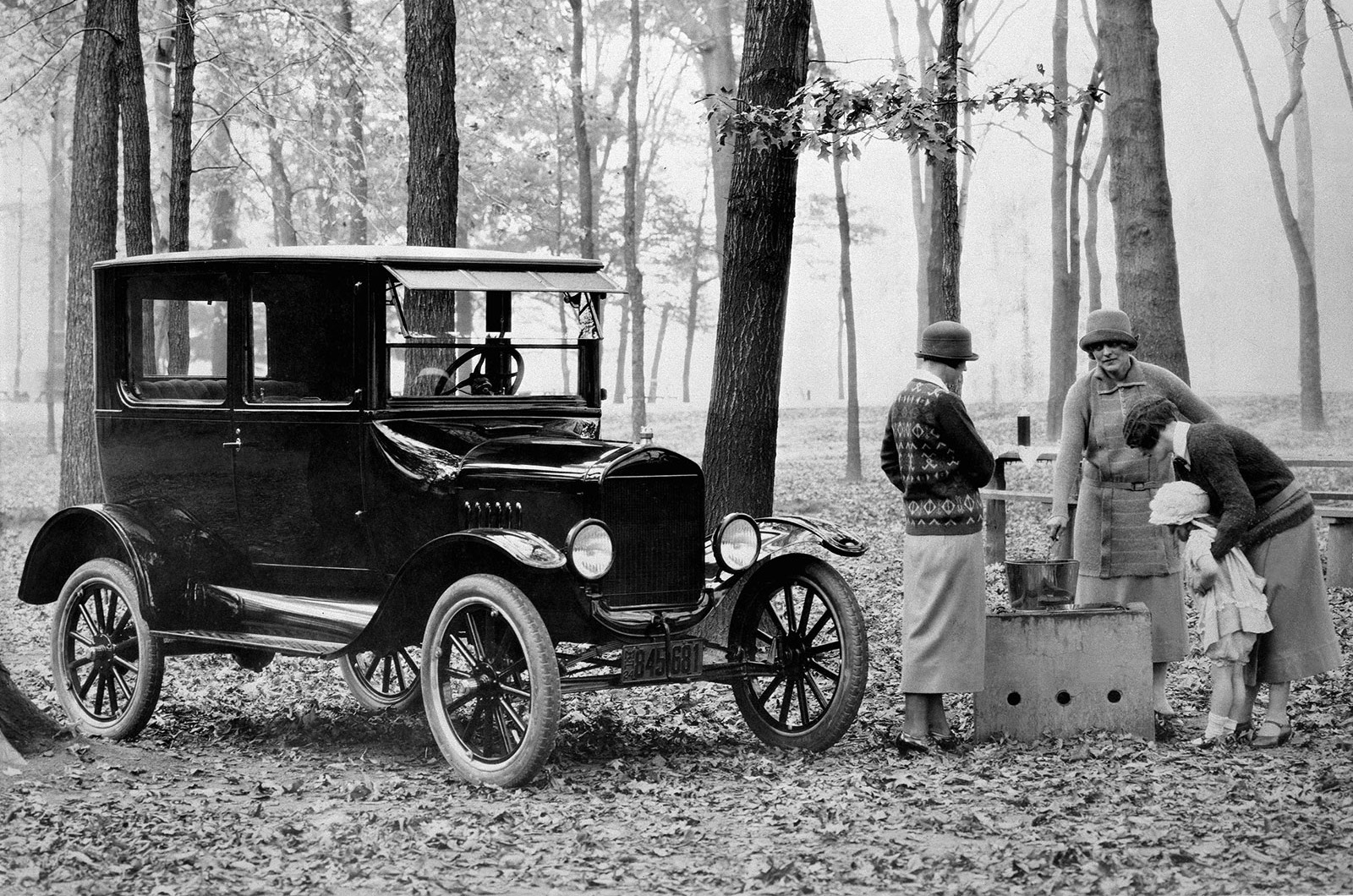
It would take 22 years from the birth of the car until the Model T brought motoring to the masses. The car was awkward to drive even by the standards of the day, the revolution being the way in which it was built: mass production on an assembly line of a single car in a single colour. It went on sale in 1908 at a cost equivalent to around $20,000 today, a price which then but fell and fell as the efficiencies of the new production method became apparent.
Soon half of all cars sold in the US were Model Ts and by 1923 it cost under $300, around $4200 in modern money. Built in 12 countries on four continents in unprecedented numbers totalling 15 million - this was the car that did more than any other to put the world on wheels.
Cadillac Type 53 (1916)
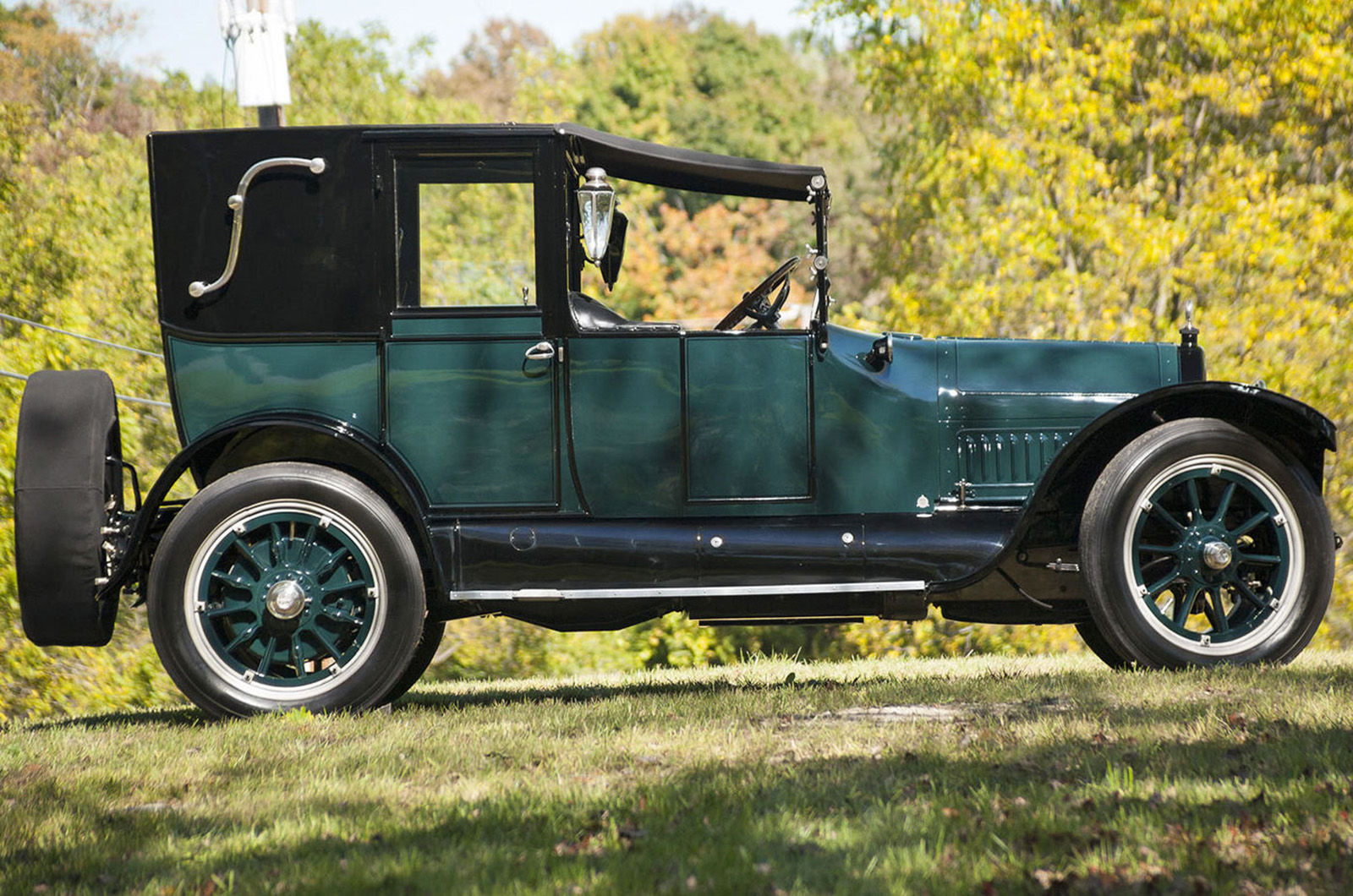
Outwardly, the Type 53 deserves no special mention. It was its predecessor, the Type 51, that featured the pioneering L-head engine – the world’s first mass-produced V8 – and Cadillac only built it for a year before replacing it. But with hindsight, the Type 53 was the first car to land upon the peculiarly intuitive arrangement of control surfaces that we now consider conventional.
Whereas previously the automobile had been operated by levers and handles and pedals in (what now seem) bizarre configurations, the Cadillac had a gear lever and handbrake in between the front seats, and three pedals for the clutch, brake and throttle. Millions followed the trick. It also had an electric starter – vital since hand cranking an eight-cylinder engine would have been arduous and probably perilous.