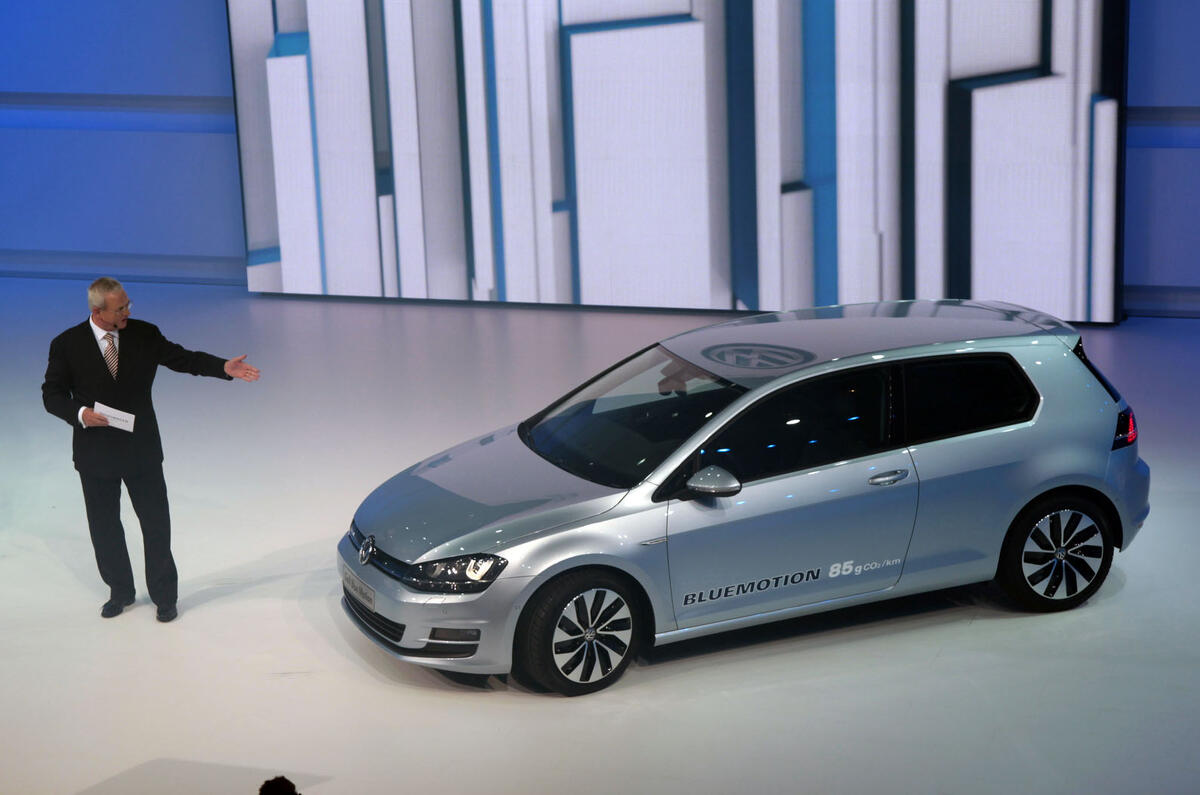
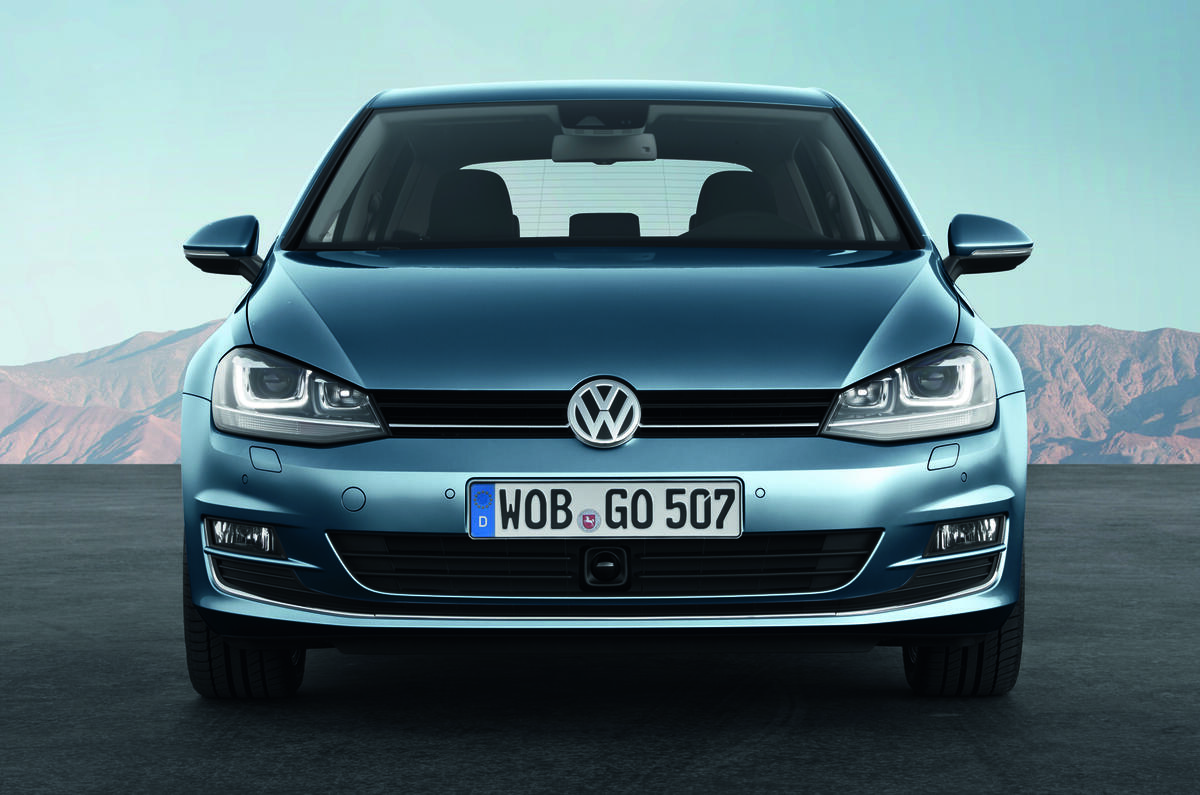
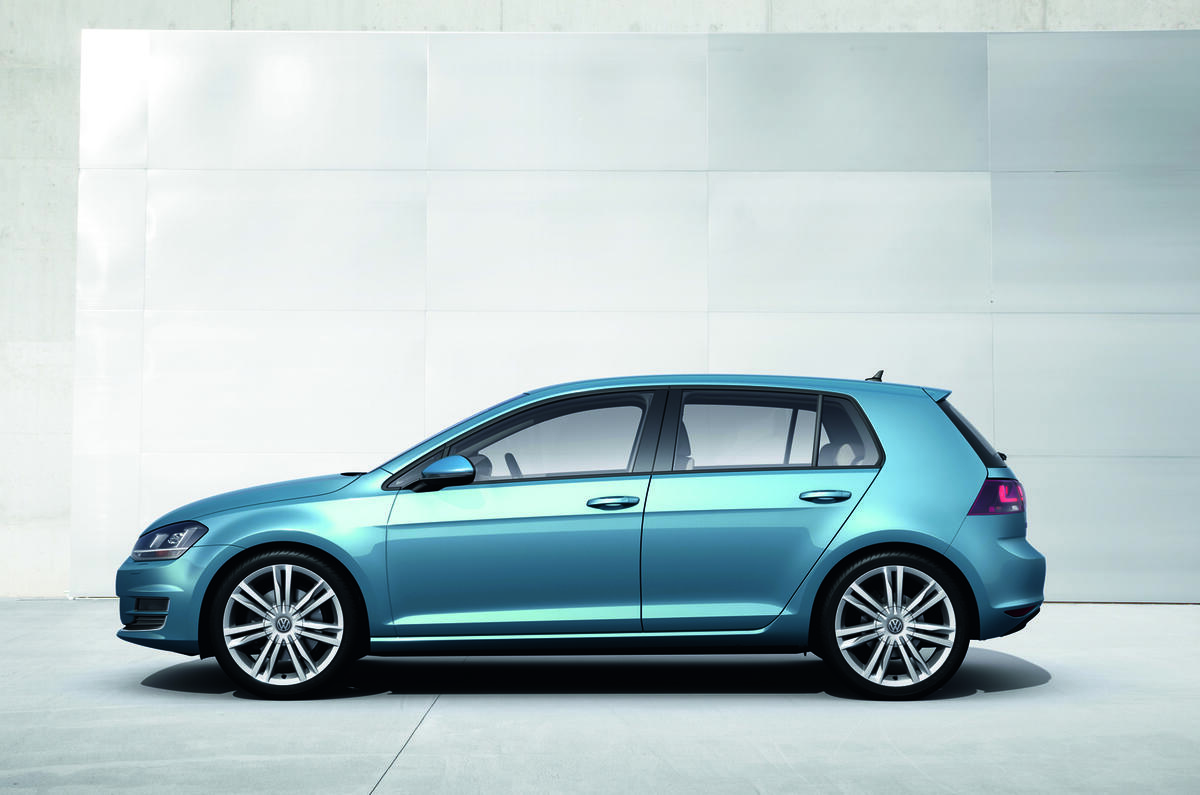
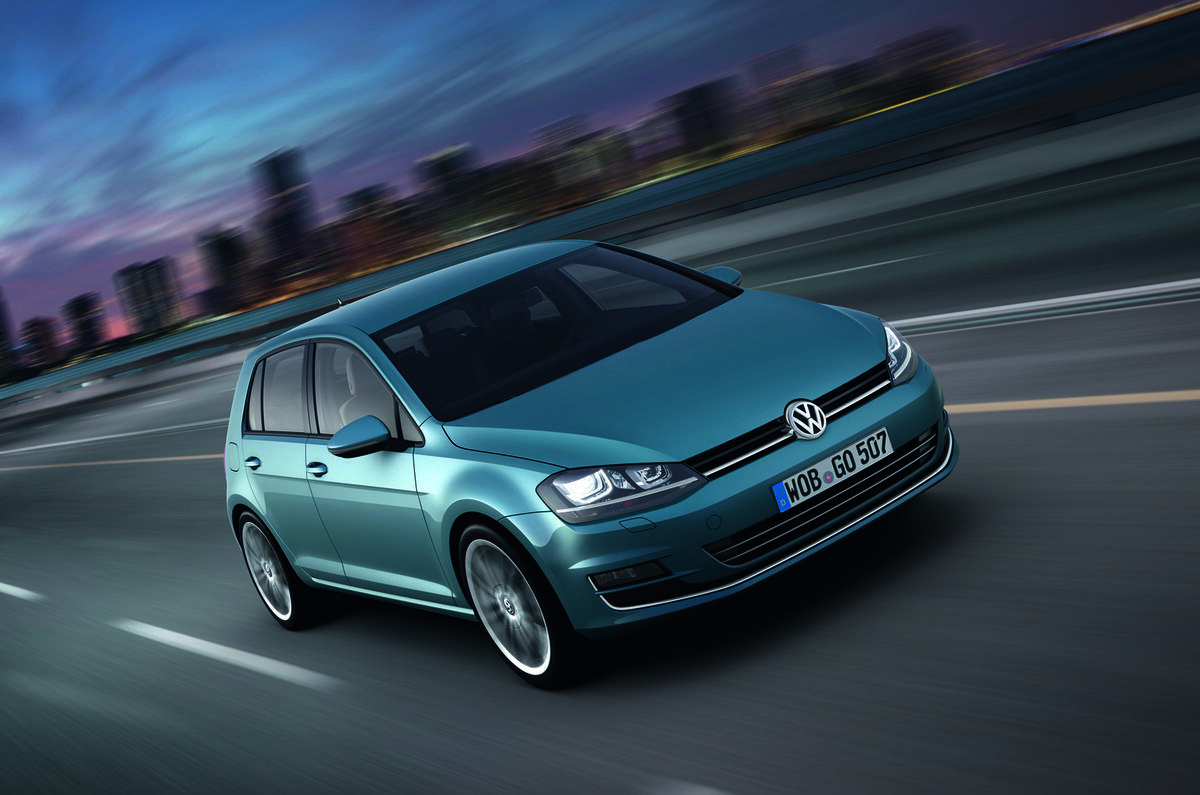
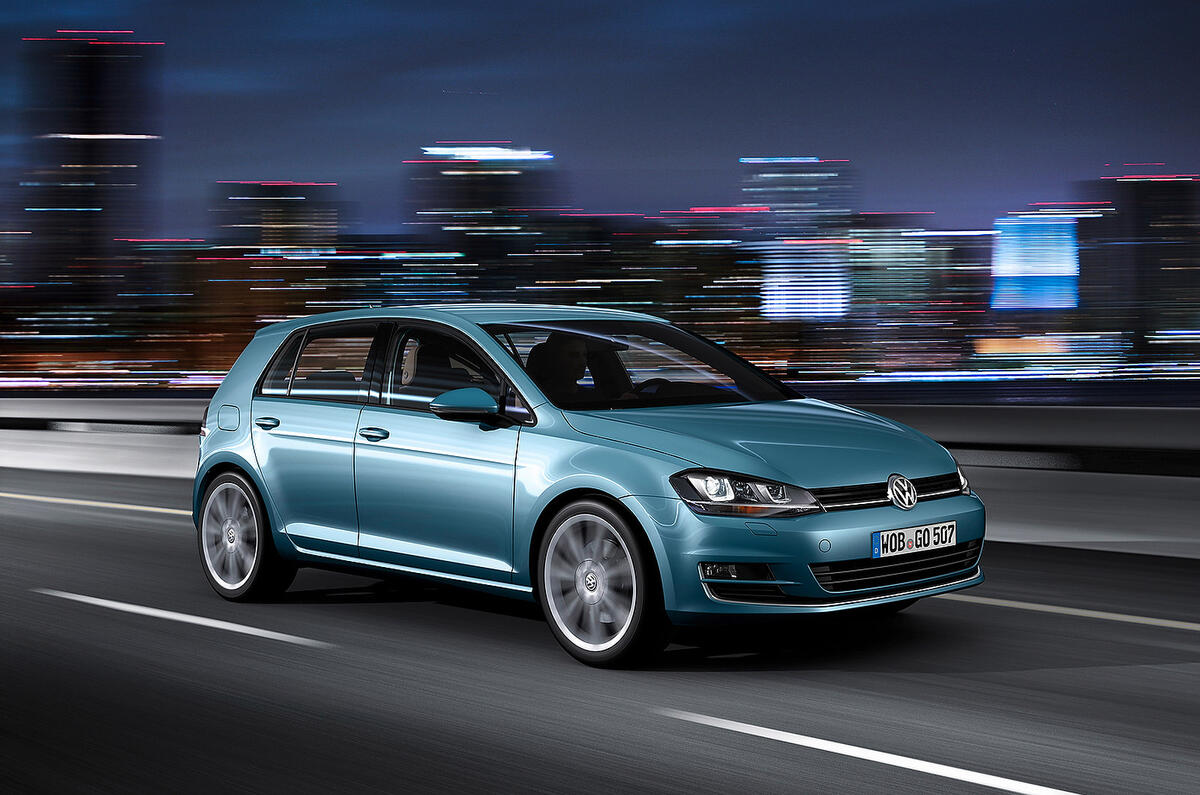
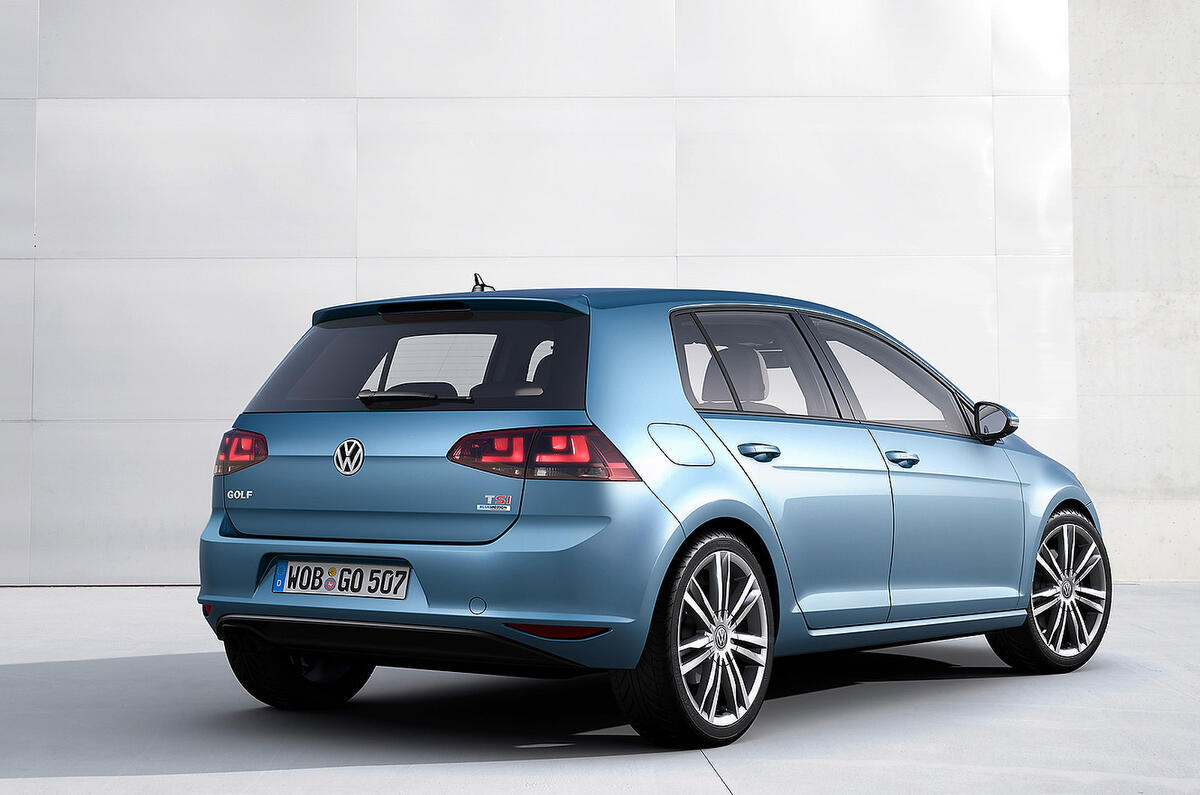
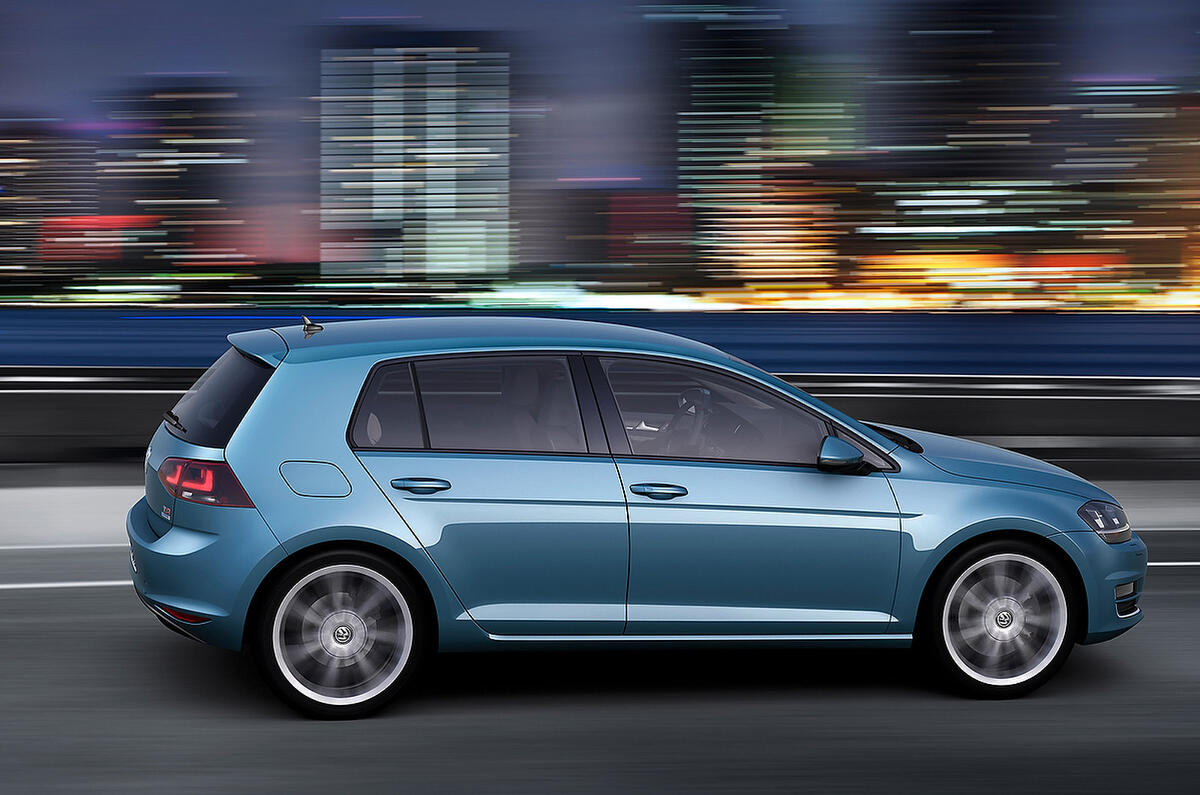
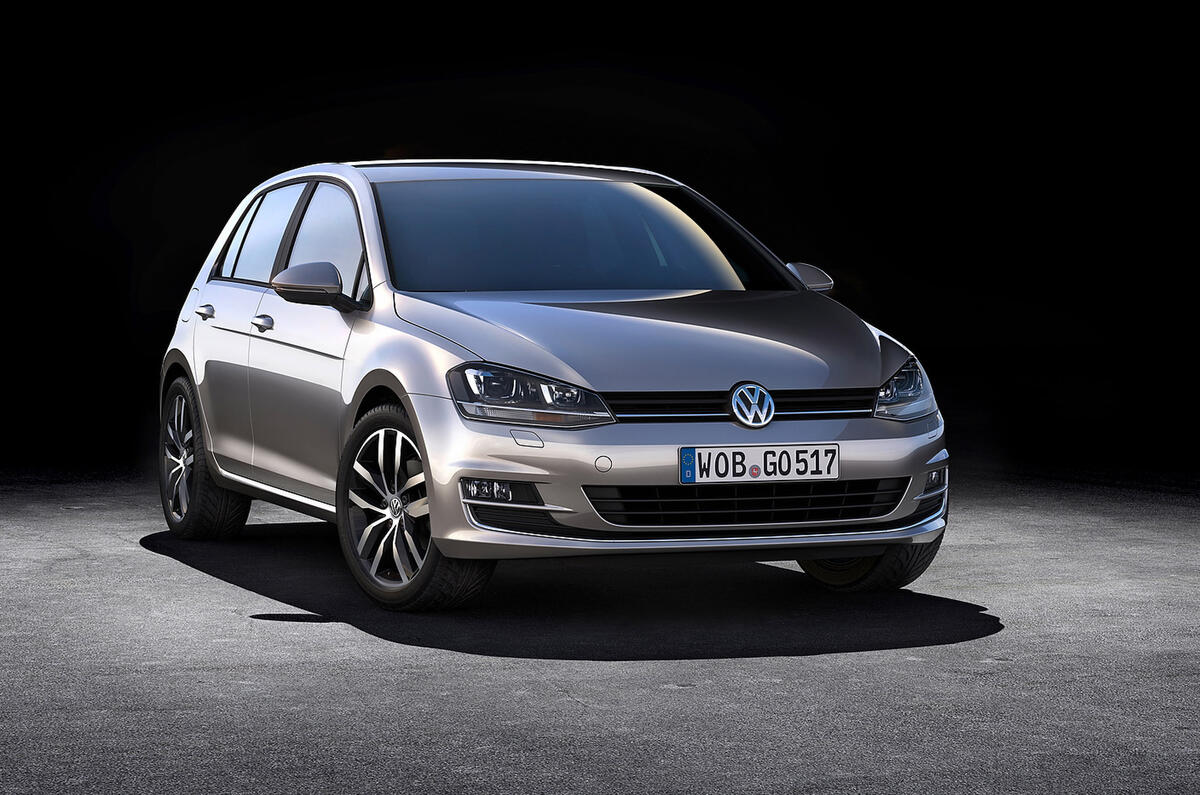
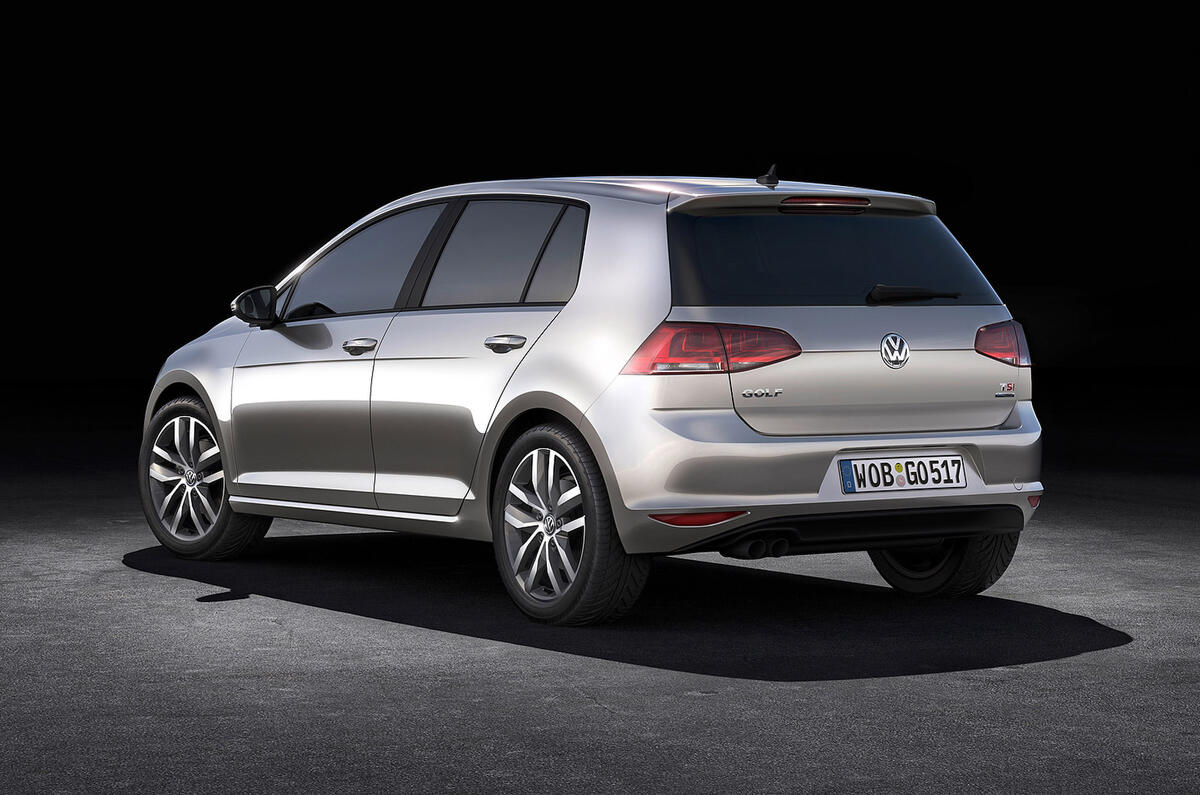
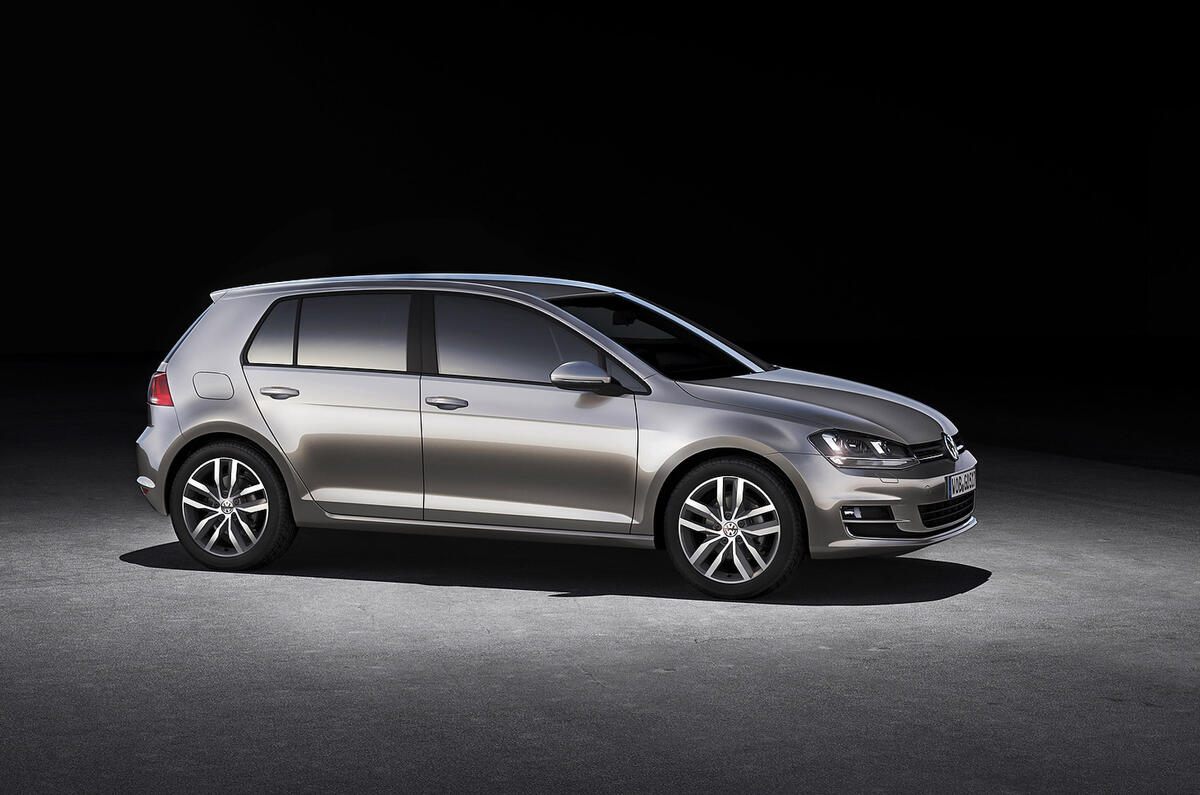
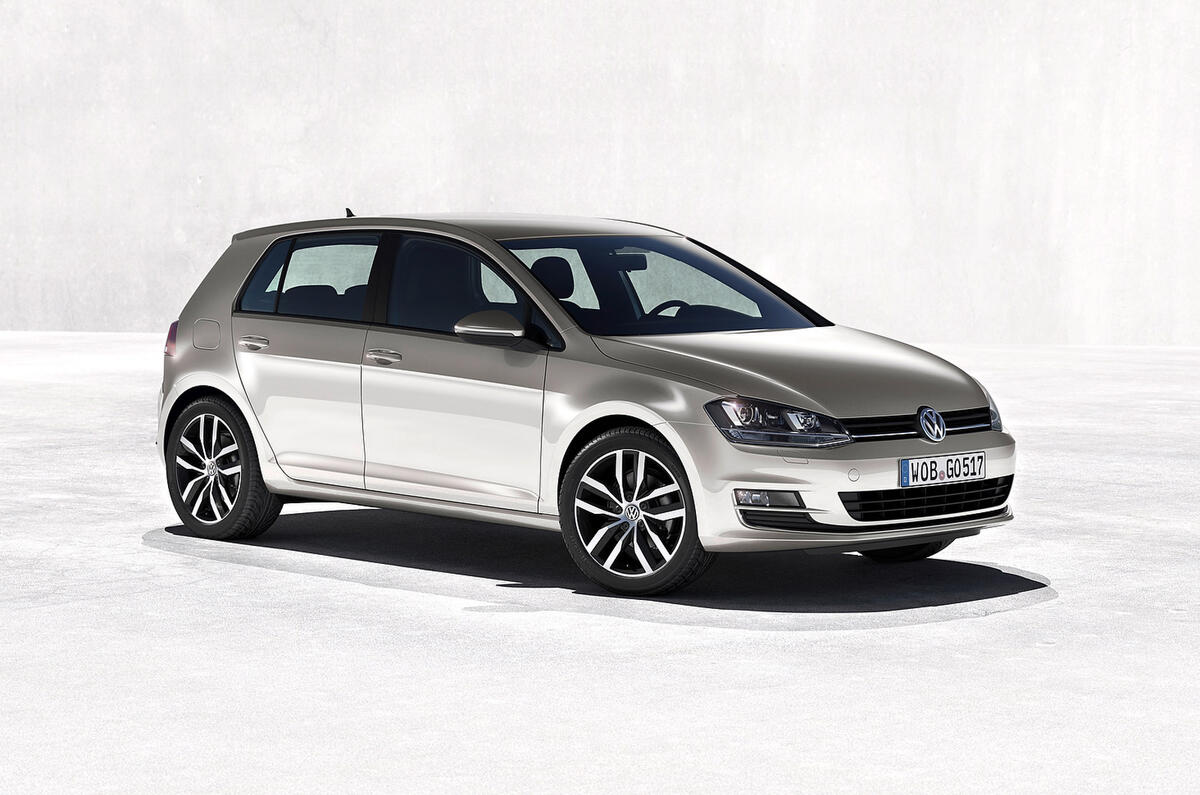
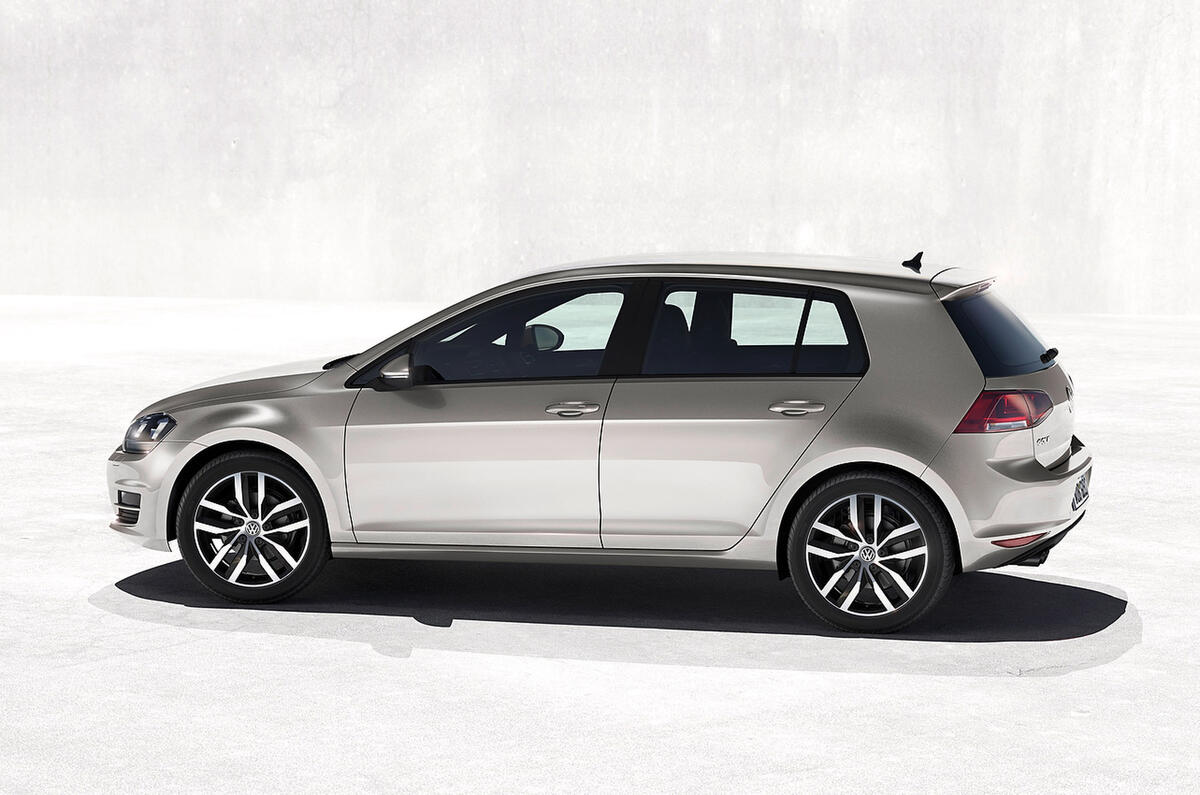
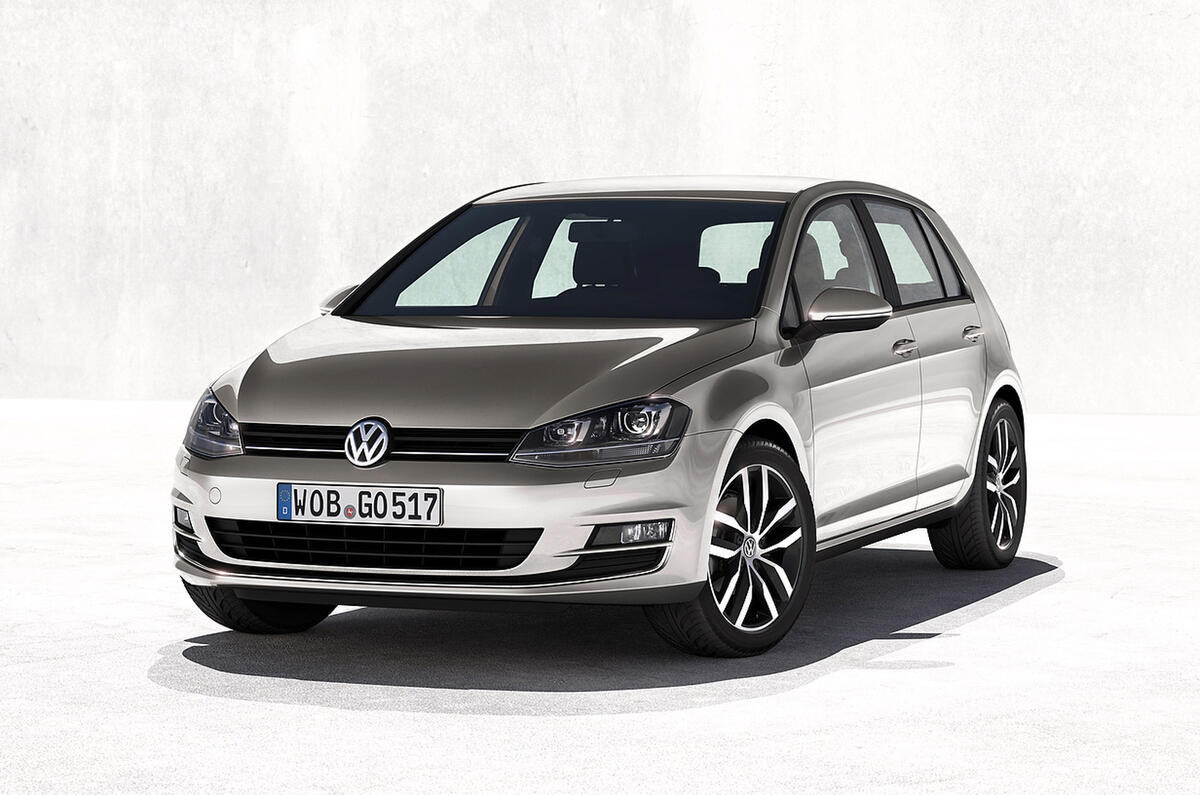
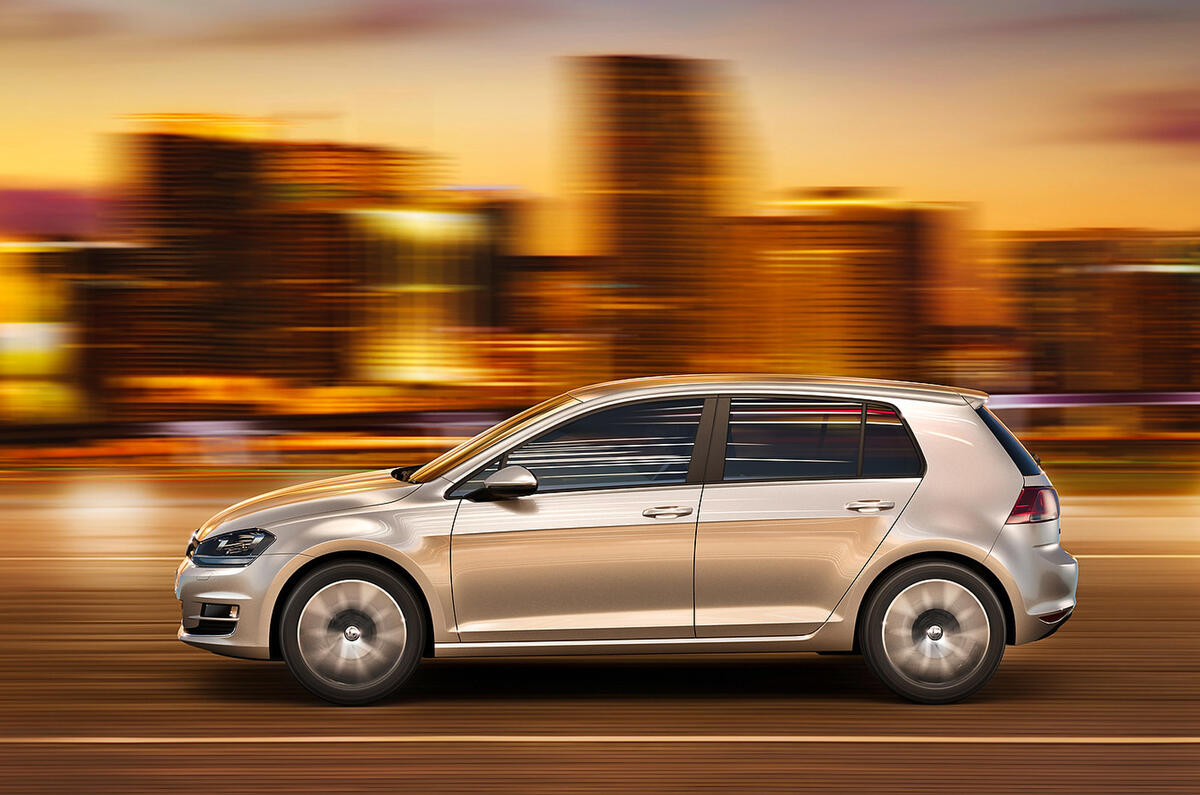
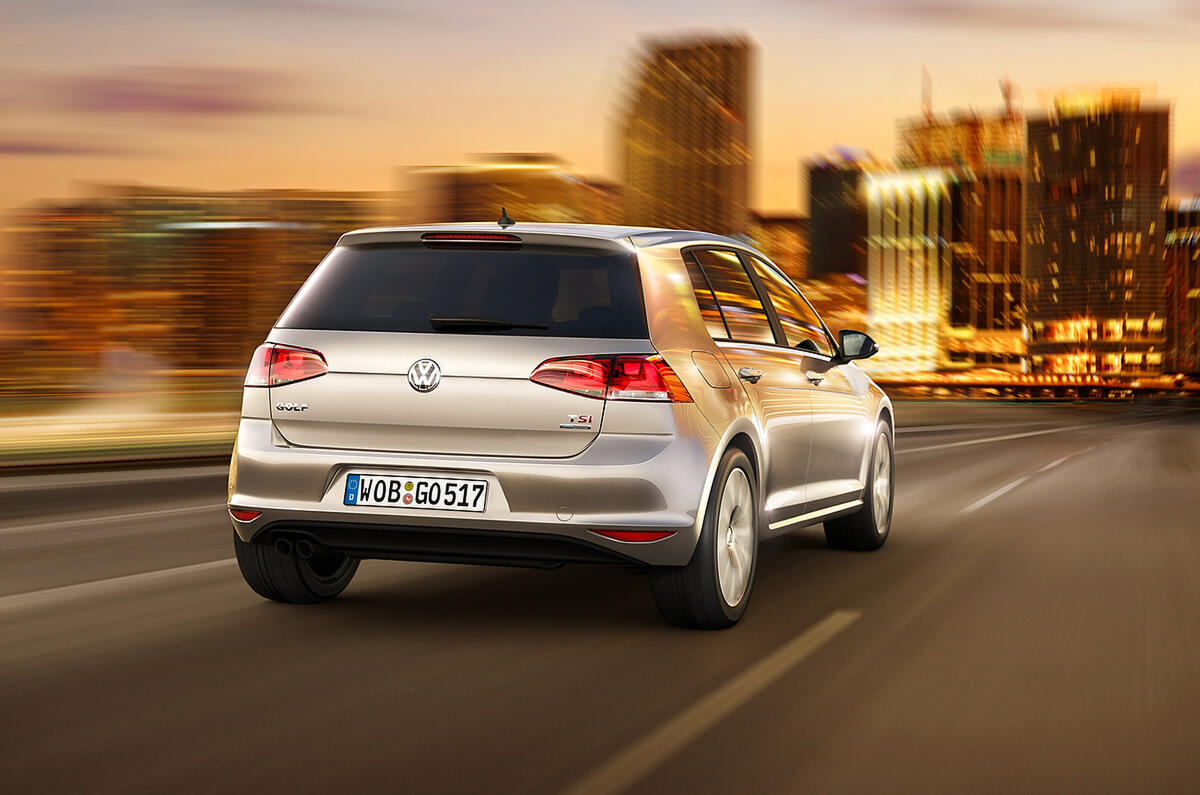
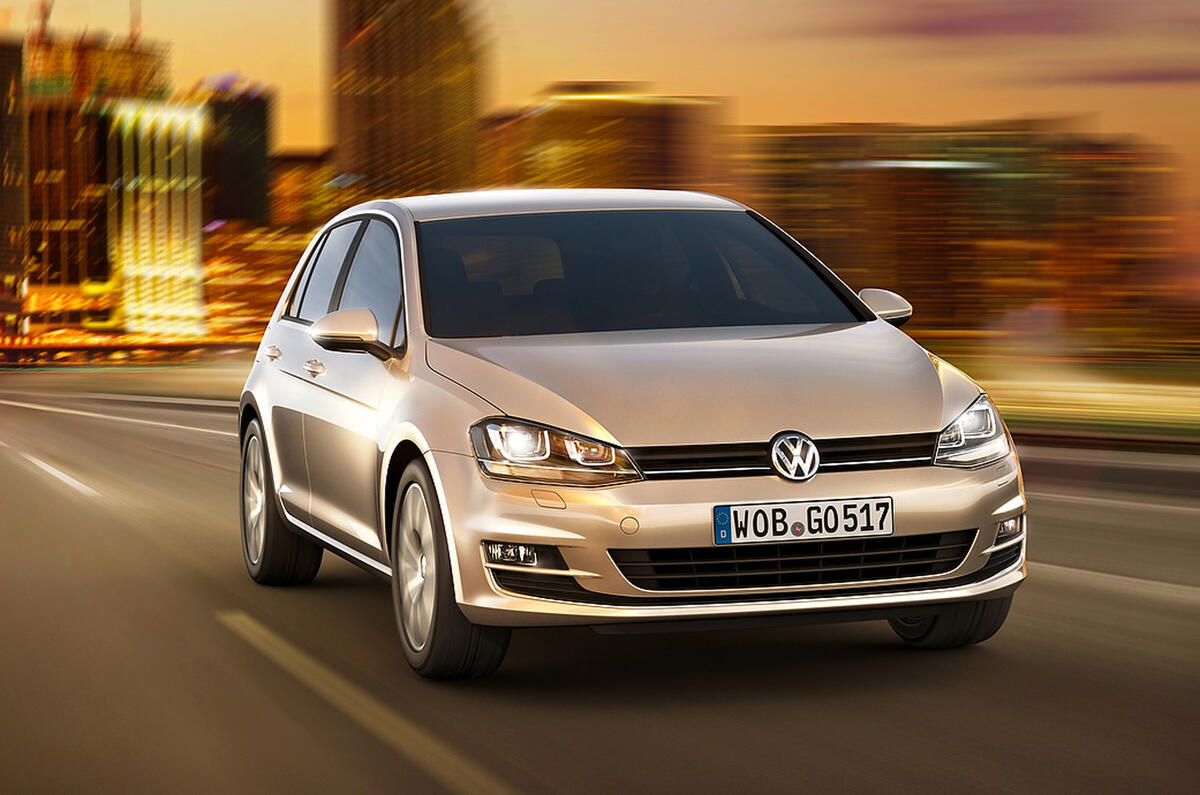
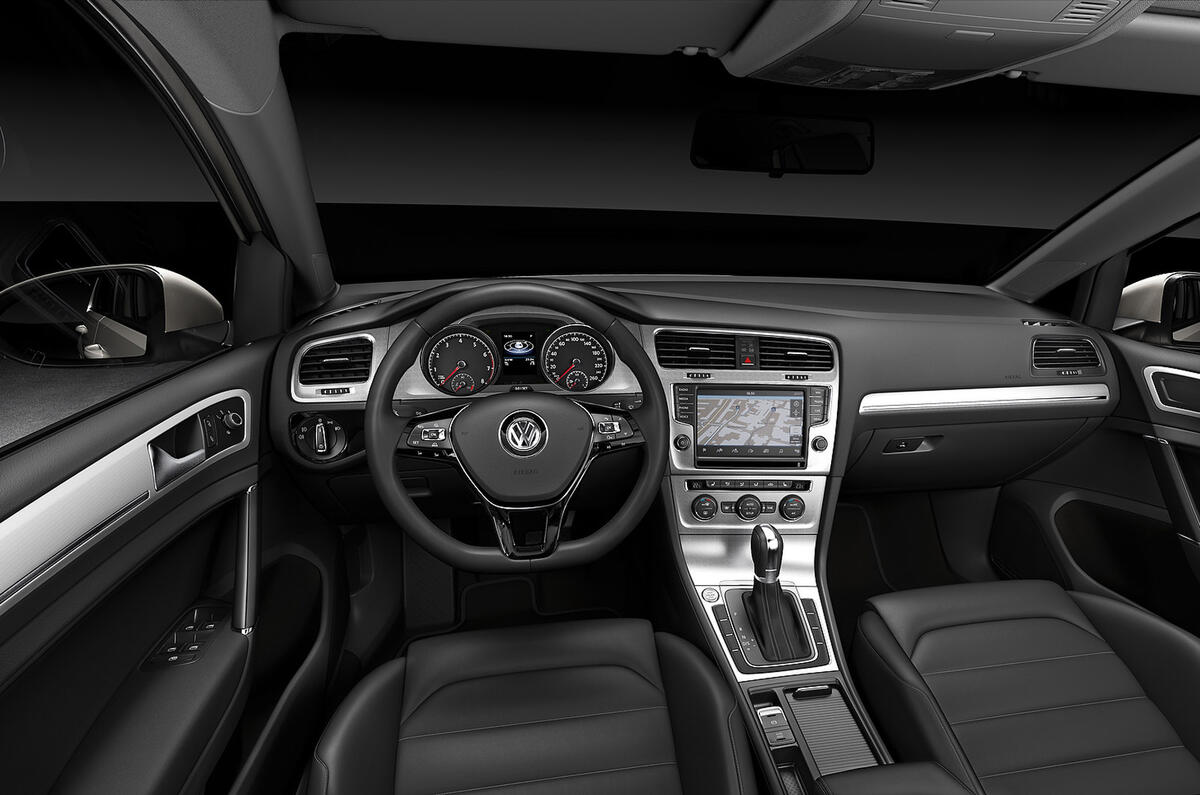
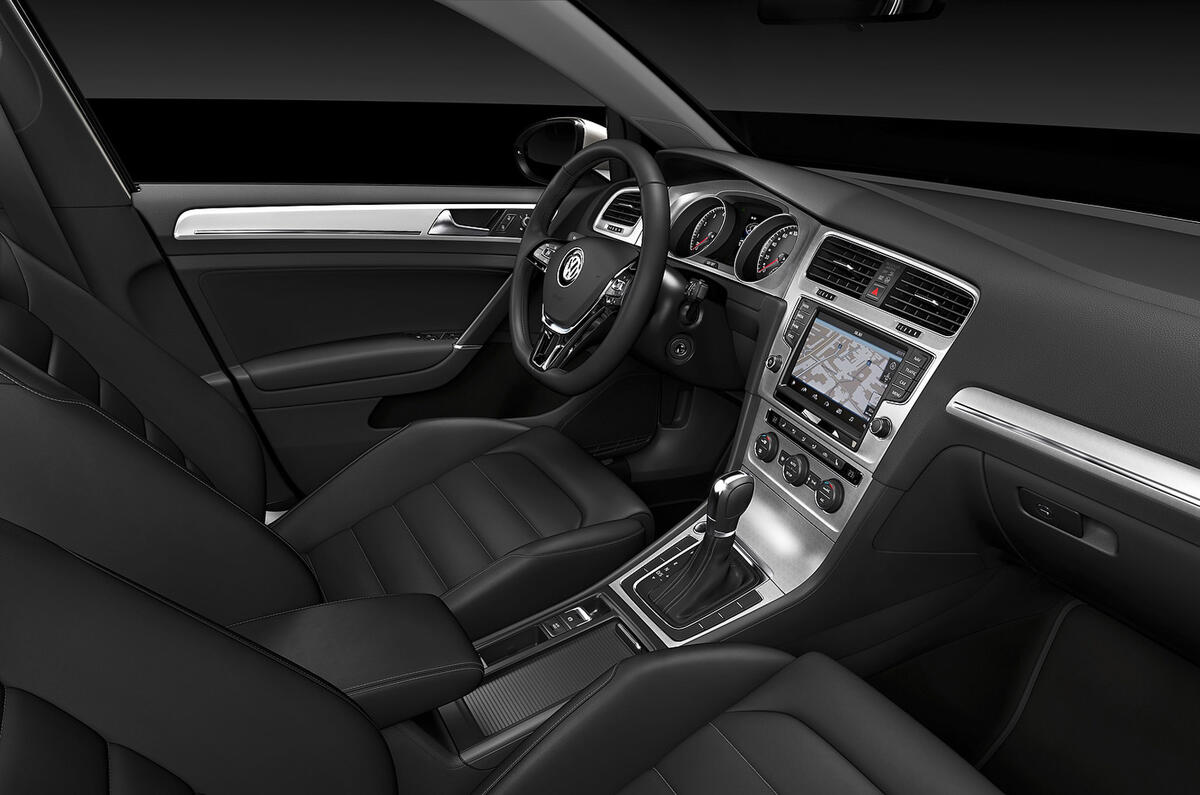
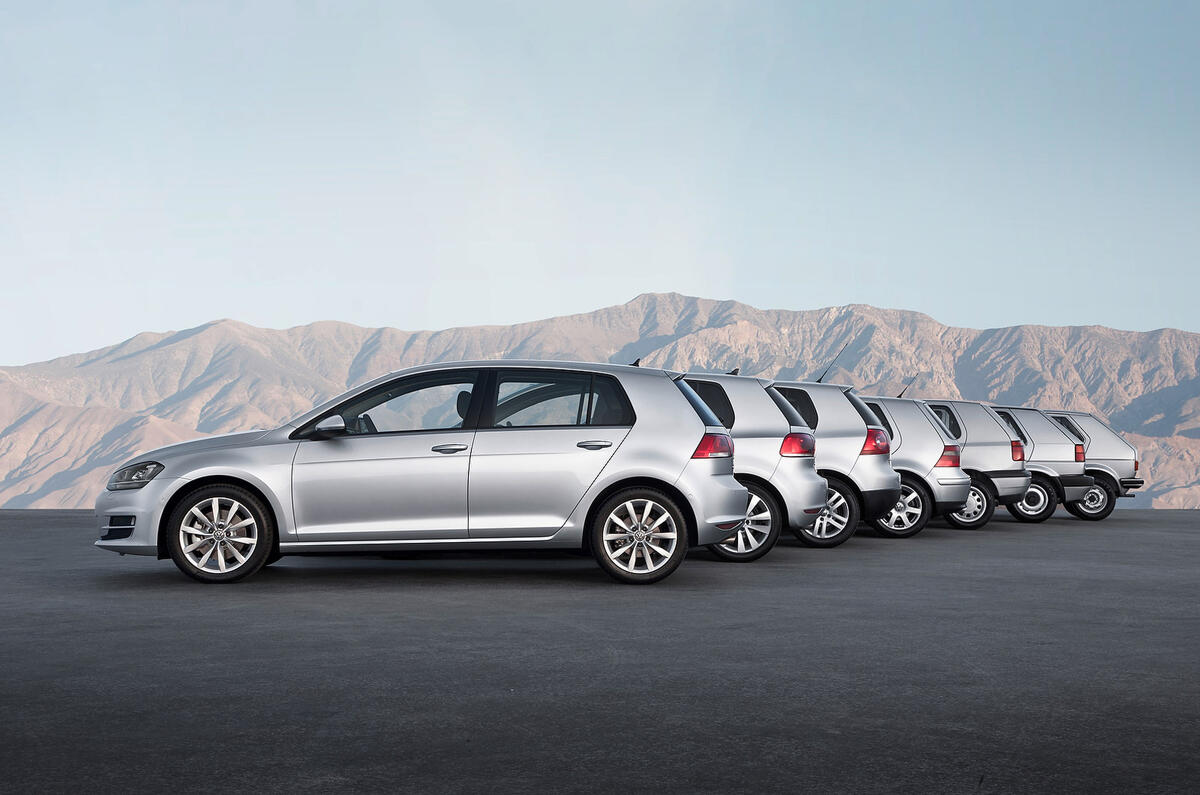
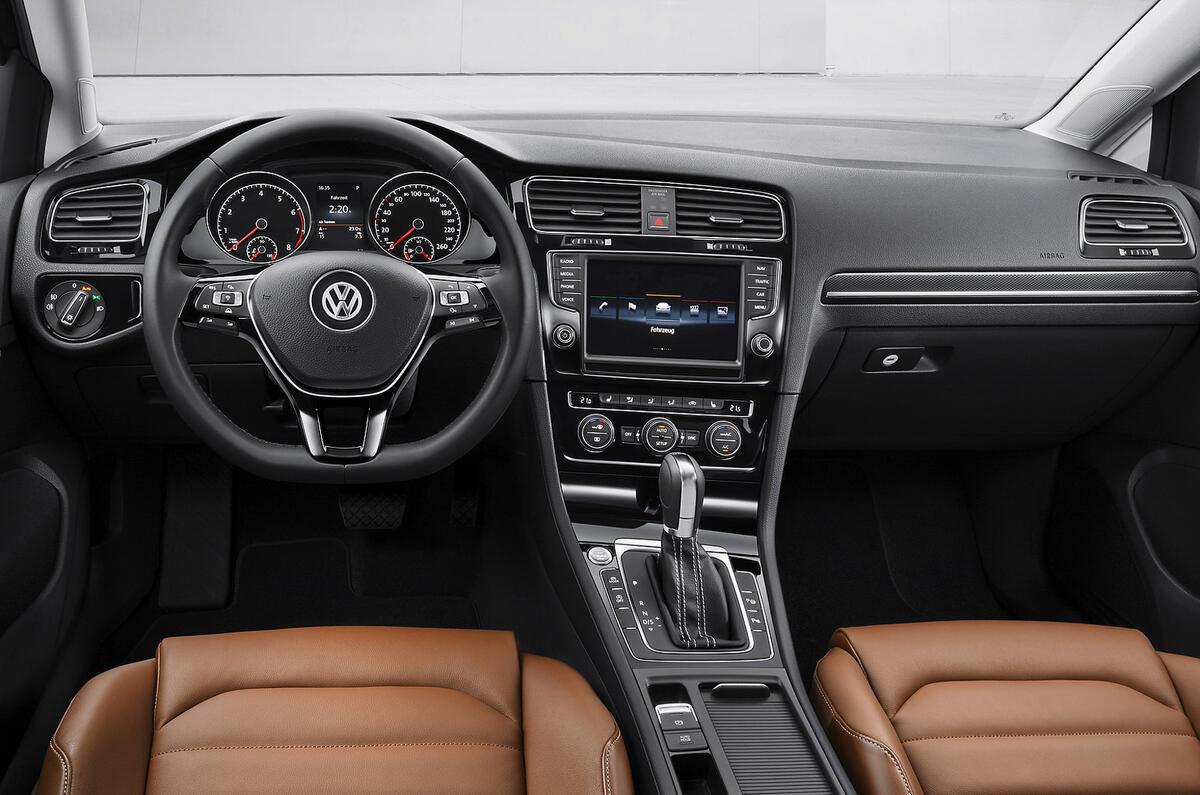
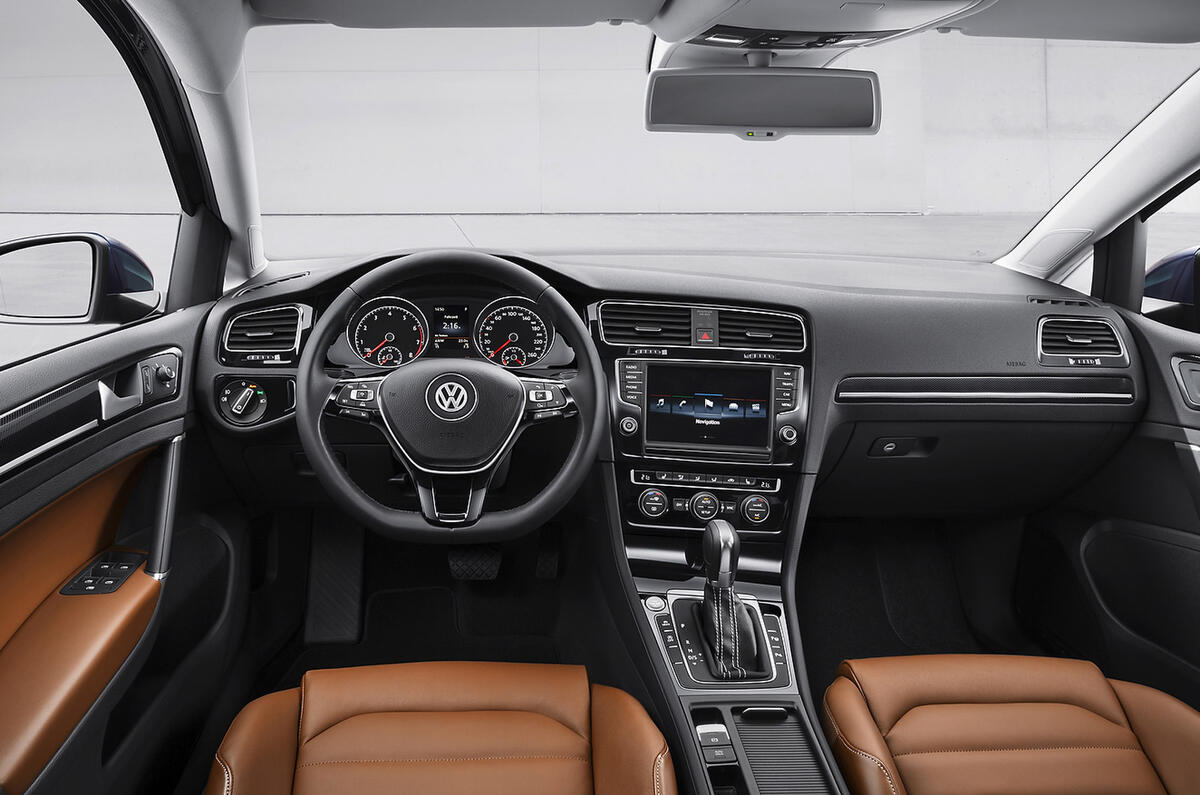
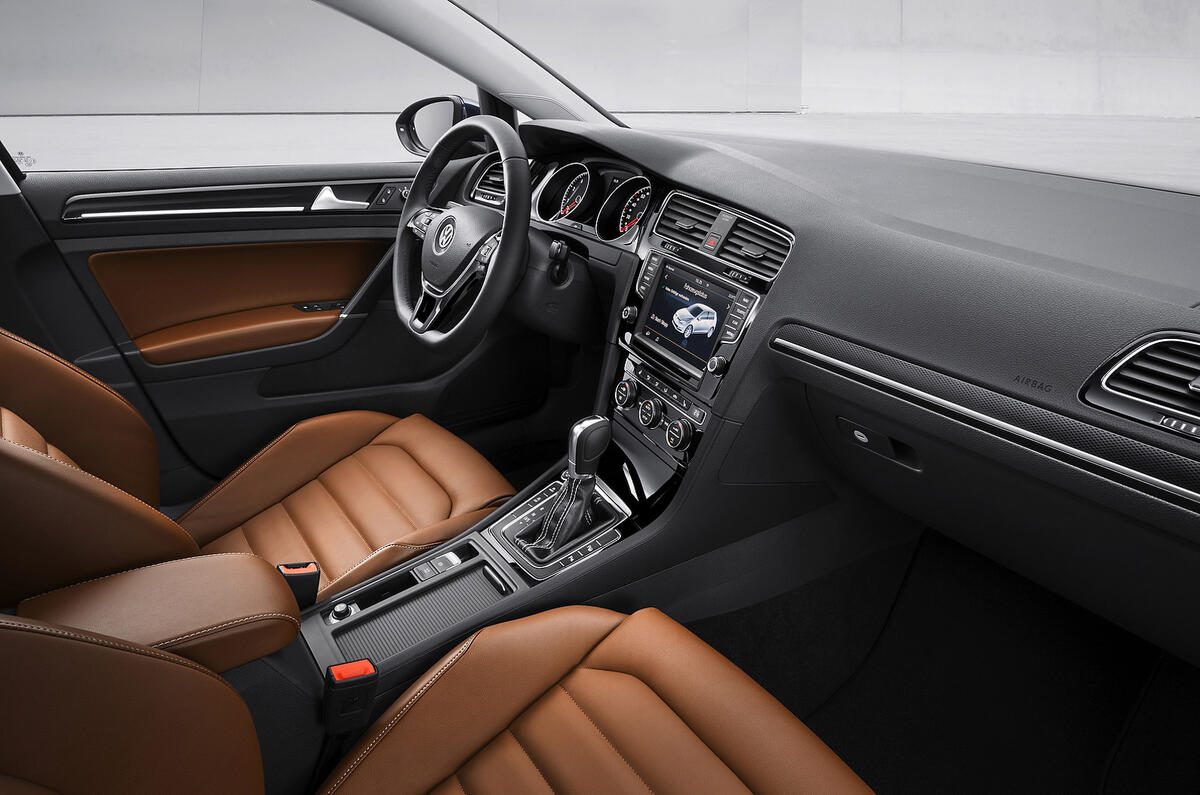

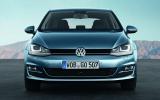
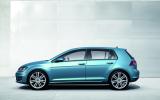
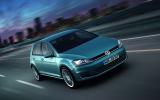
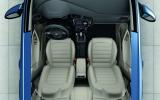
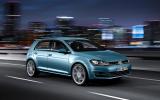
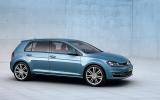
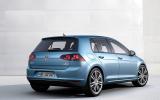
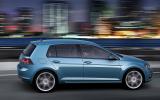
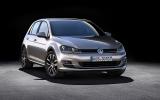
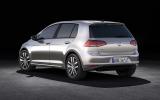
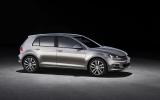
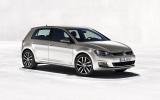
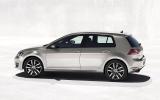
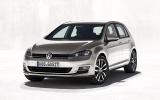



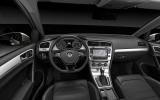
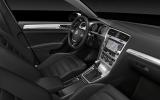

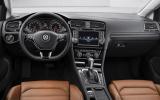
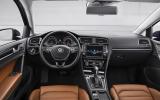
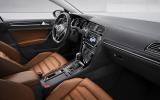

Here is the Mk7 Volkswagen Golf, an all-new design said to be lighter, roomier, safer and more economical than the outgoing model.
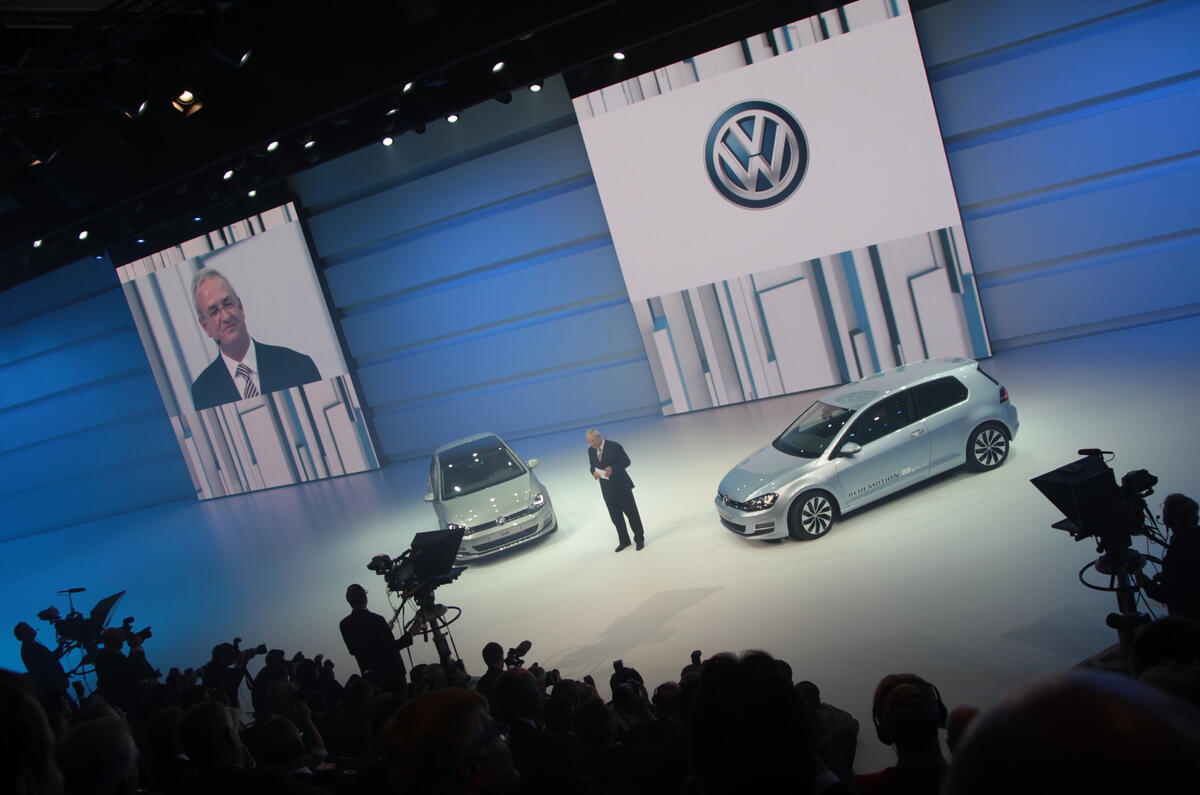
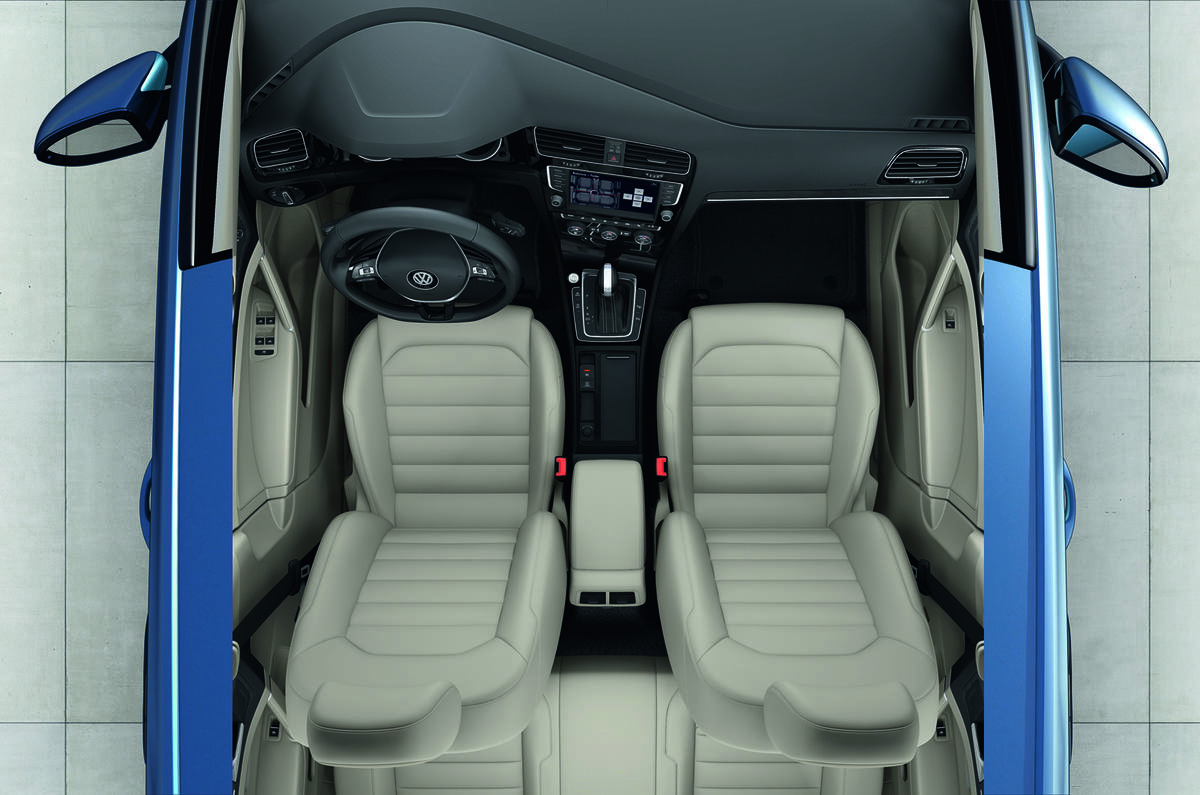
The sharp appearance, high-quality interior and class-leading safety features of the crucial 2013 Volkswagen Golf at the car’s public unveiling at the Paris motor show.
VW chairman Martin Winterkorn confirmed that the new Golf is significantly lighter than the sixth-generation model it replaces, despite a moderate increase in size and higher levels of standard equipment. “We have reversed the upward spiral in weight, but it is safer, more comfortable and more spacious,” he said.
- Volkswagen Golf Mk7 engine line-up announced
The headline news surrounding the car, which will go on sale here in November, are the claimed 88.3mpg fuel consumption and 85g/km CO2 figures that VW quotes for the 103bhp, 1.6-litre diesel-powered BlueMotion model.
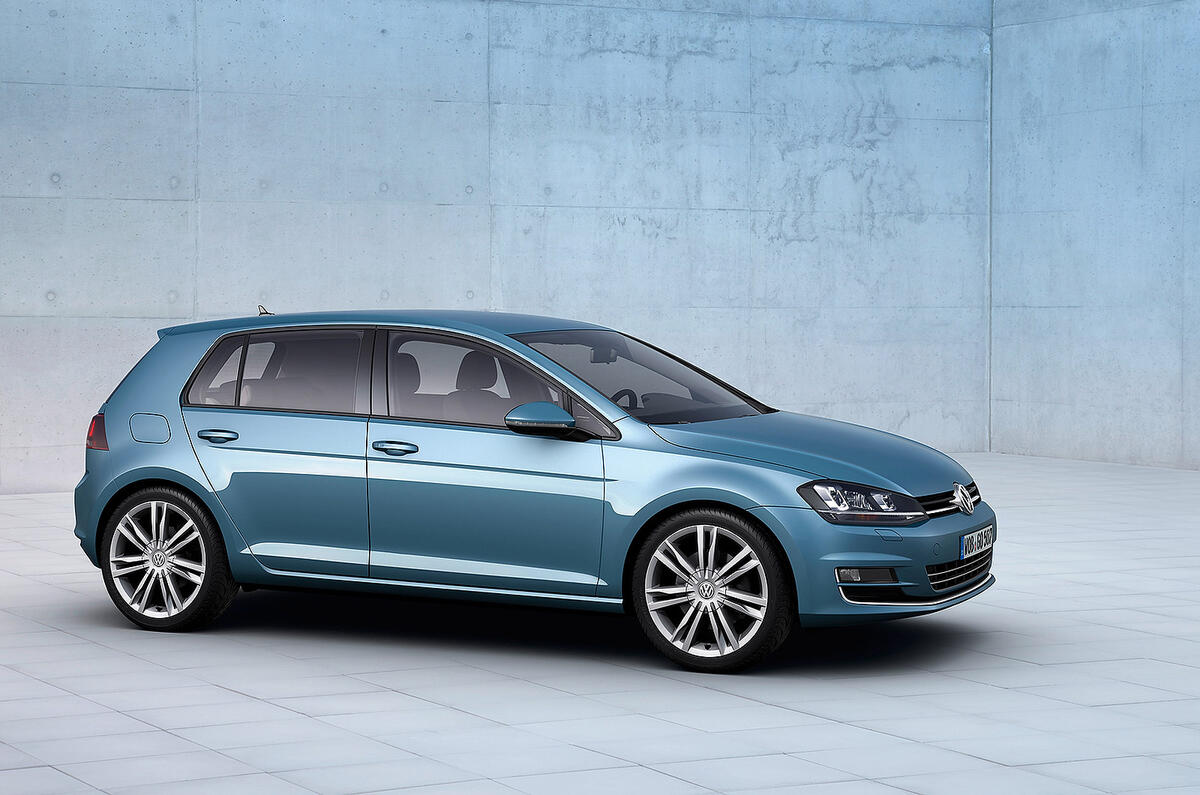
As tradition dictates, the new Golf, styled by Marc Lichte, receives an evolutionary look with the classic design cues of the original, including pronounced front wheel arch flares and the extra-wide C-pillar and upright rear end, preserved in newly interpreted form. There’s also a touch of subtle spice in the styling in the shape of a pressed-in body line that slashes across the doors, a first for a Golf.
- Blog: What's the new Volkswagen Golf like inside?
Other changes include a subtle shift in overall proportions, with a shorter front overhang, the bonnet receiving added length and the cabin shifting further back to create what Klaus Bischoff, head of Volkswagen design, refers to as a premium-class ‘car-backward’ impression.
Alongside the initial five-door hatchback, also plans three-door hatch, high-roof five-door hatch (Golf Plus), five-door estate (Variant), four-door saloon (CC) and two-door cabrio versions of the new Golf.
Unlike its direct predecessor, which was essentially a heavily facelifted verson of the fifth-generation Golf, this new model has been re-engineered from the ground up.
As with each generation before it, the latest Golf has grown in size. Length is up by 56mm to 4255mm and width extends by 13mm to 1799mm, although a flatter roof reduces height by 28mm to 1452mm.
The increase in external dimensions has also led to a larger footprint, with the wheelbase growing by 59mm to 2637mm and the front and rear track widths extending by 8mm and 6mm to 1549mm and 1520mm respectively.
The larger exterior has resulted in a roomier cabin, which features a claimed 15mm improvement in rear legroom. There are also 31mm and 30mm improvements in shoulder room for the front and rear seat occupants respectively. Boot space also extends by 30 litres over the outgoing Golf, to 380 litres.
Behind the evolutionary appearance of the new Golf is a revolutionary new platform known internally as the MQB (‘modularen querbau’, or ‘modular transverse’). The highly adaptable structure, which is set to underpin more than half of VW’s models by the middle of the decade, makes use of a higher percentage of hot-formed high-strength steel than its predecessor, the PQ35 platform, leading to a 37kg reduction in weight for the platform alone.