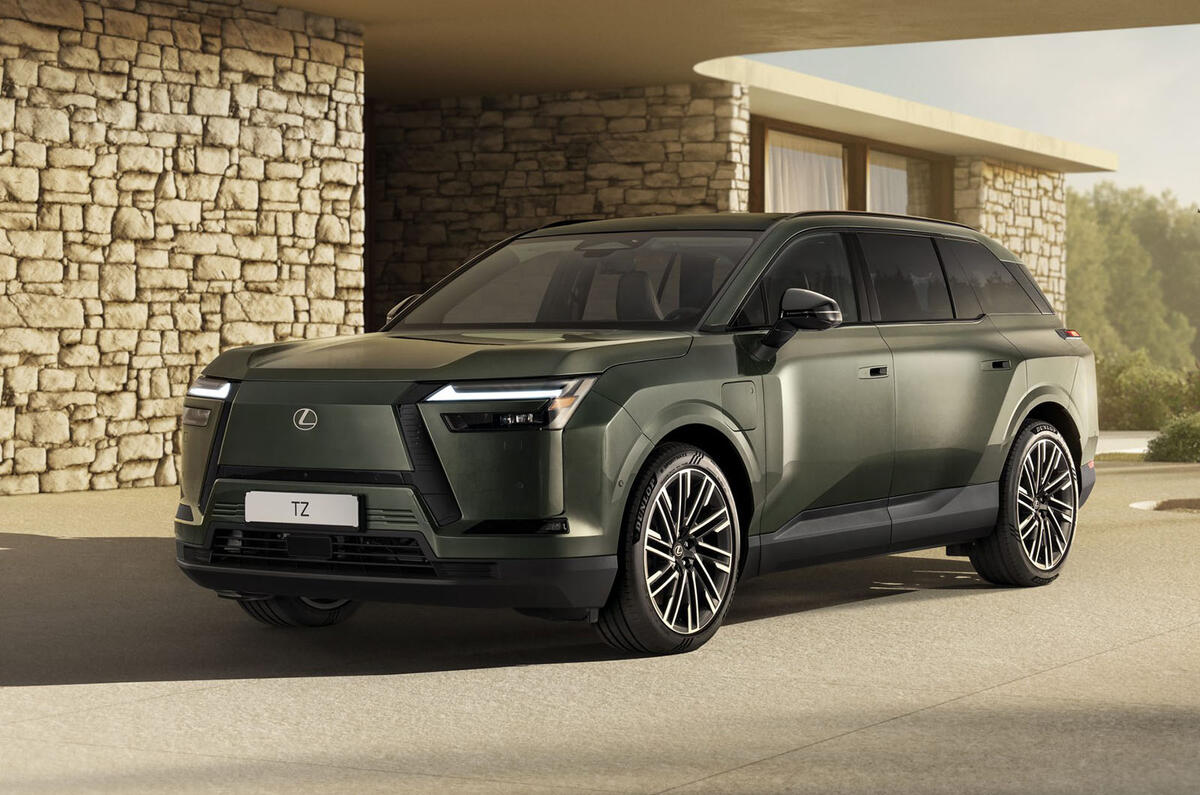
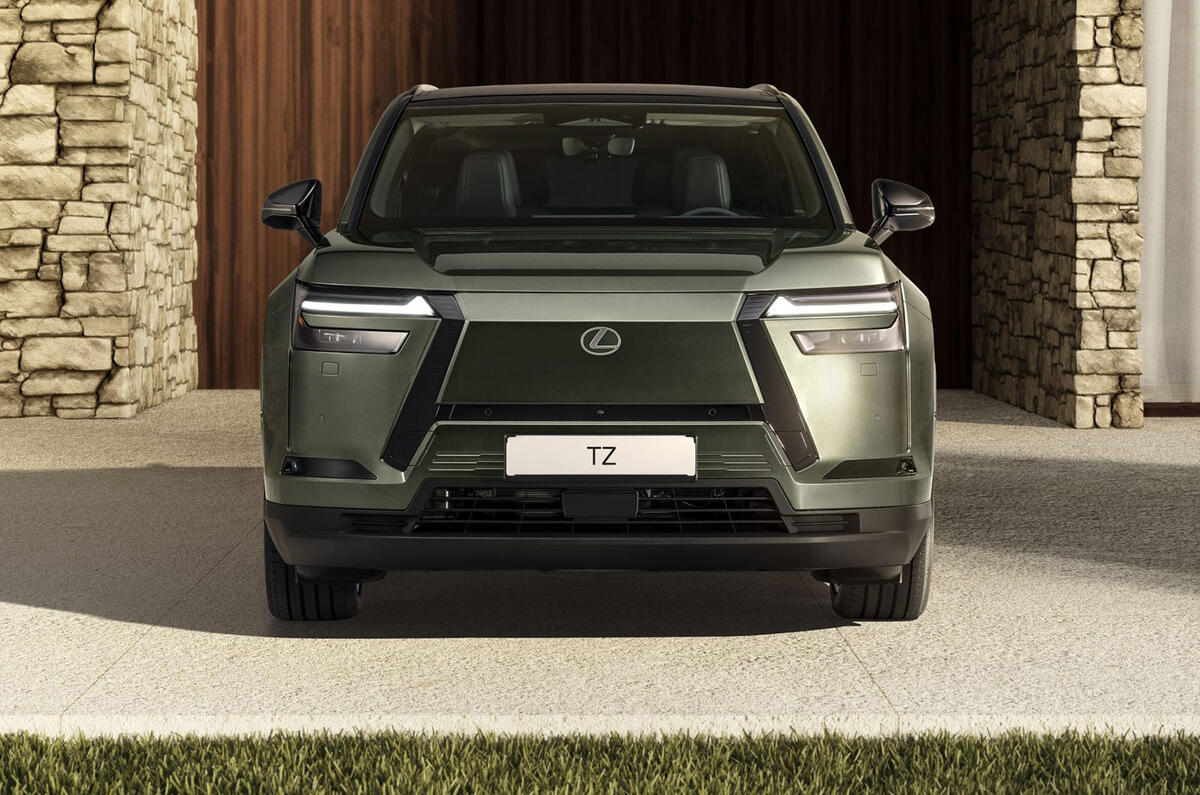
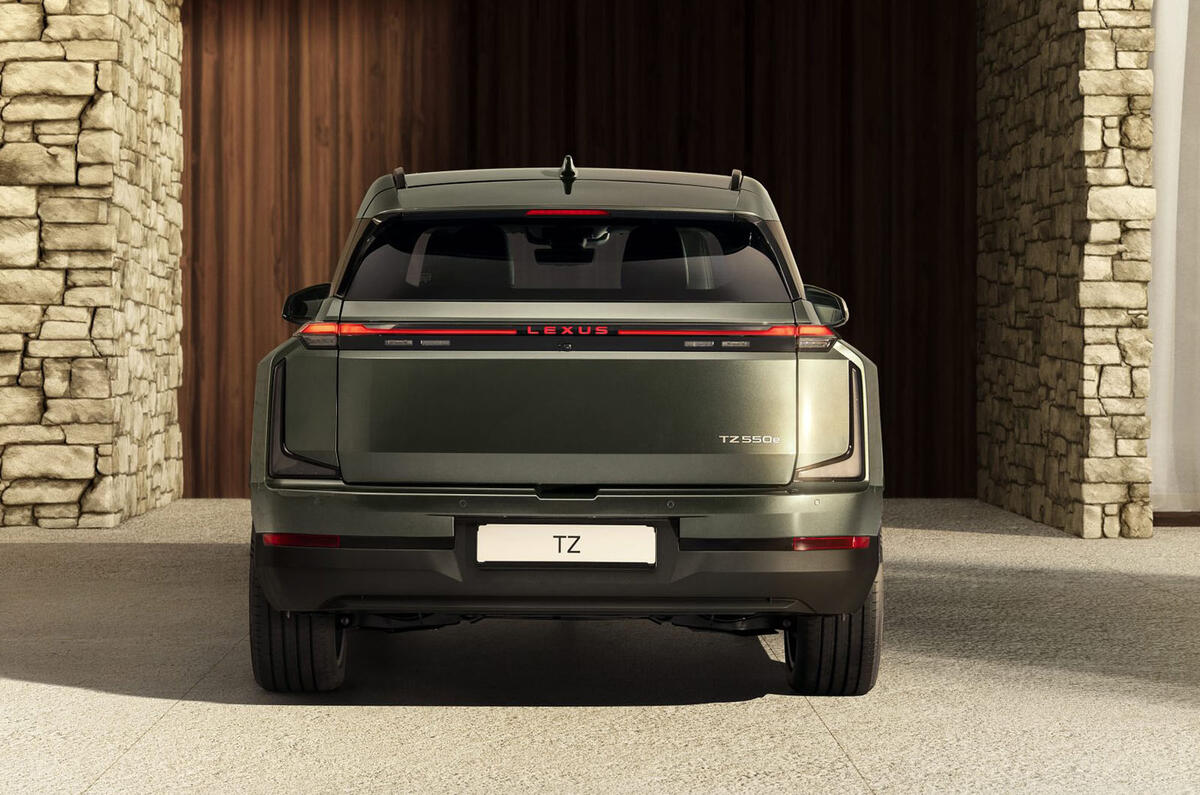
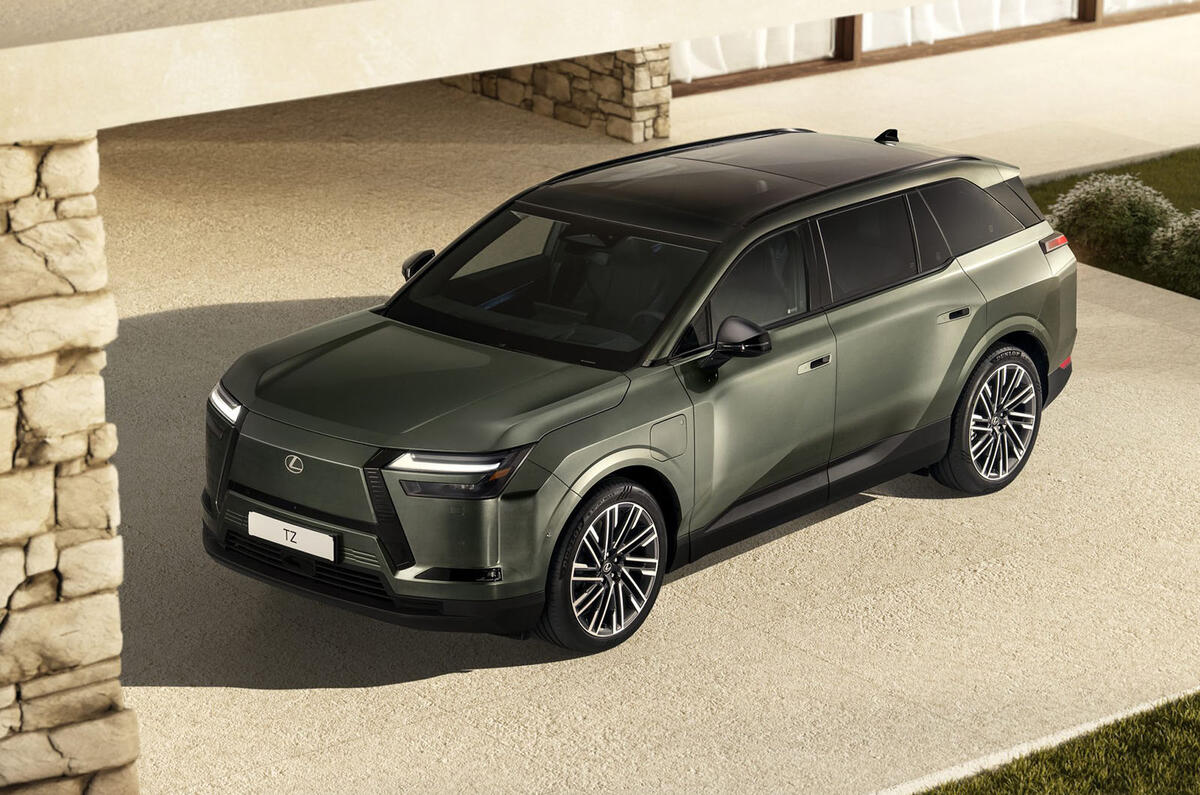
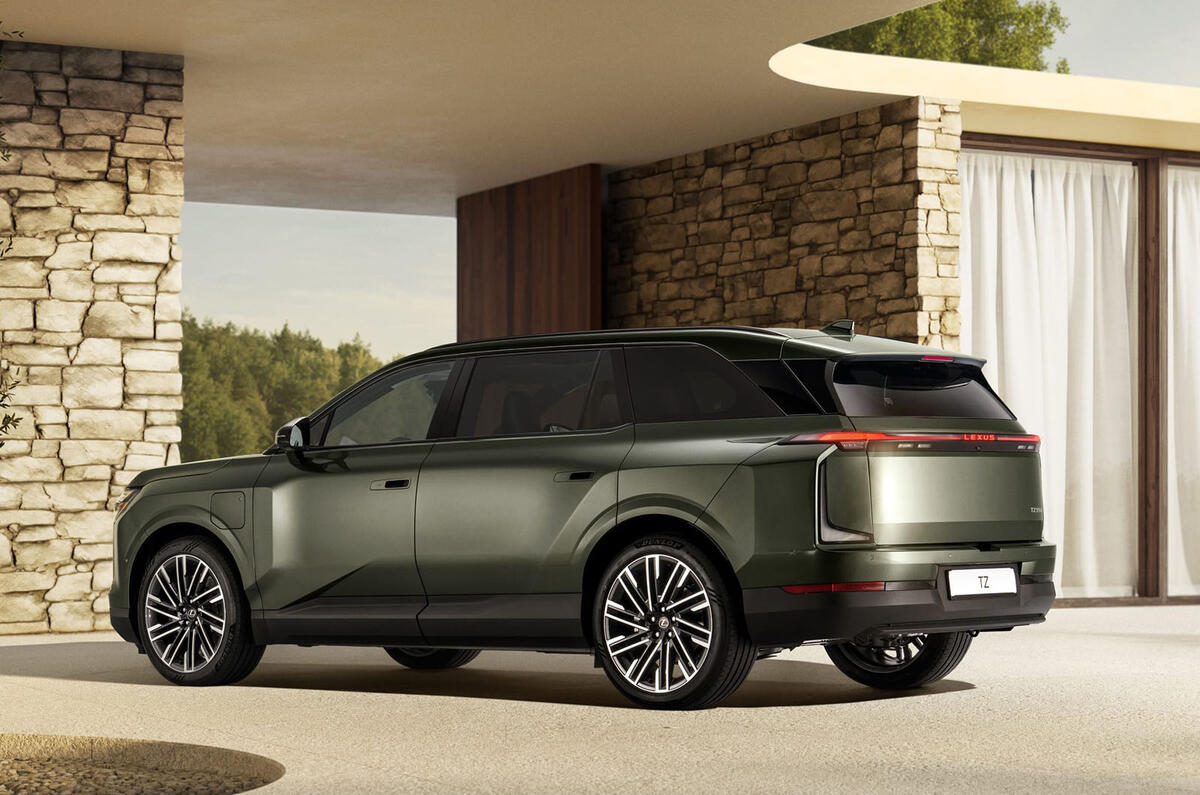


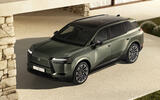




Lexus will take on the likes of the Volvo EX90 with the new TZ, a flagship electric six-seat SUV due to reach the UK next year.
Showcasing a new exterior design language, the TZ is the largest Lexus yet and is described by the firm as a "driving lounge", with a focus on offering maximum interior space and a range of luxury features. Unusually, the three-row car will be offered with just six, rather than seven seats.
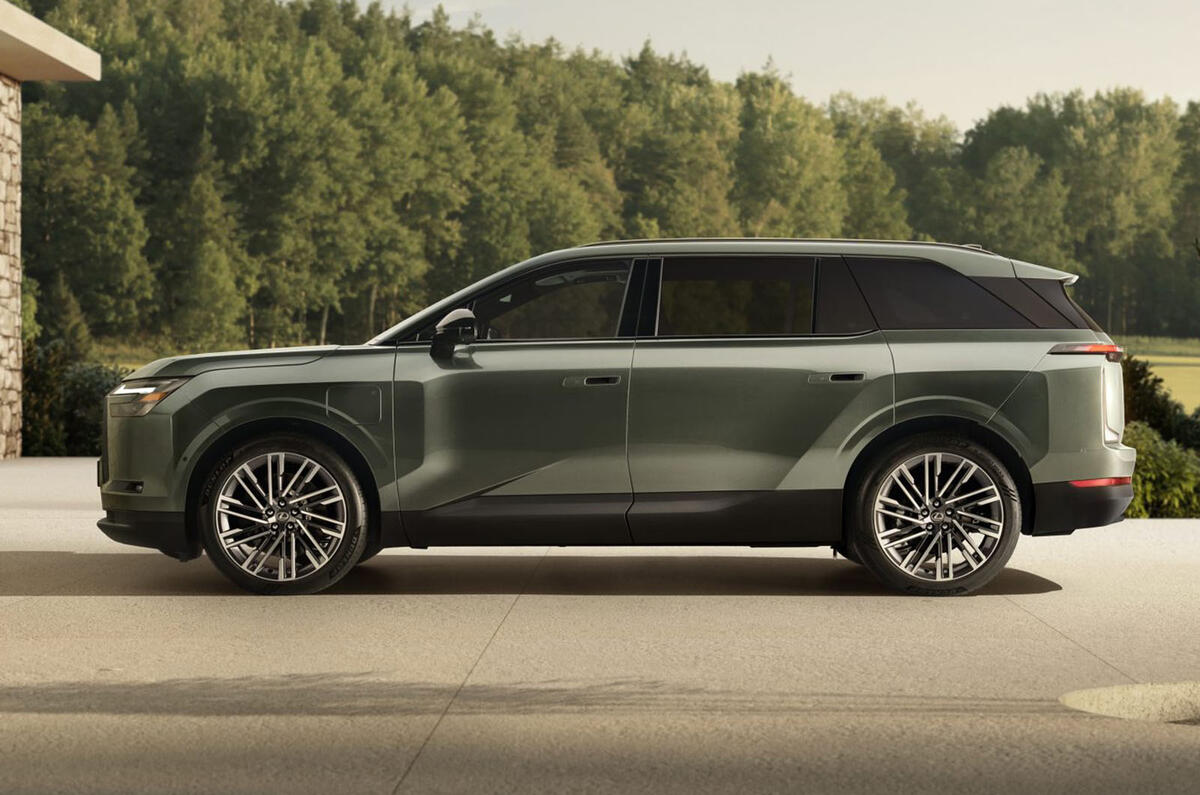
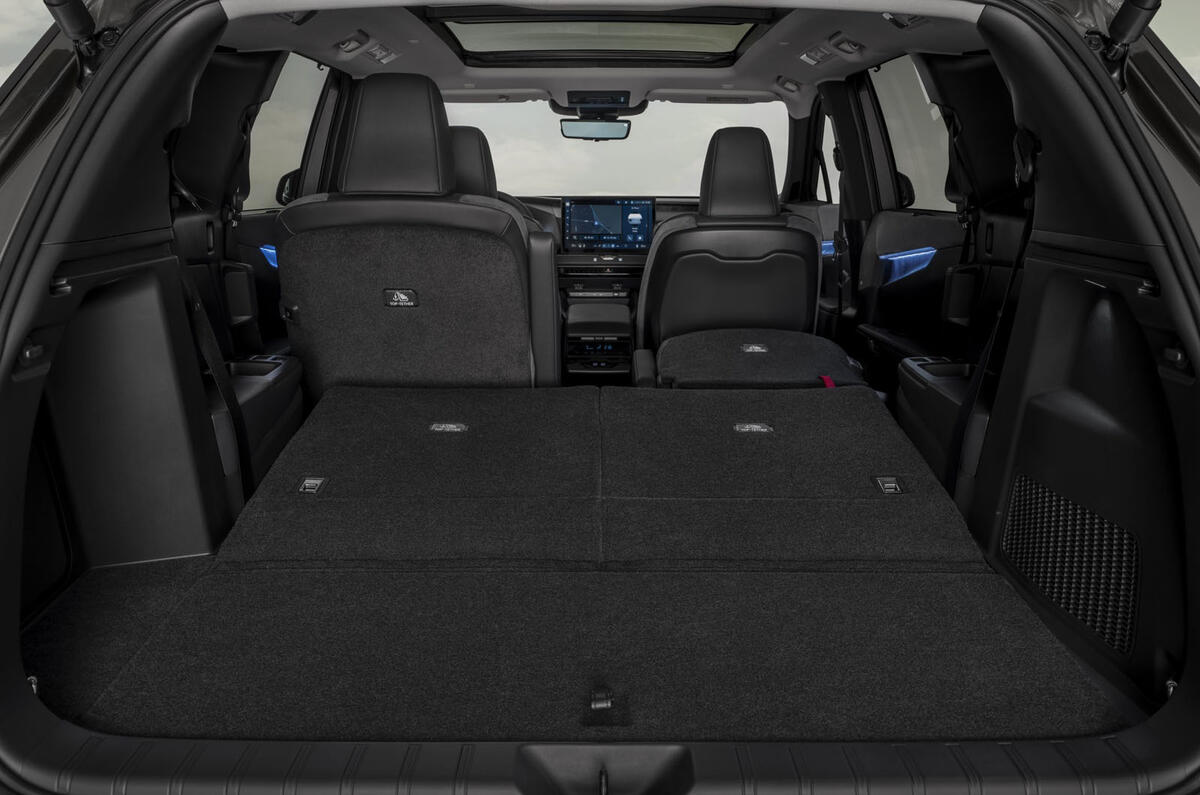
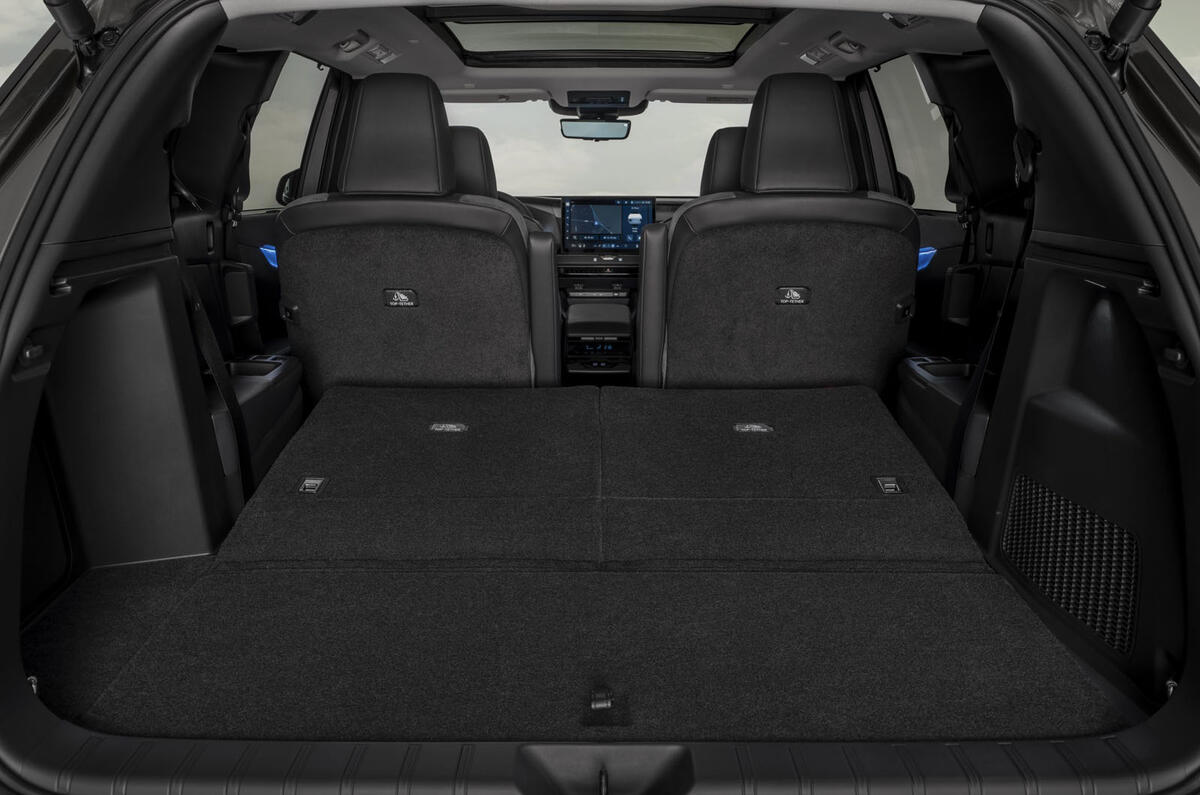
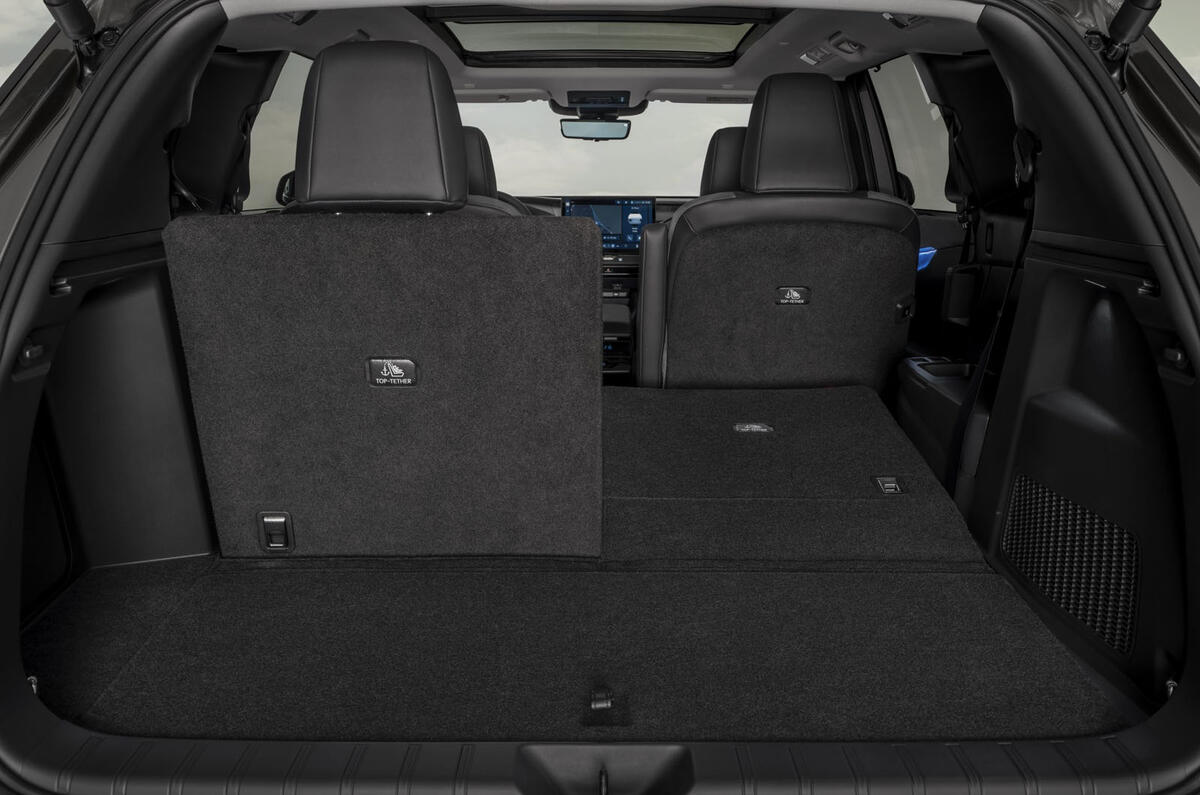
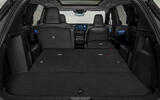
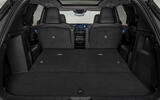
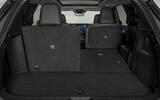
The TZ measures 5100mm long, 1990mm wide and 1705mm tall, making it slightly larger than the EX90. It has a wheelbase of 3050mm and a storage capacity that ranges from 290 litres with all six seats in place to 2017 litres with the second and third rows folded down.
The powertrain is described as a development of the one featured in the Lexus RZ SUV and the upcoming ES saloon. It features a pair of 224bhp motors to provide all-wheel drive and a maximum system output of 402bhp. Notably, while the two e-axles offer the same output, Lexus says they feature different designs to help maximise interior space. The TZ can achieve 0-62mph in 5.4sec.
Power is drawn from a large, 96kWh lithium ion battery, which will give a range of up to 330 miles. It can charge at speeds of up to 150kW, allowing for a 10-80% top-up in 35 minutes.
The TZ sits on MacPherson struts at the front, with a rear multi-link system that has been developed specifically for the model and is claimed to improve stability. There is also the option of rear-wheel steering.
Unusually for a large SUV, the TZ will be offered with Lexus’s interactive manual drive system, first featured in the RZ 550e F Sport, which simulates an eight-speed manual transmission that can be controlled via paddle shifters. There is also a “rousing simulated engine note soundtrack” and added steering wheel feedback to “add to the multi-sensory experience”.
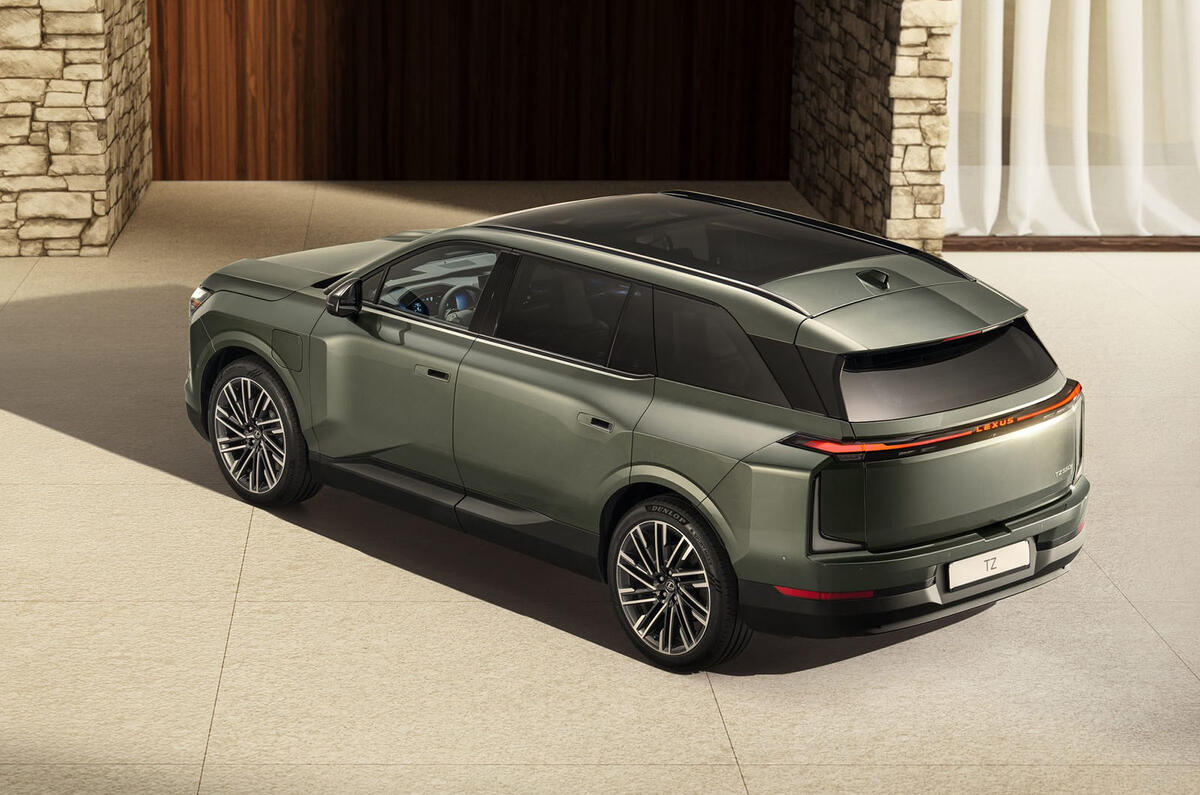
The exterior styling of the TZ showcases a new design direction for Lexus and is intended to differentiate itself from other SUVs through a ‘provocative simplicity’ concept. The exterior is also honed to improve the aerodynamics and maximise range, with Lexus claiming a drag coefficient of 0.27. The car sits on 20in wheels as standard, with 22in versions optional.
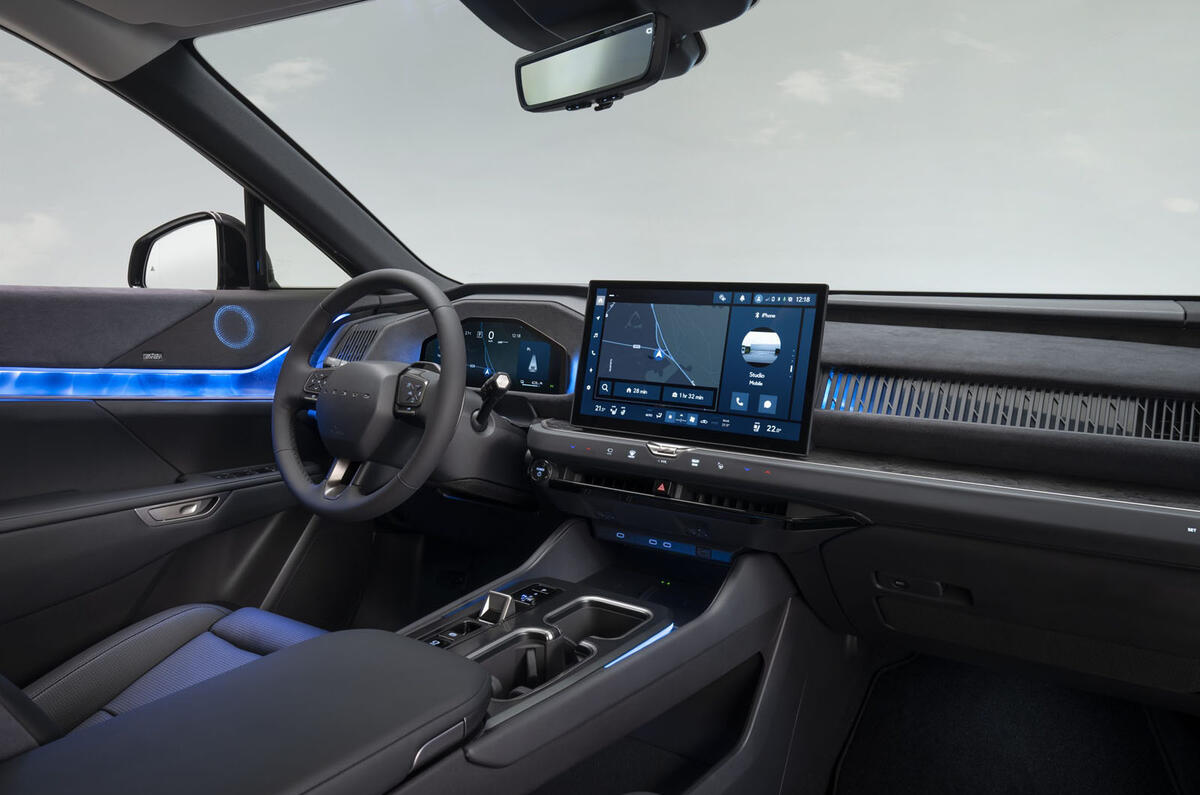
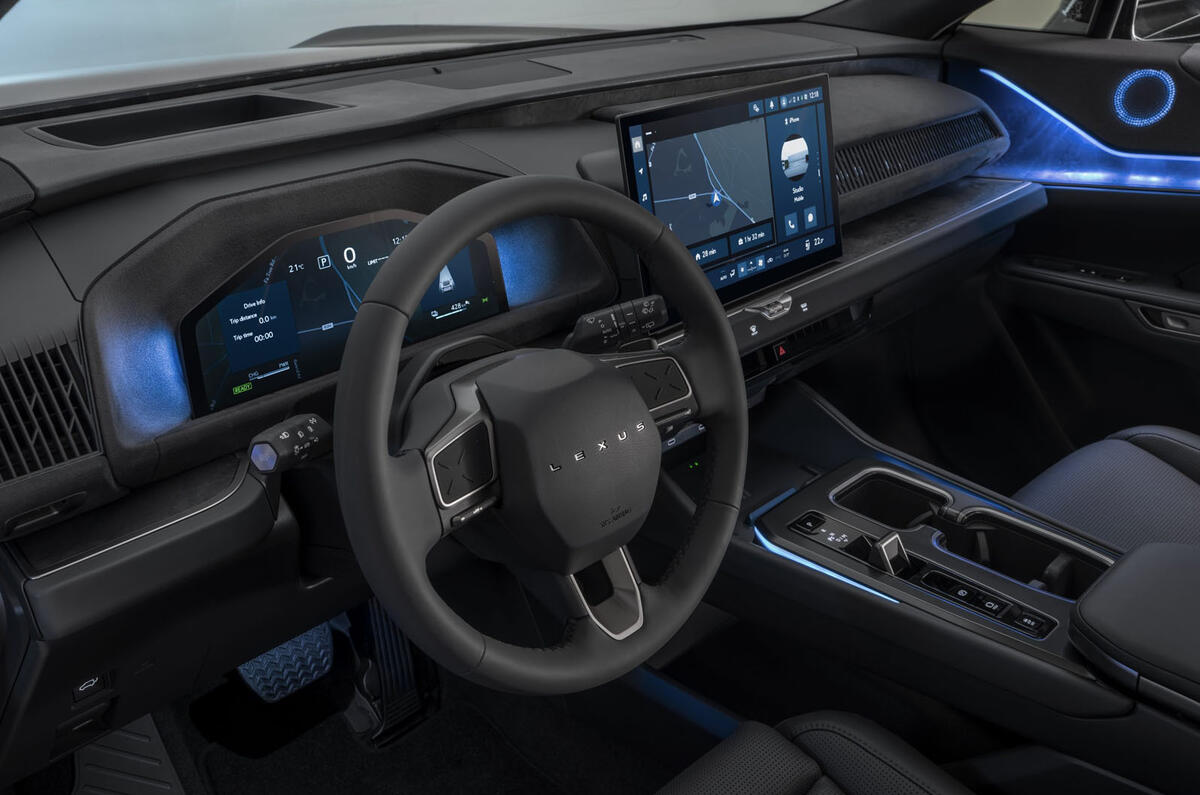
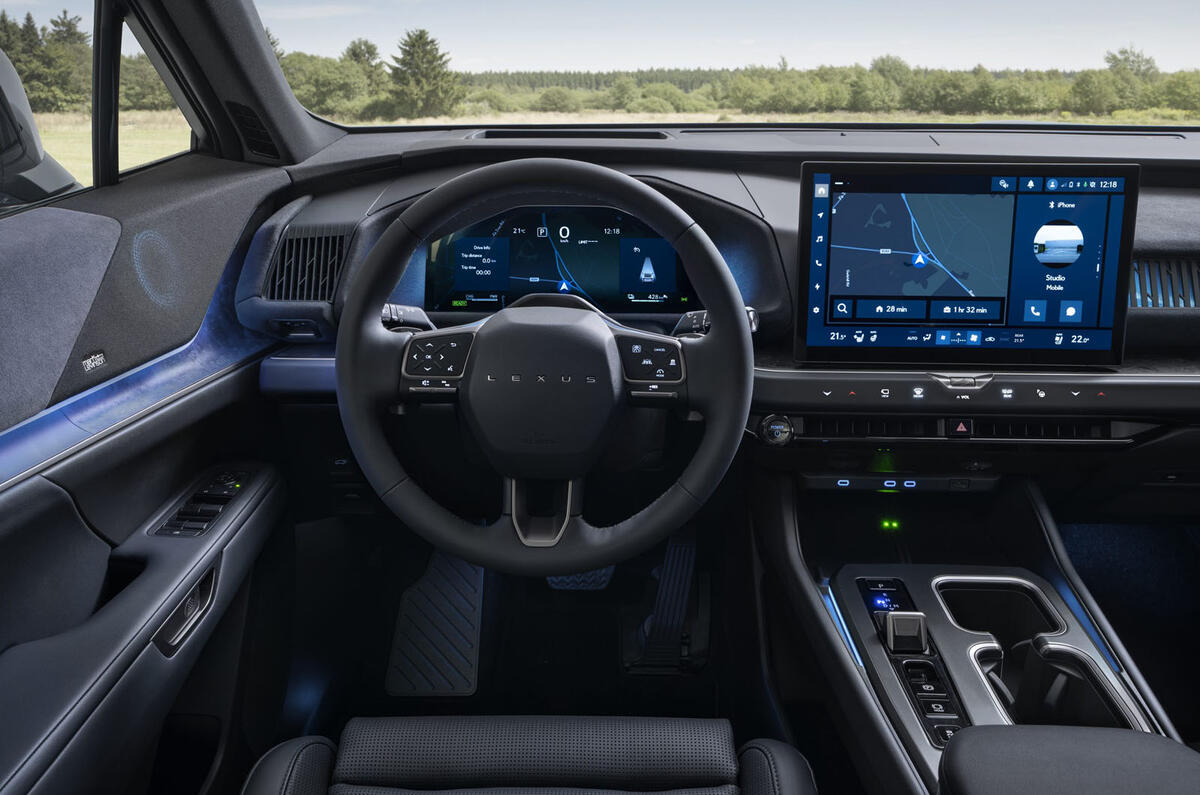
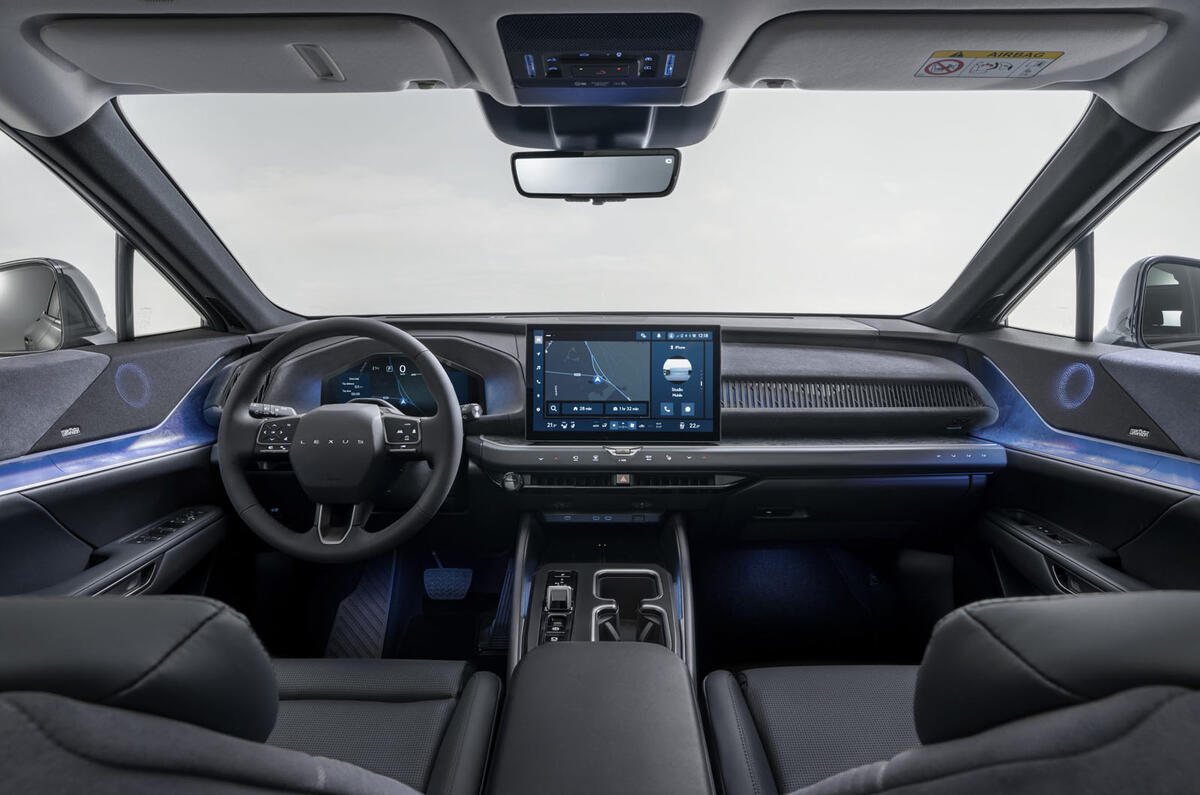
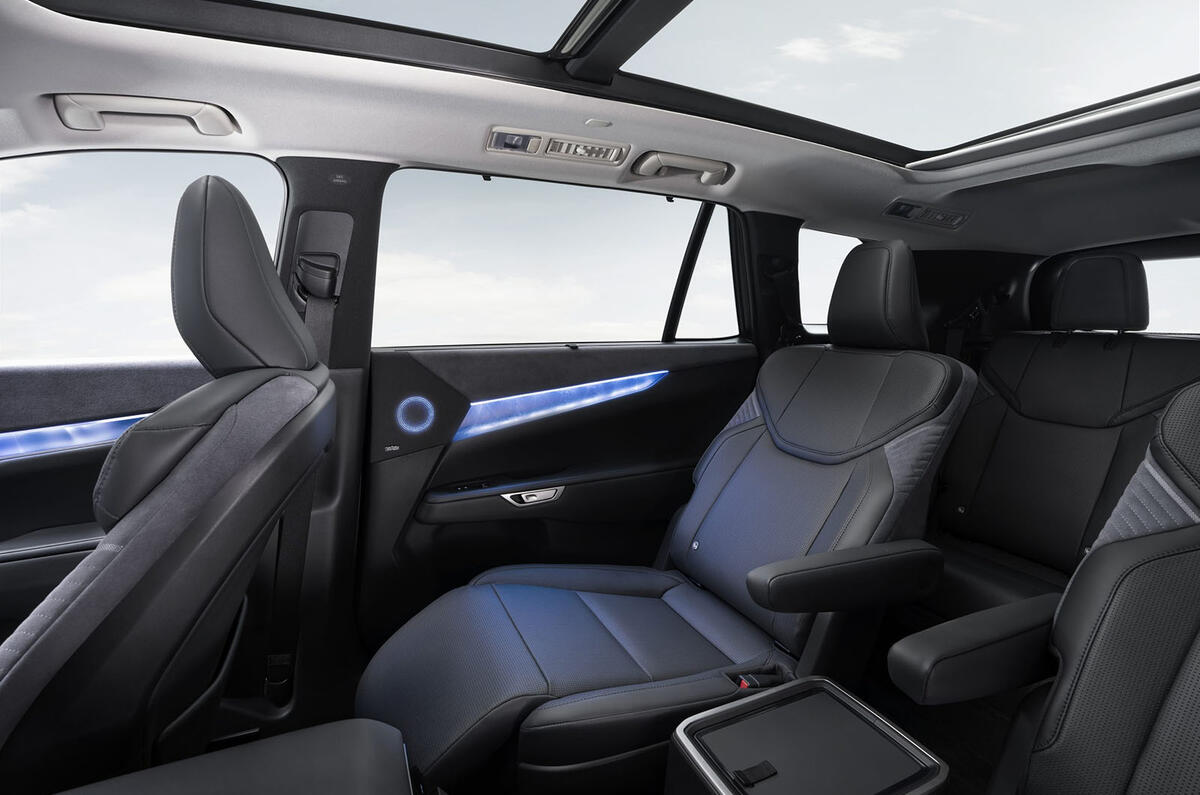
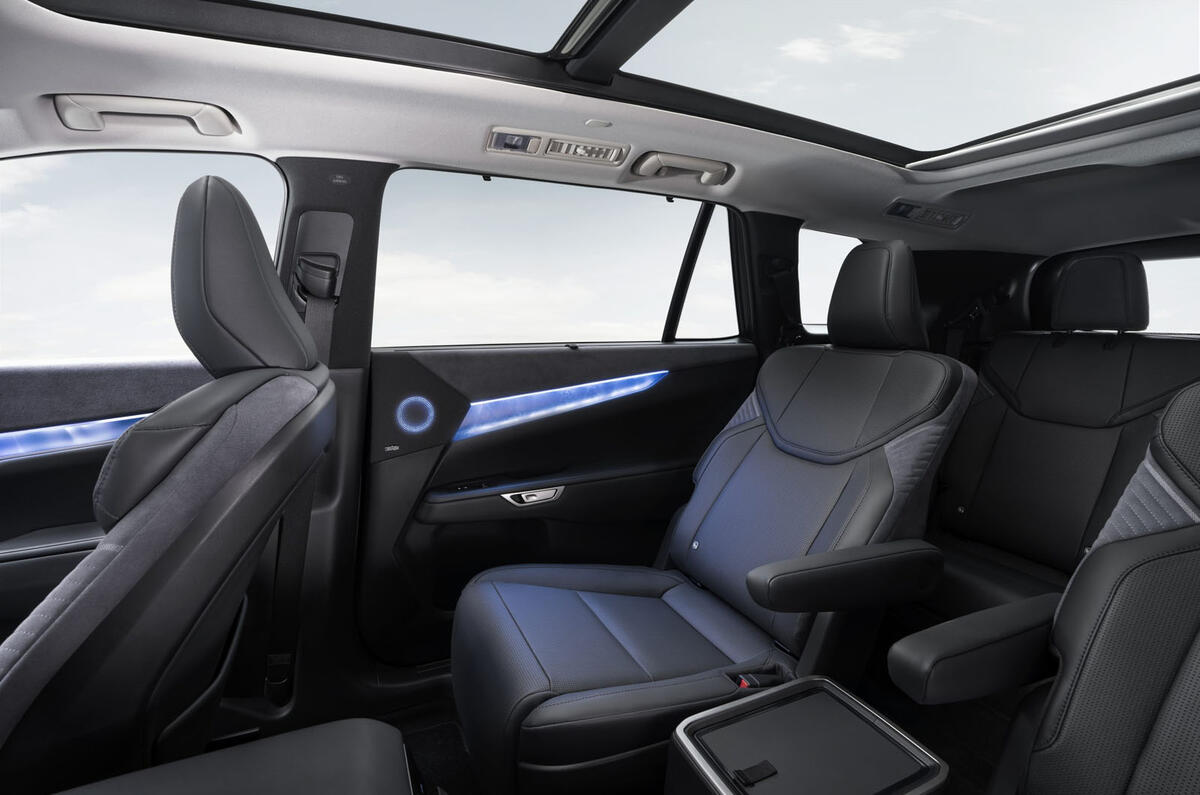
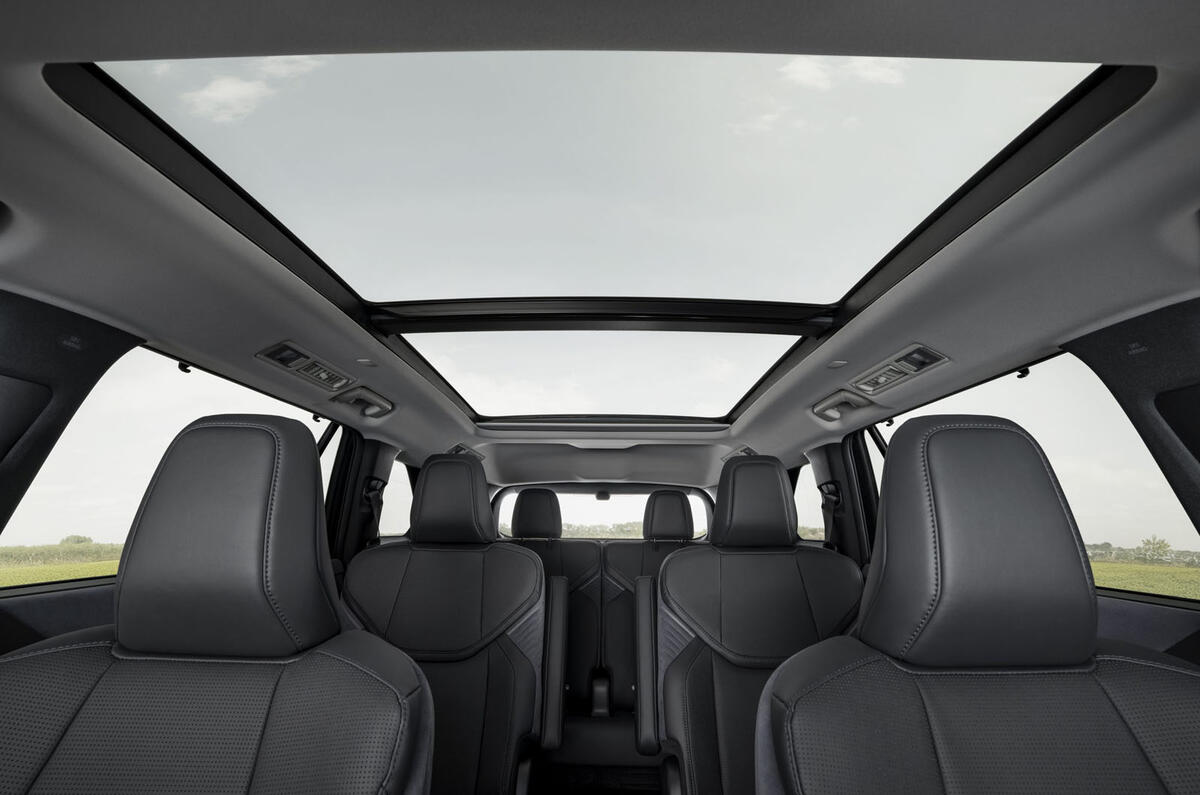
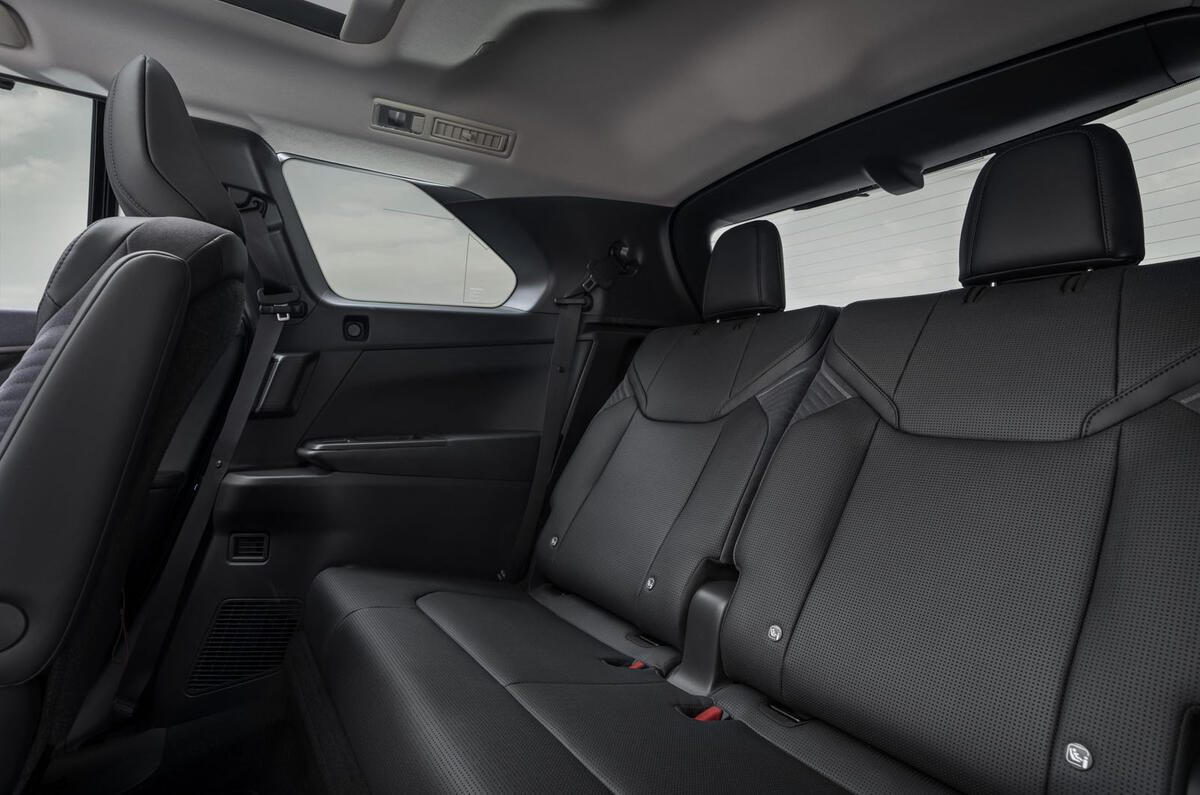
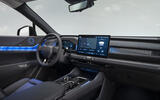
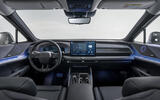
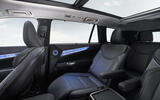
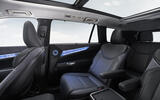
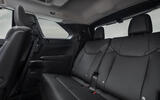
But it’s the ‘driving lounge’ interior that has been the main focus of the car. There are ‘captain’s chairs’ in the second row and Lexus claims the flat floor of the EV allows the third row to be set lower than in a similar combustion-powered vehicle, making them suitable for adults.
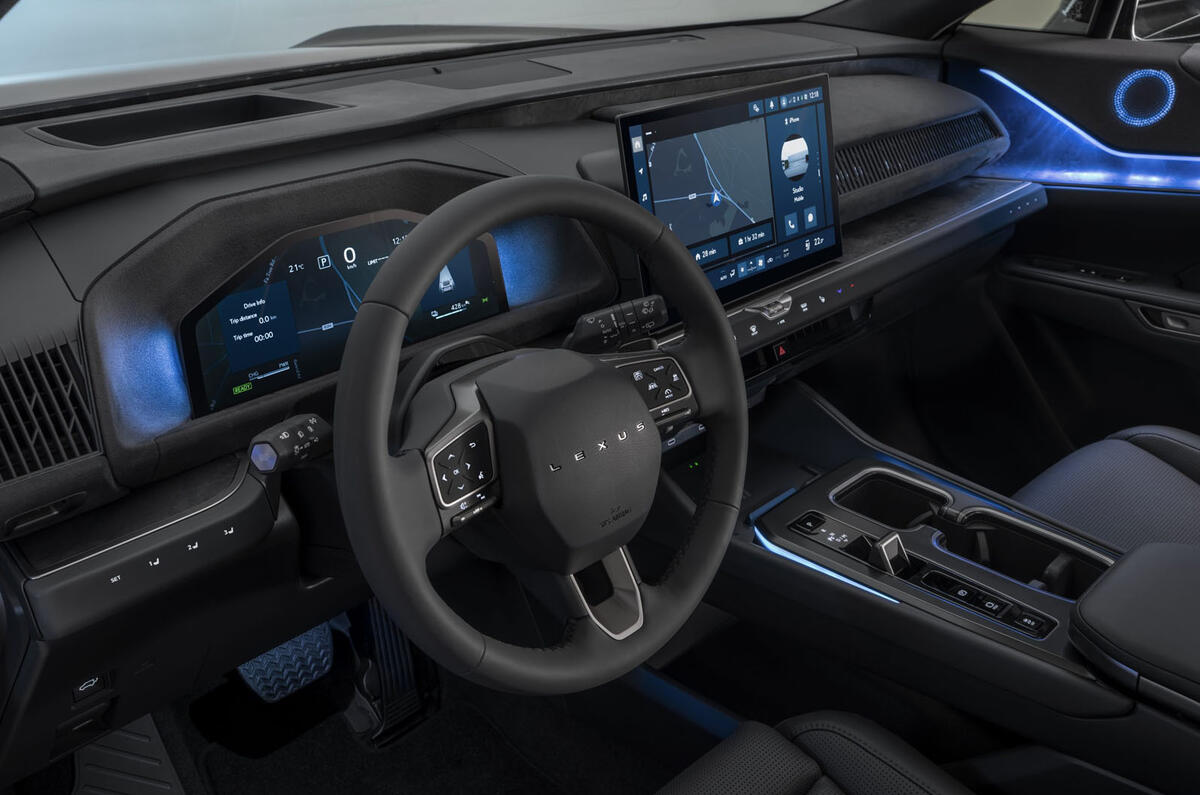
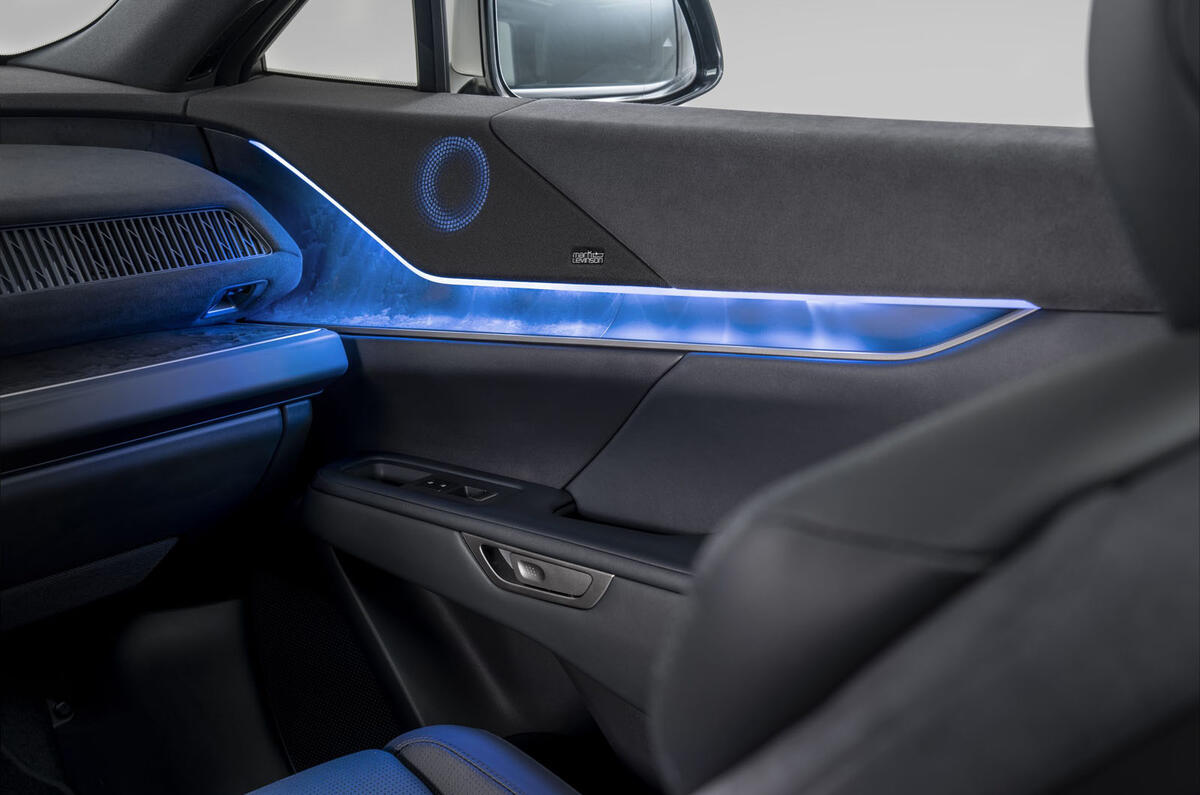
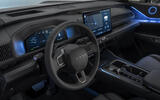
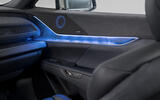
A new-look instrument display features an asymmetric 12.3in design display and a 12in central touchscreen. A 21-speaker audio system can be added as an option and features a specific tuning option for the rear seats.
The driver and passenger seats in the front row are a new design and created to be slimmer than usual to further add to the sense of space. The front two rows of seats feature integrated heating and ventilation systems, with optional ottoman-style leg rests, while seat heating is an option for the rear row.
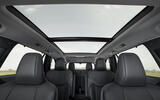
A panoramic roof, the largest yet offered on a Lexus, is standard to further boost an impression of space. Lexus also claims it has conducted extensive work to reduce noise in the cabin, such as installing sound-absorbing materials and thicker glass.