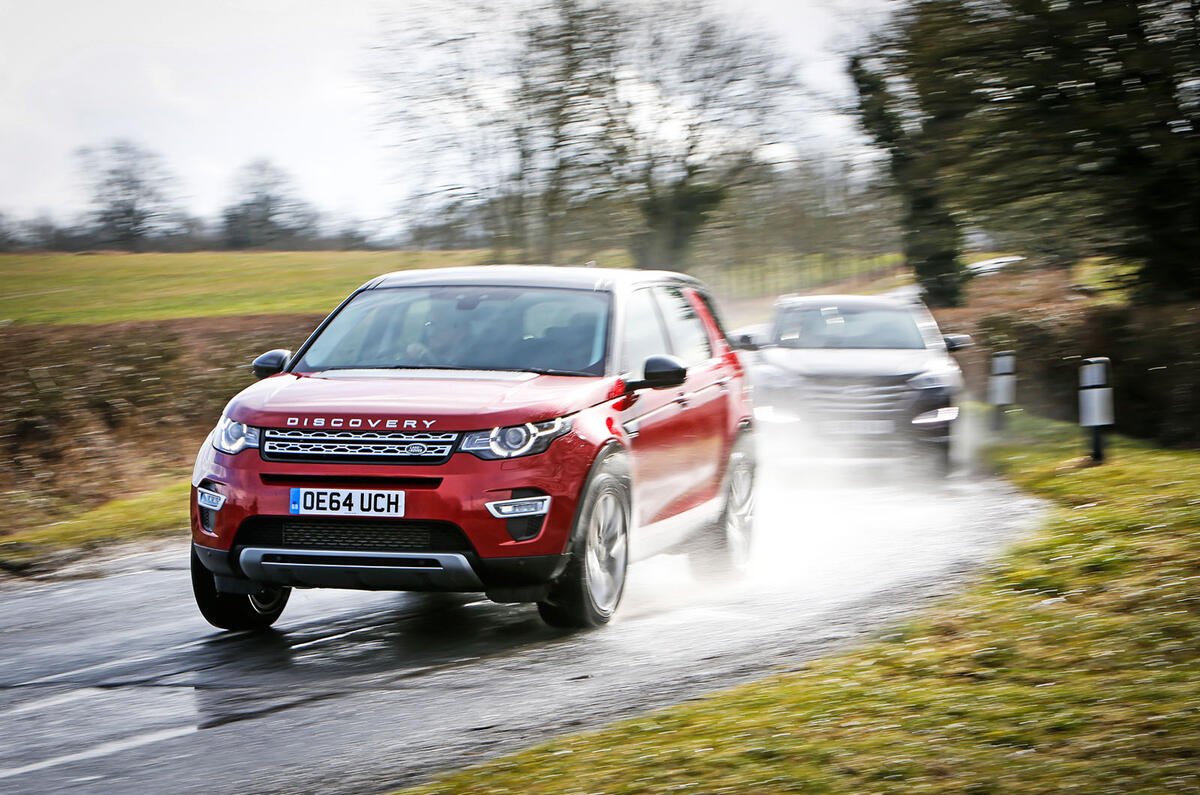
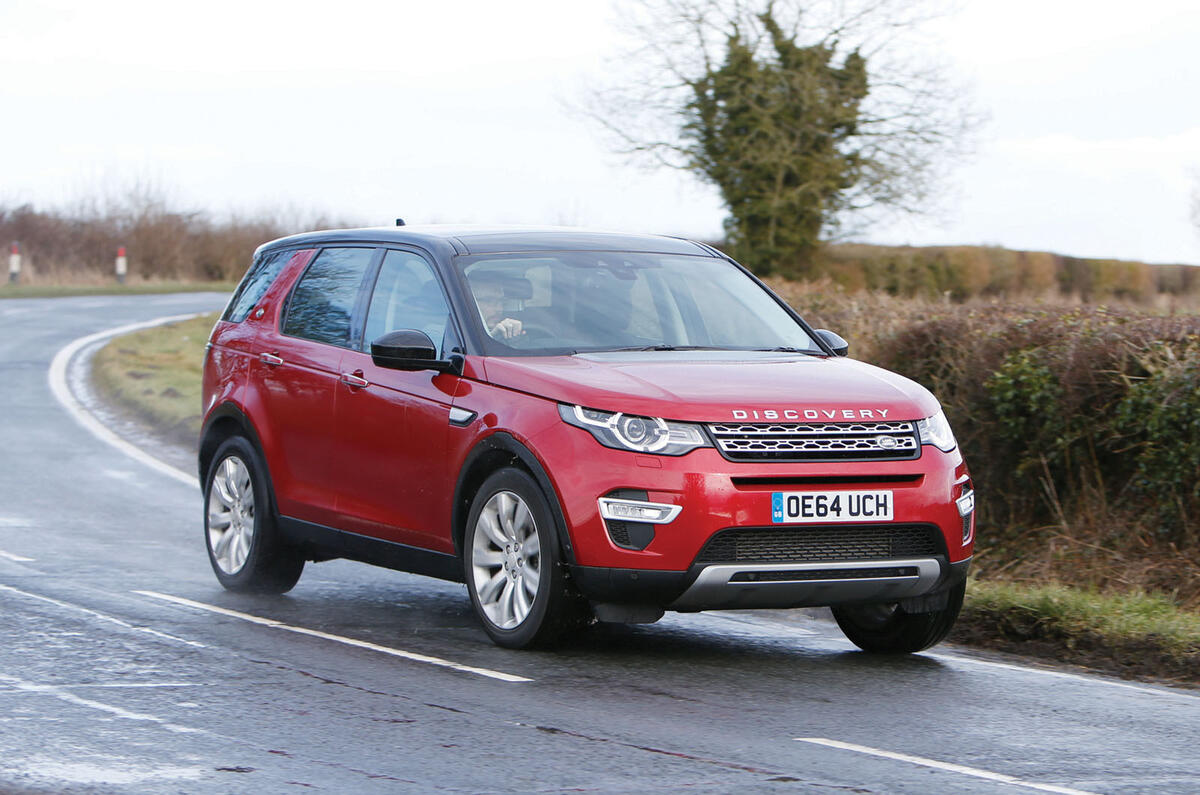
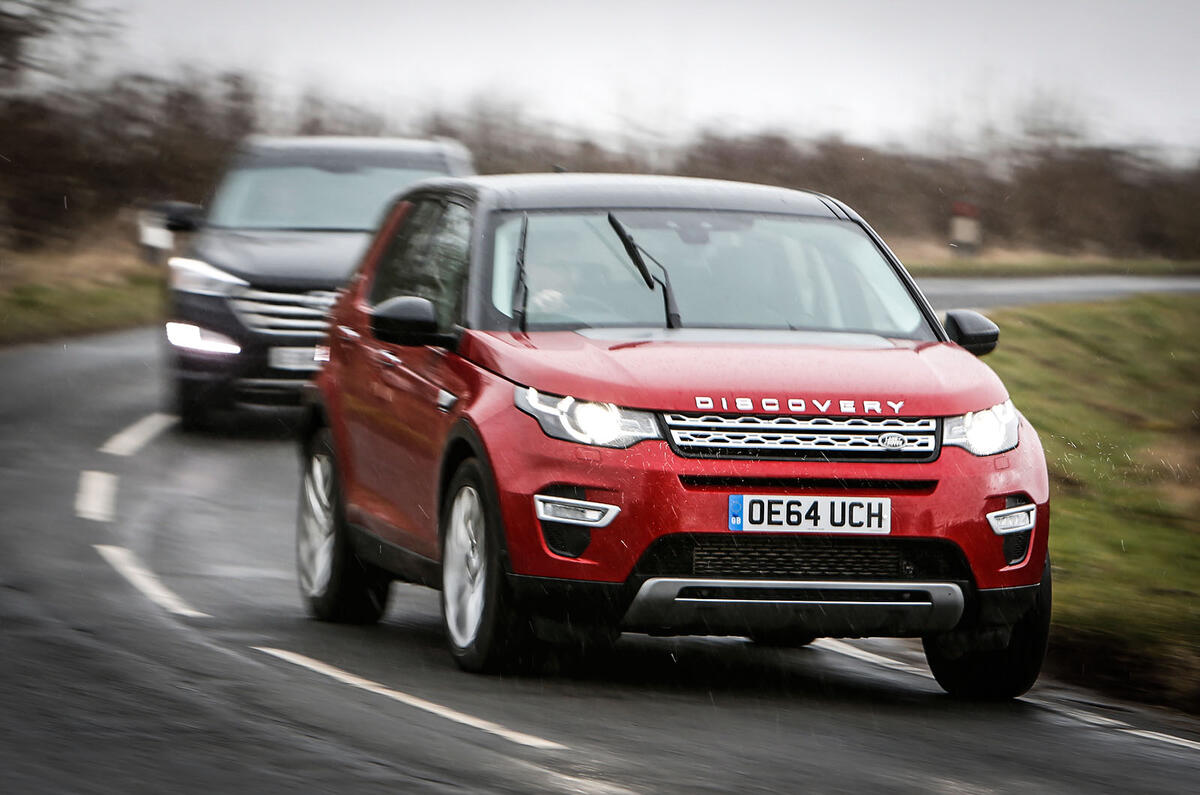
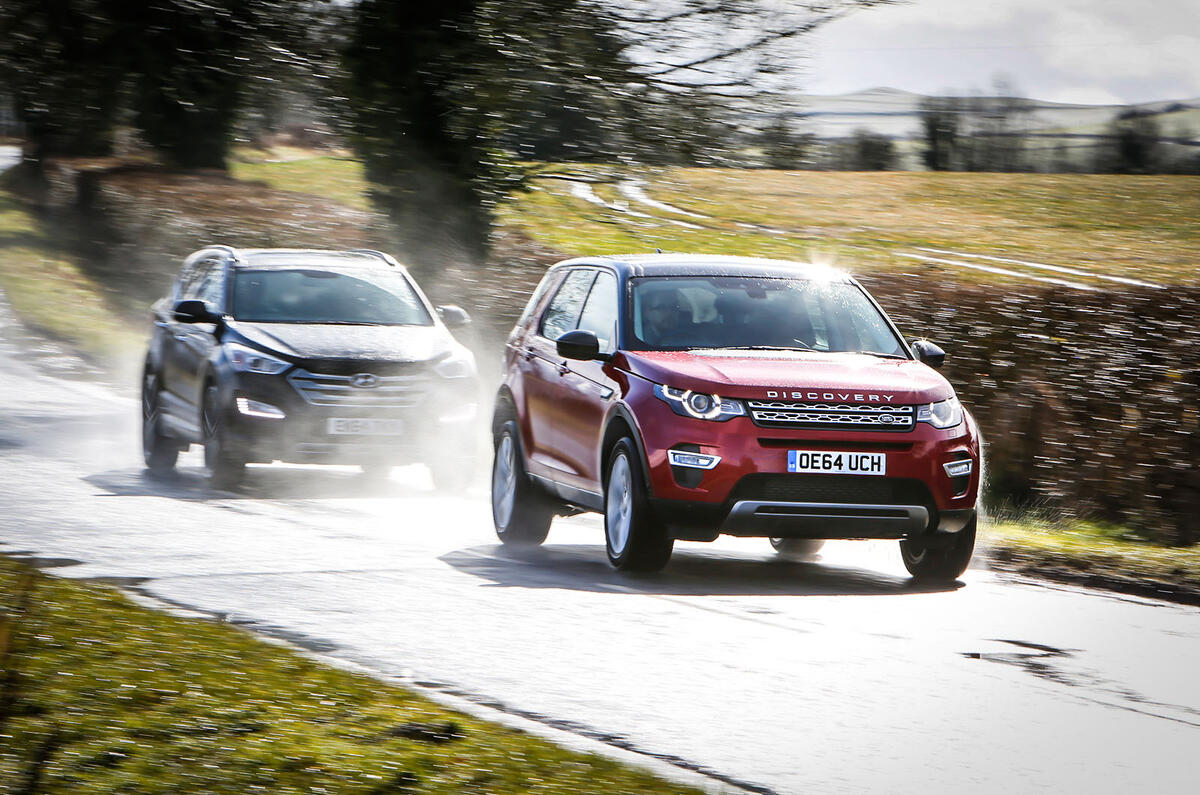














Hmmm, I don’t like the Land Rover Discovery Sport. That, at least, is all that occupies my mind for the first 30 minutes behind the wheel.
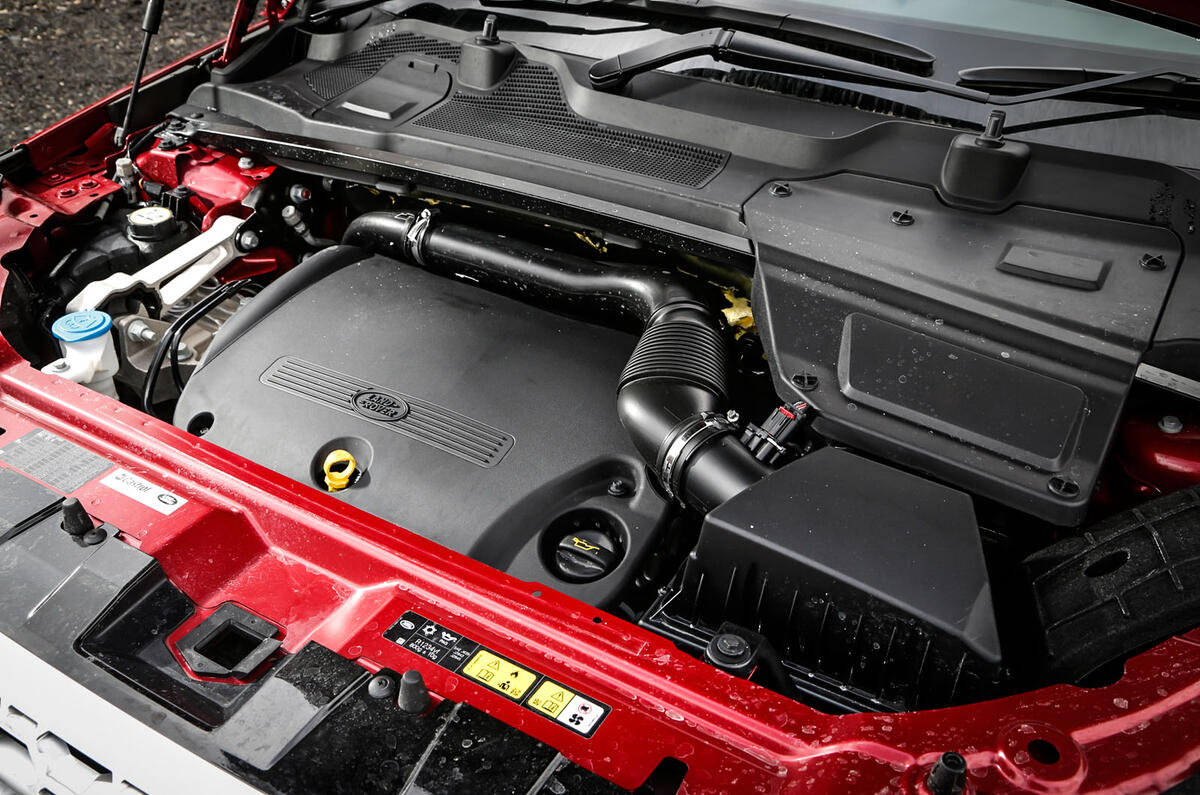
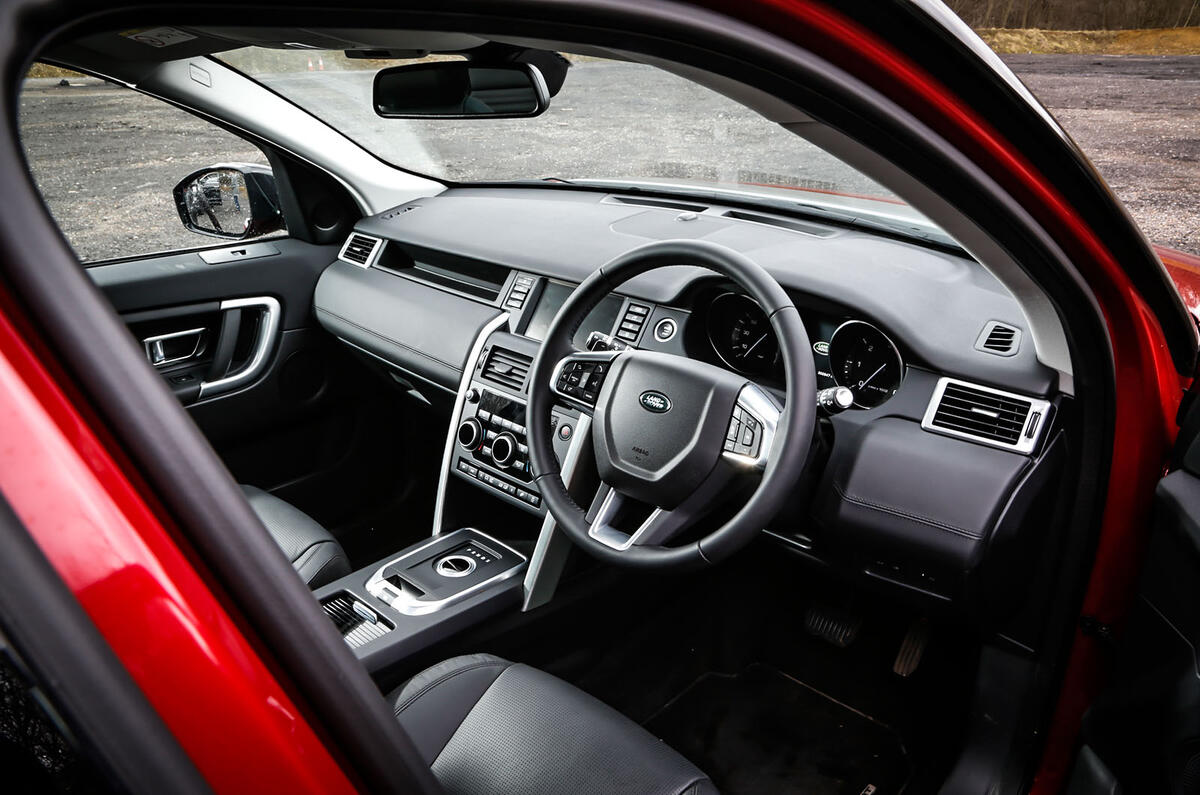
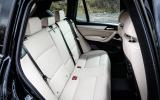
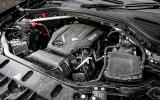
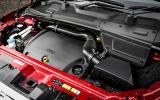
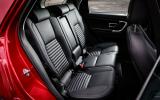
This is supposed to be a new take on the Freelander, yet I’m confronted with an interior that looks and feels five years old. This pre-dated feel is reinforced with every turn of the four-cylinder diesel engine’s crankshaft, too, its coarse nature betraying the fact that it is actually five years old. And all of this, I idly muse, even though this is the newest and one of the more expensive options in its class.
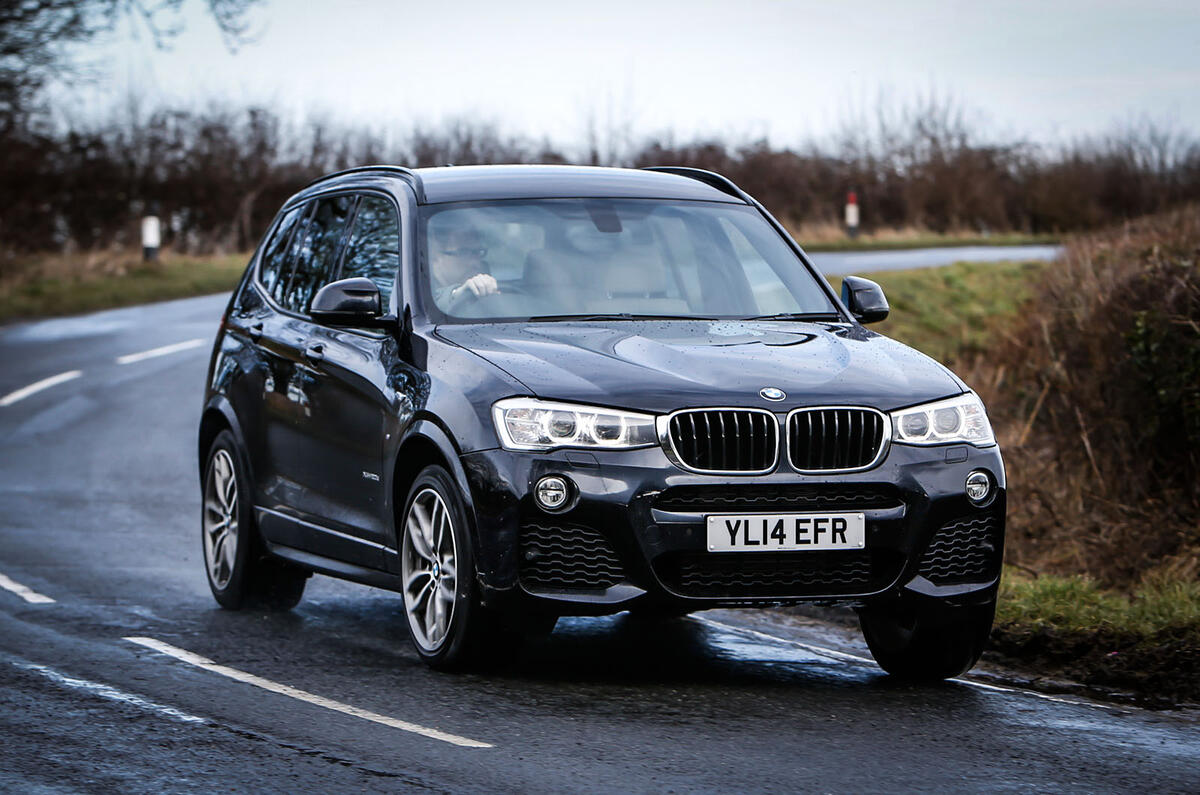
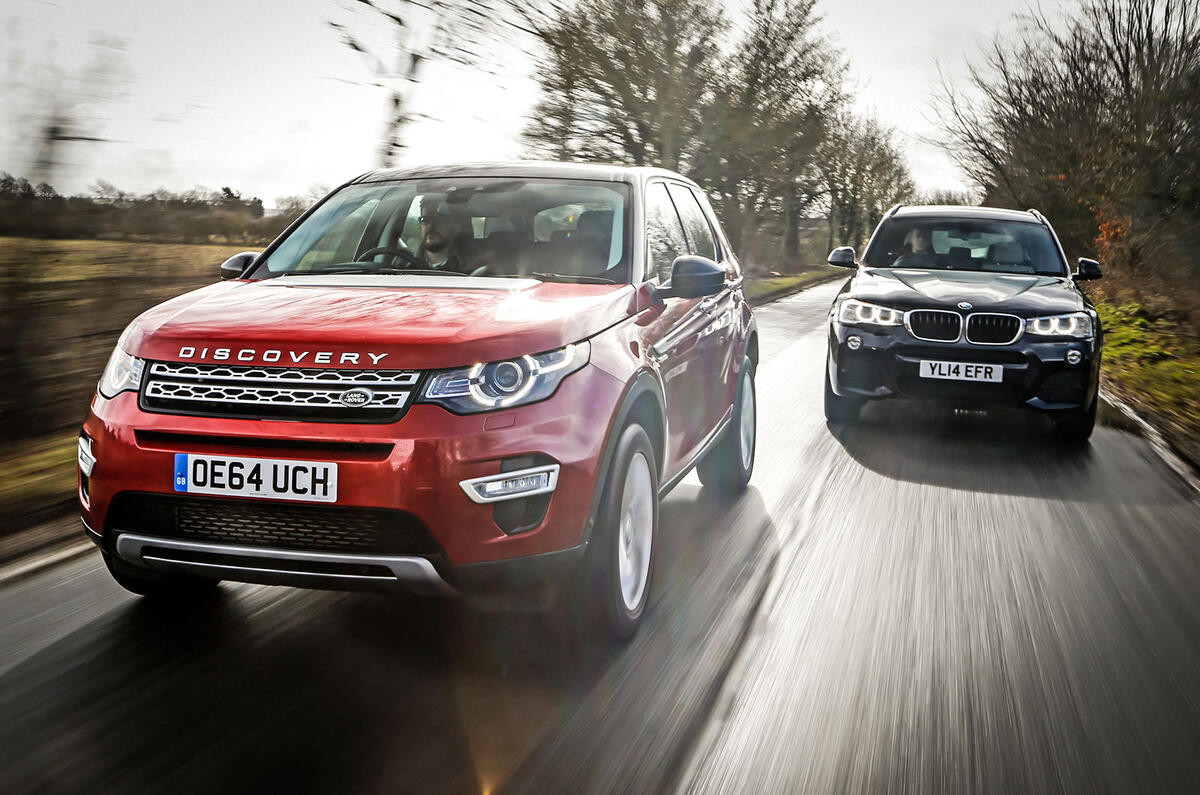
After all, when you’re attempting to muscle in on a market occupied by the likes of the BMW X3 – frequently regarded as one of the best mid-sized SUVs on sale – then you really need to push the boat out. Your car needs to be competitive in every aspect, if not exceptionally so, and offer several additional facets of reward in order to topple such heady competition.
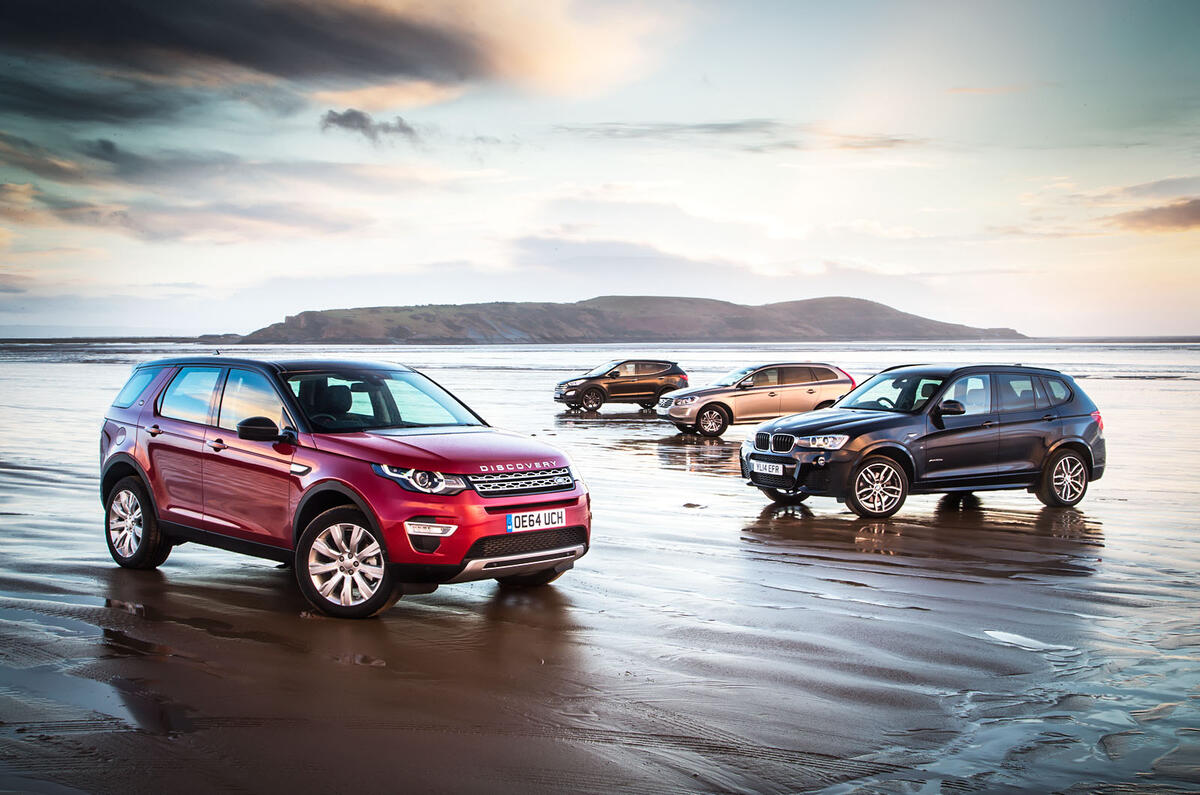
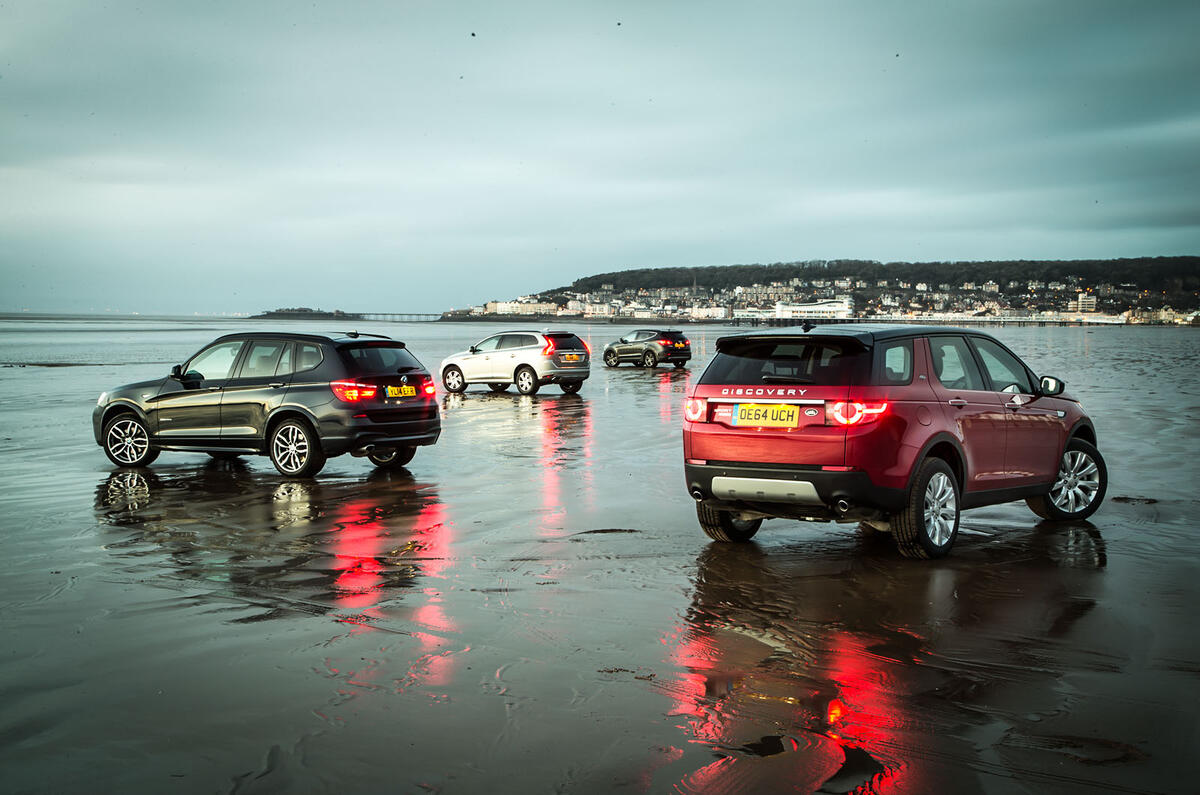
The Discovery Sport doesn’t face competition just from Germany, however. These days, every manufacturer is in on the SUV game, exploiting what has rapidly developed into an incredibly lucrative sector. So, in order to find out whether the Land Rover really has what it takes to justify a place on your drive, we’re pitching it at a broad spectrum of alternatives.
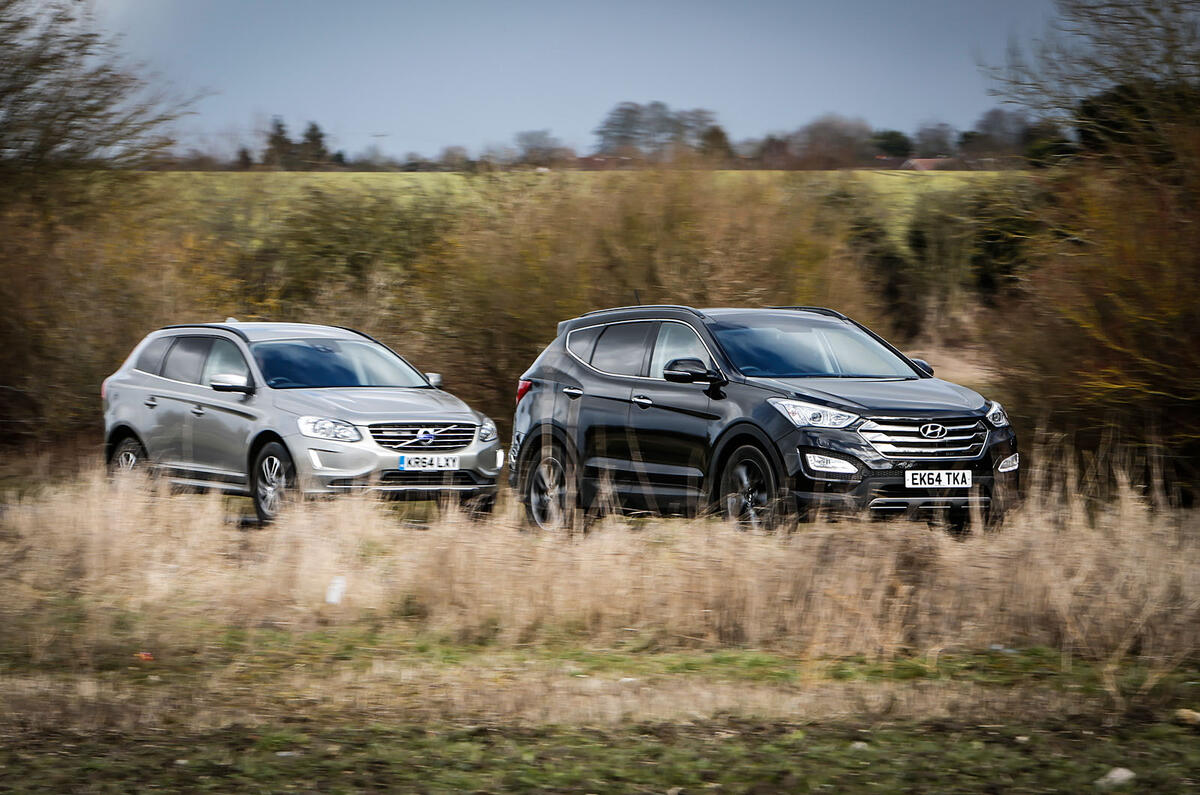
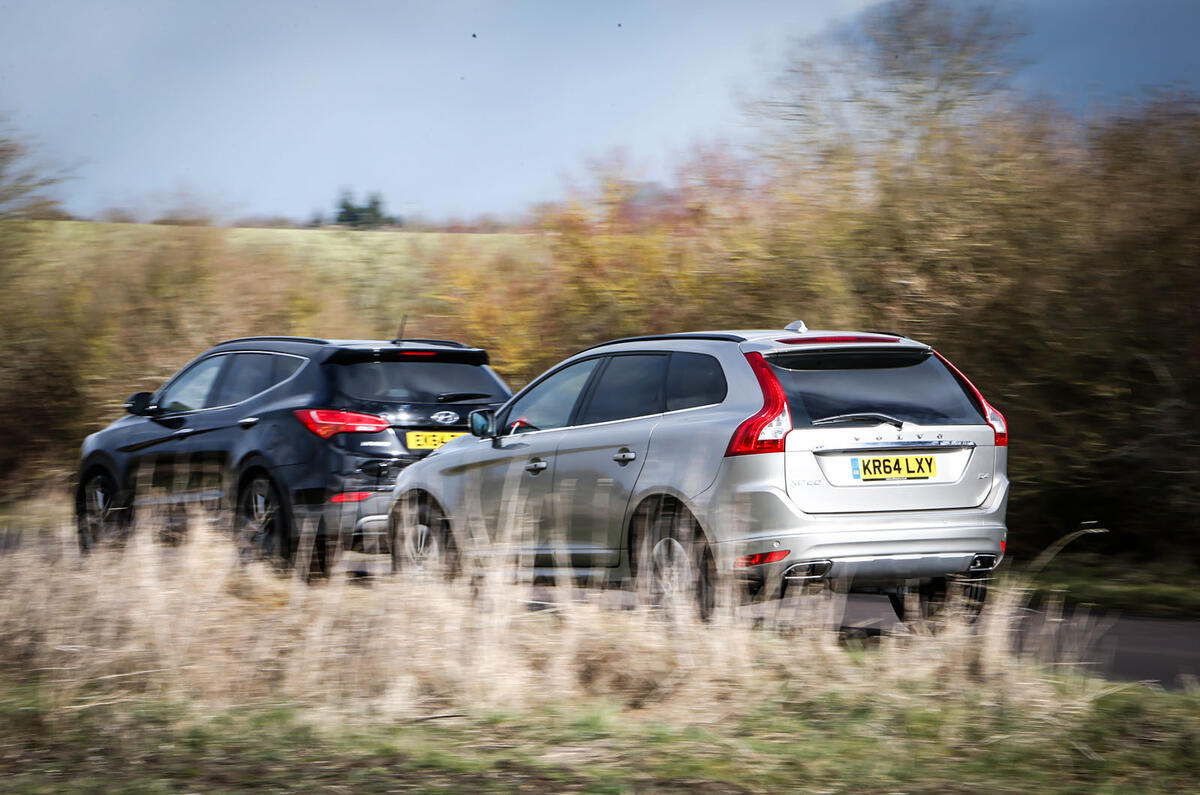
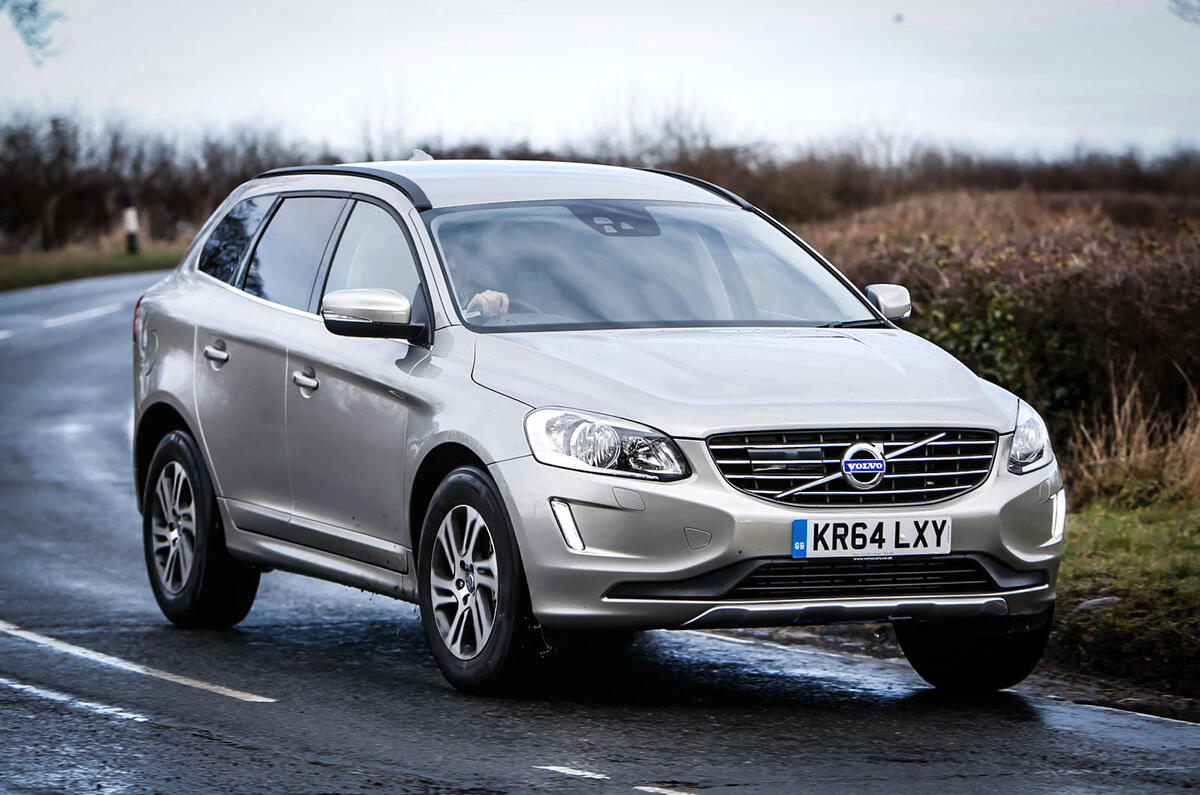
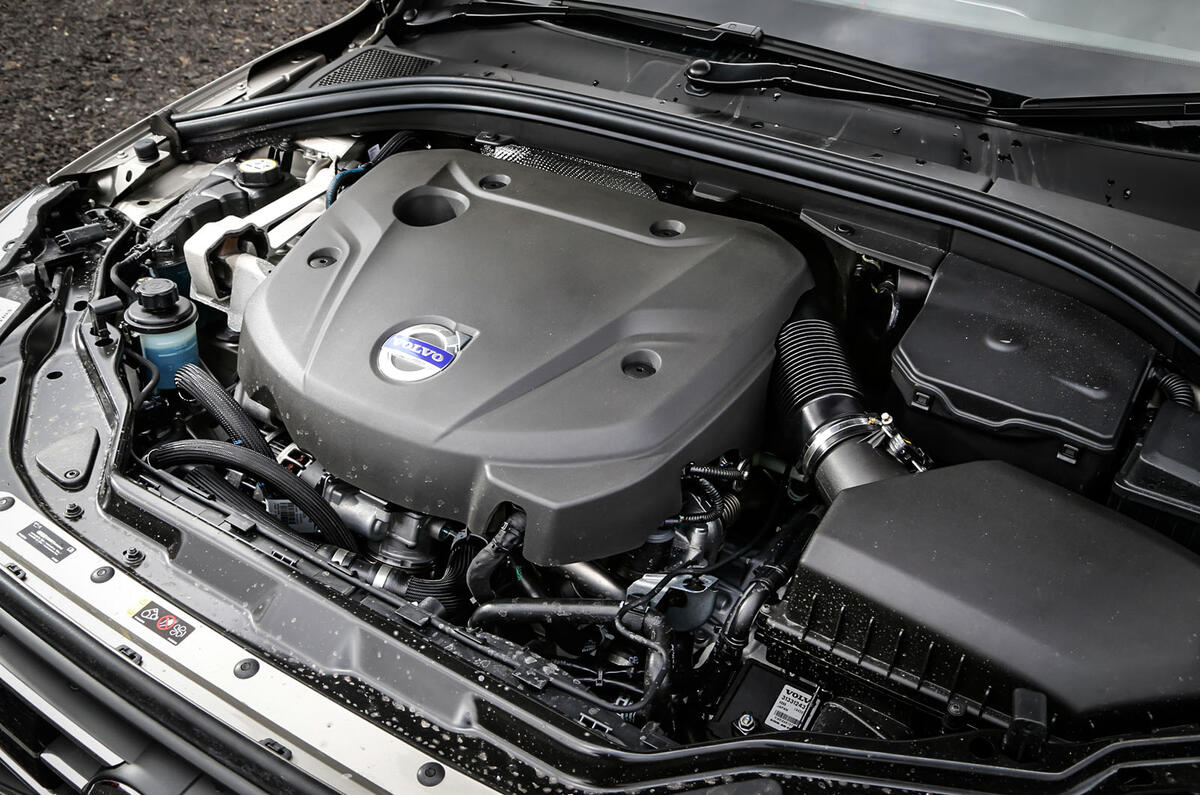
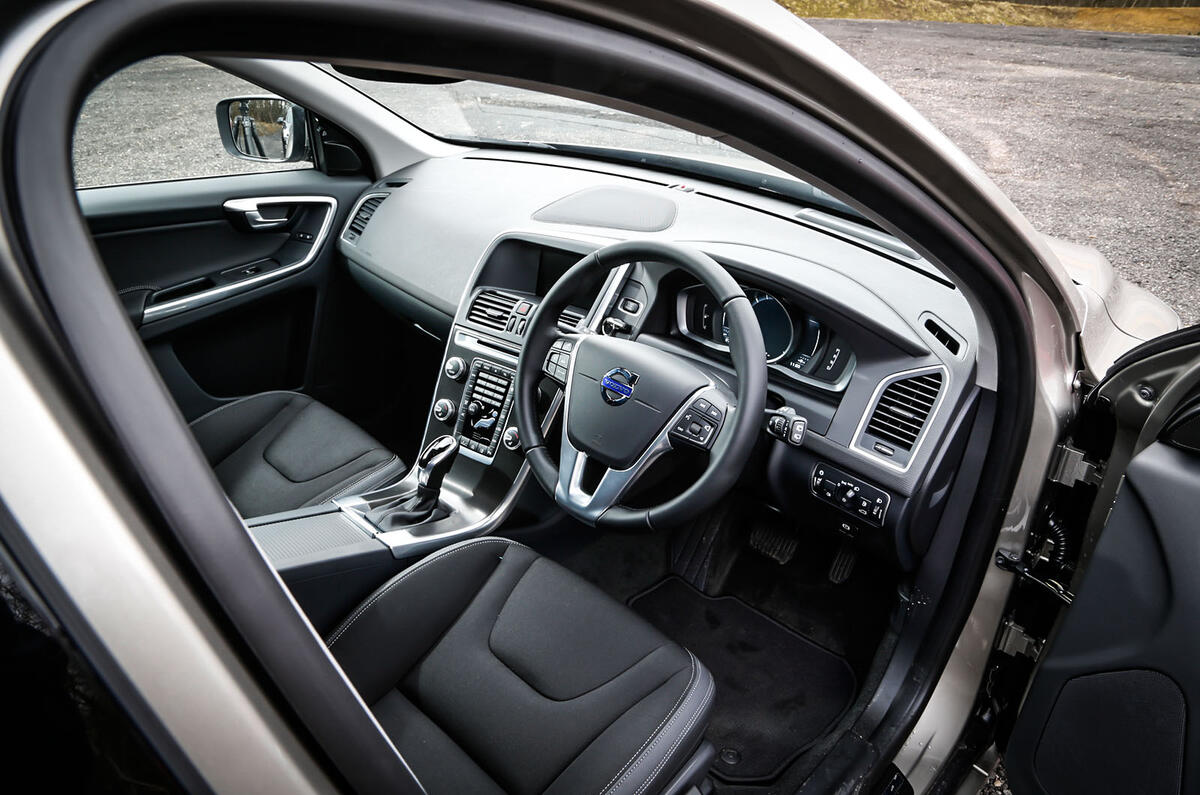
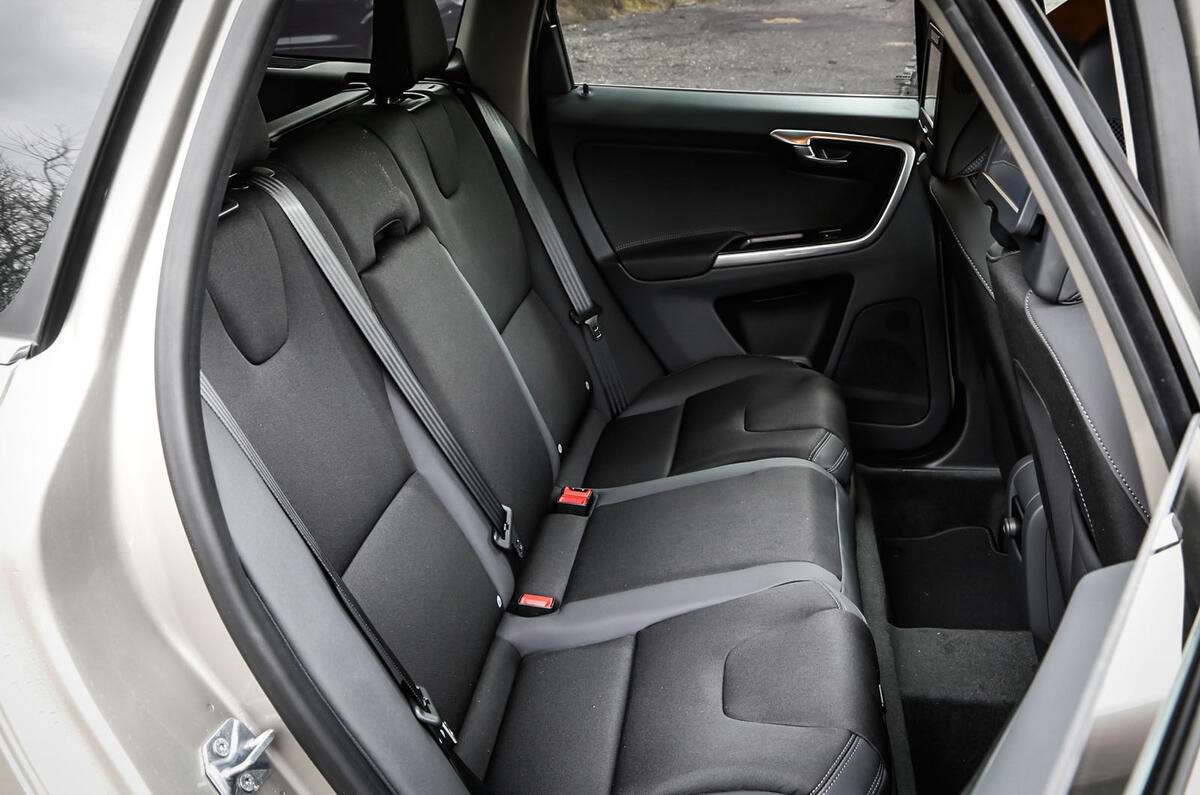
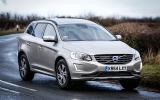
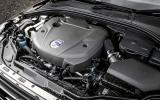
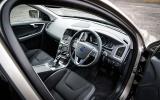
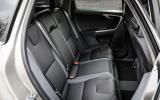
First to join the Discovery Sport just outside Swindon, prior to a cross-country trek that will put several hundred miles on the odometers of all here, is the Volvo XC60. It packs Volvo’s frugal new D4 engine, which isn’t offered with four-wheel drive yet, and is a quietly appealing car. It’s also one that, in most cases, wouldn’t appear out of place parked nose to nose with the new Land Rover in the high-end residential areas frequently occupied by these cars.
Read the full Land Rover Discovery Sport review
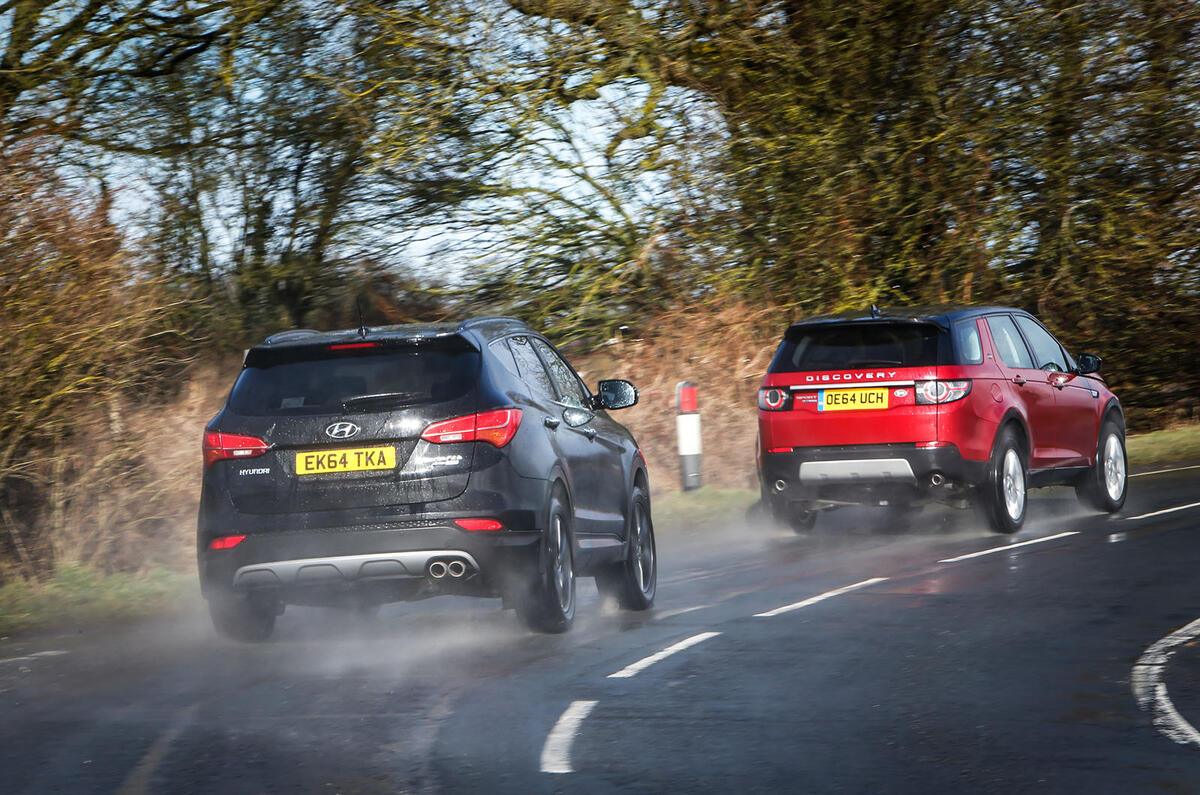
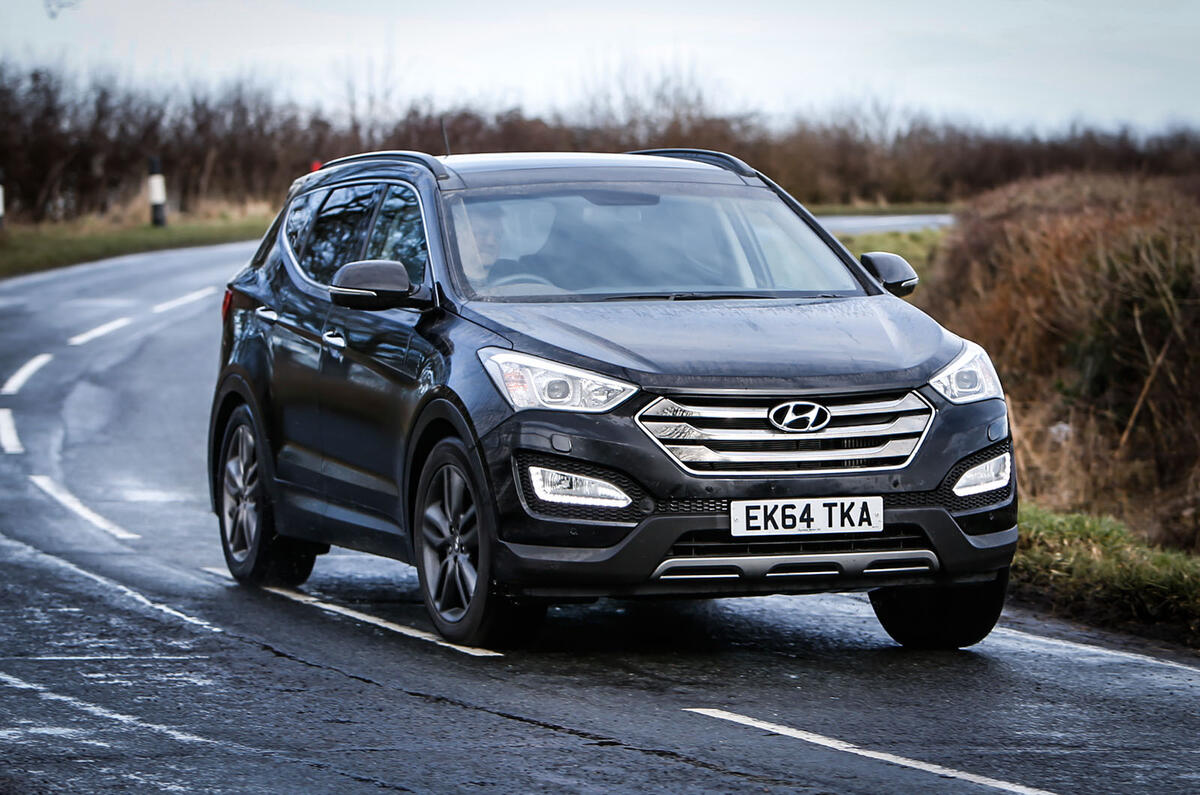
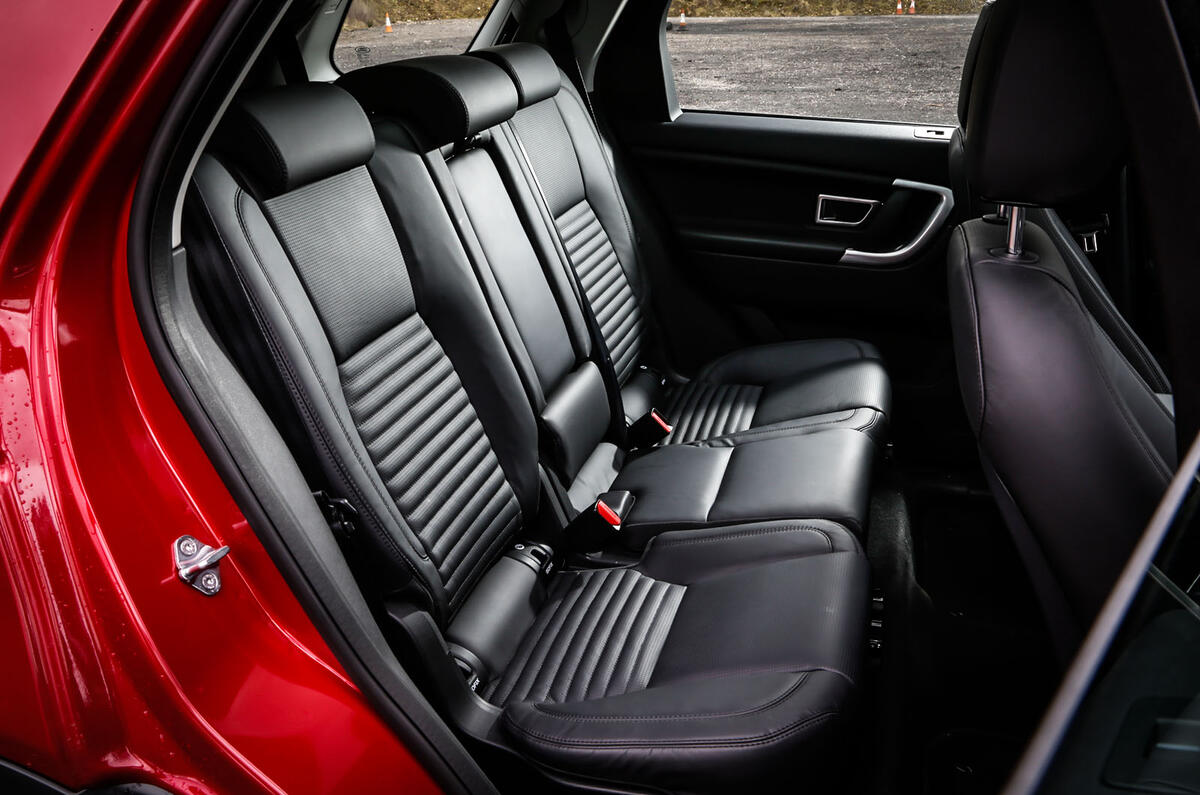
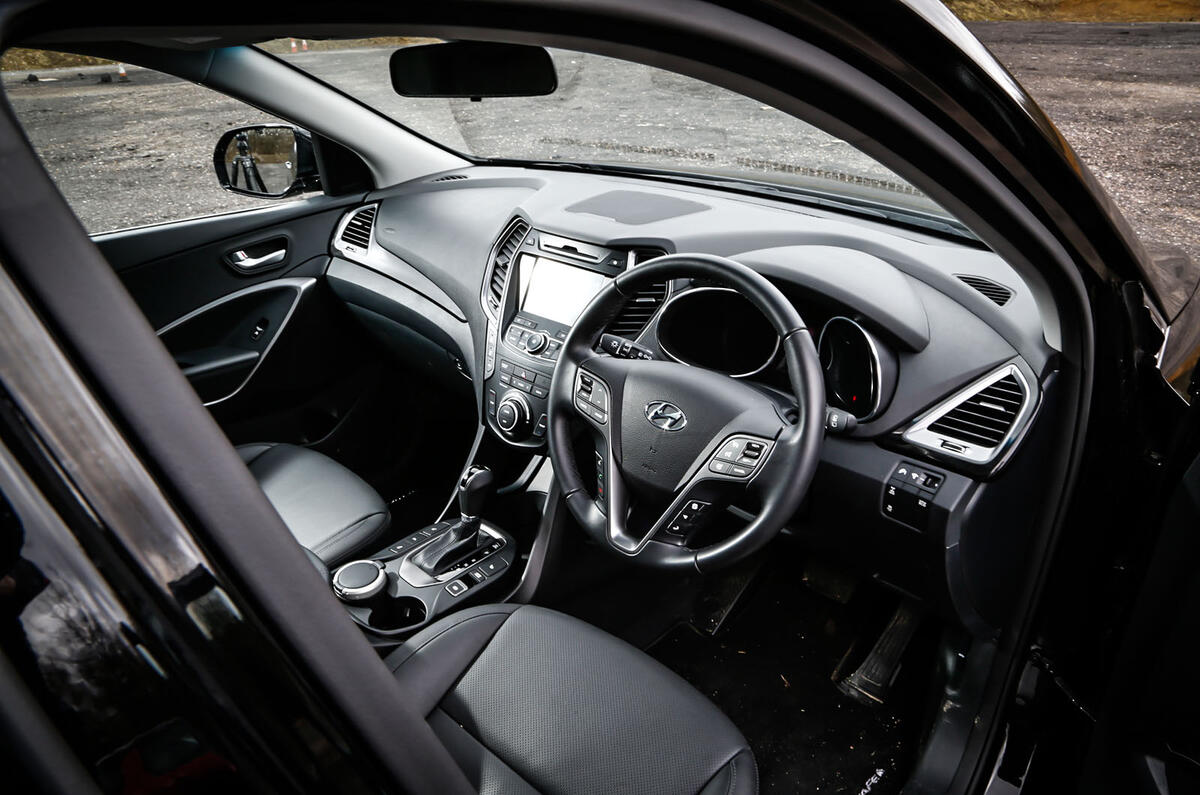
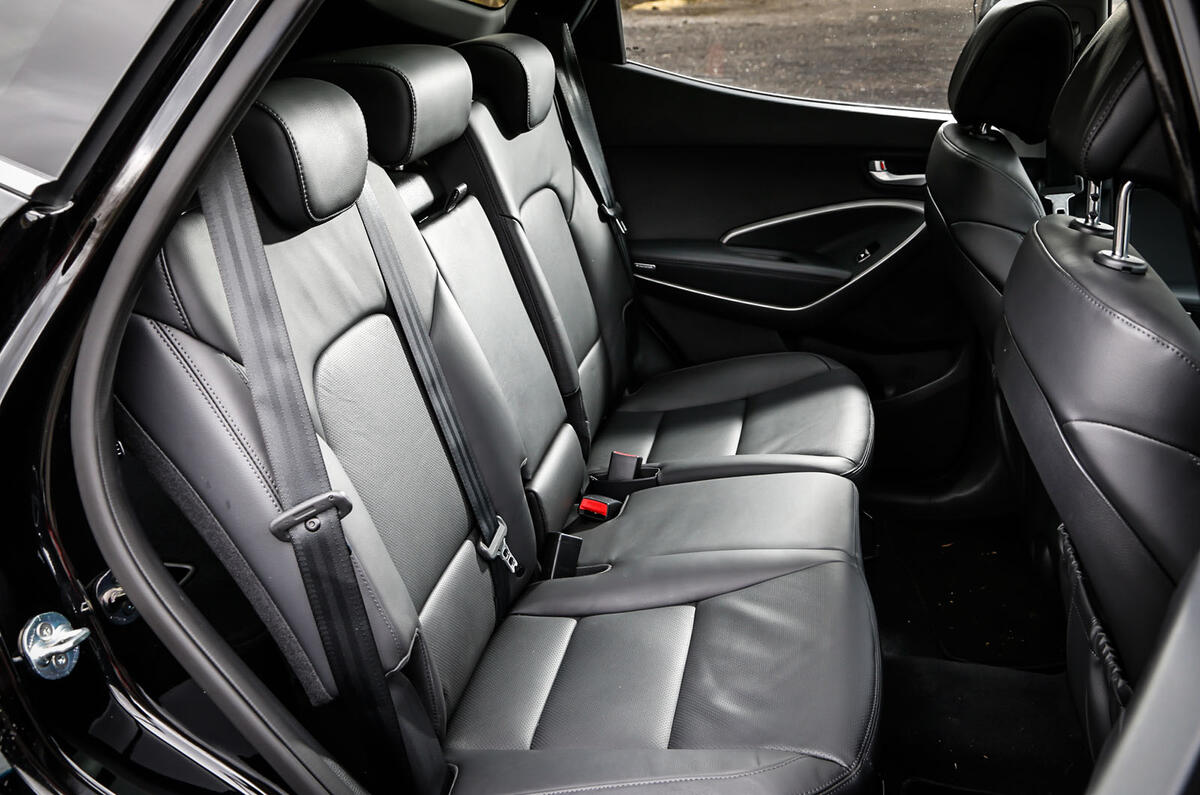
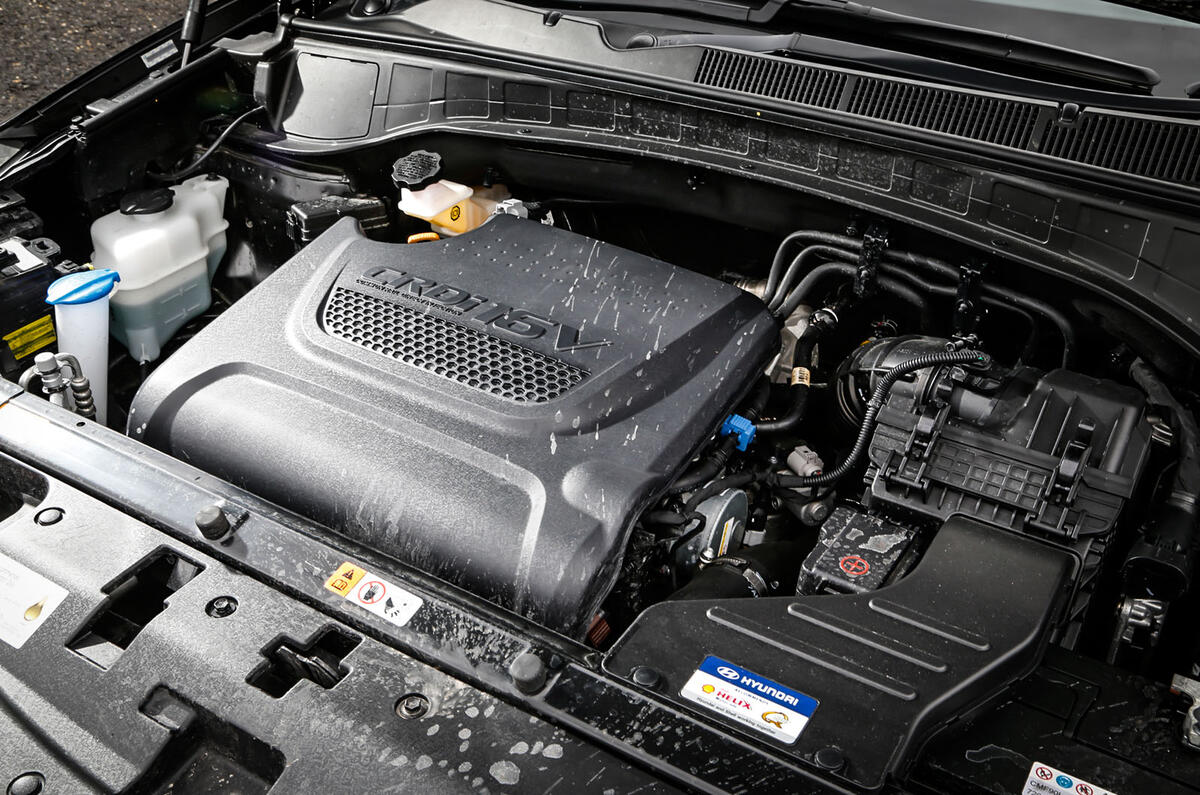
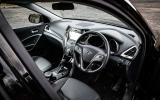
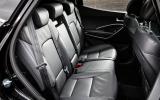
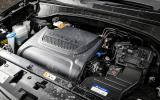
Next into the starting blocks is the Hyundai Santa Fe. Like the Land Rover, it sports a diesel engine, four-wheel drive and seven seats. It may not have the badge or the off-road credentials, but what it majors on is value for money and ease of use.
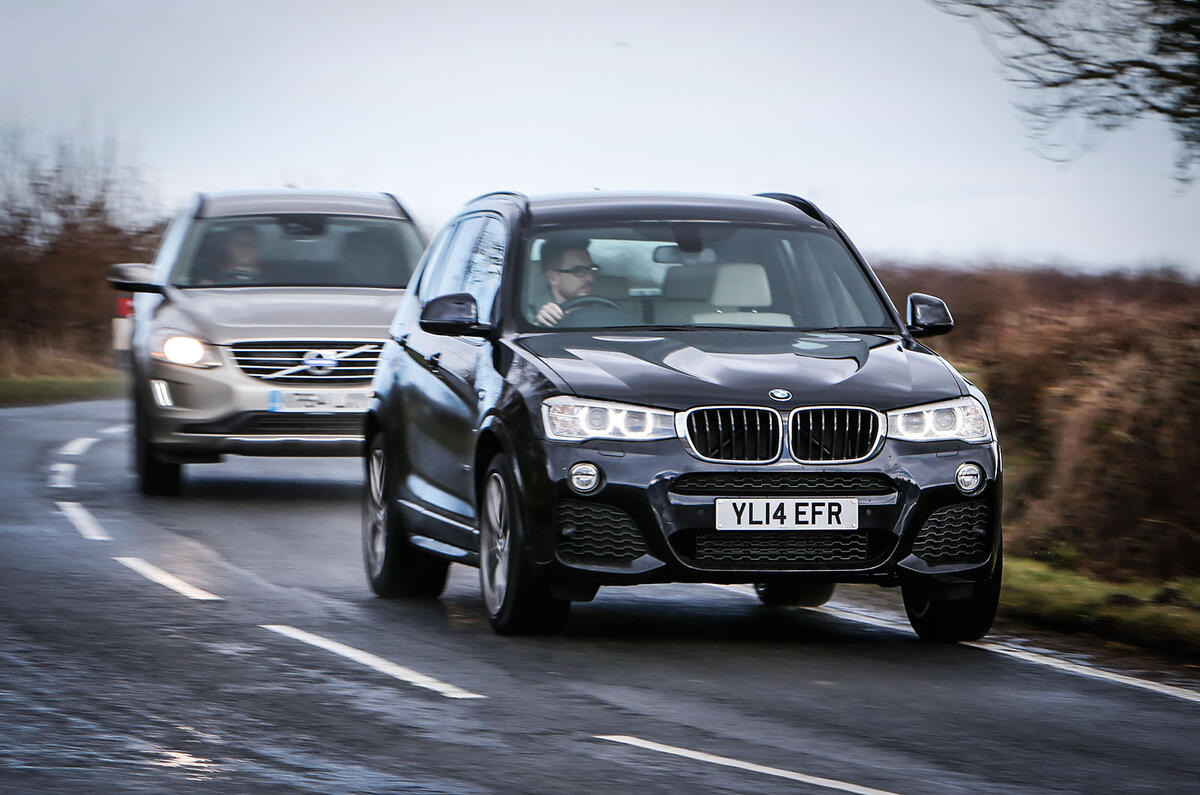
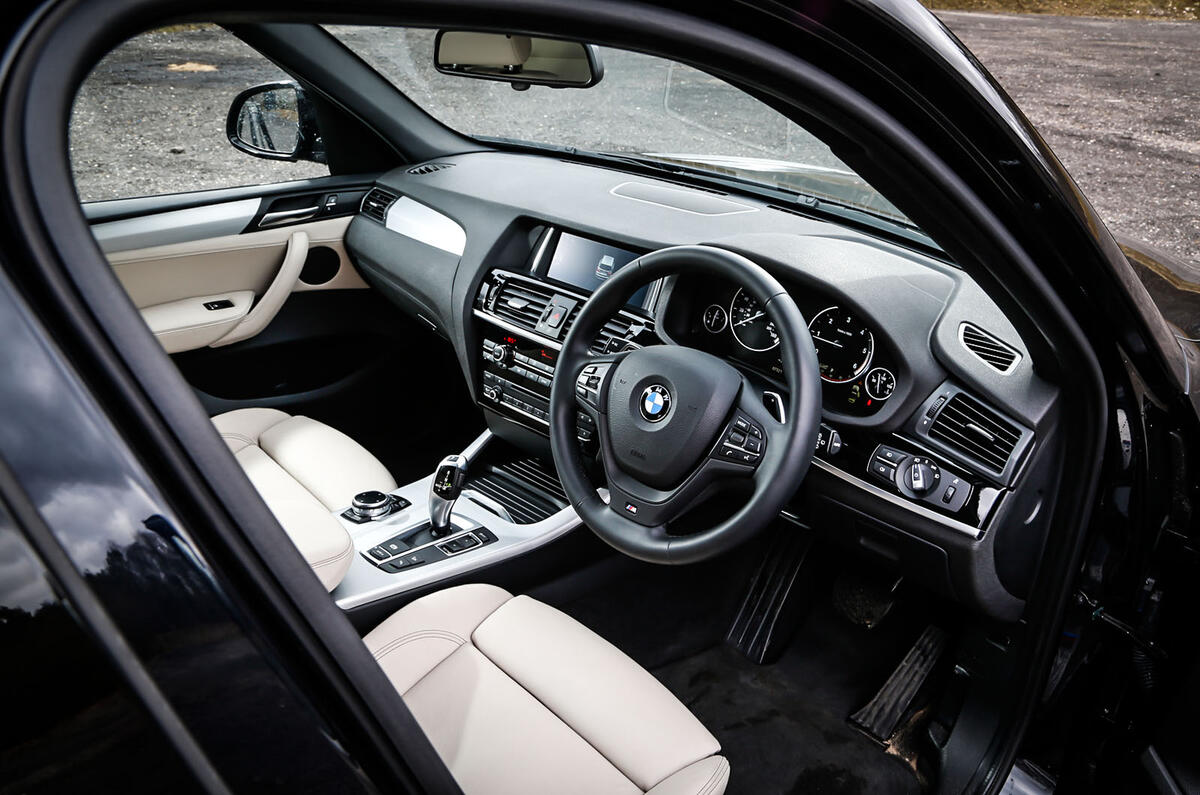
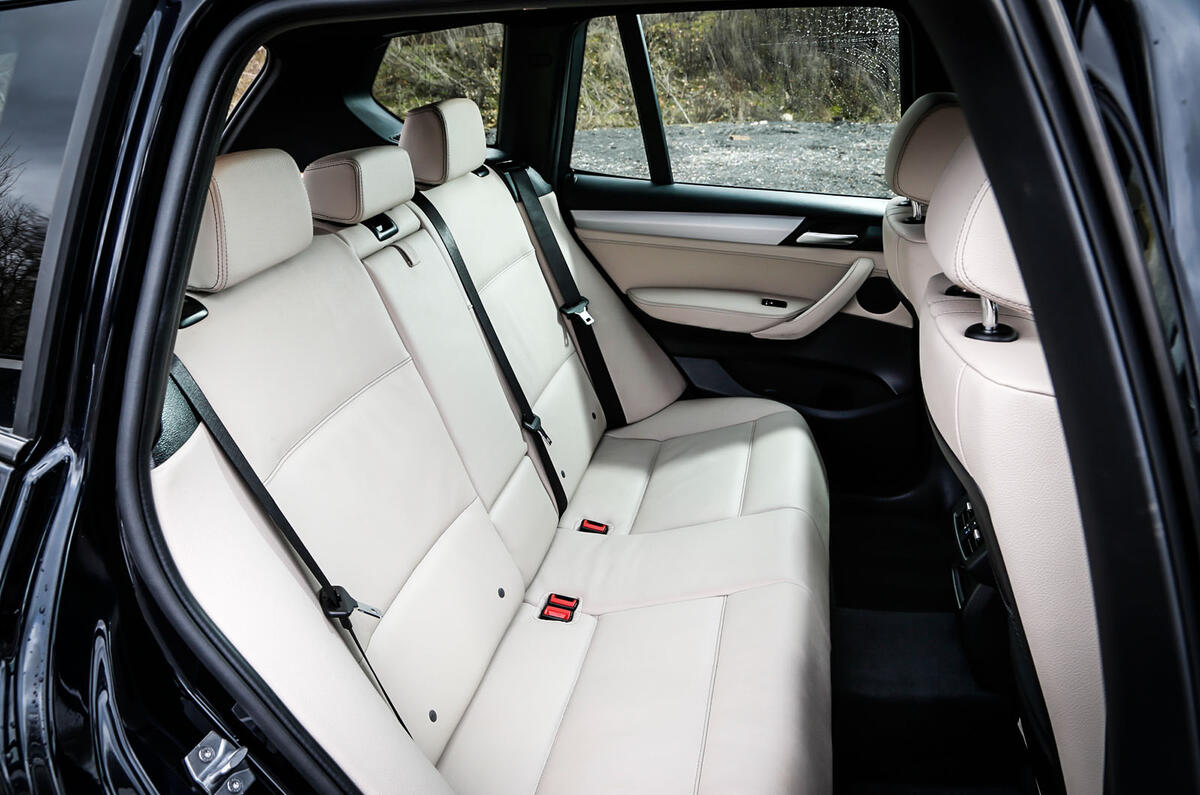
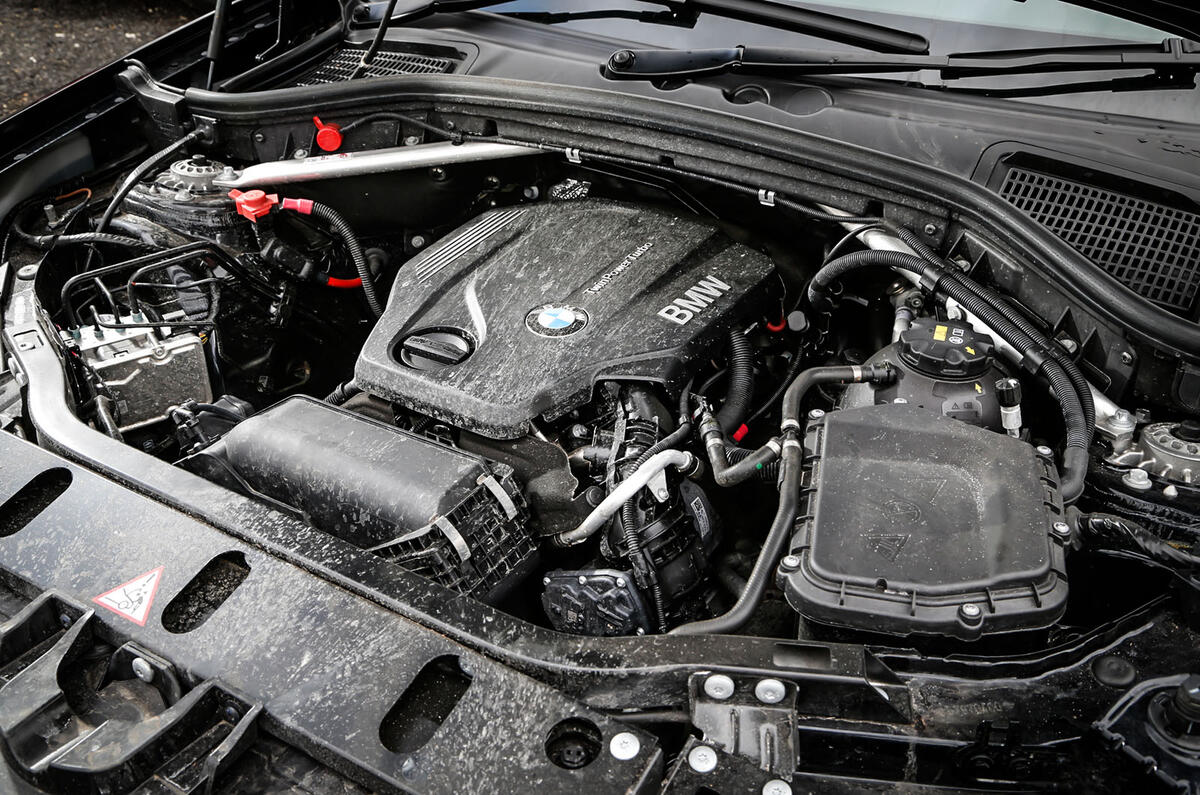
Lastly, the main threat – the five-seat, four-wheel-drive X3 – rolls in. It’s this that the Land Rover will have to work hardest to overcome, but that’s not to say the other cars here are completely outgunned.
However, it’s immediately apparent that the Land Rover is the one getting the most attention. Although I’m not personally sold on the ‘inflated Evoque’ looks and the somewhat brash ‘Discovery’ badge on the nose, the Land Rover is unquestionably the most interesting to look at.
Some of that interest from passers-by might be lost when you tell them how much it costs, though. This flagship HSE version, in Luxury specification, racks up the register at a wince-inducing £42,995. Compensation comes in the form of an equipment list that’s as long as your arm, including features such as a stout 11-speaker stereo and heated and cooled front seats, but it still feels a hefty price for a four-cylinder diesel SUV.
That said, the others may be cheaper at face value – the Volvo starts at £34,010 in automatic form, the Hyundai £35,430 and the BMW £35,370 – but rampage through the options list and it’s not difficult to come within spitting distance of the Land Rover’s price.