





The incentives to buy an electric car in the UK may have been reduced, but more and more people are still making the switch away from conventionally powered vehicles.
So far this year, sales of ‘alternatively fuelled’ vehicles have accounted for around 4% of all new car registrations.
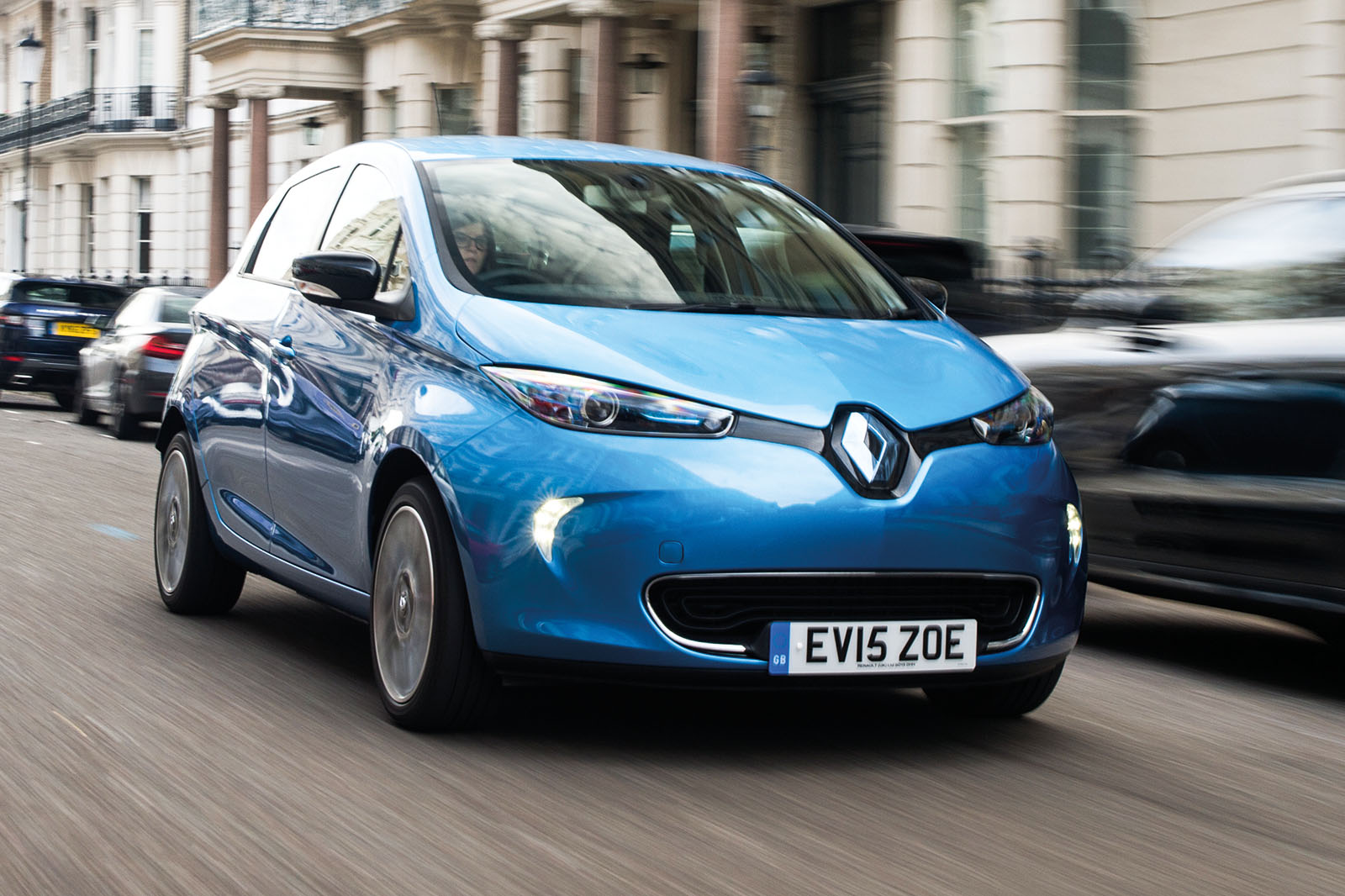
Britain is western Europe’s third-largest market for electrified cars, behind the Netherlands and Norway, where incentives are substantial, but the global trend tells a similar story.
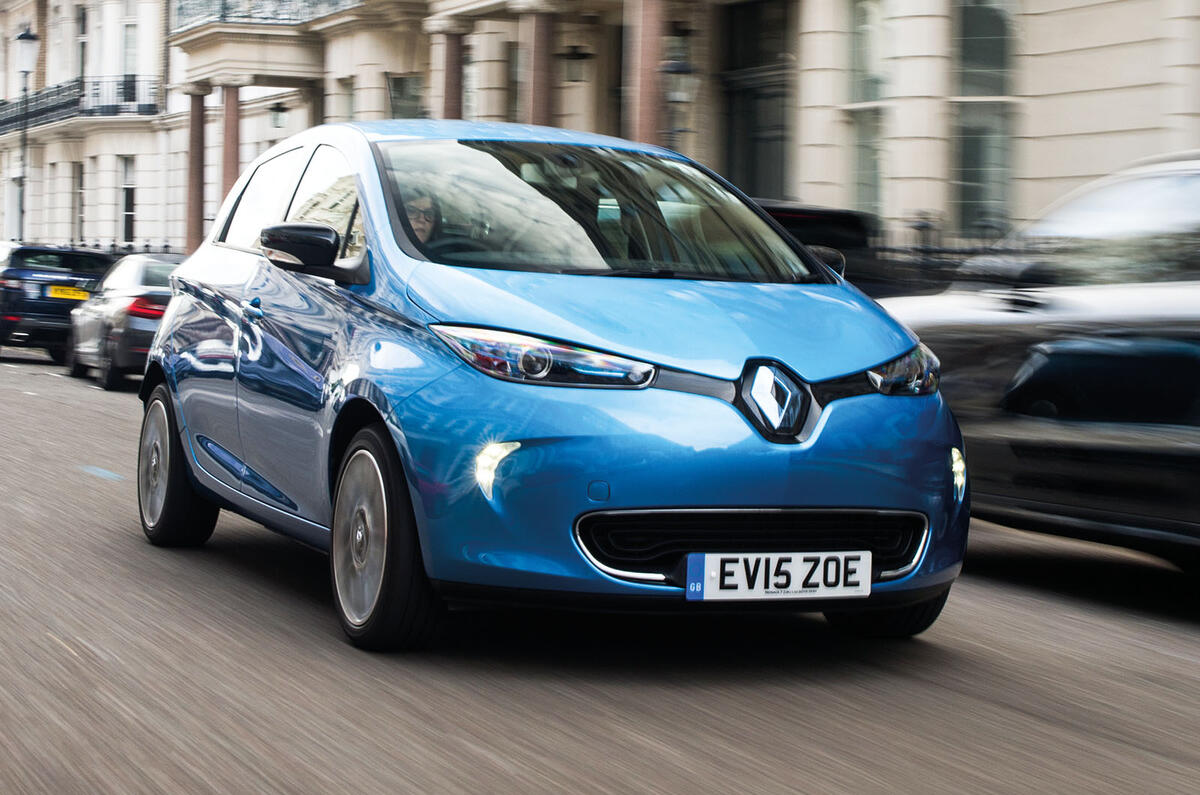
March this year was the third-best month for electrified car sales in Europe, behind only December 2015 and 2016, when financial inducements peaked. The new Renault Zoe and the Nissan Leaf were the standard-bearers, chased by the plug-in hybrid Mitsubishi Outlander. Electrified car sales average around 1% of total sales across the region.
In the US, the mindset is anchored harder in big-bore petrol engines, but the signs of a shift towards EVs are still encouraging. In the first three months of this year, led by Tesla but boosted by ongoing sales of the Leaf and the new Chevrolet Bolt, fully electric cars accounted for more than 1% of sales for the first time, a year-on-year rise of 74%. Sales of hybrids are growing at a similar rate.
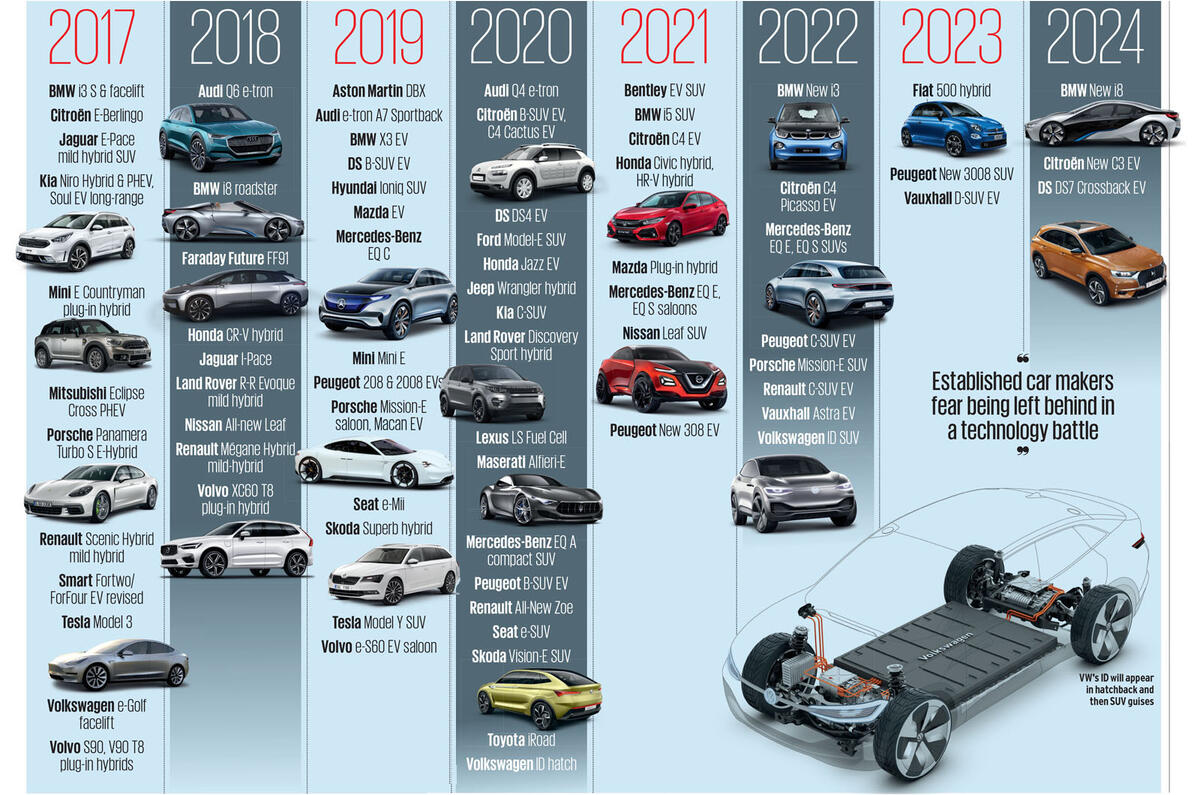
Little wonder, then, that the table to the right highlighting the EV plans of the established global car makers is jampacked. Despite a veil of secrecy over future products, Autocar has uncovered at least 100 new EVs and hybrids due to be launched in the next eight years as the shift to electrified powertrains takes hold. Using published sources and industry contacts, the multi-billion pound investment plans of the car industry to launch large numbers of battery electric and hybrid models is laid bare.
And yet in Europe and the US this growth is more of a creep than an avalanche, and even the most ambitious projections can’t account for the levels of money being invested to develop these cars. For comparison, fewer than 4000 Renault Zoes were sold in Europe in March, compared to just under 48,000 Ford Fiestas. Furthermore, profit margins, even on big-ticket Teslas, are said to be waferthin, to the point of making any hope of a return on investment unlikely for years to come.
So what’s driving this trend? Firstly, and most publicly, the much-heralded emissions targets, led in Europe by the EU’s fleet-average CO2 target of 95 g/km in 2021 and then the next target — possibly as low as 70g/km — by 2025. The regulations are broadly echoed around all global markets, albeit to varying degrees, and underline that legislators and public health officials are determined to reduce carbased emissions come what may. Whether or not there is public demand for the cars they make, manufacturers cannot afford to flout the rules. Even so, that doesn’t explain why many are jumping into the technology wholesale.