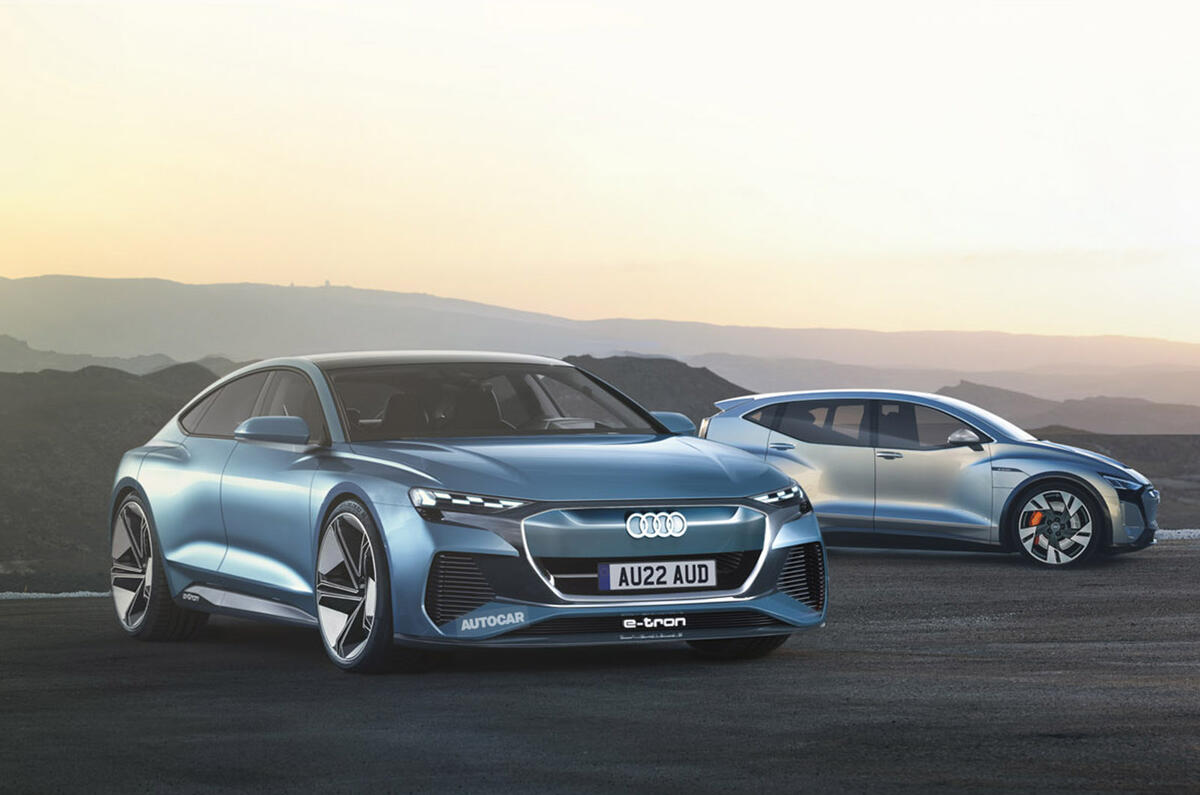









Audi is aiming to put itself at the head of the electric luxury car ranks with a new flagship model being developed by an in-house working group called Artemis.
Described as “a highly efficient electric car that is scheduled to be on the road as early as 2024”, the advanced Audi is an extension of the Aicon project showcased at the 2017 Frankfurt motor show.
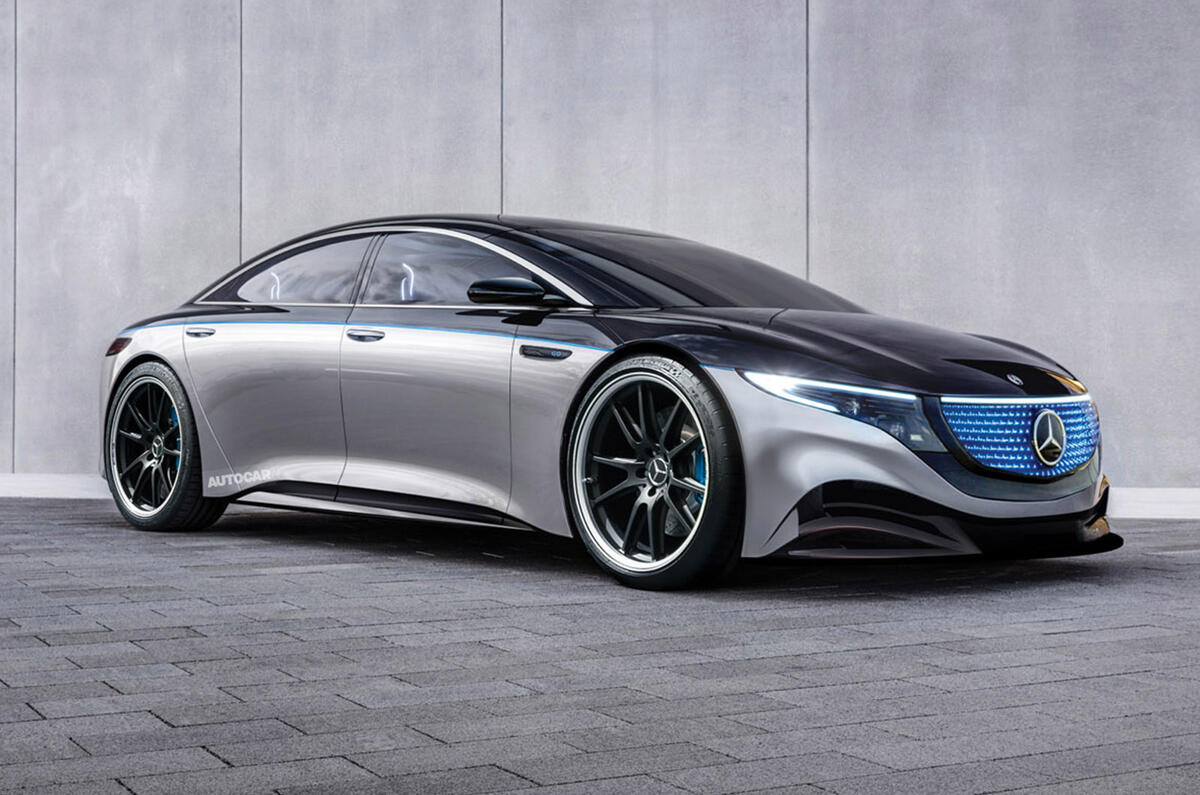
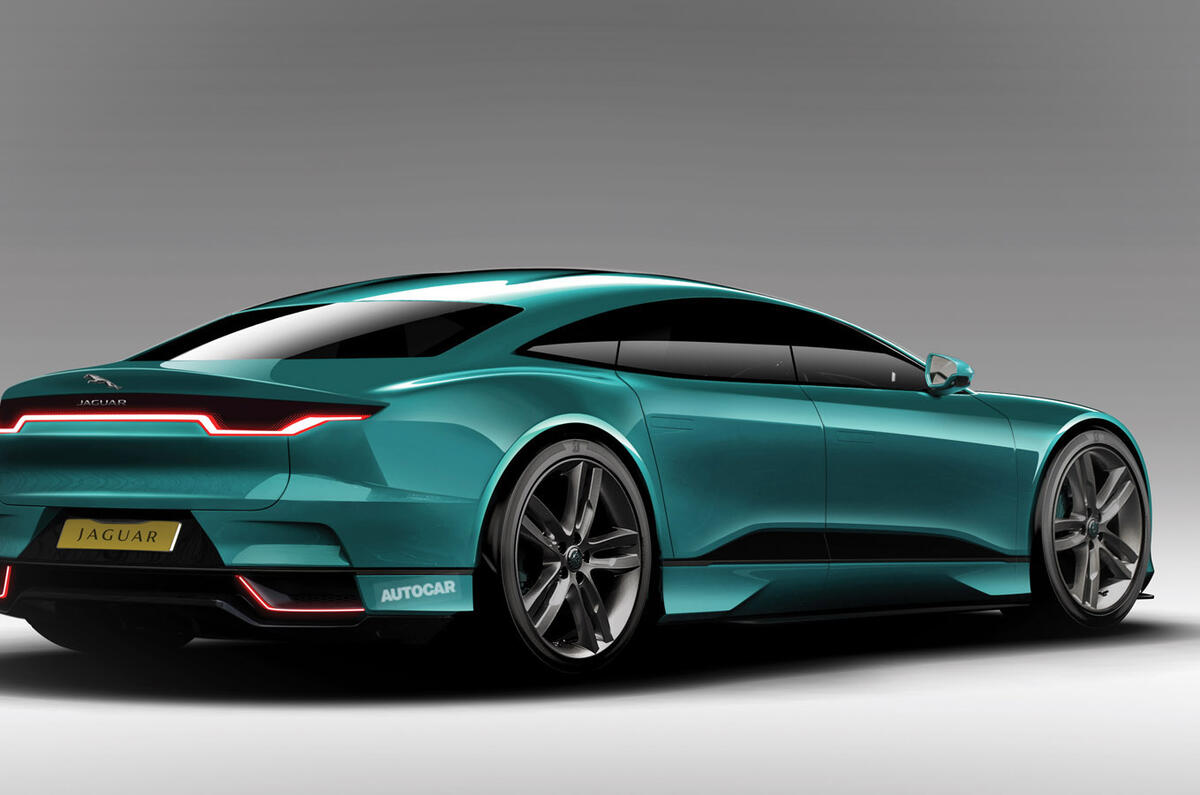
The new electric flagship is set to be a direct rival to the upcoming Mercedes-Benz EQS and Jaguar XJ and have the latest in electric drivetrain, battery cell and autonomous driving technology. It will also have 5G connectivity functions, including extensive use of ‘car-to-X’ features, augmented reality and over-the-air upgrades.
The new model has the internal codename E6 and is in the early stages of development. Insiders suggest it will take the form of a sporting saloon or liftback. It is claimed to mirror the current Audi A7 in external dimensions but offer the internal space of the larger A8. Sources at Audi’s Ingolstadt HQ in Germany suggest it could take the A9 E-tron name into production.
Once launched, it will act as a technical showcase for up to 75 electric cars and 60 plug-in hybrids already planned by Volkswagen Group brands such as Audi, Bentley, Lamborghini, Porsche, Seat, Skoda and Volkswagen as part of its €60 billion (£53.8bn) electrification strategy through to 2029.
Audi has already revealed plans to launch up to 20 pure-electric and 10 plug-in hybrid models in a programme for which it has set aside up to €12bn (£10.8bn) of its planned €37bn (£33.1bn) R&D spend through to the end of 2024.
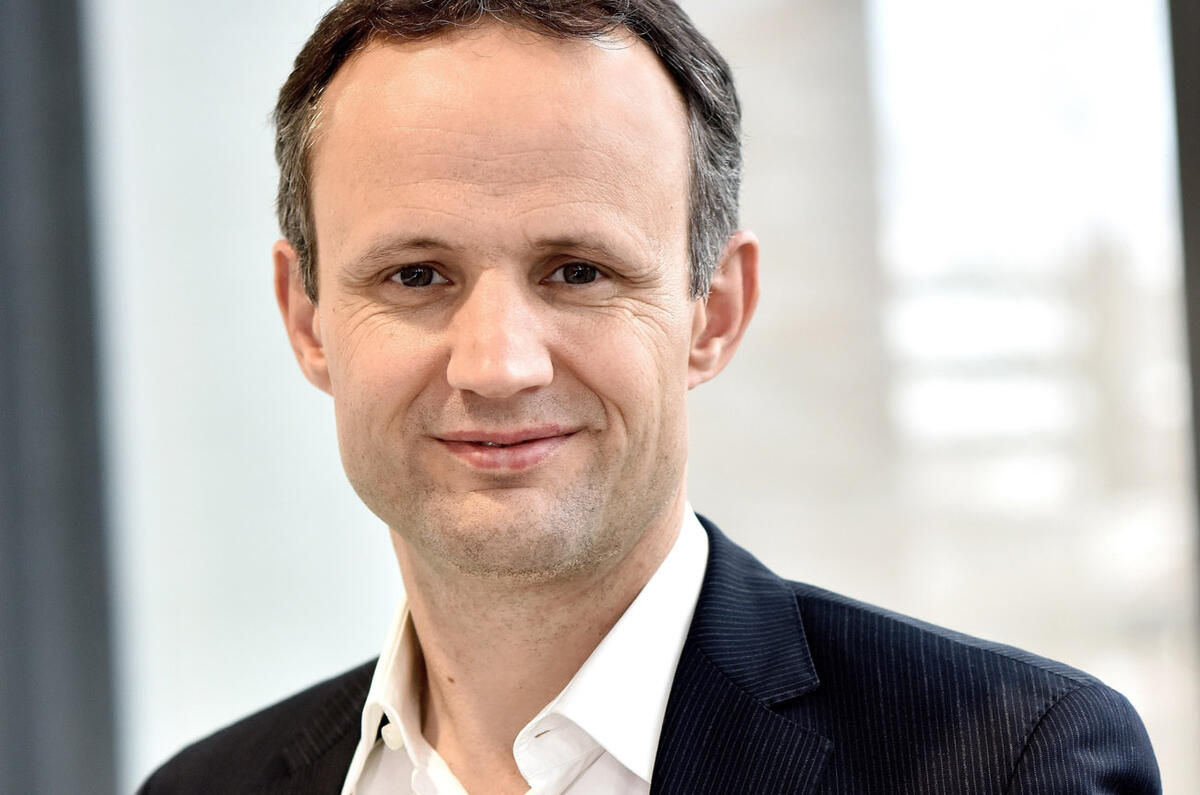
The Artemis working group is central to the plans of new Audi chairman Markus Duesmann to see the maker reclaim its reputation for technical leadership. Artemis will operate hand in hand with Audi’s regular development department as well as engineers and software experts from the wider group to “quickly and unbureaucratically create technologies for electric and highly automated driving”.

The aim with Artemis is to emulate the inherent agility and speed of execution of rival electric start-up brands and leading motor racing teams. Duesmann said the new working group will be given a “large degree of freedom and will work globally”.
Key contributors to Artemis will be Audi’s own InCampus technical hub and the Volkswagen Group’s new ‘software.org’ operation.
Audi is also planning to work more closely with Porsche through Artemis, most notably on platform development. They have already co-operated on the J1 platform, which underpins the Porsche Taycan and the upcoming E-tron GT. They are also developing the yet-to-be-revealed PPE structure, which is set to be used first by an electric version of the second-generation Macan due in 2022.