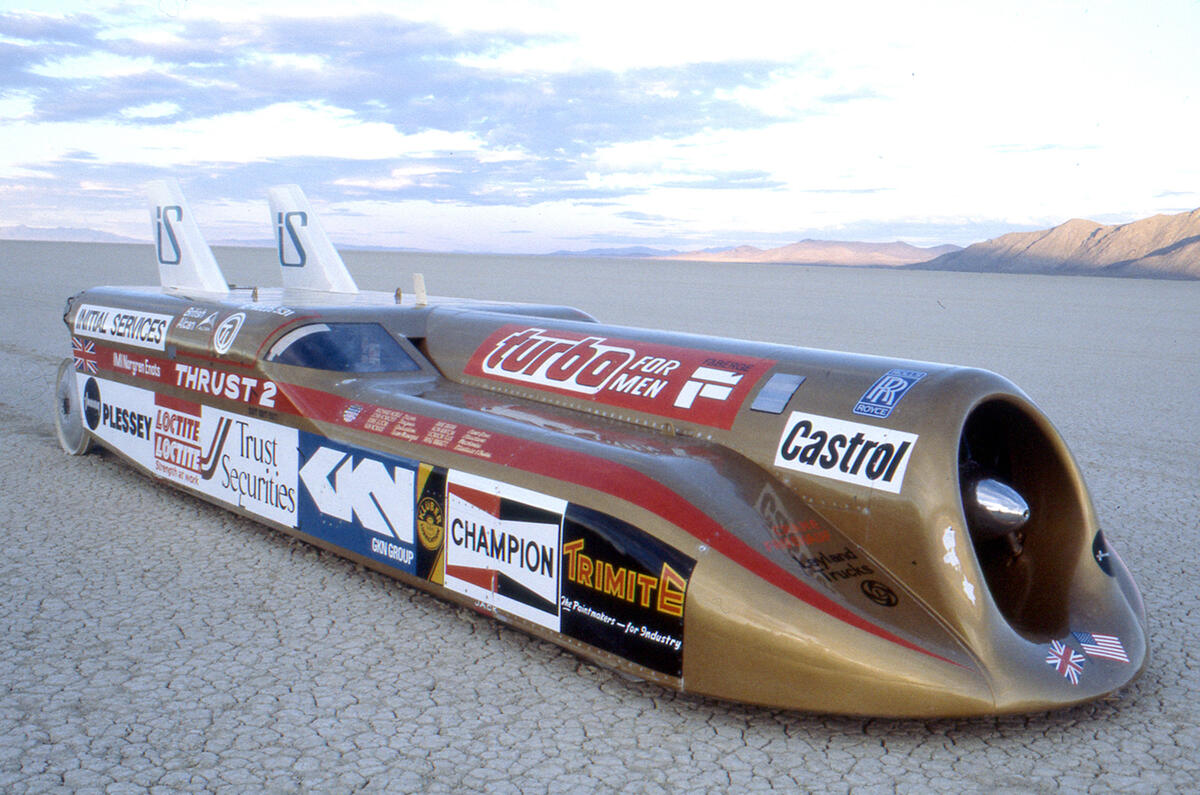
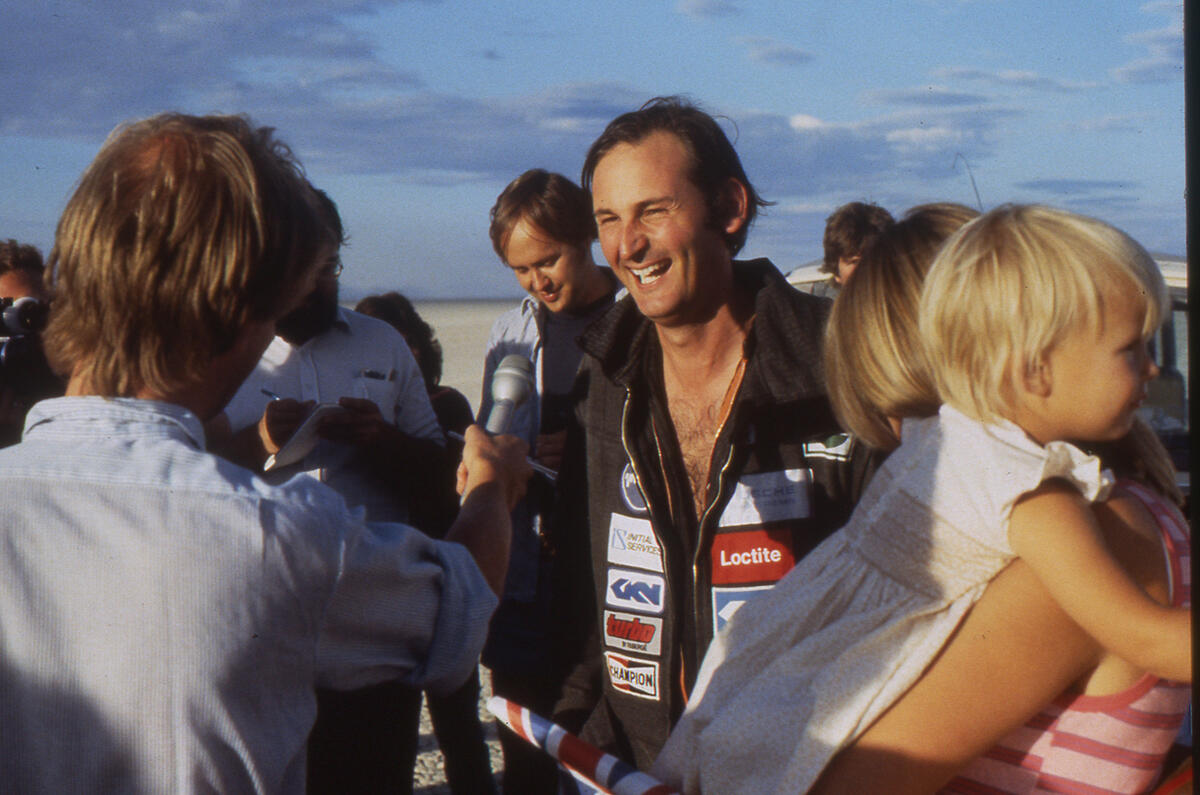
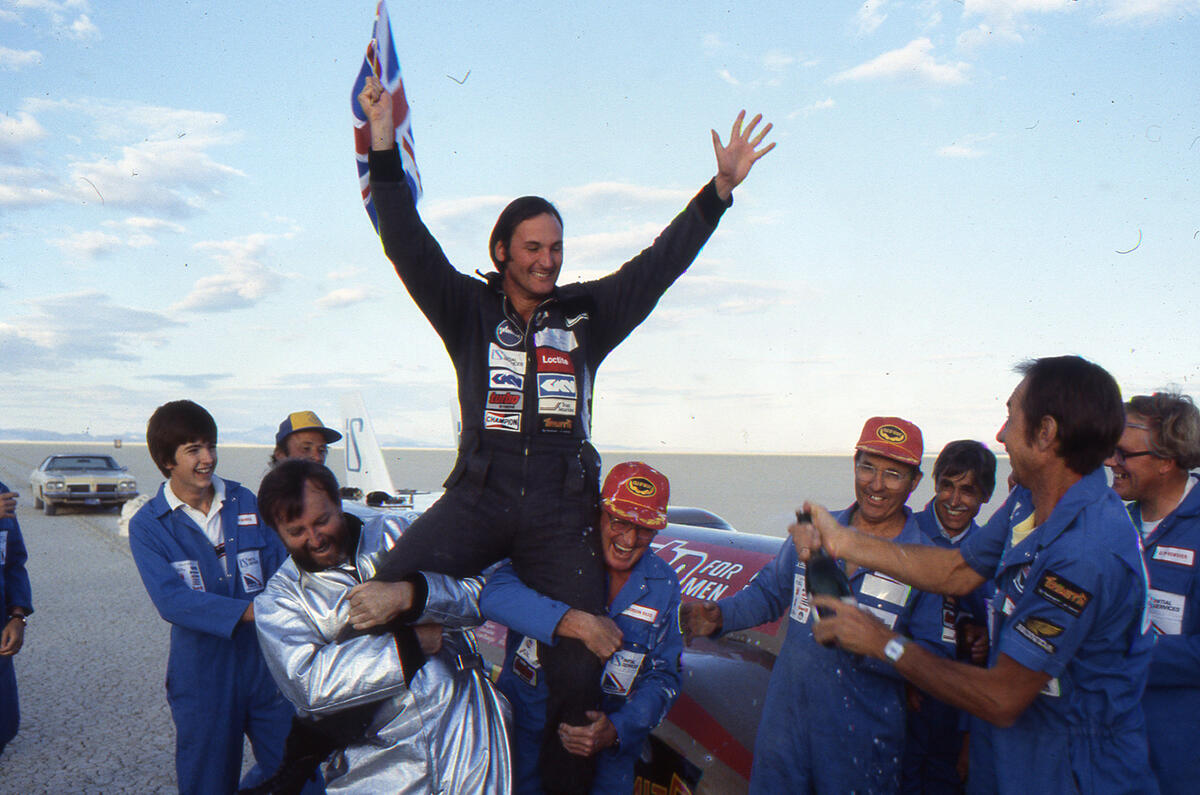
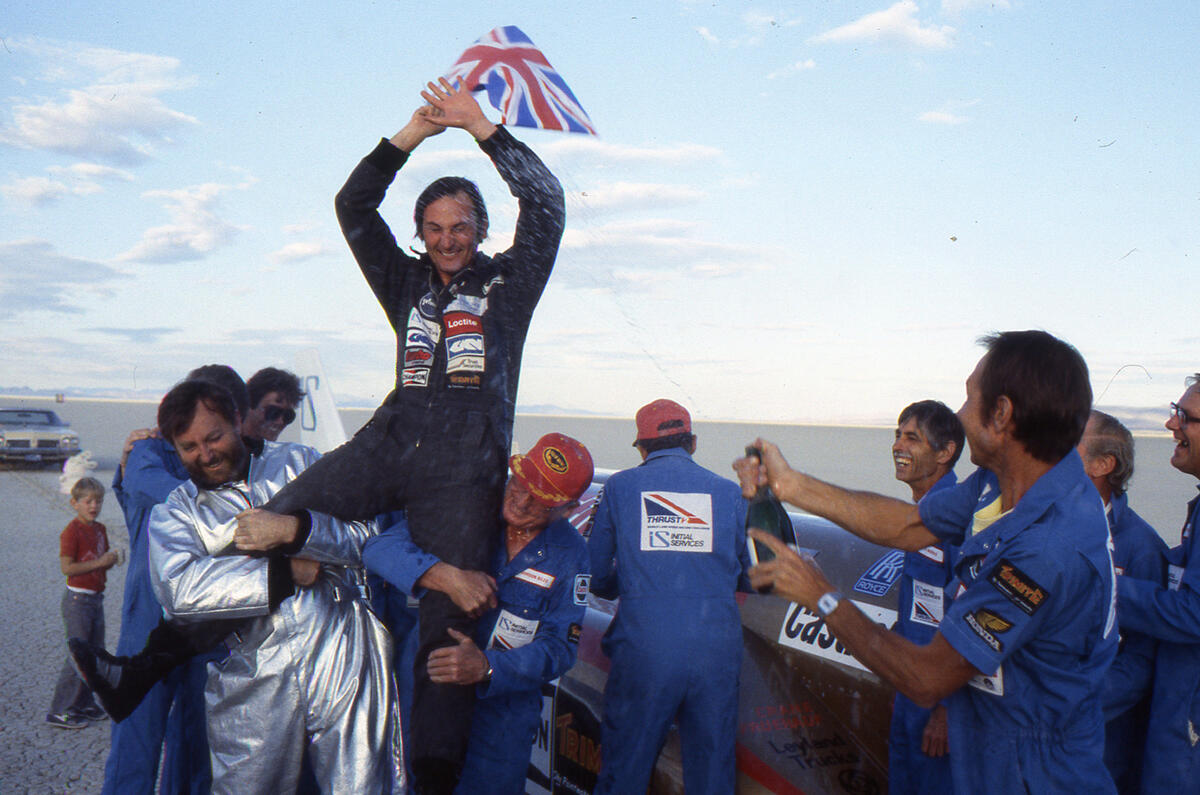
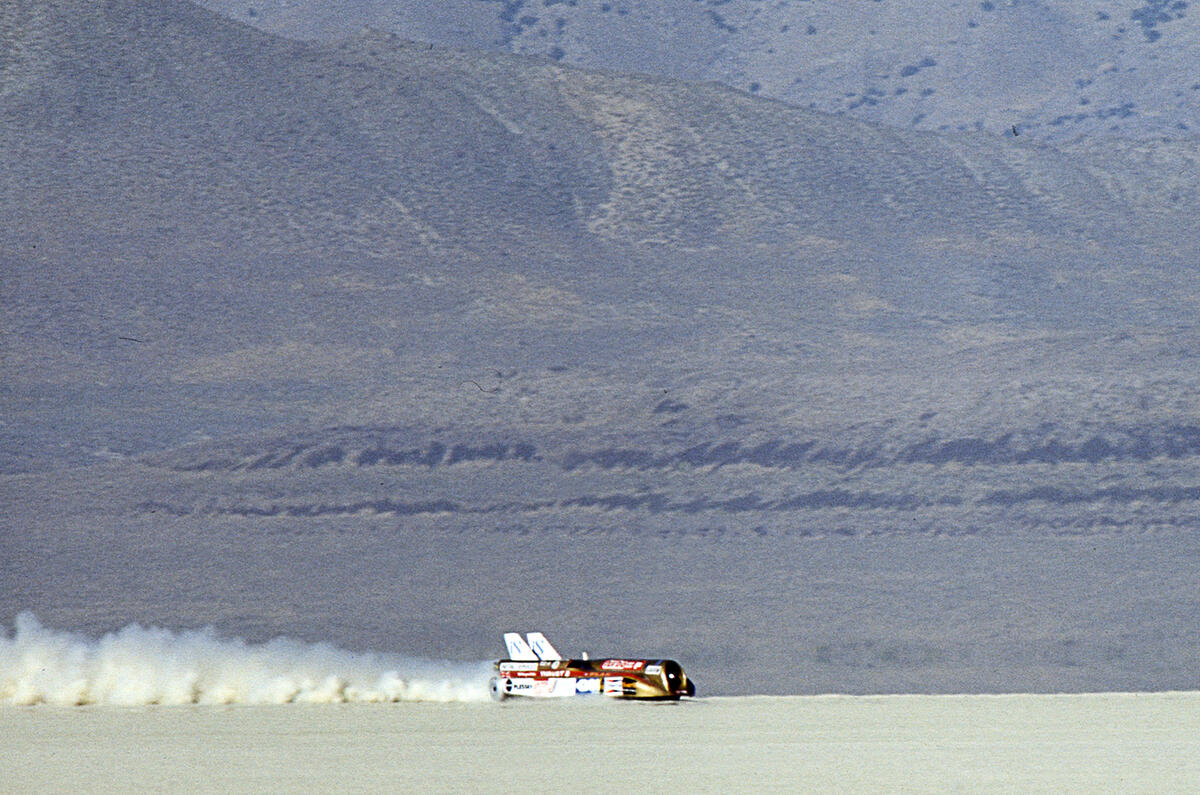
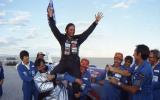
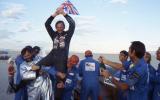
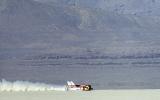

Today marks 30 years since irrepressible British businessman Richard Noble took back the world land speed record “for Britain”, driving his jet-powered Thrust 2 on Nevada’s Black Rock Desert at 633mph.
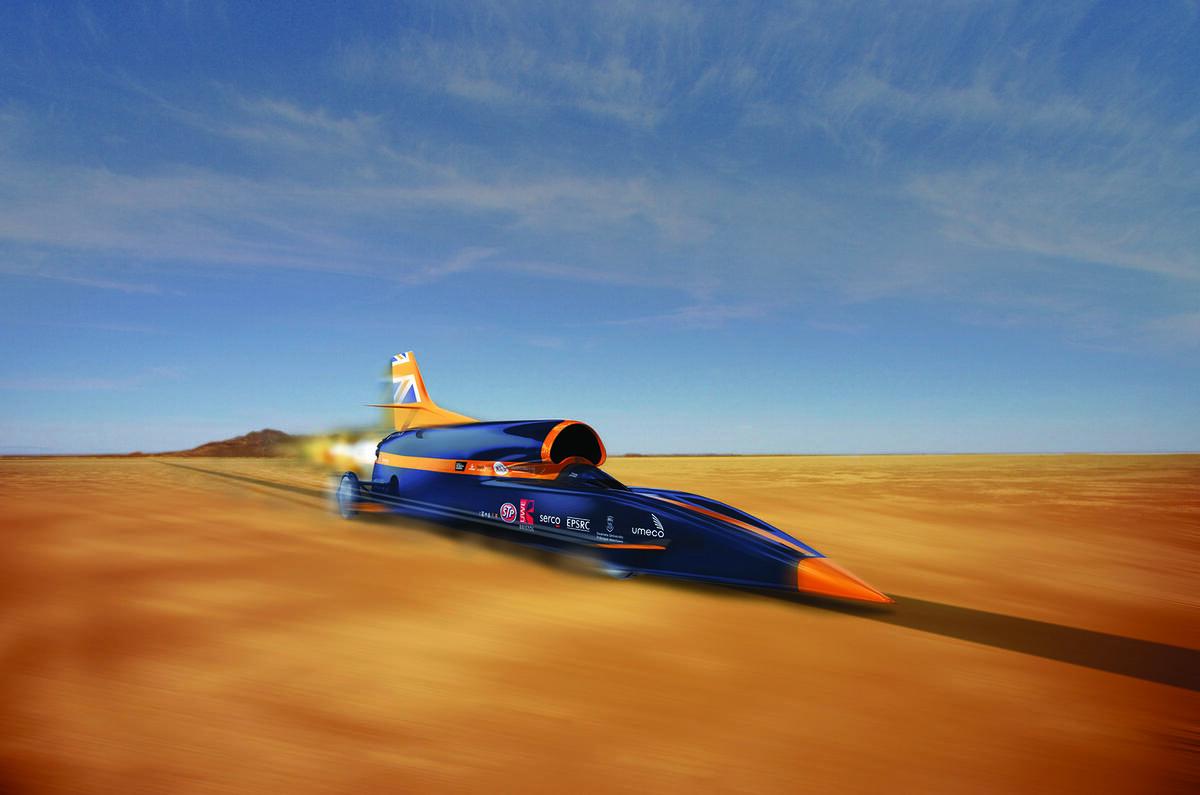
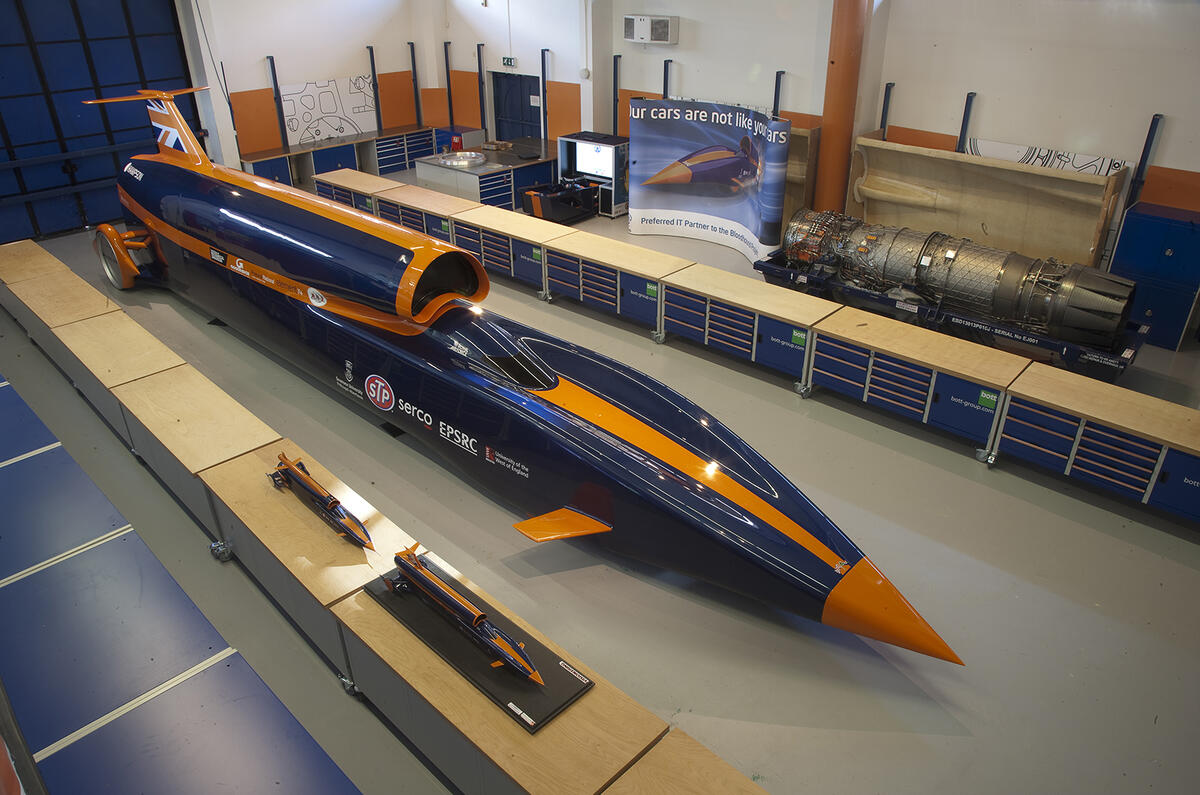
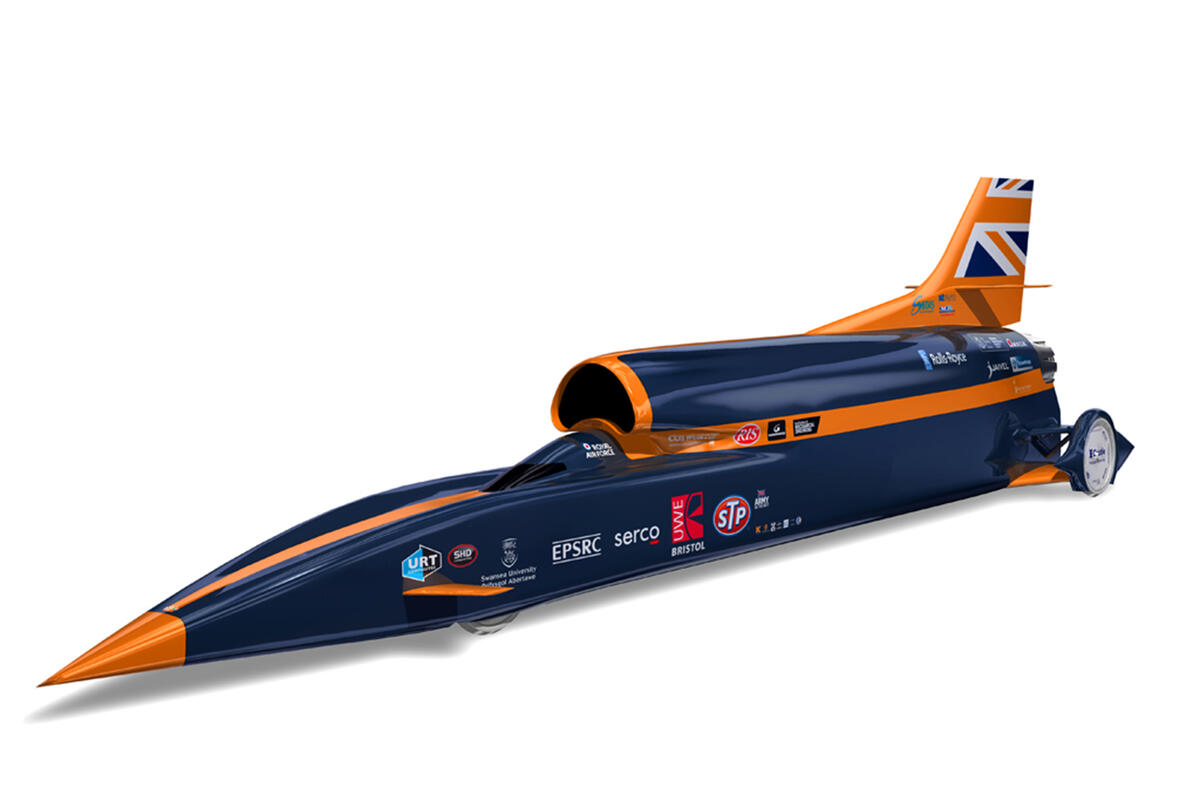
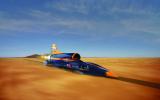
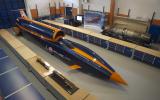
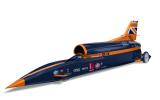
Since then, he has masterminded Andy Green’s supersonic record with Thrust SSC and now he and Green want to beat 1000mph in a new jet and rocket-powered car called Bloodhound in South Africa in 2015. Here, he explains how and why he keeps going.
How important is your Thrust 2 experience to the Bloodhound project?
It helps enormously. Thrust 2’s success created huge worldwide interest that created a new, three-way challenge between us, McLaren and the Americans that led to Andy Green taking the supersonic record in Thrust SSC and gave us an even bigger following. Our website became the fifth biggest in the world - bigger than all football and all motorsport. That encouraged us to proceed with Bloodhound.
How did your interest in breaking records start?
It was a childhood dream. I saw John Cobb’s boat, Crusader, break the water record on Loch Ness in 1952 and thought that would be a great thing to do. Years later, I built a car called Thrust 1, which was thoroughly dangerous. I sold it to a scrapyard for £175 and realised I was going to need some decent engineers to make this thing work. About then, I met a terrific engineer called John Ackroyd and we started Thrust 2, on that initial budget of £175.
How did it proceed?
We started Thrust 2 in 1979 and it was a tremendous financial battle. We built it on the Isle of Wight and, for a while, we were so poor we couldn’t afford a phone. John Ackroyd had to talk to our suppliers from a public phone box. It took six years to raise the money and build it. Along the way, we ran the car with no body, setting a British record that still stands. That wasn’t a bad effort: two runs averaging 248mph through a measured mile on a course only 1.9 miles long.
Then you went to Bonneville?
We went first in 1981 and got it all wrong. We tried running solid wheels on the salt and it hammered like hell. But we managed one 500mph run and that showed the car’s potential. Then it rained. Back home, we had tremendous trouble with the City of London. I’d basically insured the desert against rain - and they were refusing to pay out. They gave in just as we were about to tell the world about our problems in a press conference and the £75,000 cheque kept us going.
You set the record at the Black Rock Desert in Nevada, didn’t you?
Yes, but we went back to Bonneville in ’82 first. It rained so much we didn’t even take the car off the trailer. That year we discovered Black Rock, a kind of huge mud flat, where we could lay a very long track. That was where we finally set the record in 1983. The car was brilliant, one of the very few record-breakers ever to achieve its design speed. We built it to do 650mph, and our quickest run was 650.88mph, which led to the record of 633mph.
Were you aware of having to learn as you went?
Oh, sure. When you chase a record like this, it’s an obsession - it has to be - but there’s also a long development process for both car and driver. You improve together, and that creates a bond between you. Before the record, we established a routine of getting up very early, preparing the car and driving it in the early morning, a bit faster every time. Towards the end, our engineers realised the car worked better aerodynamically if we ran during the hotter part of the day. On the day we set the record, the crew knew it was coming, but I didn’t. It seemed like another day.