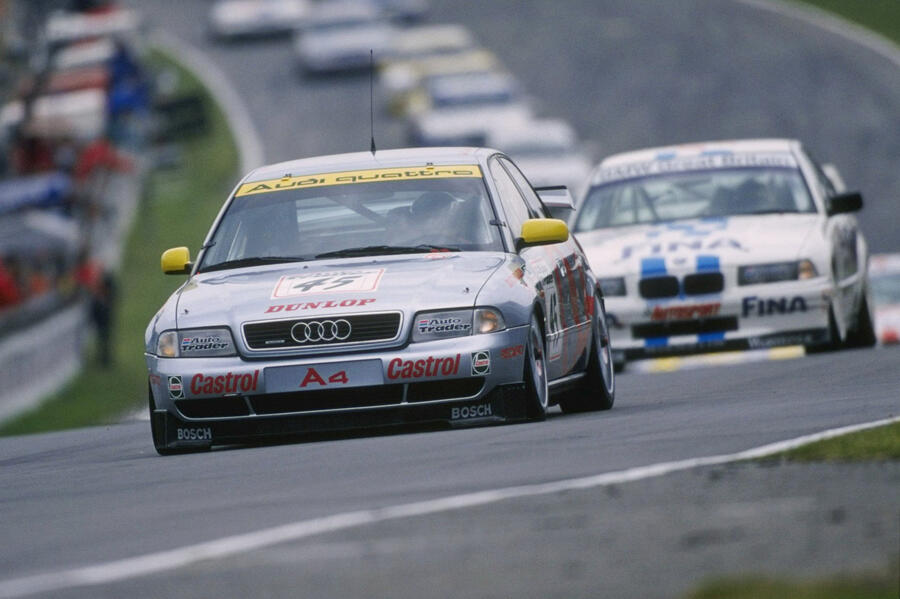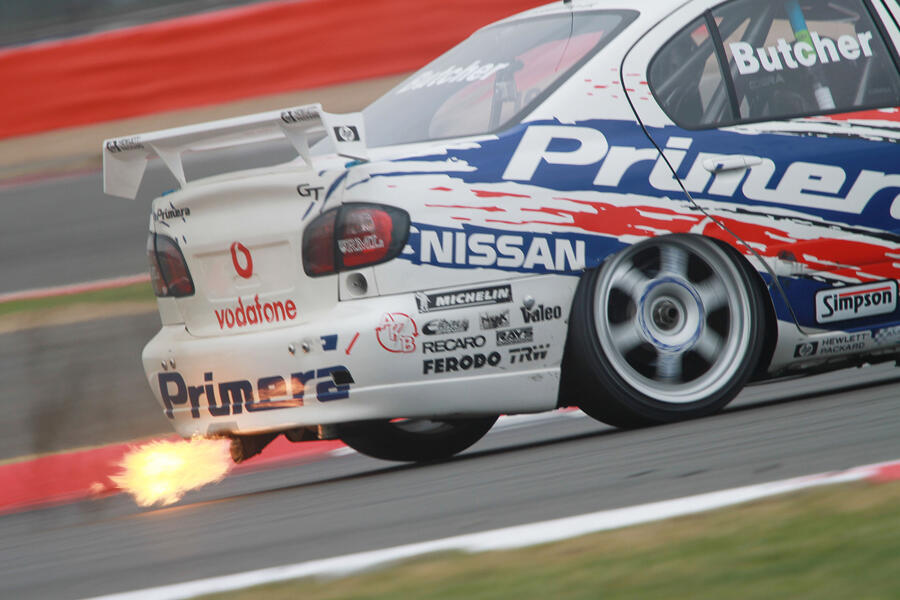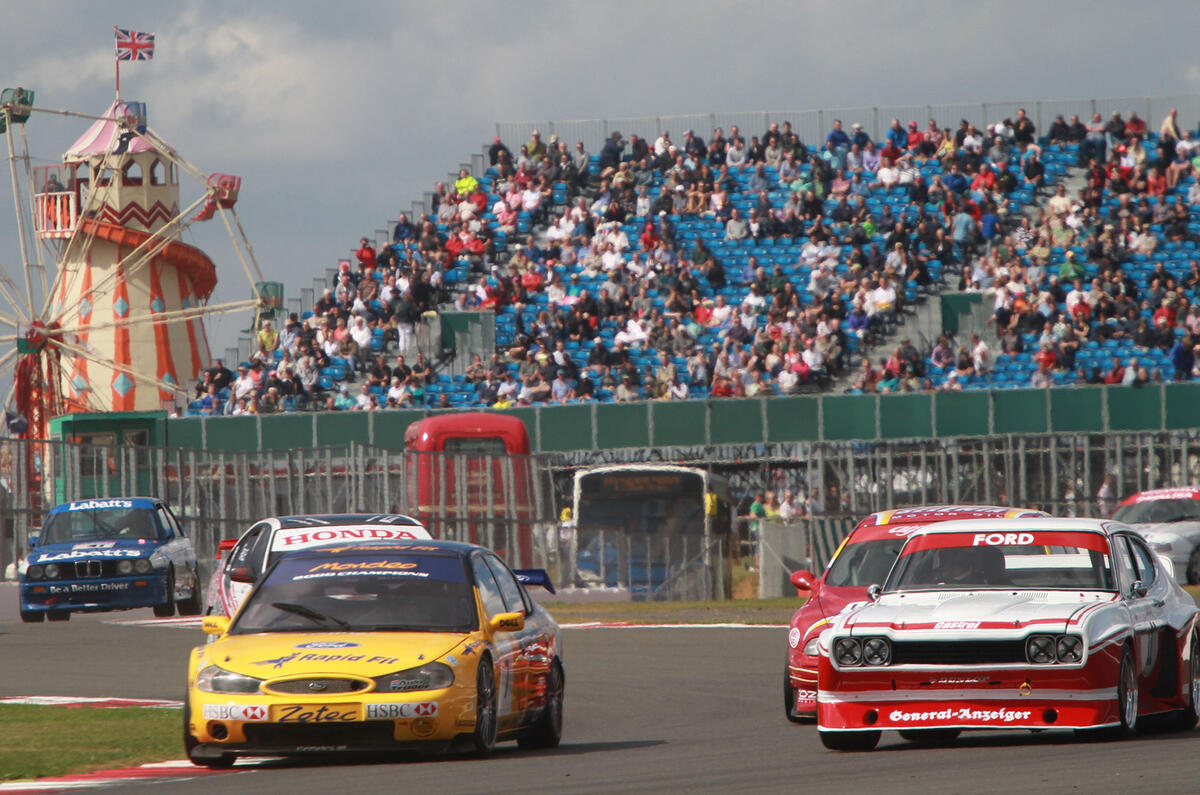
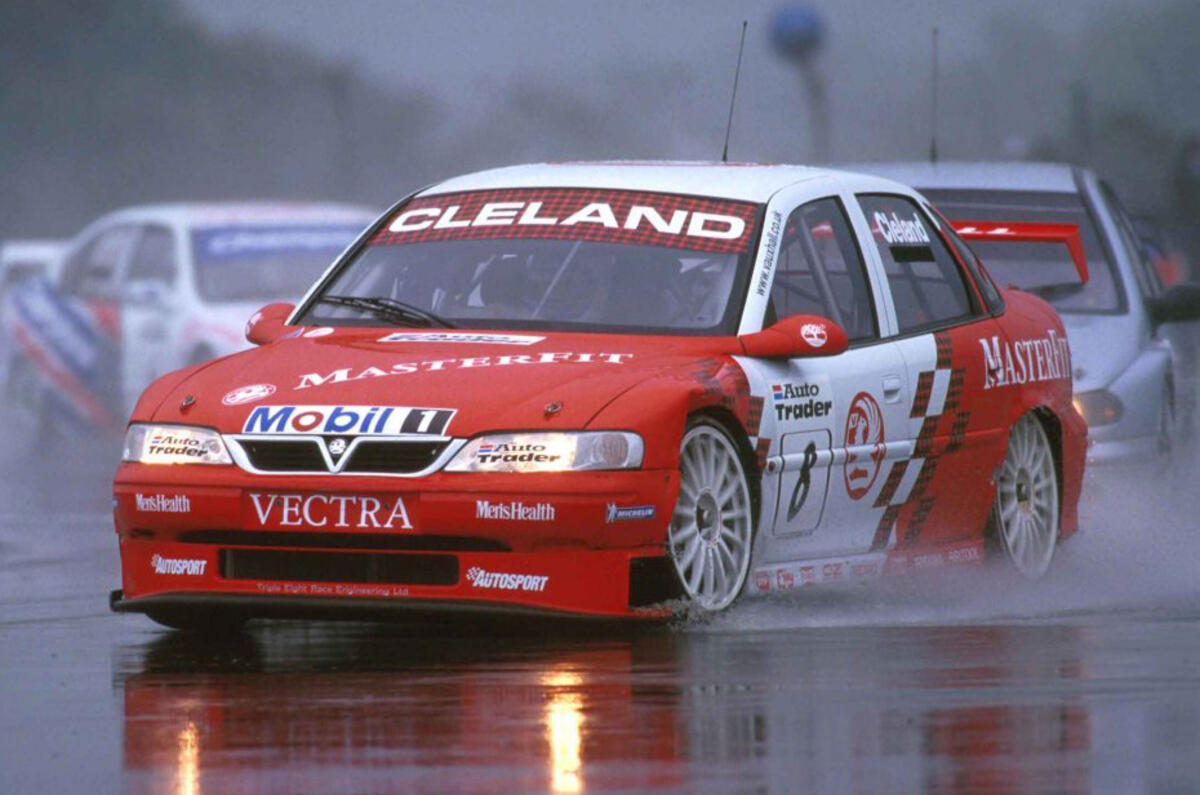

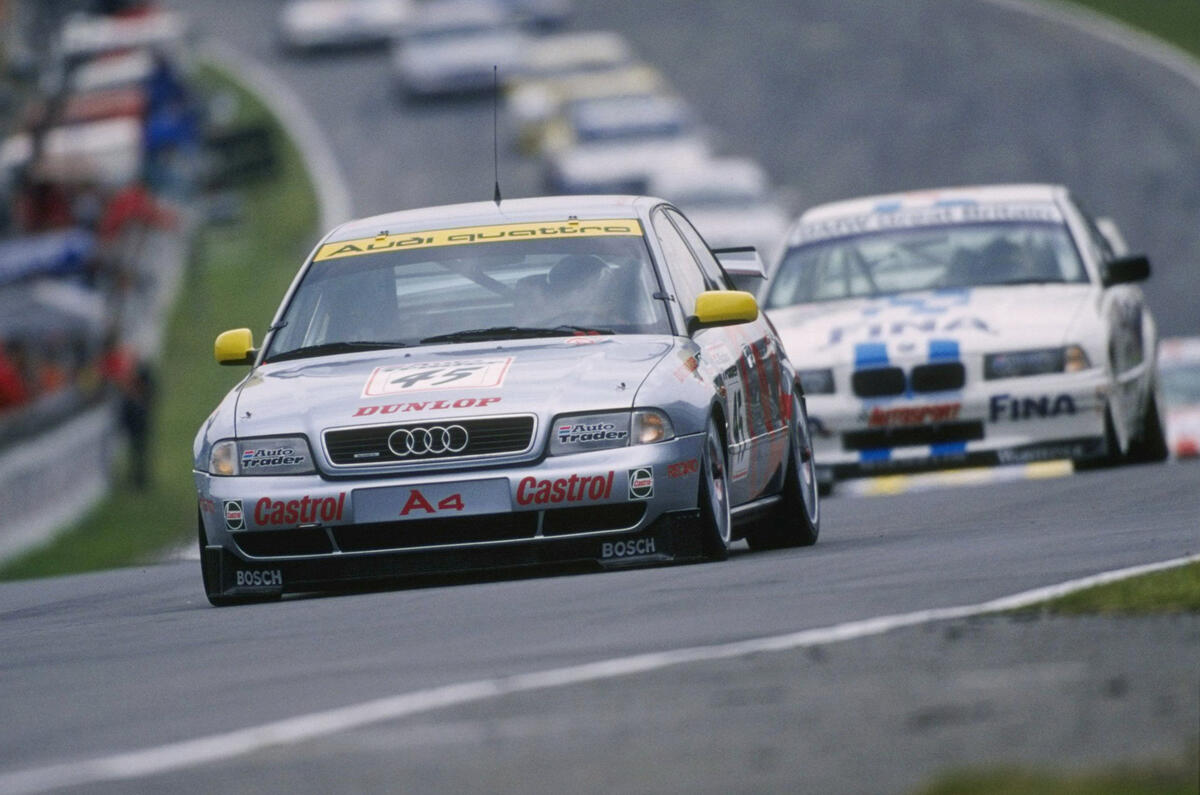


Thirty years ago, the British Touring Car Championship turned itself into one of the most exciting and influential racing series in the world.
It didn’t know it at the time, but in creating a set of rules aimed at cutting costs and promoting closer racing, it inspired a decade of some of the most intense wheel-to-wheel action and fierce rivalries UK circuits had ever seen. It also witnessed an explosive technology and spending boom that was surpassed only by Formula 1.
At its peak, the series had 10 blue-chip manufacturer teams all vying for victories, and the TV audiences for the races made an EastEnders Christmas special look like a ratings flop. Such was its influence that it attracted the best drivers in the business, while the big brains and budgets of grand prix racing squads were brought to bear on these incredibly sophisticated four-door saloons.
Then, perhaps inevitably for a championship that shone so brightly, it was all over after less than a decade. The spending had become unsustainable and, one by one, the car manufacturers left the party. These were the Super Tourer years.
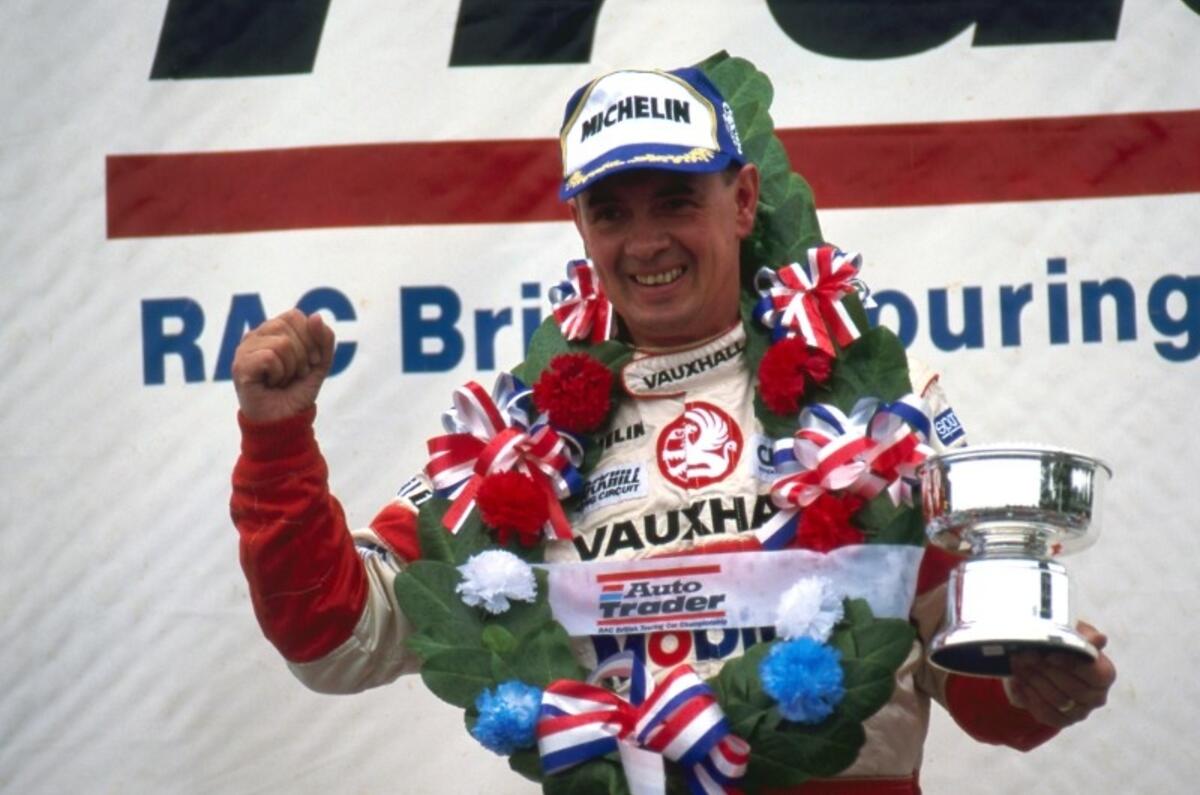
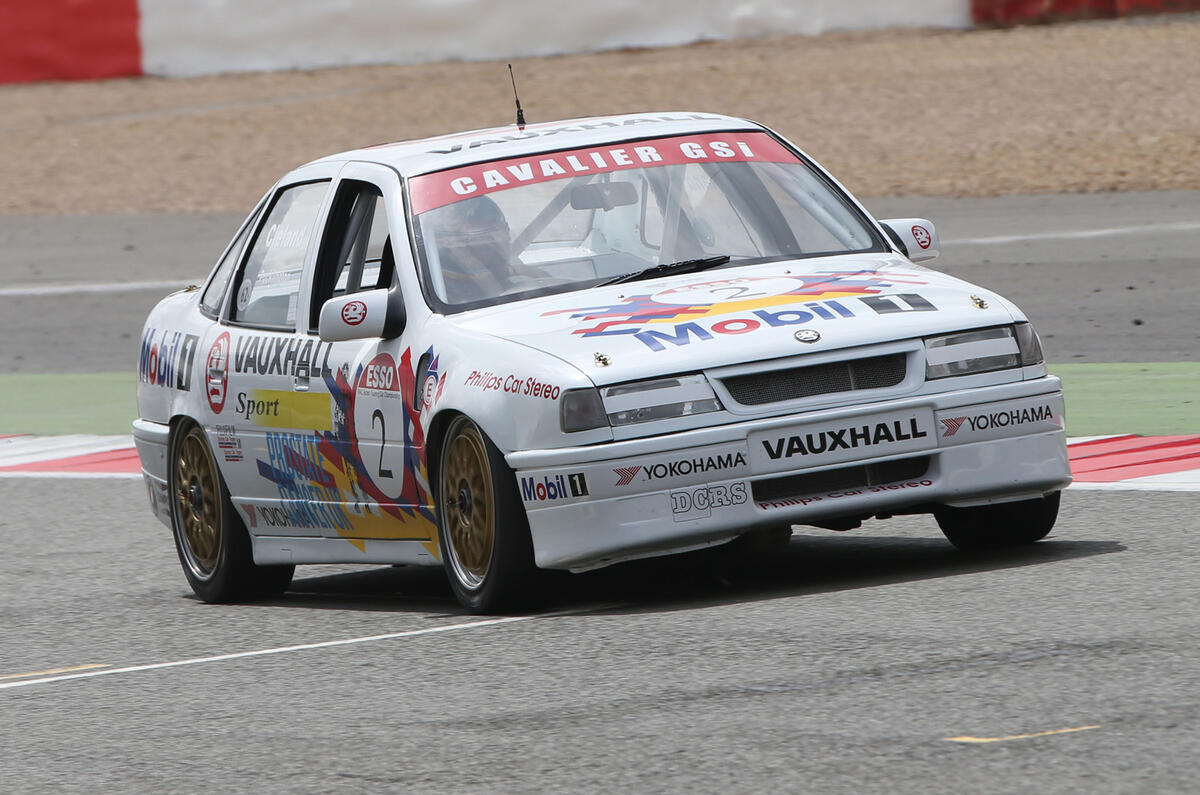
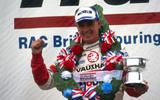
“Andy Rouse [driver and team owner], Alan Gow [series boss], Vic Lee [team owner], Dave Cook [team owner] and David Richards [Prodrive boss] got their heads together and decided on a formula that effectively meant that whoever was the winner was the winner, rather than the confusing class system of the time,” says John Cleland, double BTCC champion and one of the few to see the era through almost from start to finish.
Cleland knew more about the vagaries of the old system than most, having won his first title in 1989 at the wheel of a Vauxhall Astra GTE 16v. Problem is, not many people knew about it, because while he dominated his Class B rivals (there were four classes in total), his race ‘victories’ were achieved in the middle of the pack. All the eyeballs were focused on the front of the grid, where the increasingly powerful, fire-breathing Group A homologation special Sierra RS500 Cosworths were fighting it out for overall wins.
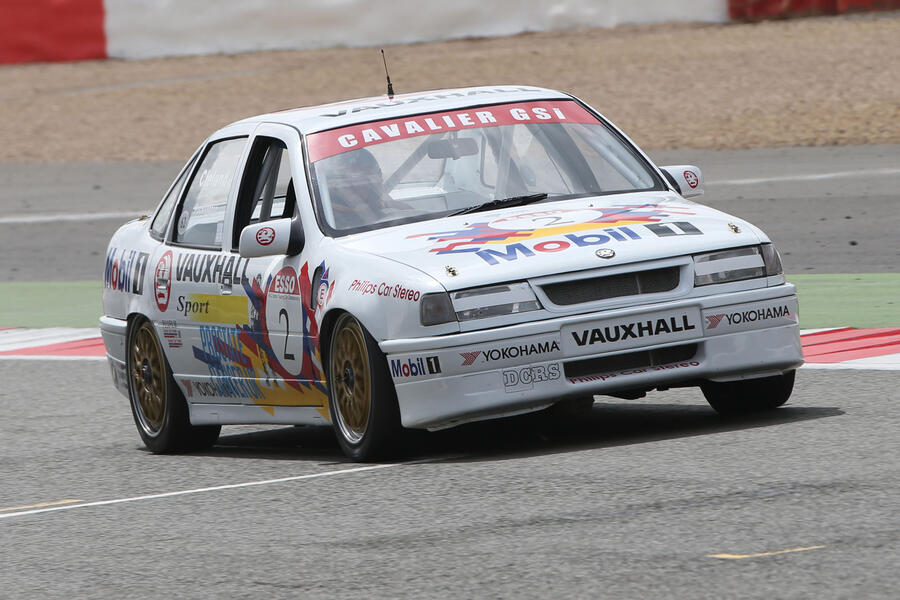
So a new set of rules were formulated; regulations that made sure all those taking part would be in with a shout of victory. On the surface, they were fairly simple. Initially, the new cars would have a naturally aspirated engine of 2.0 litres and not more than six cylinders, while a rev limit would be set at 8500rpm. There was to be no turbocharging, two-wheel-drive only (although this later changed temporarily to allow Audi to compete) and a minimum weight of 975kg.
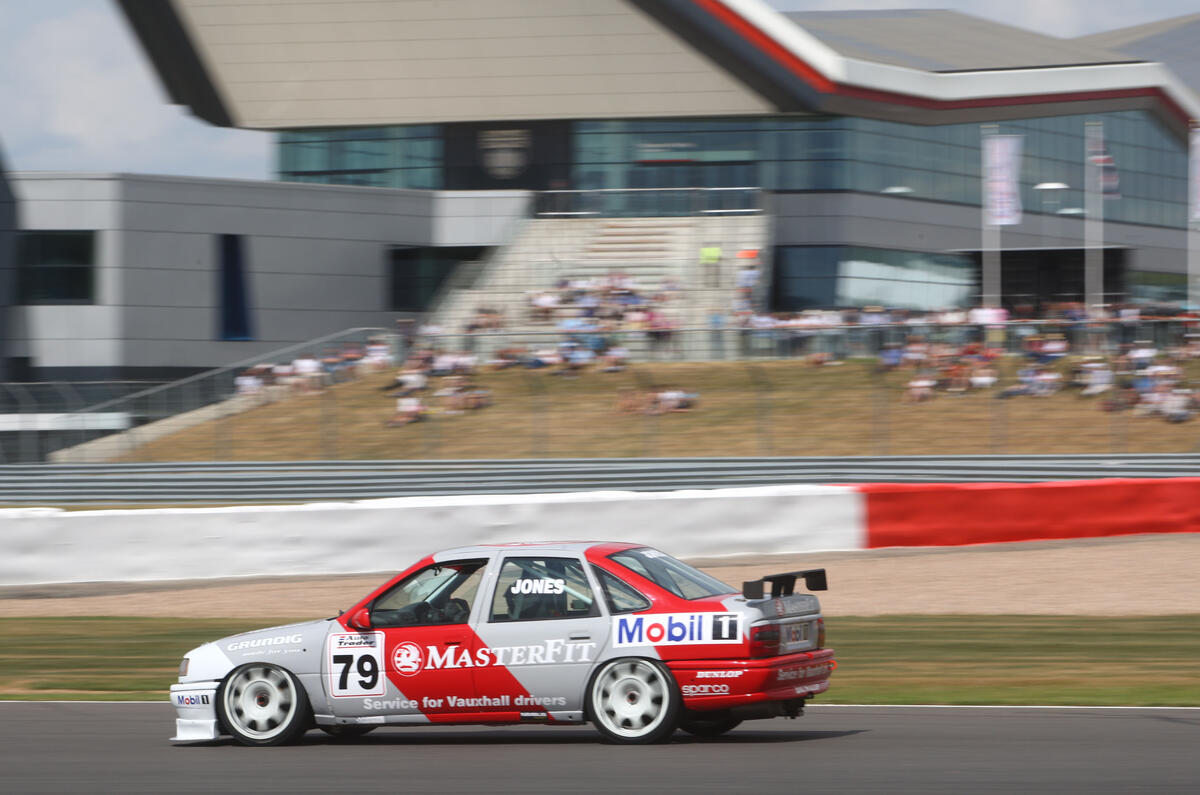
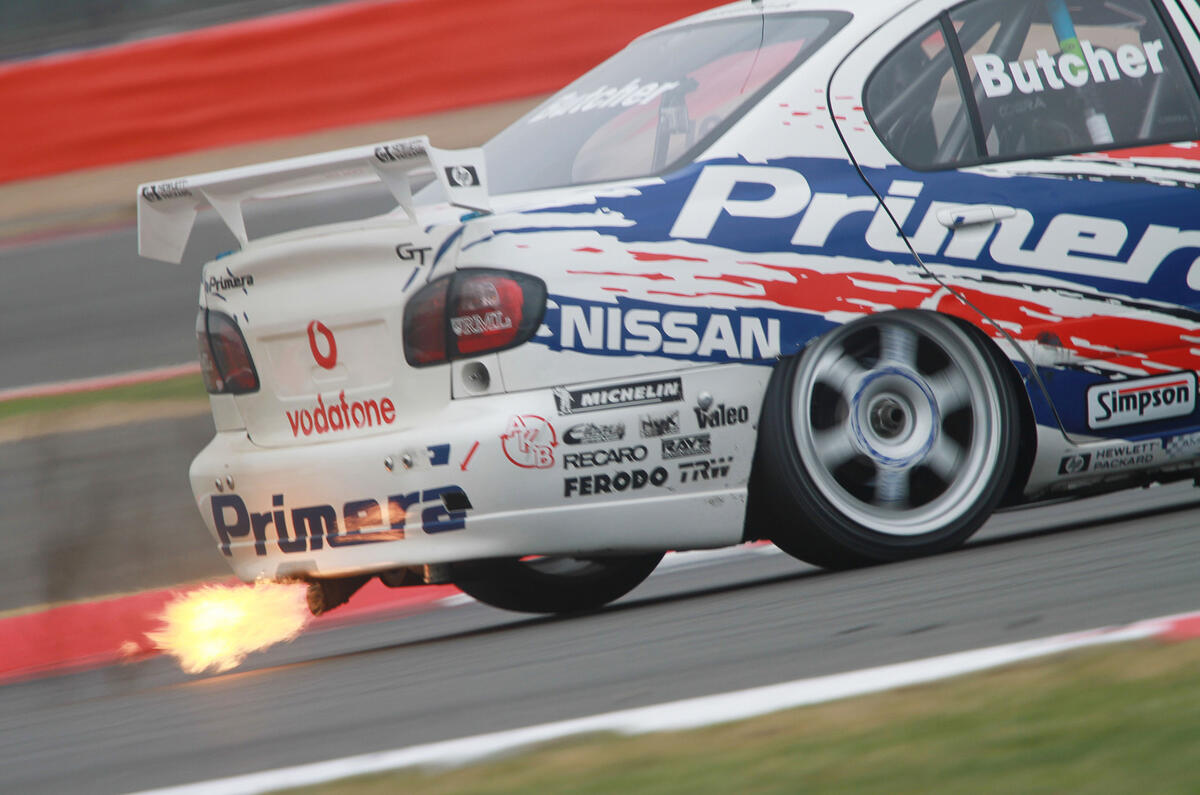
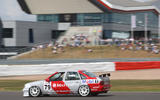
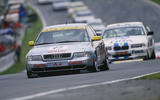
Cars built to the rules were first allowed to race in 1990, but it was the following year that all cars had to compete in this 2.0-litre formula. Quickly adopting the name Super Tourers, these tin-top racers proved to be a smash hit. Not only was the racing close and the TV coverage unrivalled, but they also looked like the cars that you or I might buy. It didn’t take long for the manufacturers to sit up and take notice.