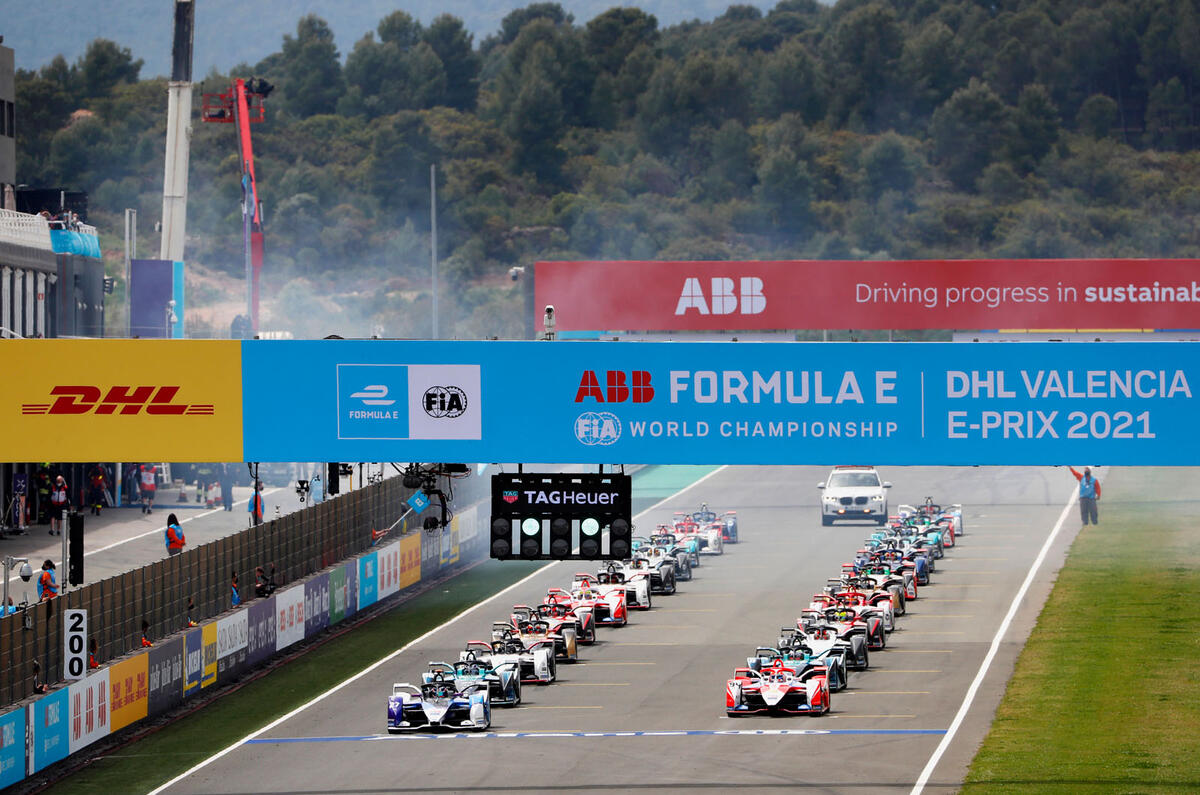
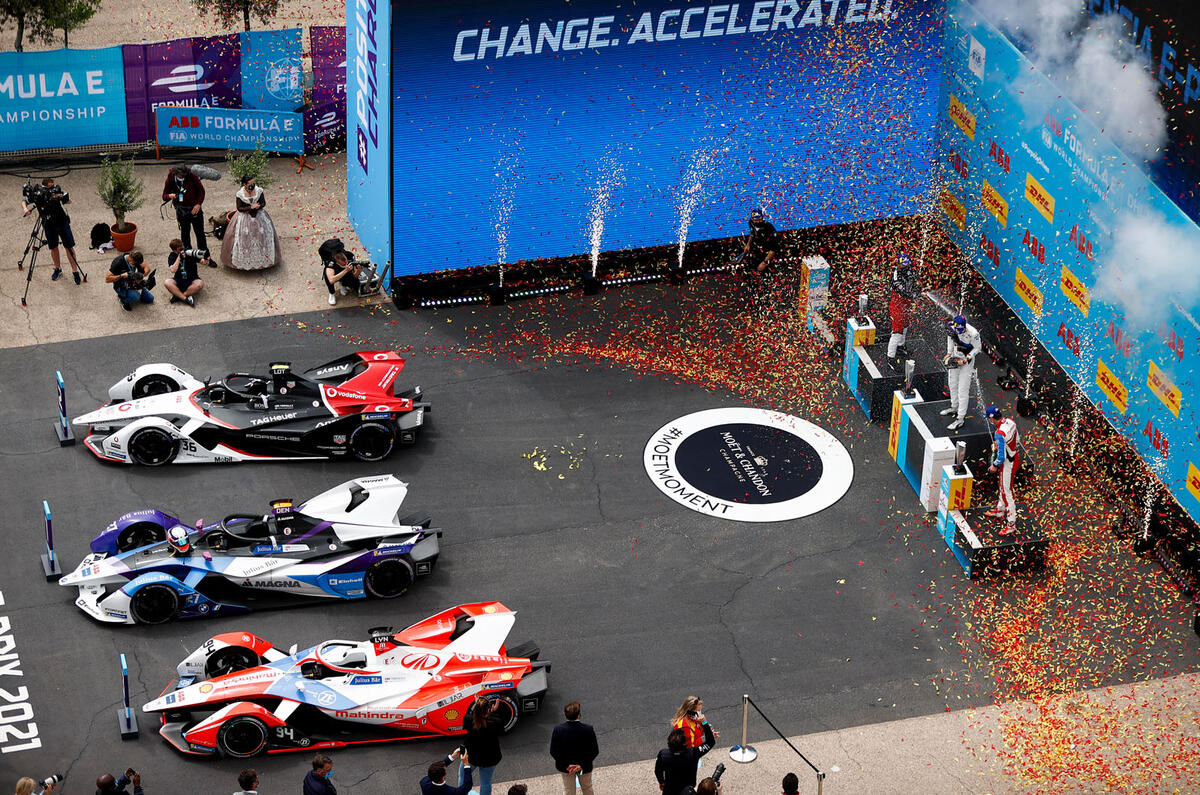
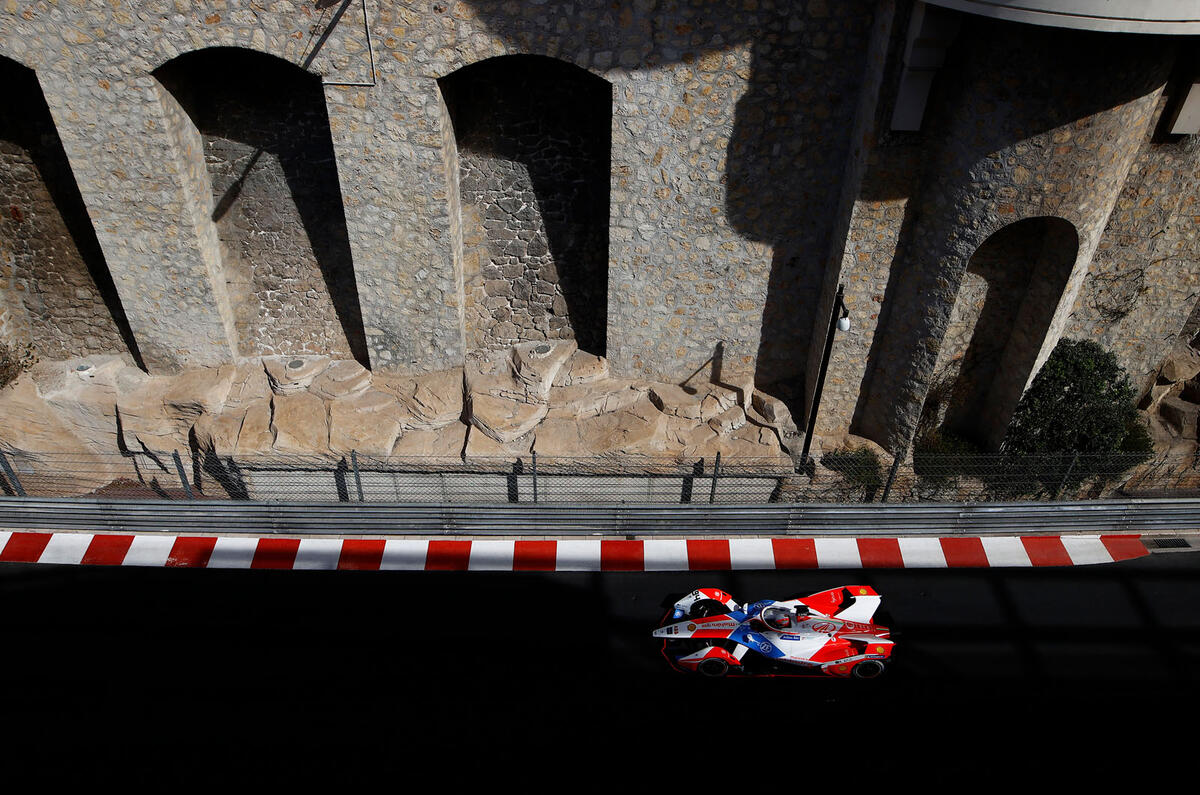















Formula E returns to London on 24/25 July for the first time since 2016, on a new circuit that will go inside and out of the ExCel arena in the city’s Thames-side docklands area. The double-header will mark the penultimate rounds of the electric single-seater series’ first season as a genuine FIA world championship and promises to offer a new and unique take on Formula E’s signature city-centre racing format.
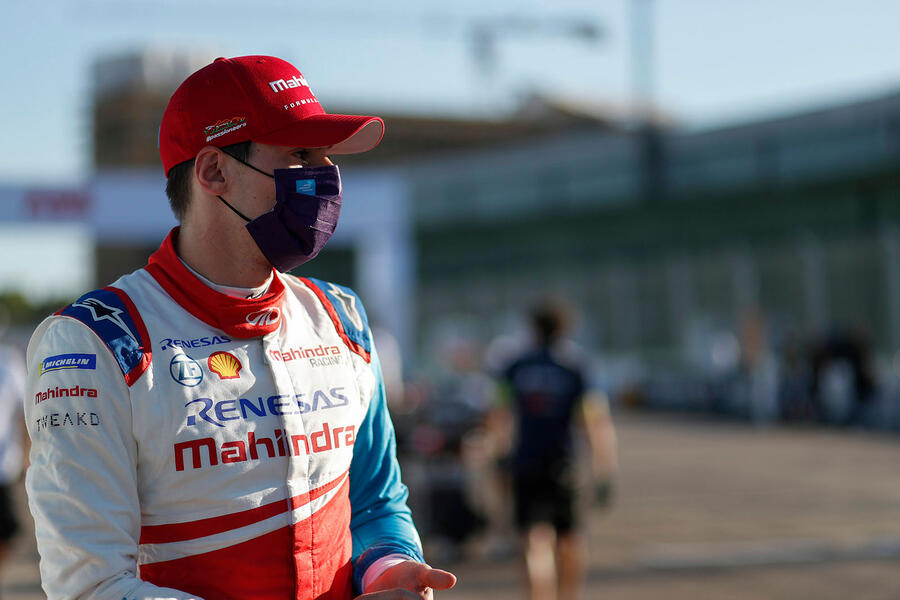
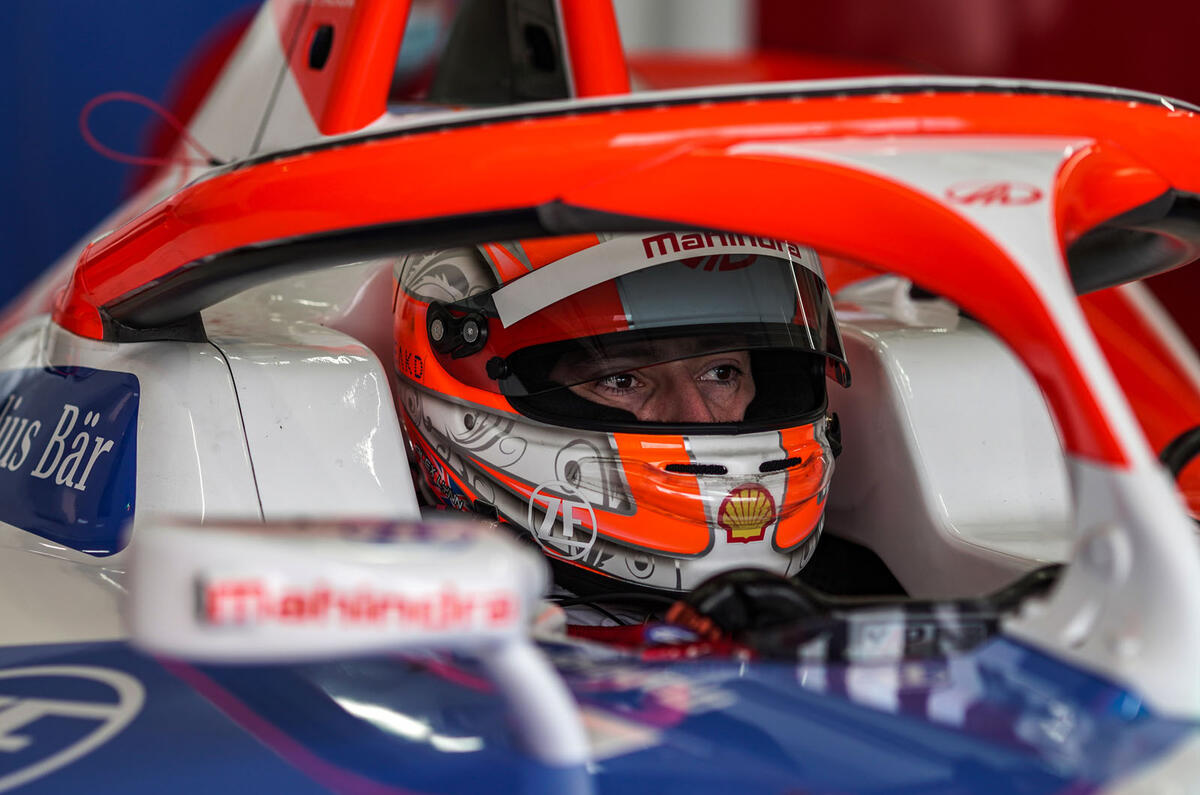
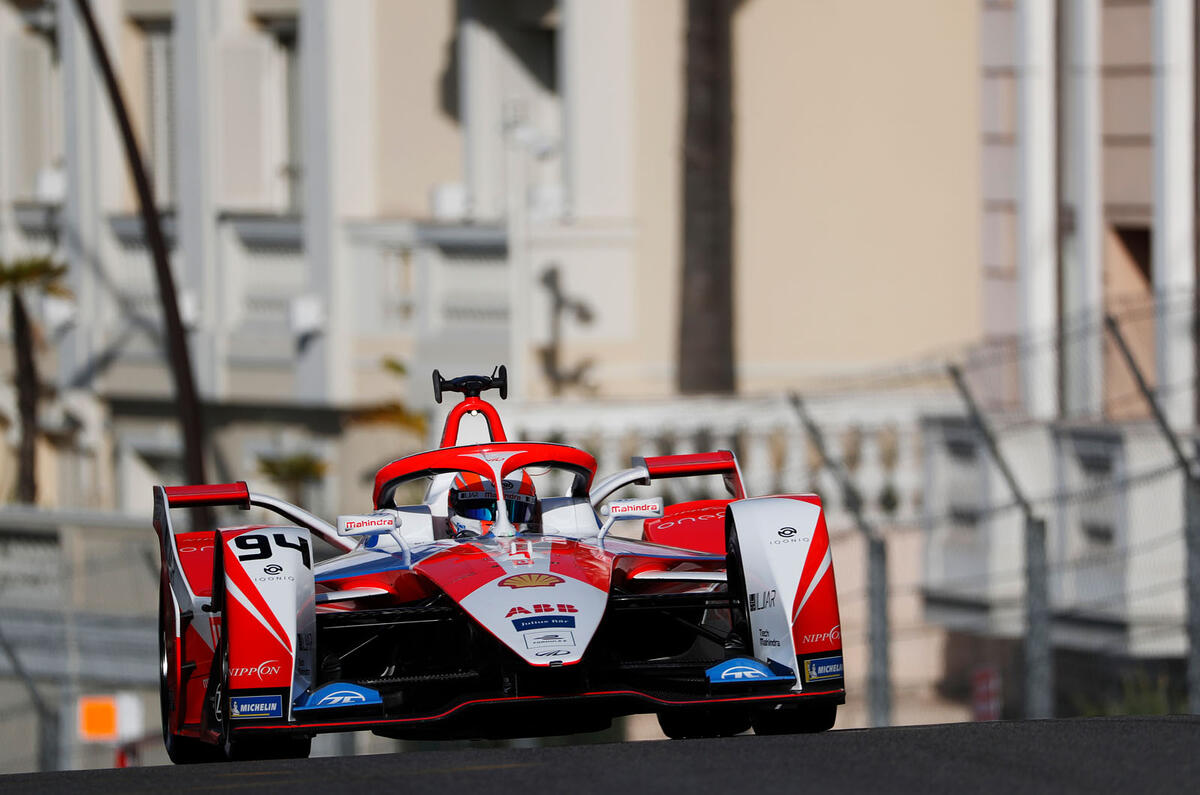
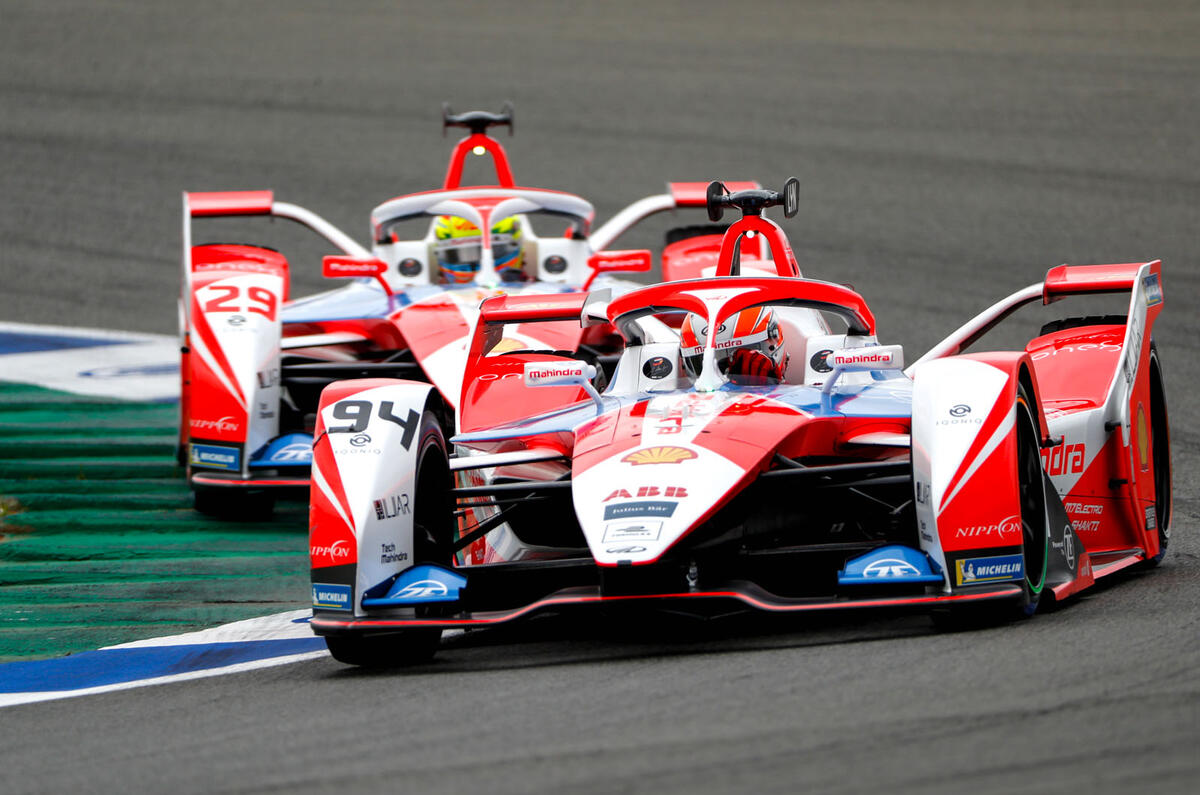
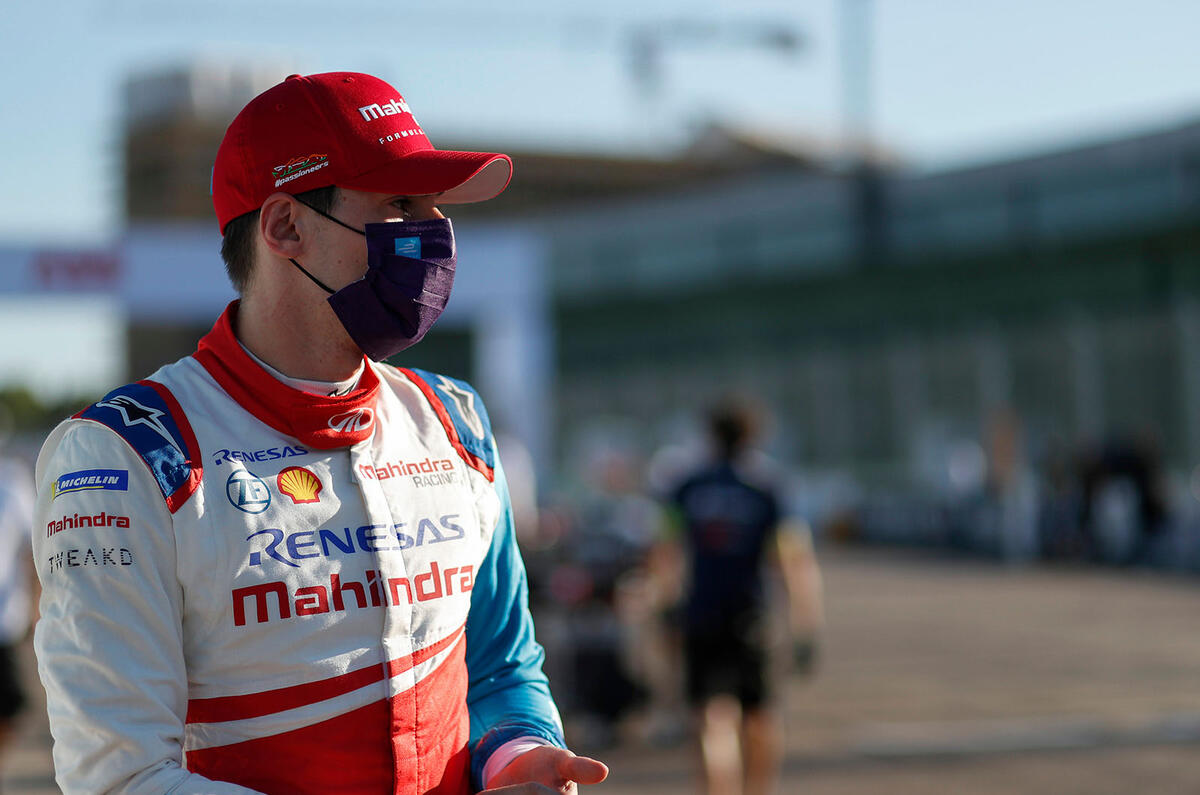
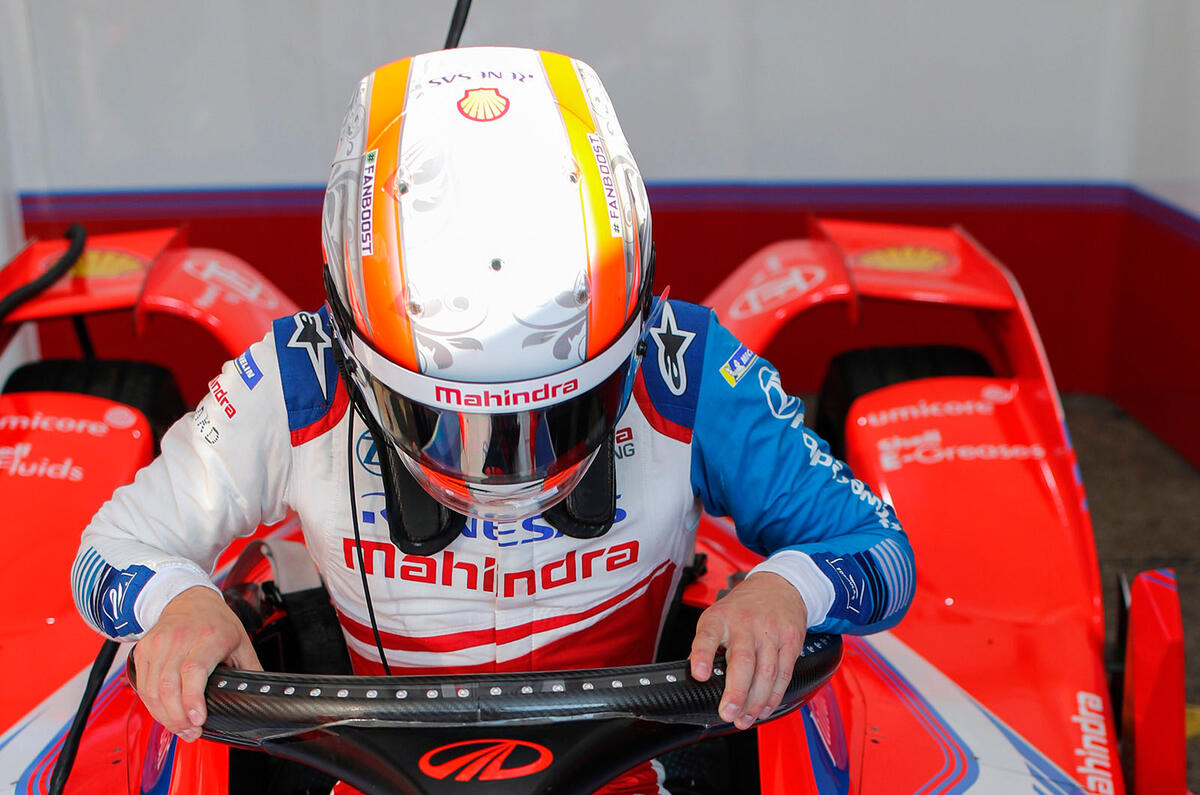
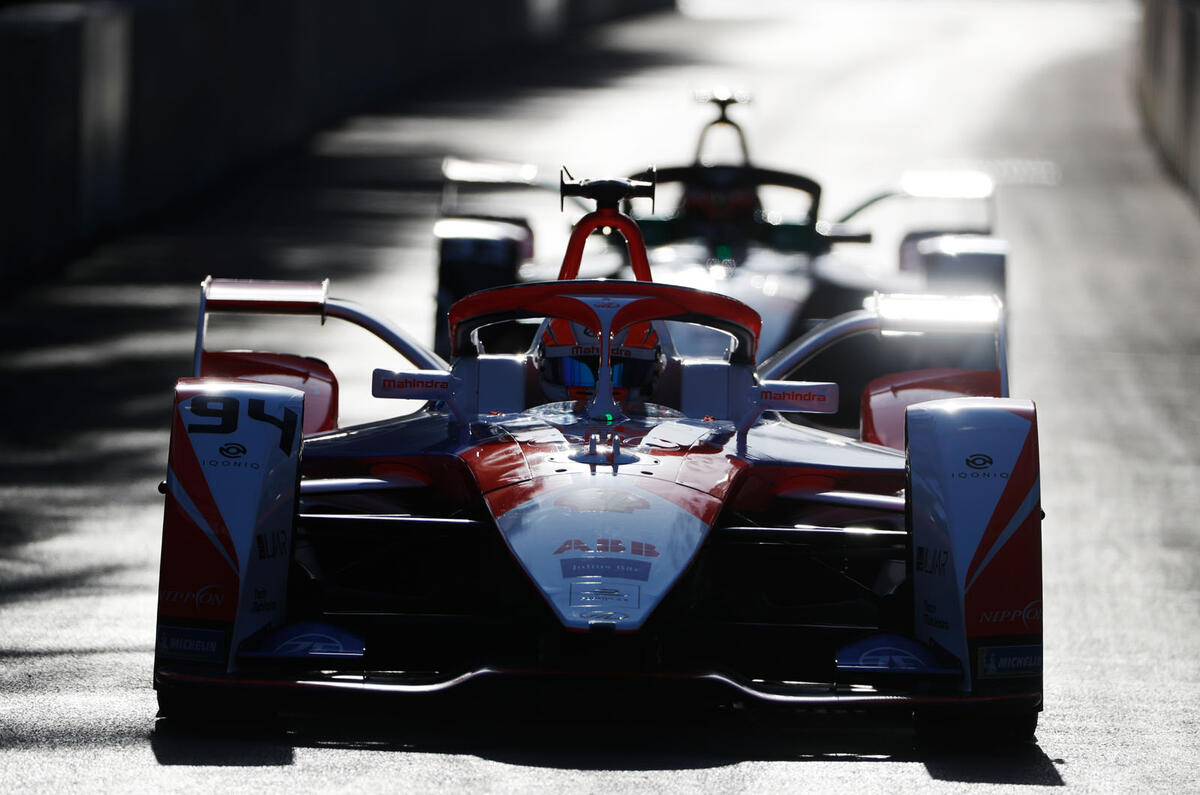
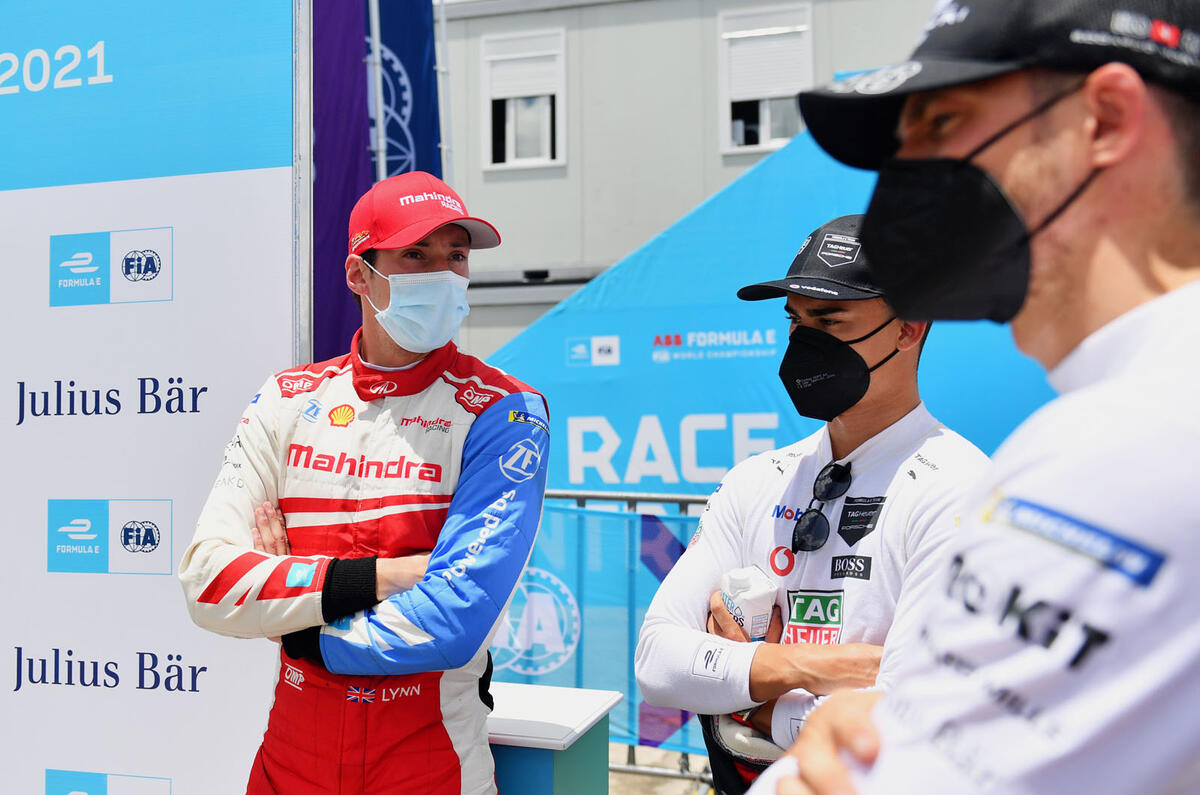
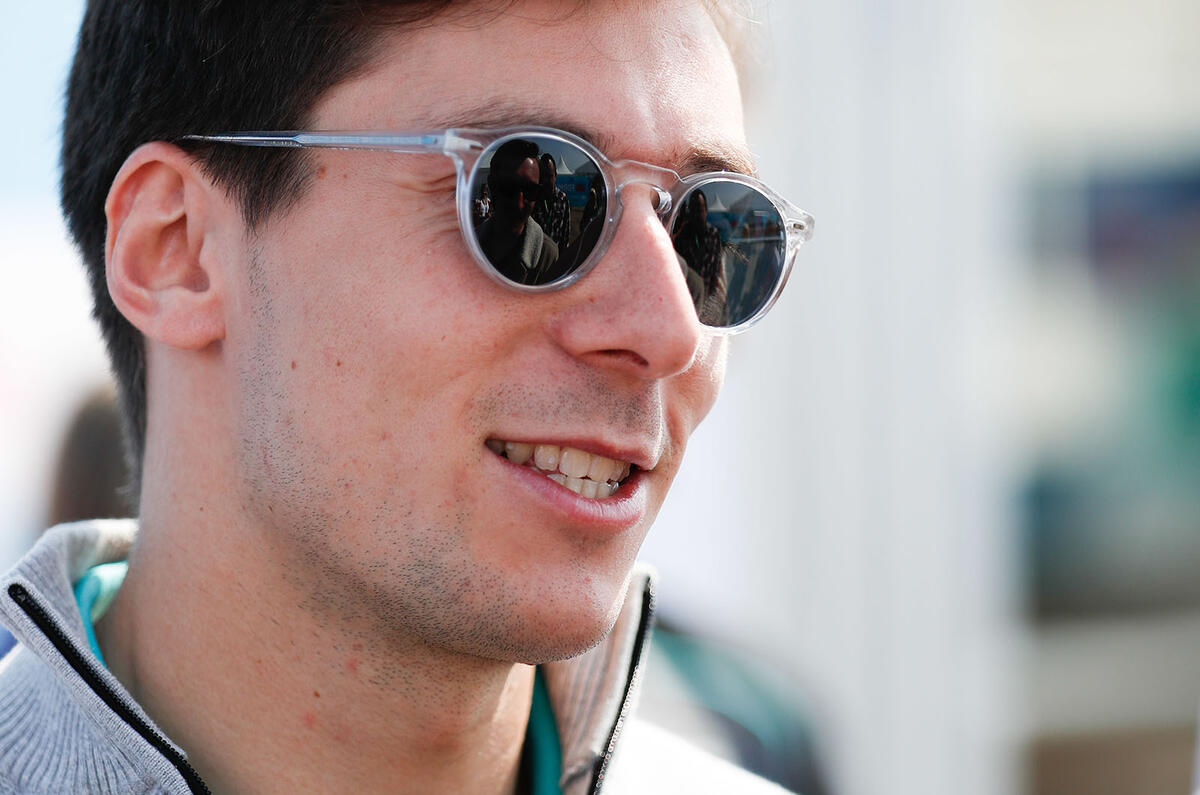
Alex Lynn is one of seven British drivers on the grid looking forward to racing at home. The 27-year-old drives for Banbury-based Indian EV specialist Mahindra Racing beside fellow Brit Alexander Sims. Lynn, an ex-Williams Formula 1 reserve driver, is well respected in both single-seaters and sports car racing. He won the Sebring 12 Hours in 2017 with Wayne Taylor Racing and was a member of Aston Martin’s victorious crew that conquered the GTE Pro class at the Le Mans 24 Hours last year with its Aston Martin Vantage. Having raced previously for DS Virgin and Jaguar, he scored his first Formula E podium in the second of two Valencia races this year and will be targeting a maiden E-Prix victory in London.
Autocar spoke to Lynn to gain some insight into life as a Formula E driver – and discovered just how intensive it is to compete in a series that boasts one of the most talented grids in motor sport outside of F1. Here is what we learned.
1 The drivers don’t know much about the novel ExCel E-Prix circuit
“Other than it’s going in and out of the Excel centre that’s pretty much all I know. Formula E is now making things more guarded, not to purposely hoodwink teams but to make it a better show so we can’t prepare as much as we usually do. Teams want to find as much advantage as they can and spend a certain number of days in the simulator – then they get to the circuit and have to throw all that learning away, which is quite fun!”
2 The high rate of collisions in Formula E is unavoidable at most tracks
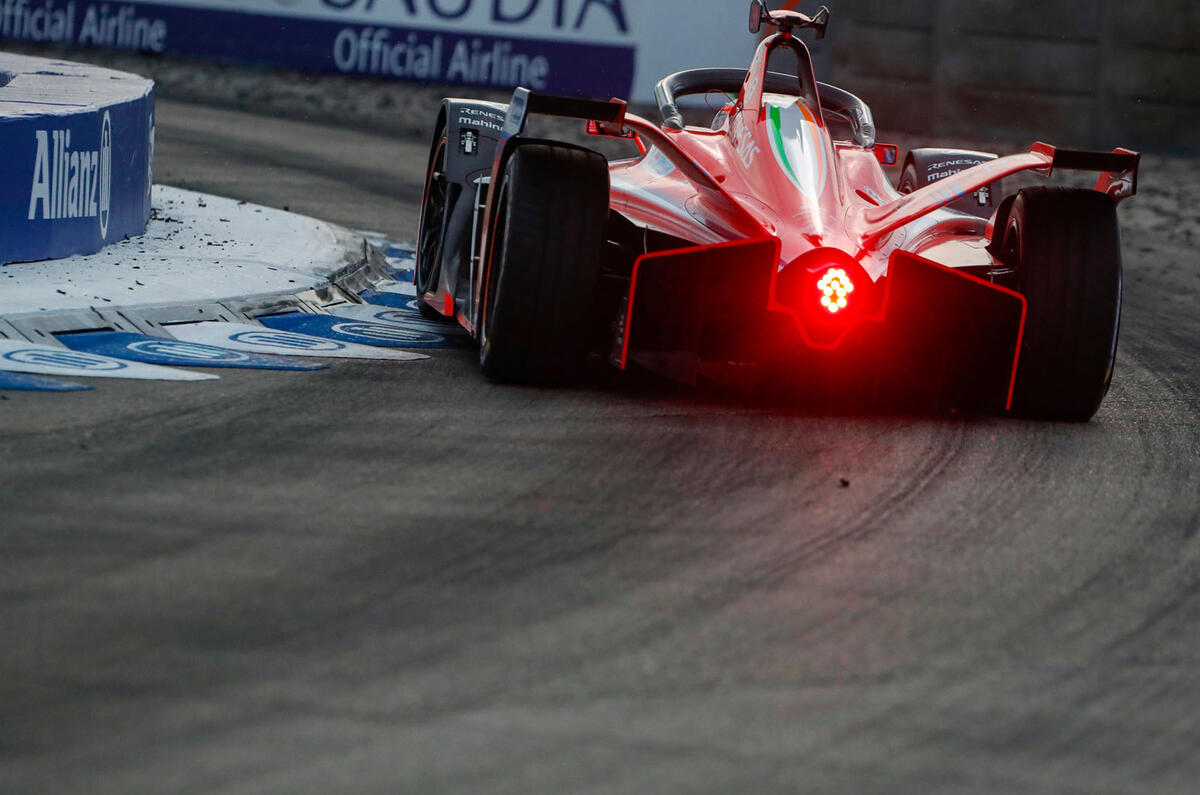
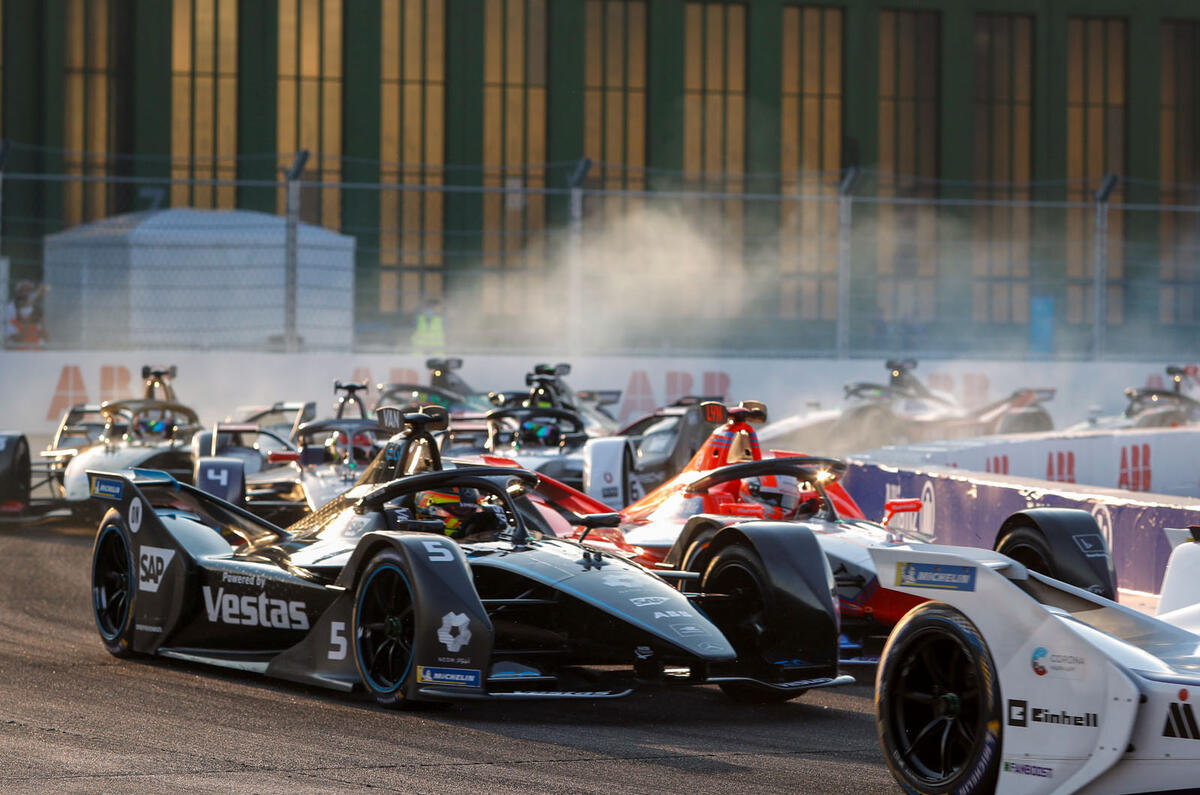
“Formula E is heavily manufacturer-based and that means the pressure to perform and get results is pretty big. Then you add the world-class field – and you don’t become a good racing driver by allowing someone to overtake you or not being hungry for the result. Therefore you have this cocktail of aggression to get results and it creates this racing style which is exceptionally aggressive. When you are in it, the feeling is pass or be passed. It’s the tighter circuits that breeds the worst kind of racing.”
3 Range anxiety is a problem in Formula E, just as it is on the road for EV drivers
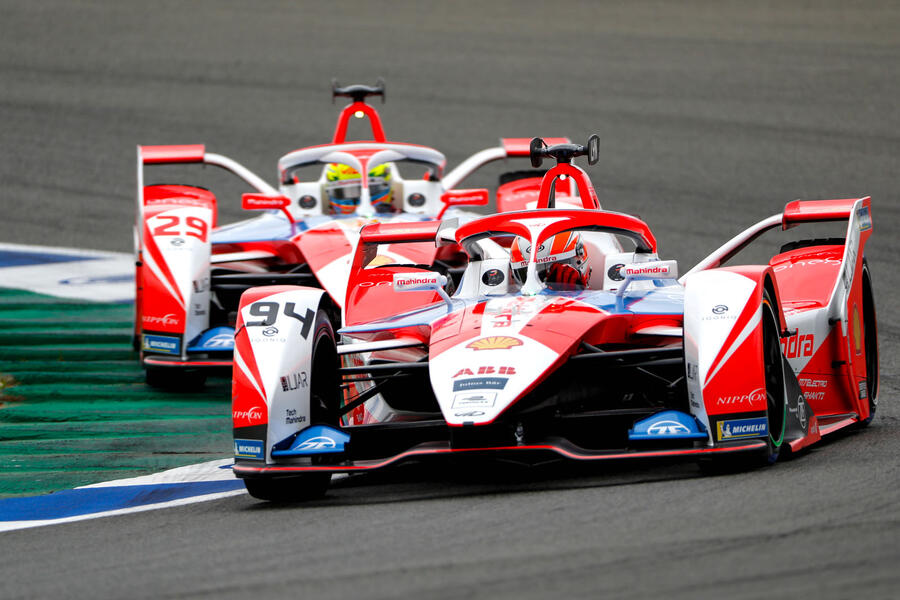
“The first race in Valencia this year [when a number of drivers were disqualified after exceeding their allocation of energy because of a high number of safety car and full course yellow periods] was a mathematical error. The rules are based around us taking away a percentage of energy for every minute we spend under the safety car and a full course yellow, which usually works. But if you have a safety car or FCY in the last five minutes and you take away four percent because you’ve had four minutes of safety car, guess what? Not many people are going to make it to the end. It was such an odd thing to experience and you couldn’t believe what the car was telling you, that you’ve only got a tiny amount of energy left. The rules have been rectified since, but it wasn’t the best. It ruined what was quite a cool race and I was just sad for the result. In Formula E the drivers do feel a responsibility for the show because we are trying to show off that EVs are cool and that you can race them. It is a cool series and when stuff like that happens it leaves a bad taste.”