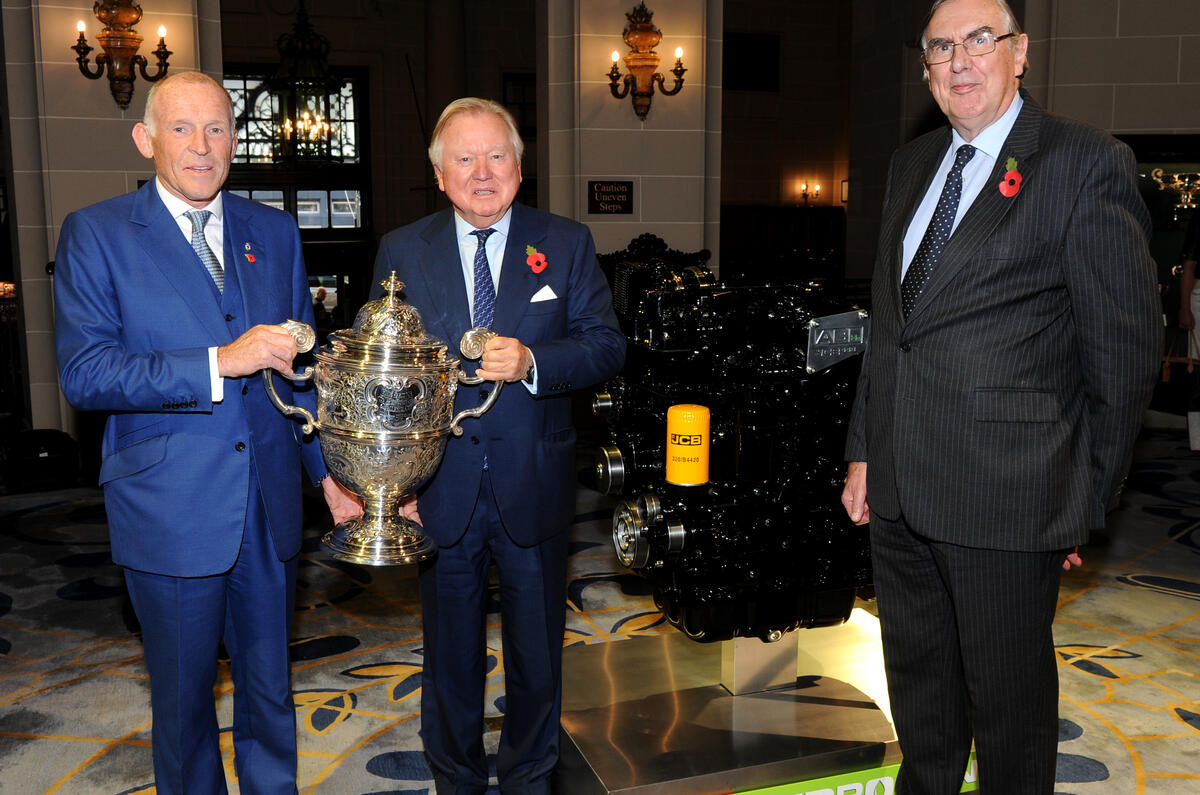
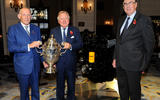

JCB has been awarded one of the RAC’s most prestigious awards for the development of its ABH2 hydrogen-fuelled engine.
The British company won the Dewar Trophy, which is presented in recognition of "an outstanding British technical achievement in the automotive field", for the third time.
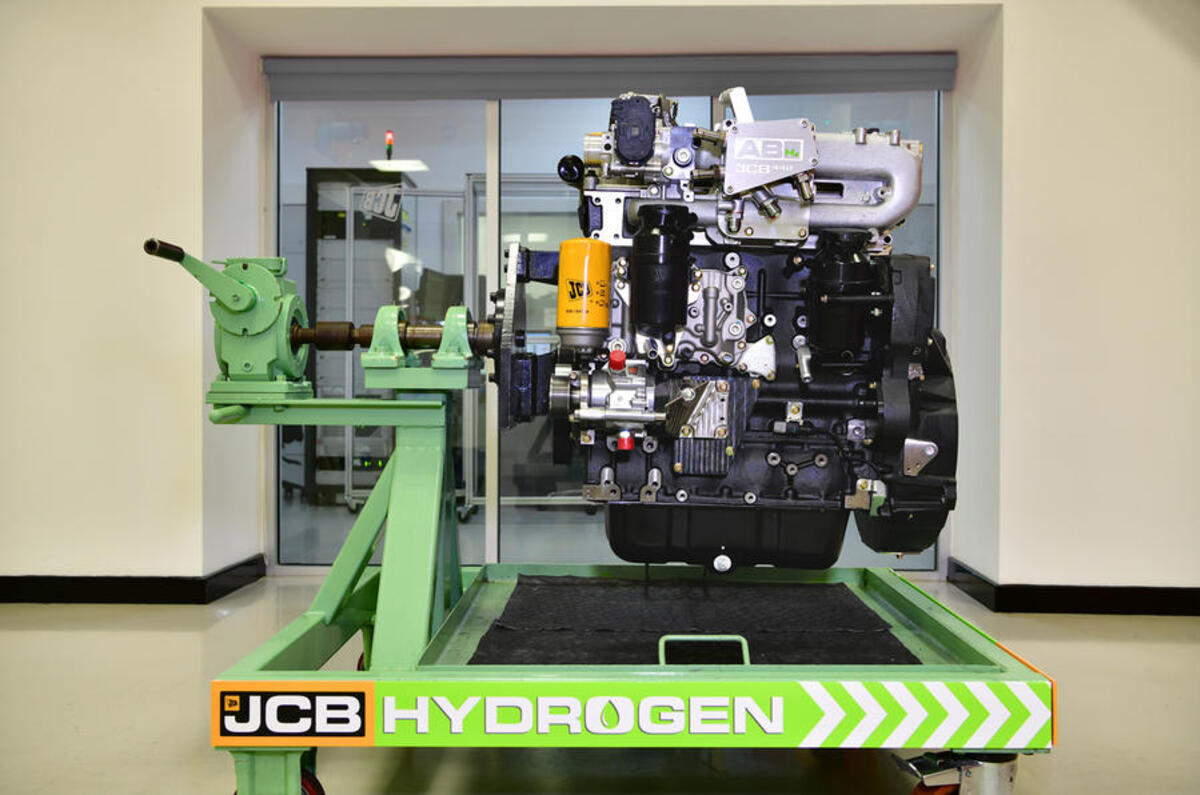
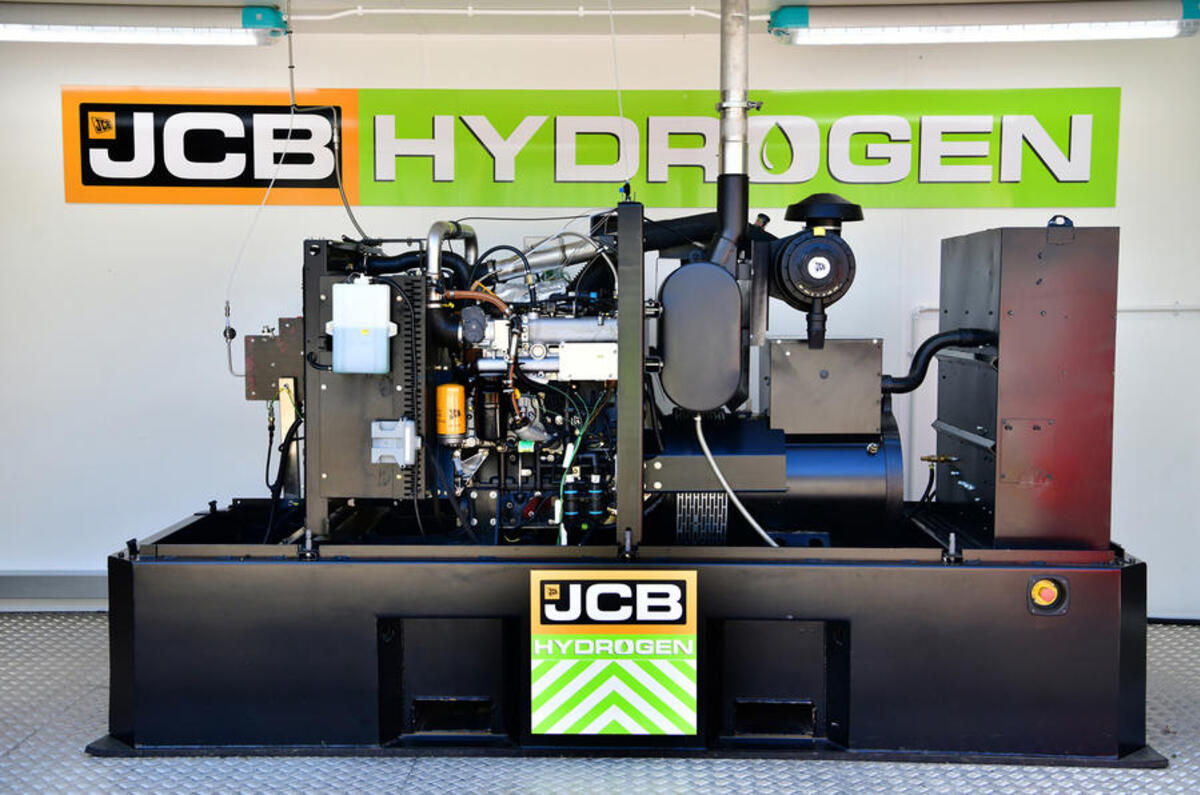
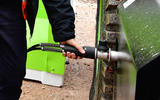
The hydrogen engine produces no CO2 emissions yet similar performance to the Dieselmax engine used in its existing machines. The only byproduct it produces is steam from a tailpipe.
"We’re extremely proud that the Royal Automobile Club has chosen to present JCB with the Dewar Trophy for the third time,” said JCB chairman Lord Bamford.
“We’ve invested heavily in alternatives to fossil fuels, including battery-electric and hydrogen fuel cells, but the fact that our hydrogen-fuelled piston engines can be put into production relatively quickly is something that’s vital in the current climate emergency.
"It’s an important and pioneering step towards a zero-carbon future and testament to the amazing abilities of our British engineers."
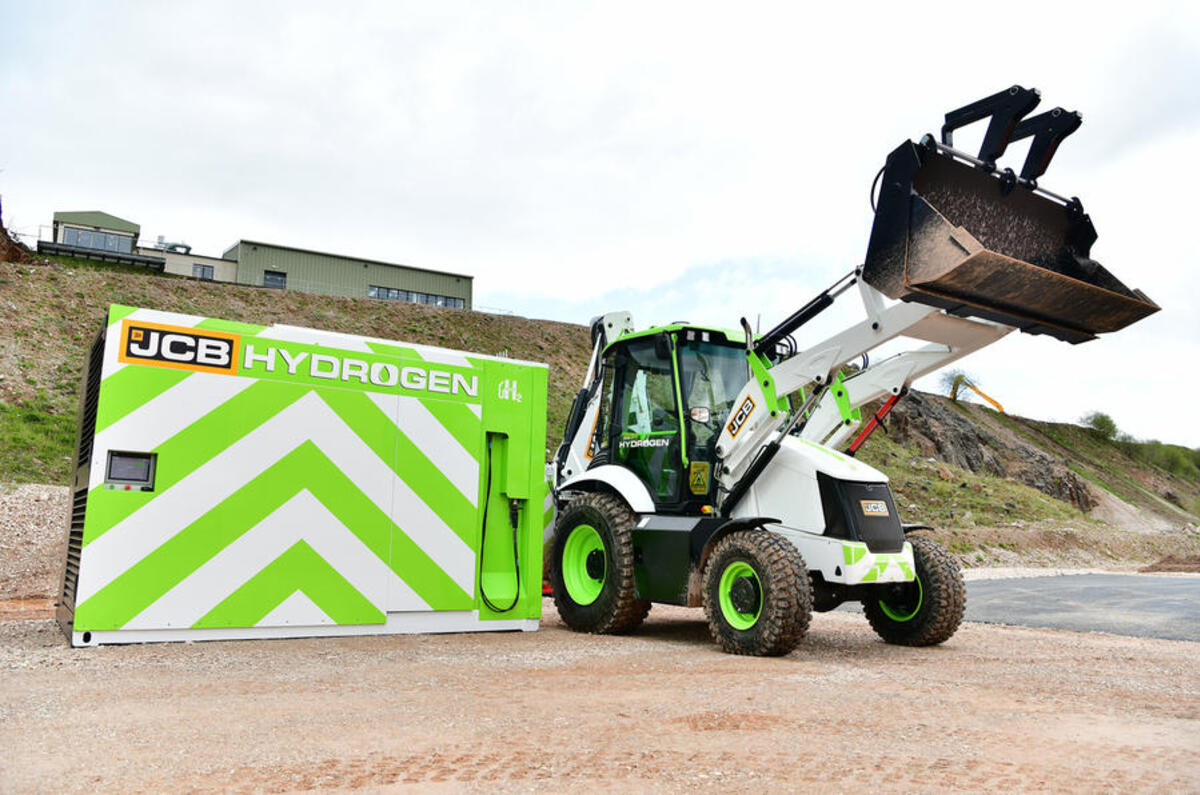
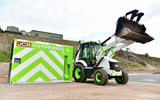
JCB revealed a prototype backhoe loader earlier this year equipped with an all-new induction system, with new pistons, lowered compression and port high-pressure common-rail fuelling. It produced less NOx emissions than a diesel, even after diesel aftertreatment that cut pollutants by 98%.
A newly updated prototype for a Loadall telescopic handler was presented in October 2021 in the company of UK Prime Minister Boris Johnson.
JCB looks set to invest £100 million into the project, with hopes of recruiting 50 extra engineers to deliver the first hydrogen-powered machines to customers by the end of 2022.
The company was first awarded the Dewar Trophy back in 2007 for achieving a diesel-powered land-speed record, hitting 350.092mph at the Bonneville Salt Flats, and won it again in 2019 for the development and introduction of its 19C-1E electric mini excavator.