
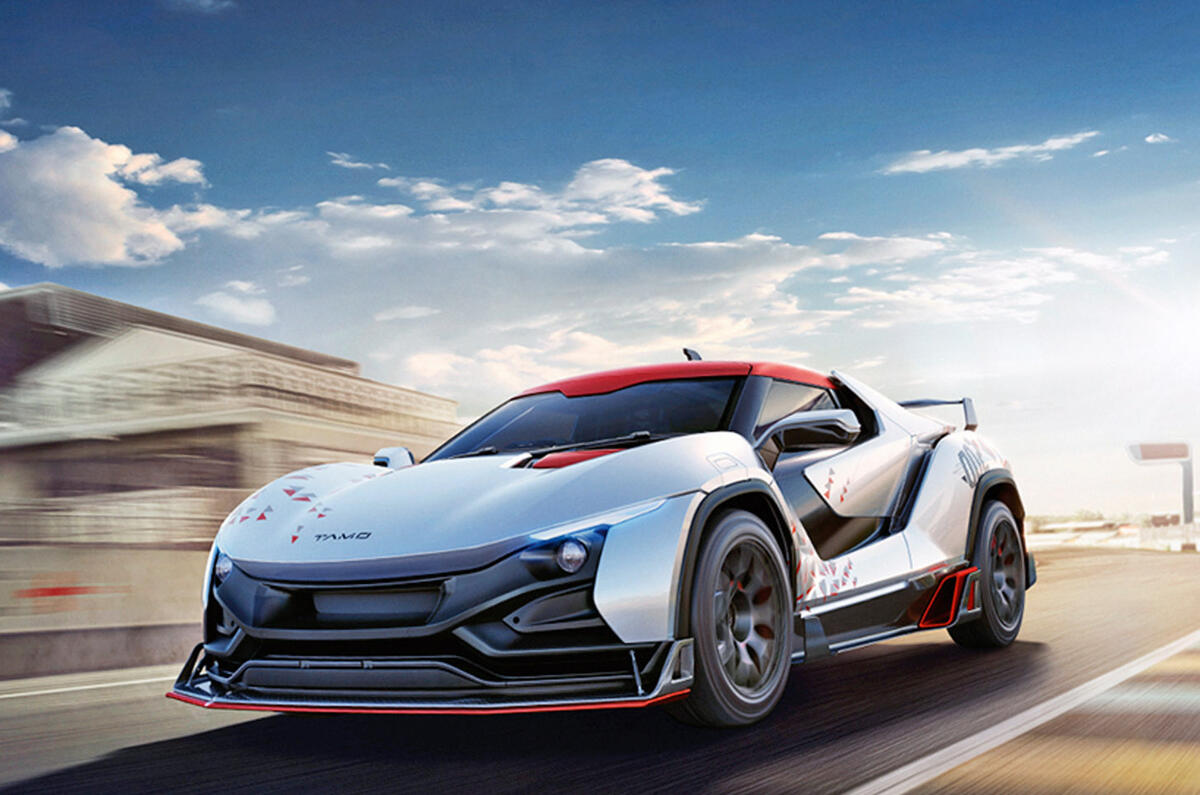













What does everyone in the UK make of Jaguar Land Rover being owned by an Indian company?” This is a question that was asked a few times on my trip to India, and my reply was always the same: “It’s not something that anyone really thinks about or is bothered by, to be honest.”
British car companies have always enjoyed their best days under foreign ownership and, given that history, the fact that JLR is foreign-owned (as are Bentley, Rolls-Royce, McLaren, Lotus, Aston Martin and now even Morgan) hardly even registers. While an Indian conglomerate owning JLR was a headline back in 2008, it’s still considered as British as Tetley tea.
Tata has been a very good owner for JLR. Despite the troubles of the past couple of years, the overall story since the conglomerate took over is pretty much one of exponential success. In its first full financial year under Tata ownership, 2009-10, JLR sold 208,000 cars. By 2018-19, that had increased to 578,000 cars. Tata backed JLR, gave it the capital to succeed and left the management to get on with it. And, with Land Rover in particular, it has had a happy knack of making the right car at the right time – best seen with the Range Rover Evoque.
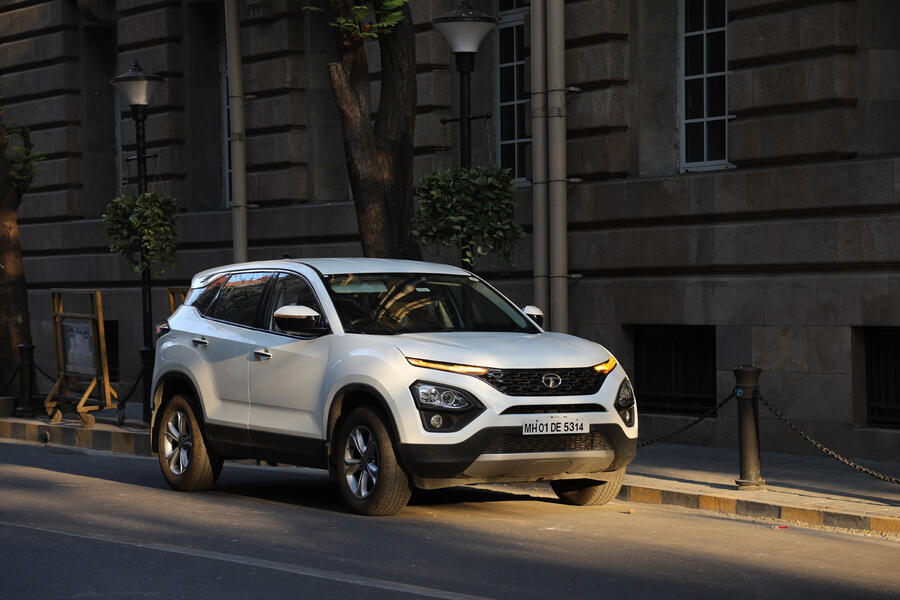
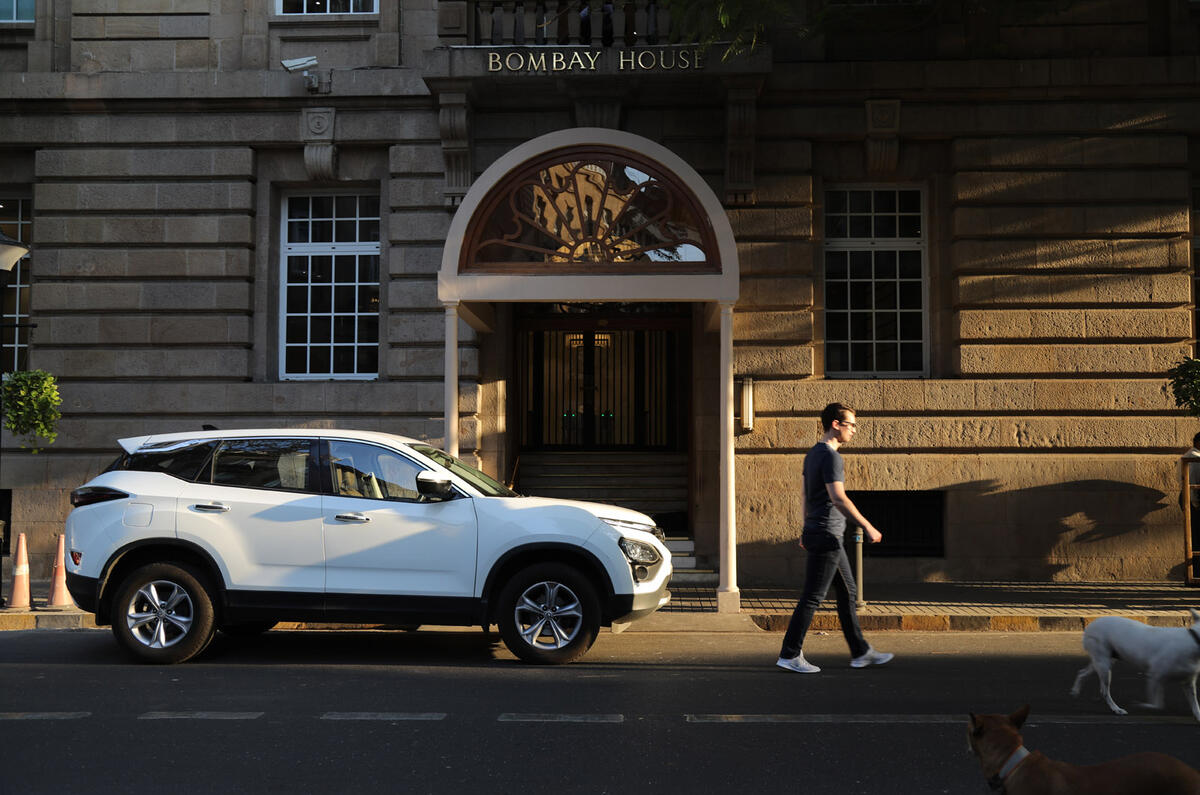
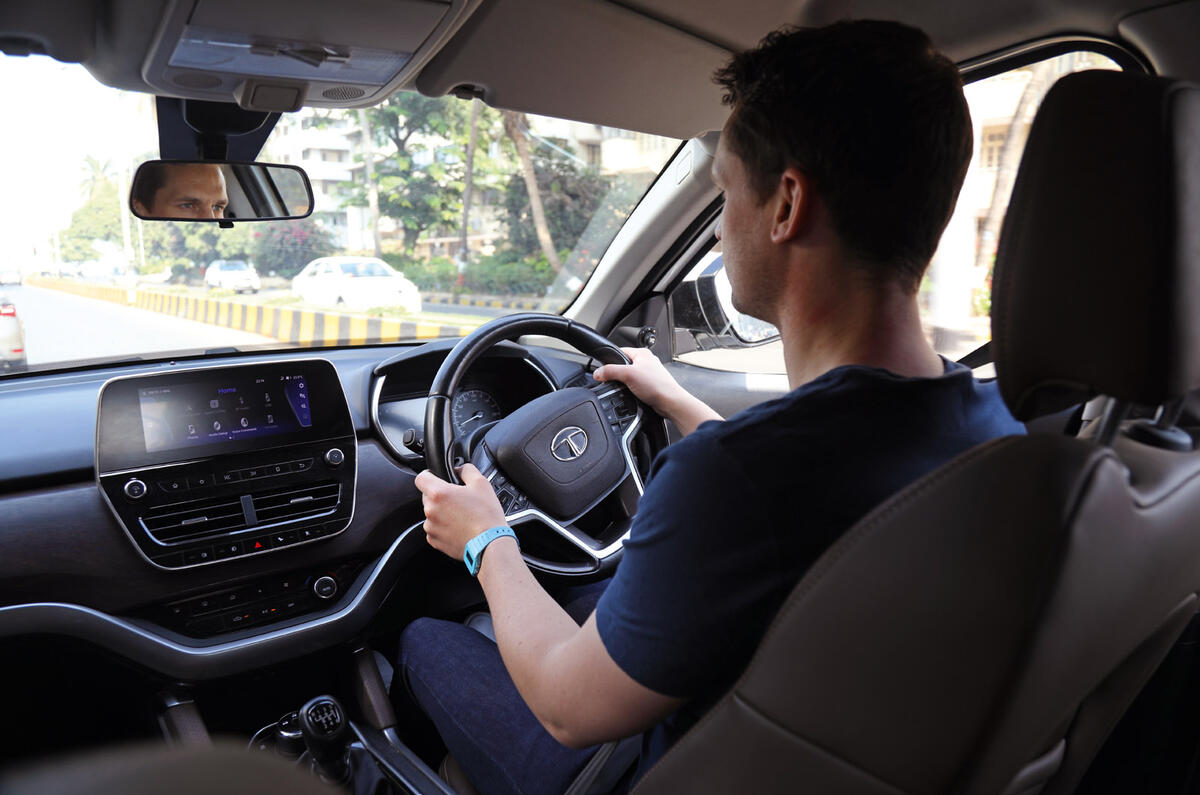
JLR has done plenty for Tata, too. For a long time, that was typically seen through revenues and profits – and lots of them. But now, despite the huge price and positioning gap between the Tata brand in its native India and Jaguar and Land Rover around the world, some proper JLR hardware has made it over to India to be used on a Tata model.
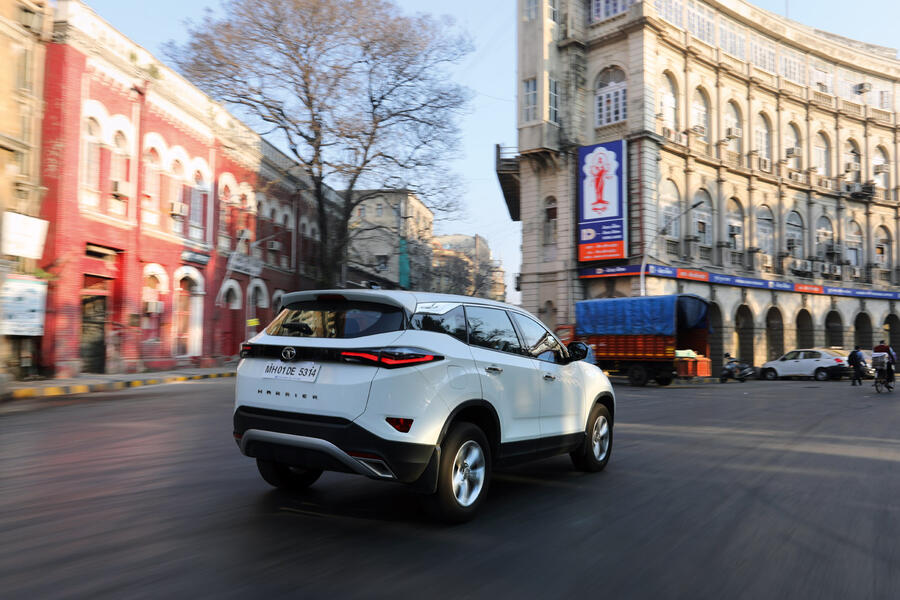
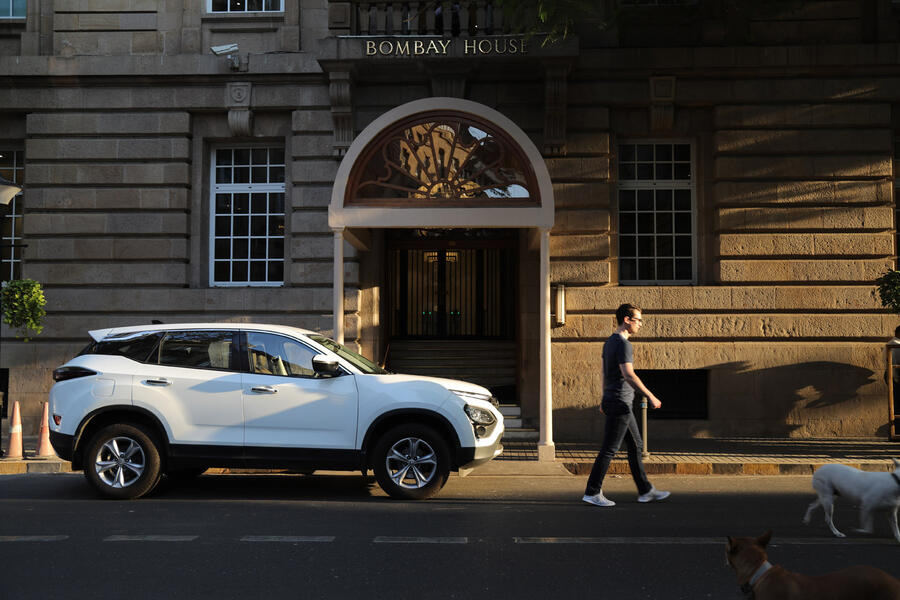
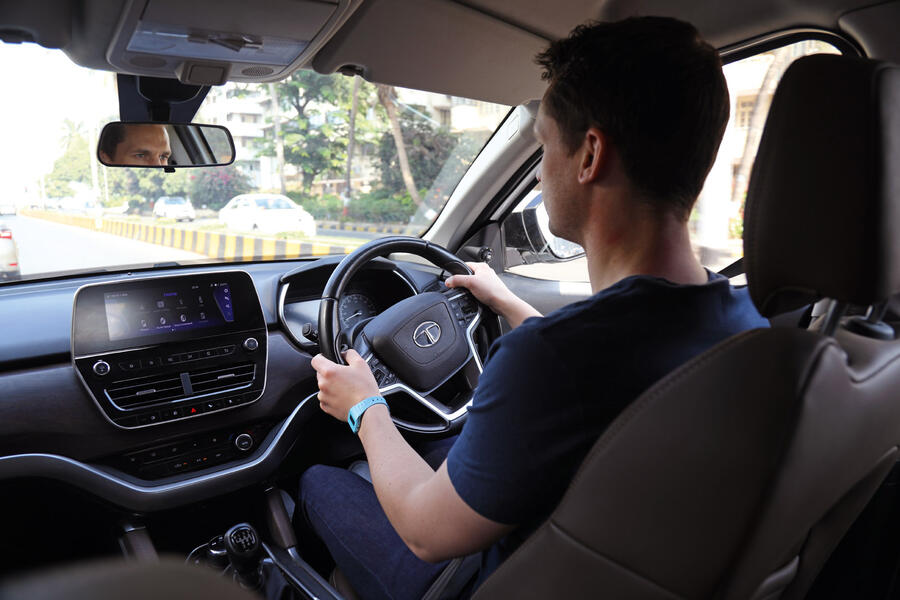
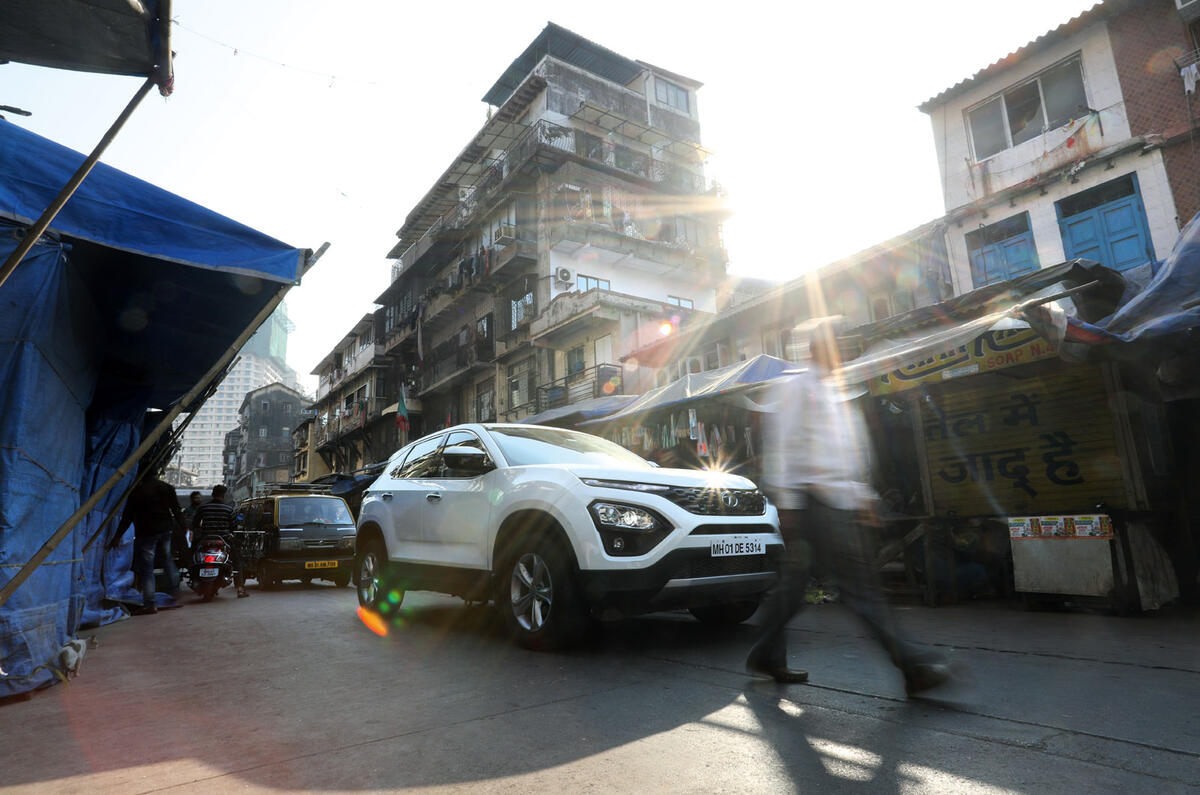
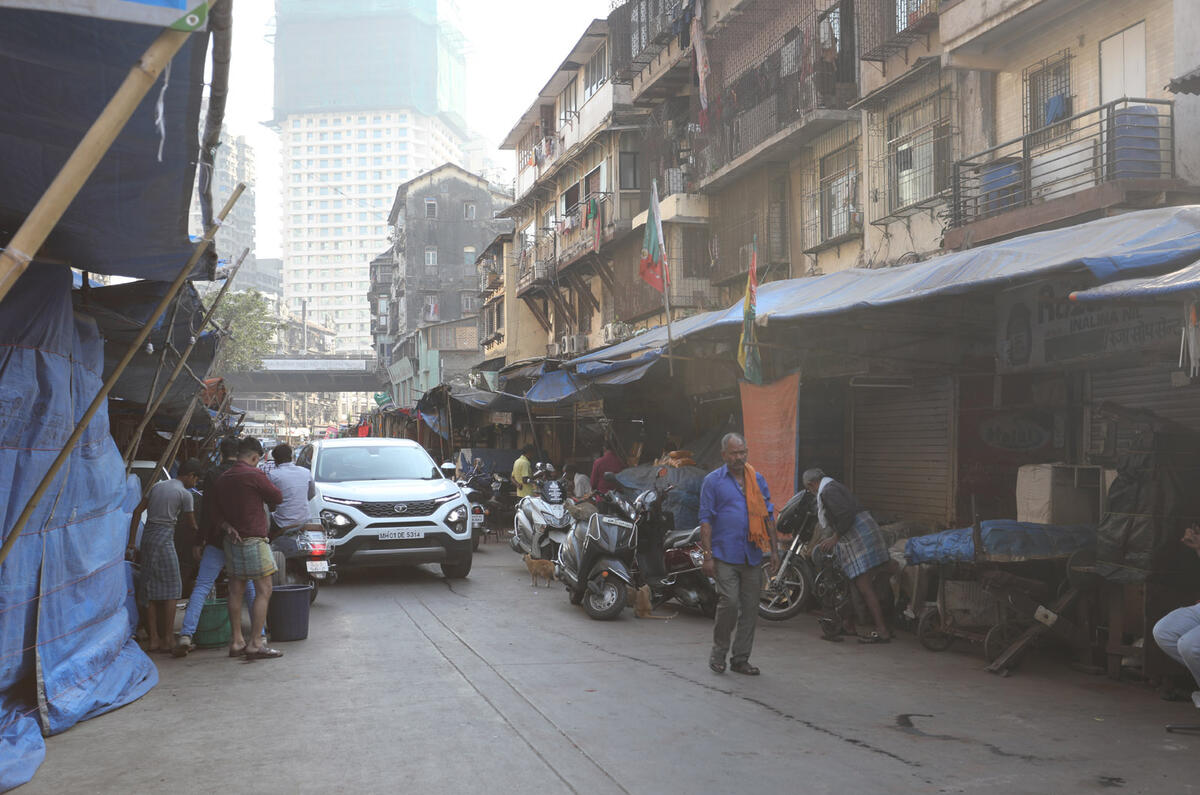
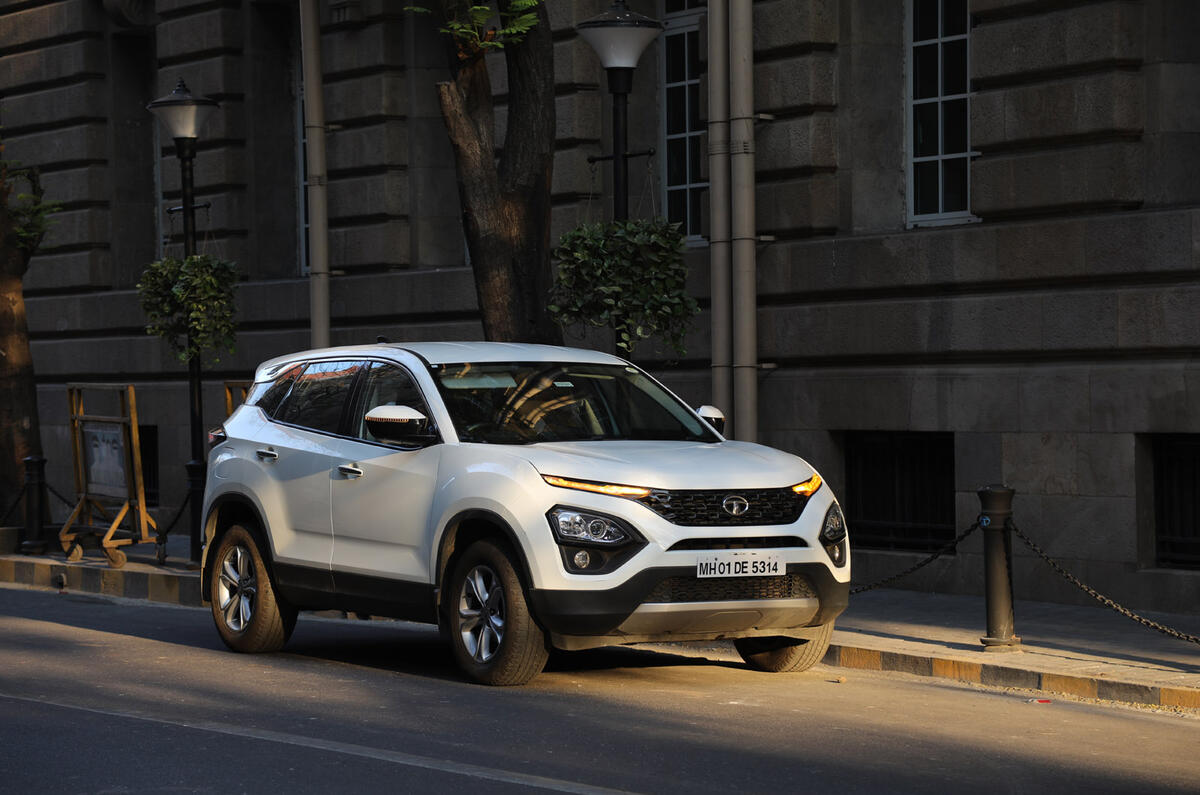
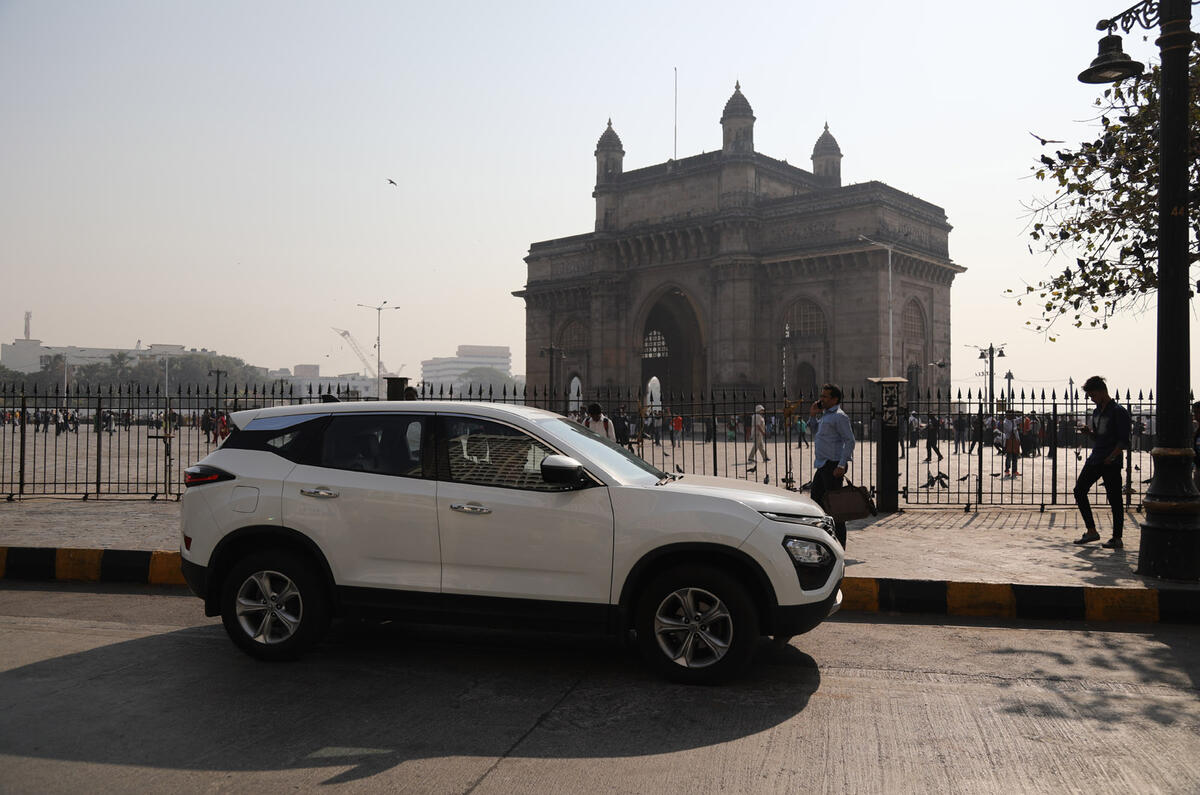
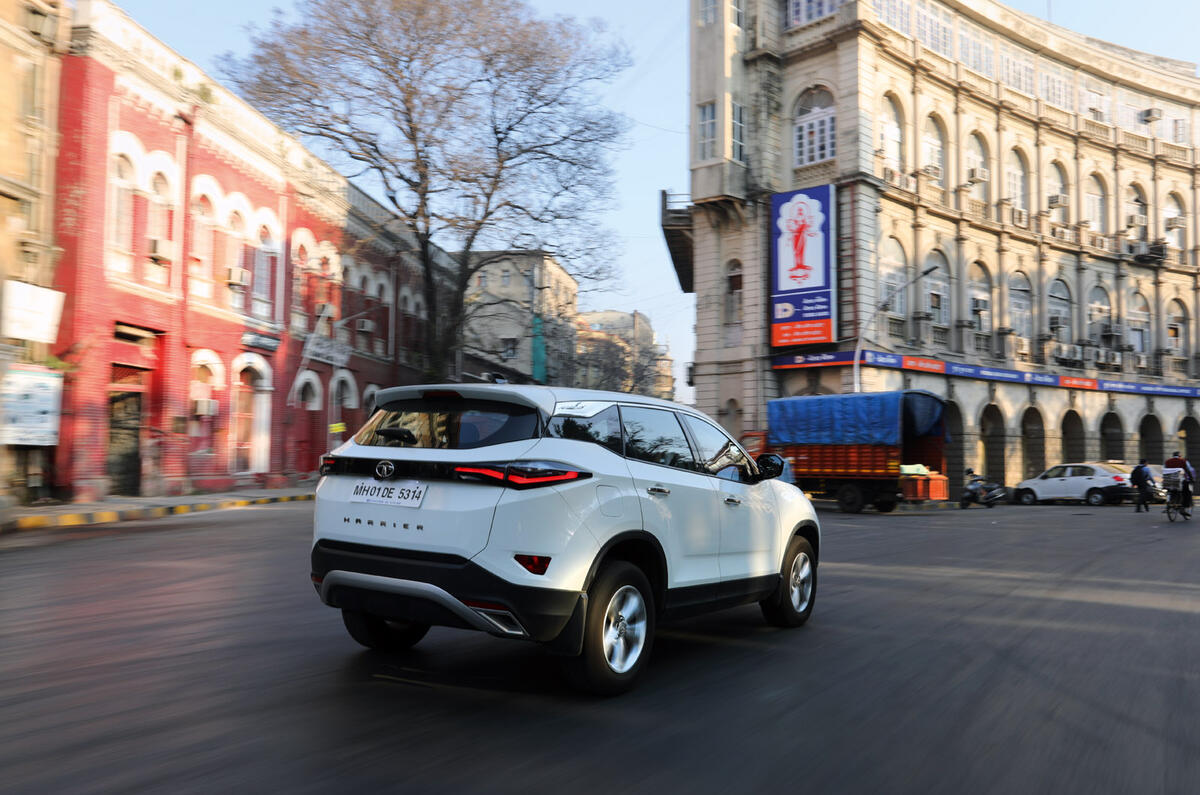
That model is the Harrier, Tata’s new flagship SUV. Underpinning it is a Tata version of the Land Rover D8 platform, which was used for the Discovery Sport until that car’s update last year. Tata calls its platform Omega.
The two architectures share hard points and a fundamental design, but in going from D8 to Omega, plenty of changes were made to allow the Harrier to be sold in India at a price that works for a Tata and using locally sourced parts. That’s not just through material changes but also through updating the rear suspension design, for example.
This is something that’s becoming more common in India. For instance, the MQB A0 platform that underpins the Volkswagen Group’s small cars in Europe has been remade in India using 95% local parts to ensure it can be sold at the right price. Whereas ‘decontenting’ was the word before, now it’s very much ‘rebuilding’. You’re still making a sandwich, just you’re using plain white loaf instead of fancy artisan bread.