

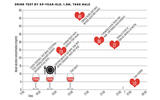



Drink-driving is a frustratingly consistent taker of life. According to the latest figures released by the Department for Transport, since 2010 around 240 people have been killed each year in road accidents where at least one driver was over the limit. The figure represents 14% of all road deaths. Experts say a further 50 deaths can be added for accidents where a driver was just below the limit.
Experts claim that attempts to reduce the number have been thwarted by, for example, cuts to the Department for Transport’s budget for its Think! road safety campaigns, down from £3 million in 2009 to around £250,000 each year since 2014. “Successive government austerity policies have hit hard,” says David Davies, executive director of the Parliamentary Advisory Council for Transport Safety (Pacts). “The cuts to Think! have meant no more mass TV campaigns but then government would say social media is more effective. You can always do more with more, though.”
The government’s faith in social media may be misplaced. A quick check of Think!’s latest Facebook campaign featuring Pint Block, a film that urges friends not to allow a mate who’s been drinking to drive, reveals that it has been shared only a few times. Davies also suggests drink-drive casualty rates may be flatlining because of the emergence of beers and wines with a stronger alcohol content. A report published by the Department of Health in 2014 showed that average alcohol content rose from 7.25% to 7.31% between 2011 and 2012. Today, craft beers containing more than 6.5% ABV are common while gin, whose alcohol content typically exceeds 40%, is making a big comeback.
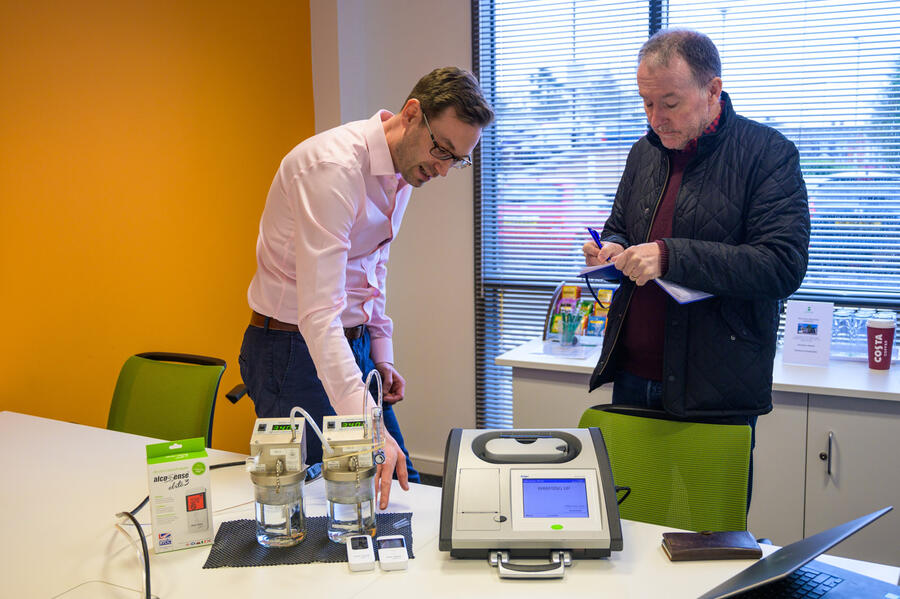
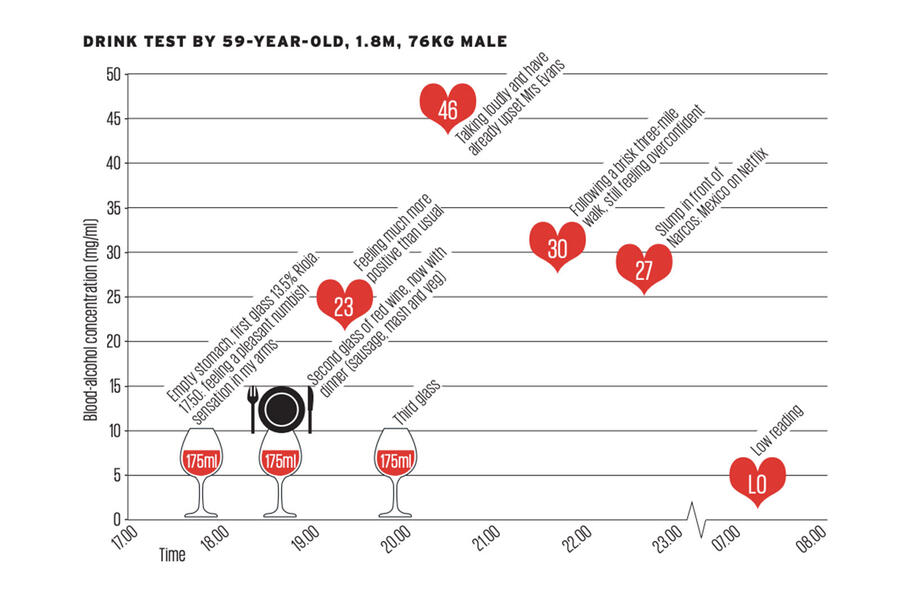
The content of some wines is often as high as 15%. Research by the Organisation for Economic Co-operation and Development (OECD) indicates that Britons, especially those over 50 years of age, are now the biggest wine drinkers in the Western world. Among them is a growing subset of middle-aged women or what Davies calls “wine o’clock” drinkers.
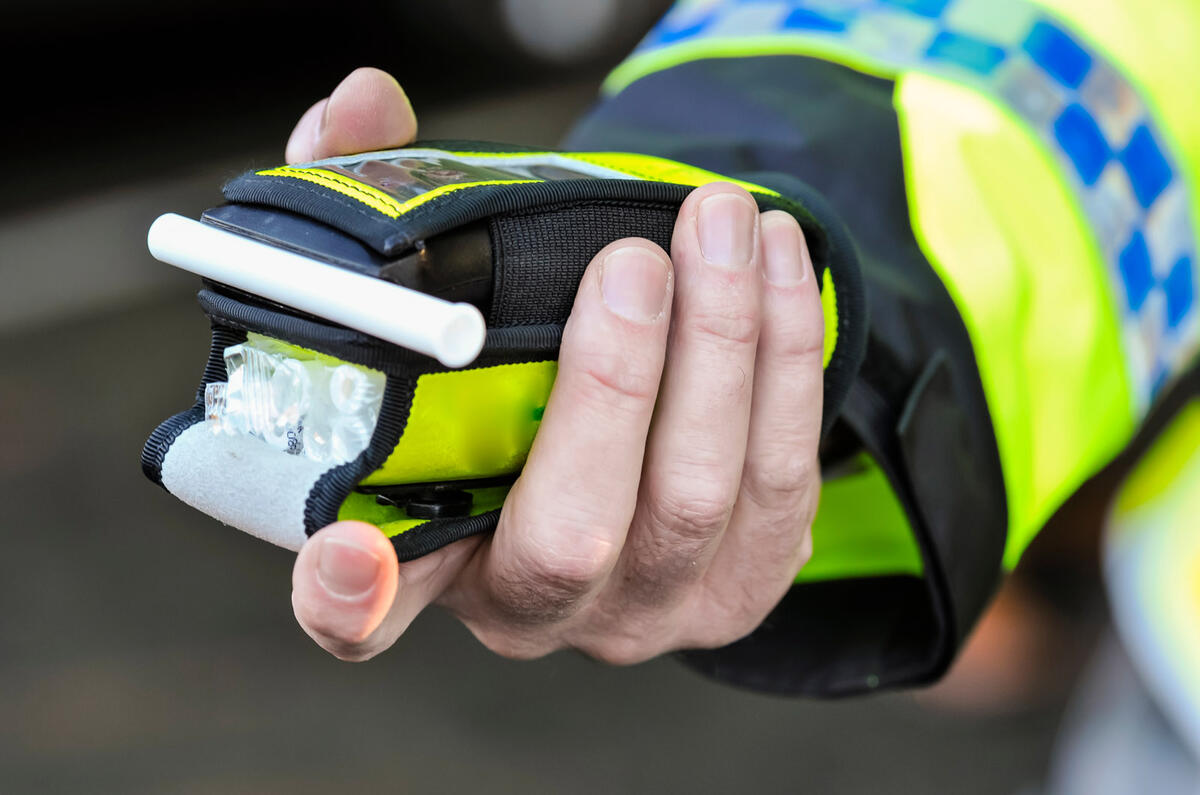
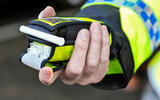
Another reason casualty numbers may be unchanged, says Davies, is the reduction in overall police numbers since 2010. On that point, a 2017 report by the Institute of Alcohol Studies (IAS) called ‘Running on empty: Drink-driving law enforcement in England’ says that following a reduction in the average roads policing budget of almost £1m per force between 2011 and 2016, the number of dedicated roads police officers fell by 27% and there were 25% fewer breath tests. Had breath testing been maintained at 2011 levels, it says, there would have been over a quarter of a million (260,681) more tests performed during this period.
In response to the report’s findings, the RAC said that data compiled on drivers’ habits found around five million of them admitting they may have got behind the wheel while over the legal limit once in the preceding 12 months.