














The beginning of April 2009 was a pretty miserable time in the British car industry. The Lehman Brothers bank collapse in 2008 had triggered financial meltdown on a global scale. Other financial institutions were at risk of collapse and car buyers – both fleets and private – kept their chequebooks in their pockets.
As a result, car sales plummeted for a straight year. During the first three months of 2009, new car registrations were down by 30%. Total UK vehicle production was 57% lower than the year before. Showrooms were deserted and pens were poised over P45s.
No one could have predicted that just a month later – 10 years ago this week – several dealers would be forced to install ticketing systems to manage the crowds in showrooms.
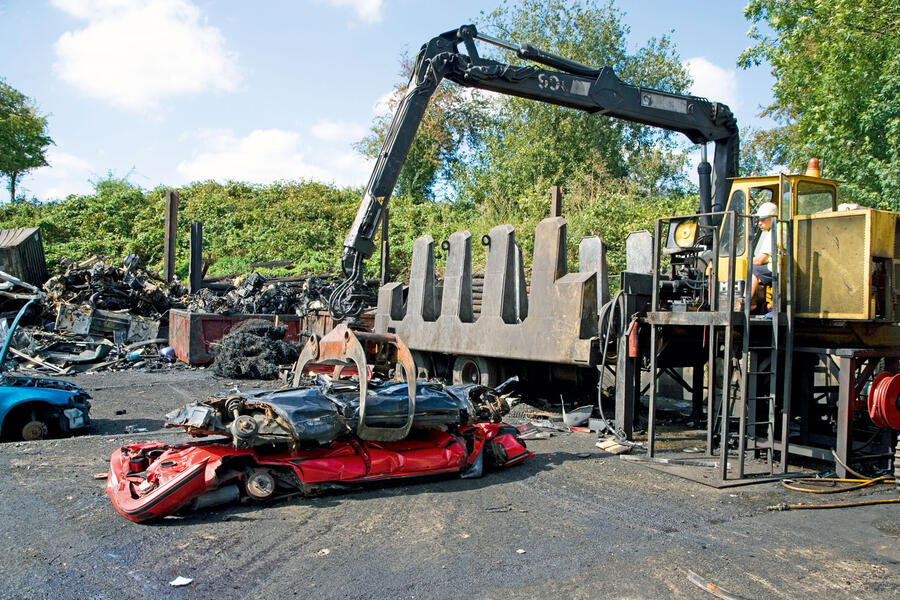
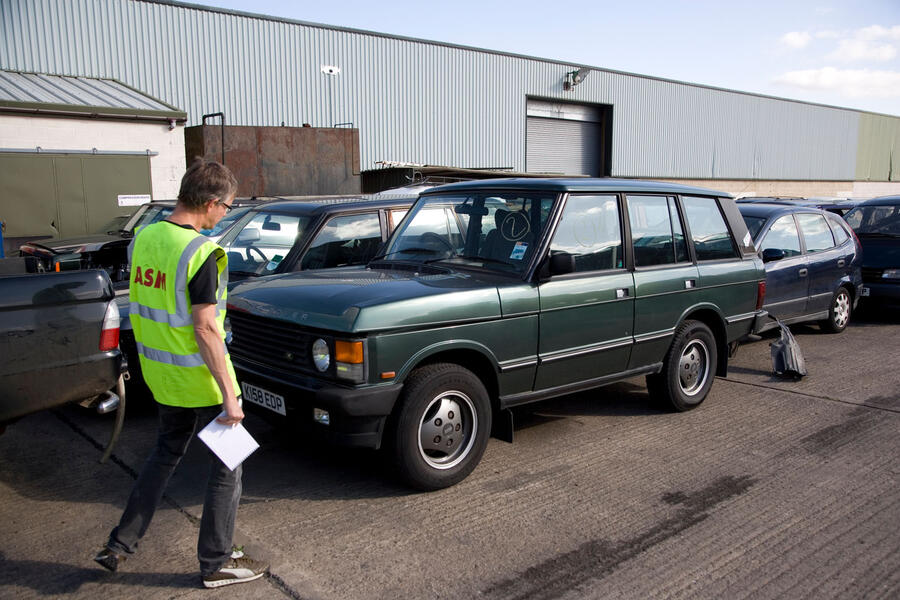
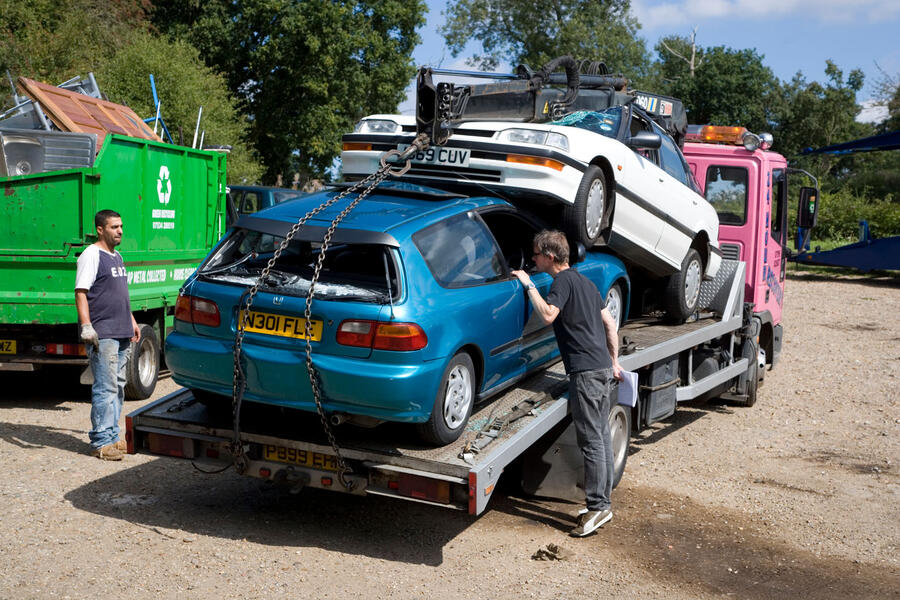
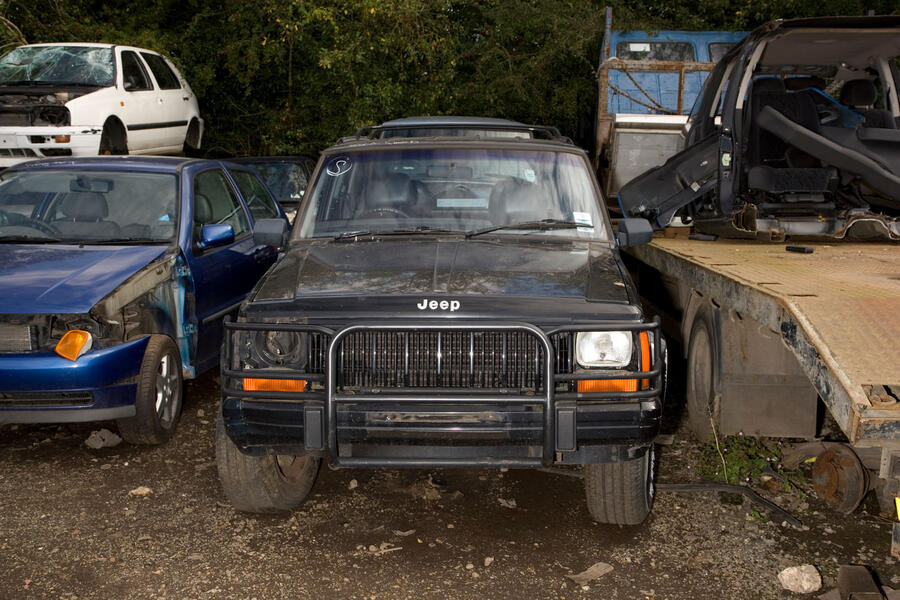
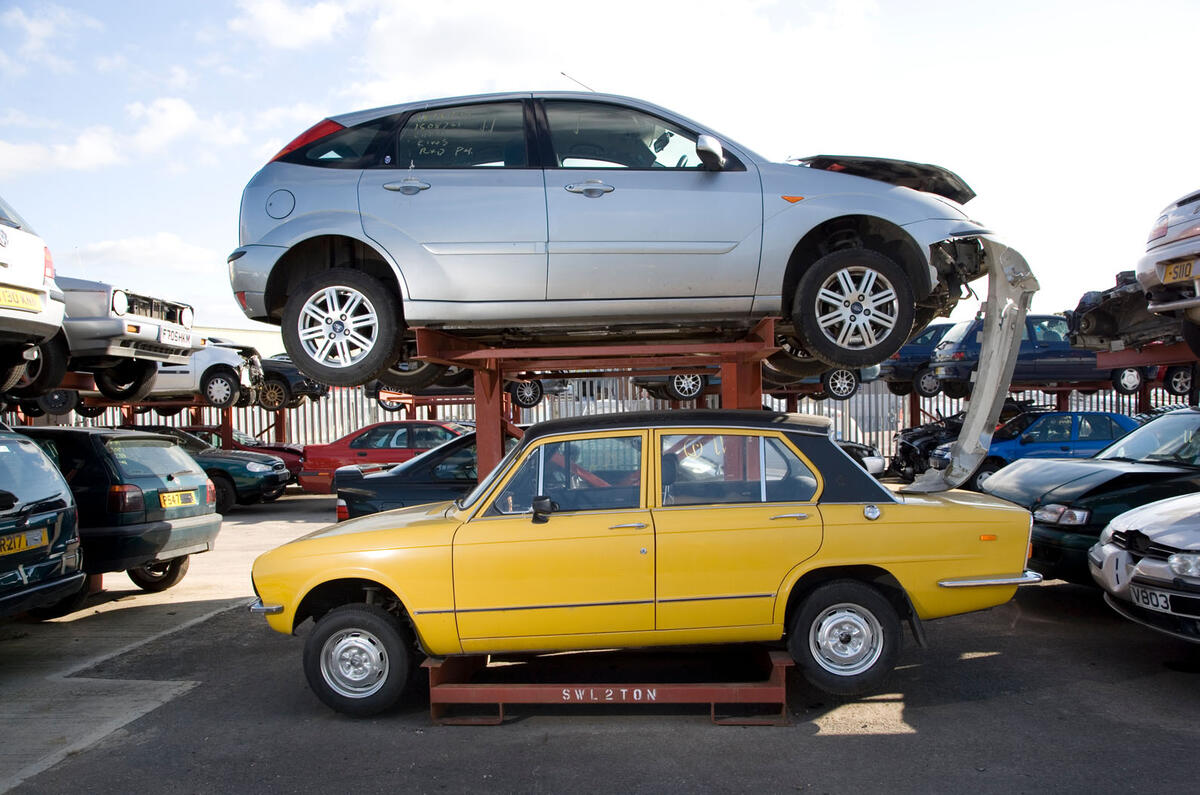
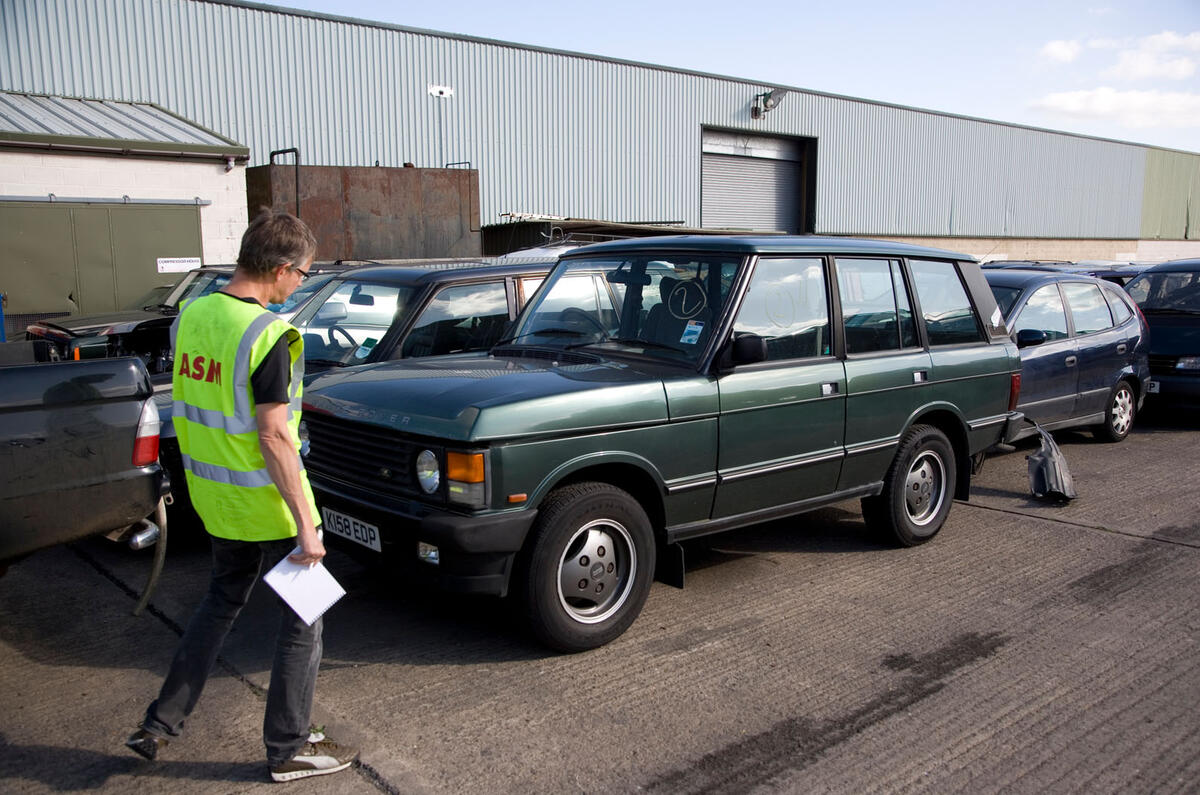
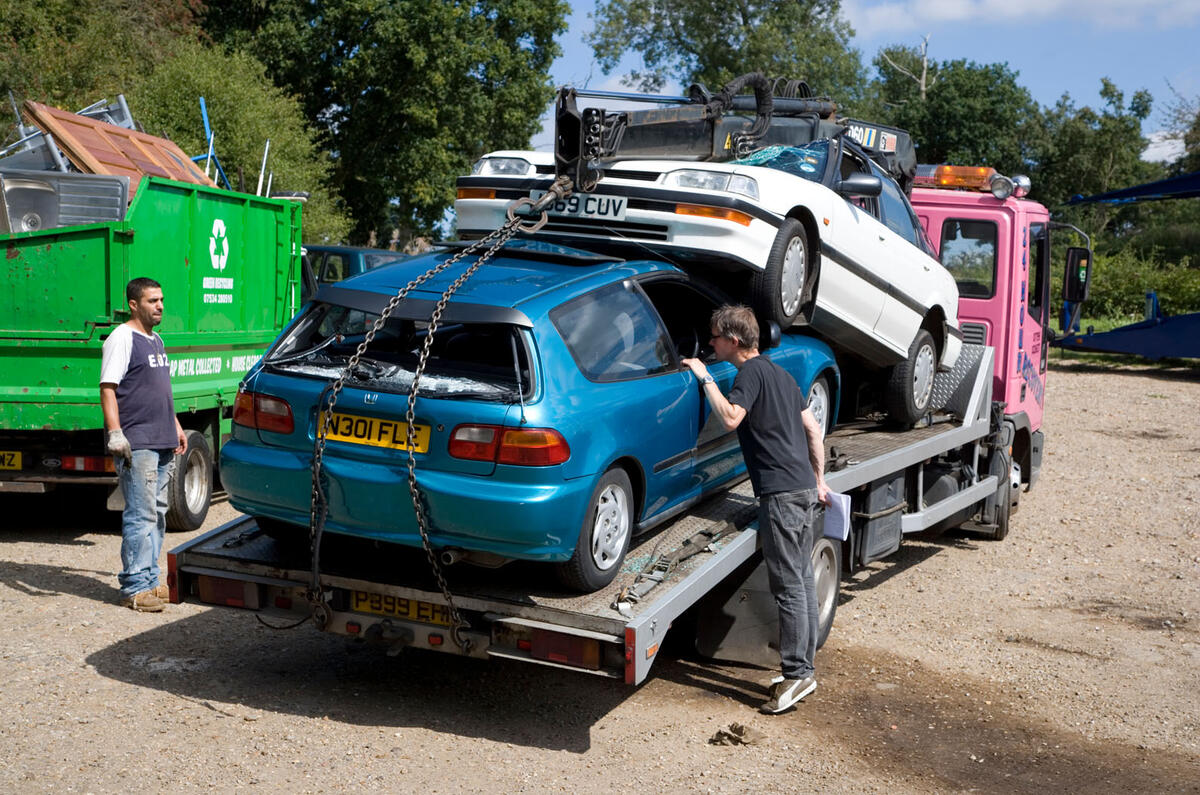
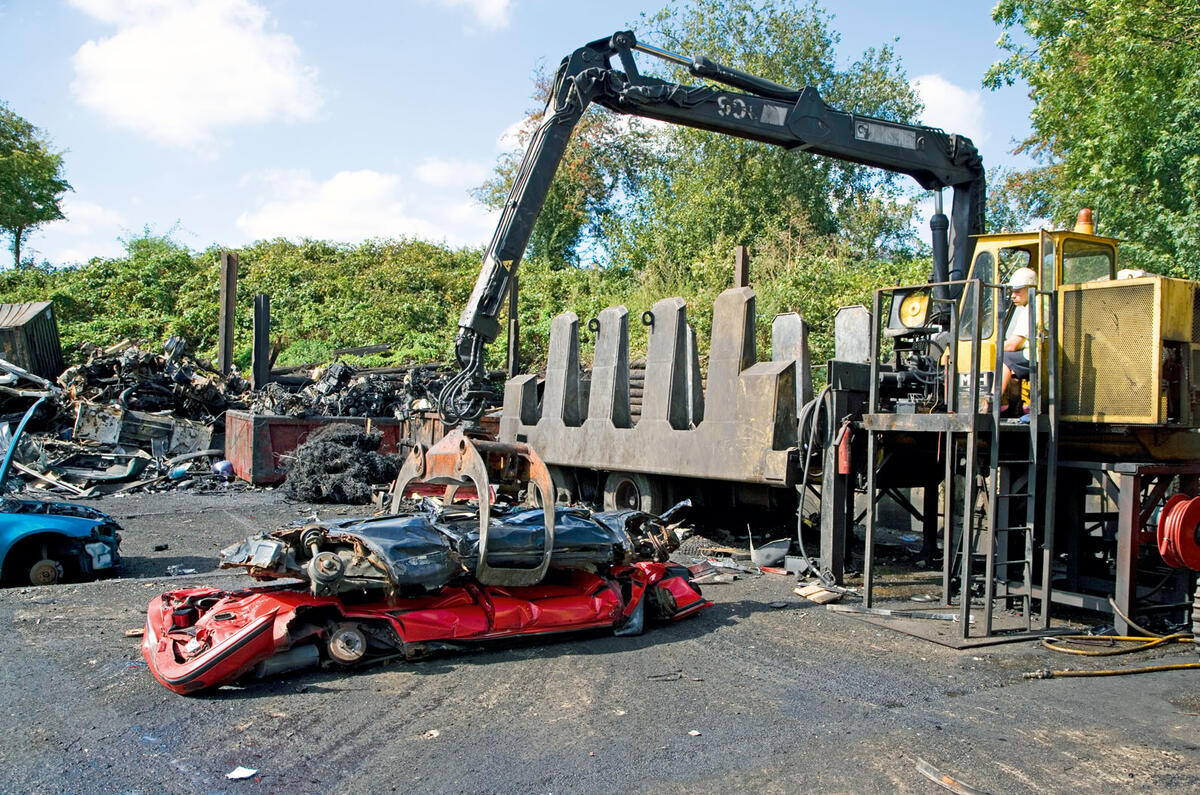
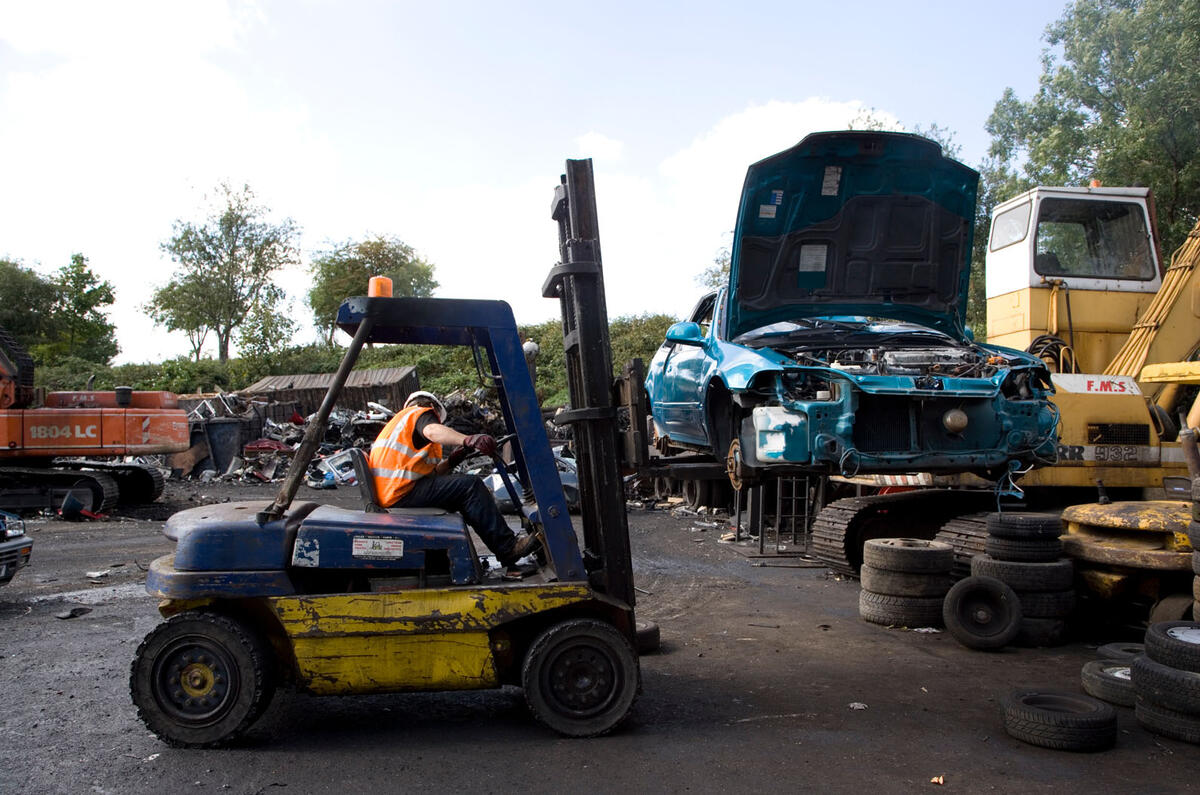
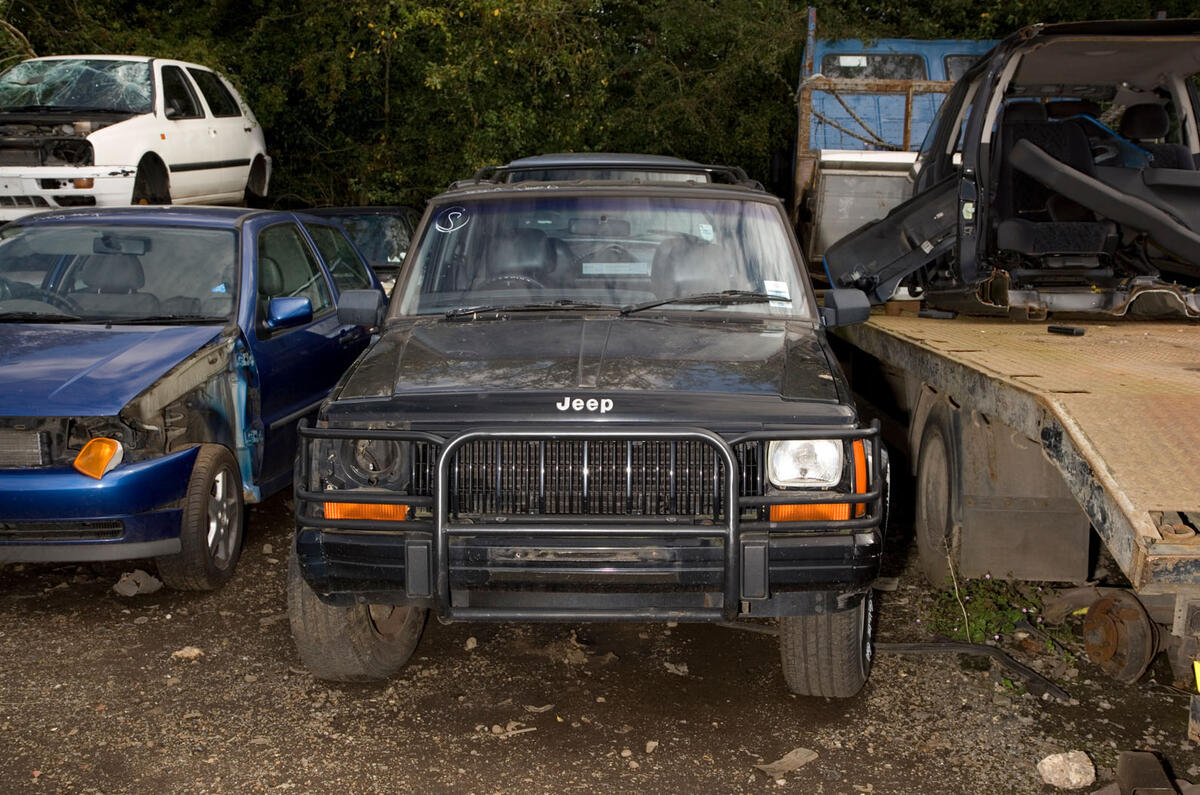
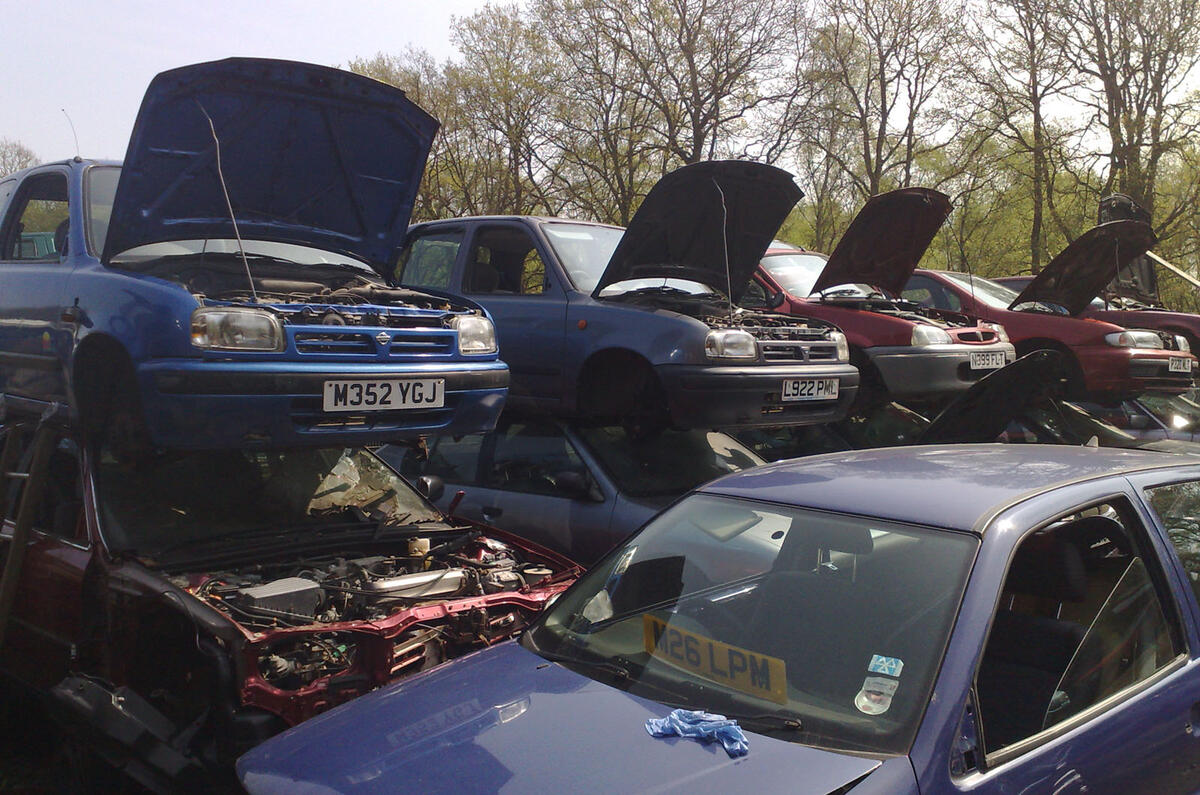
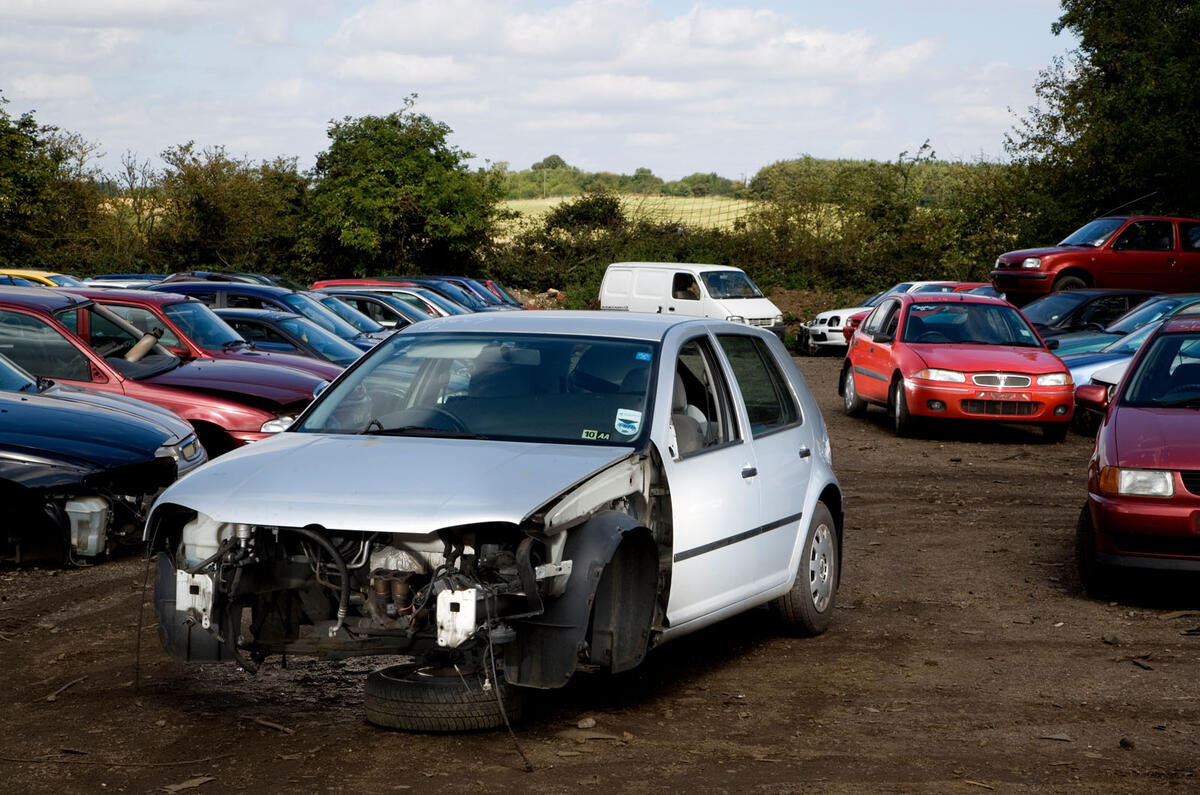
The difference was scrappage, a scheme that was designed to keep the car industry afloat and get drivers to swap into less polluting, safer cars. It was controversial at the time and still causes resentment today. It propelled some manufacturers to stardom and sent nearly 400,000 cars, including some bona fide classics, to the crusher.
How did it come about? And what effect has the scheme had on the market since?
Convincing the government
The main proponent of the scheme was the Society of Motor Manufacturers and Traders, whose chief executive at the time was Paul Everitt. “Car sales were an important barometer of the economy and, month after month, registrations were going down,” he says. “There was a strong political will in Gordon Brown’s government to do something which would change the ‘weather’. The news talked of an impending financial collapse, and no one knew where the bottom was.”
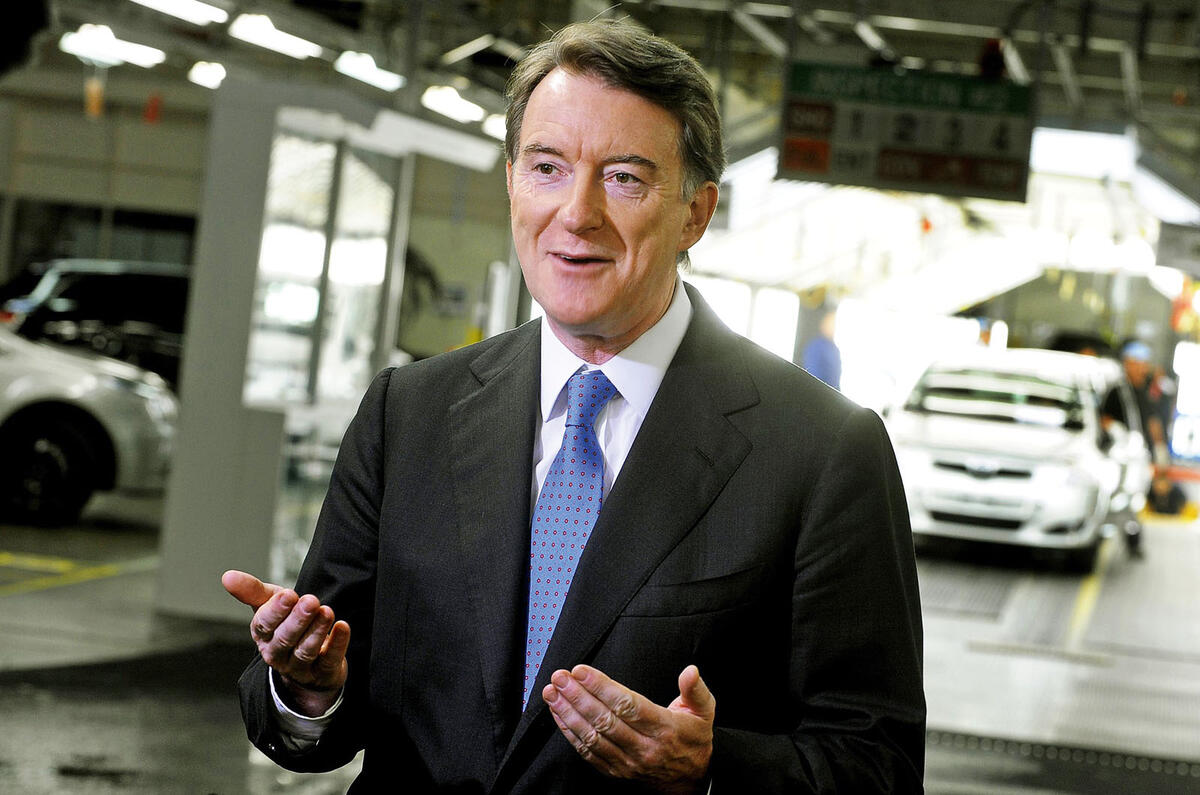
Consequently, there were meetings organised between industry CEOs, the SMMT and the government’s business secretary, Peter Mandelson. The industry pointed to the successful scrappage scheme in Germany and put a case for how it could work here in the UK.