







Setting out to design something that will become ‘iconic’ is an extremely risky proposition. The status of ‘icon’ used to take decades to earn or was instantly applied to a new product that had received near-universal acclaim.
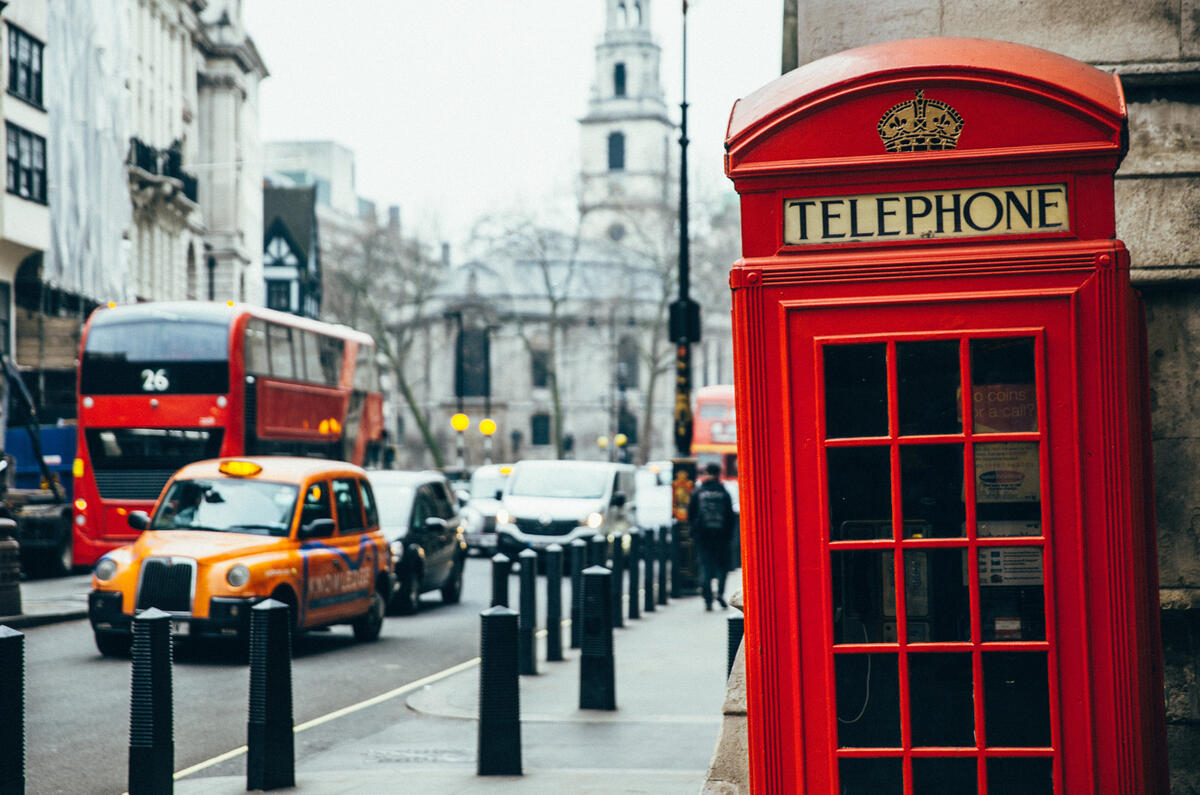
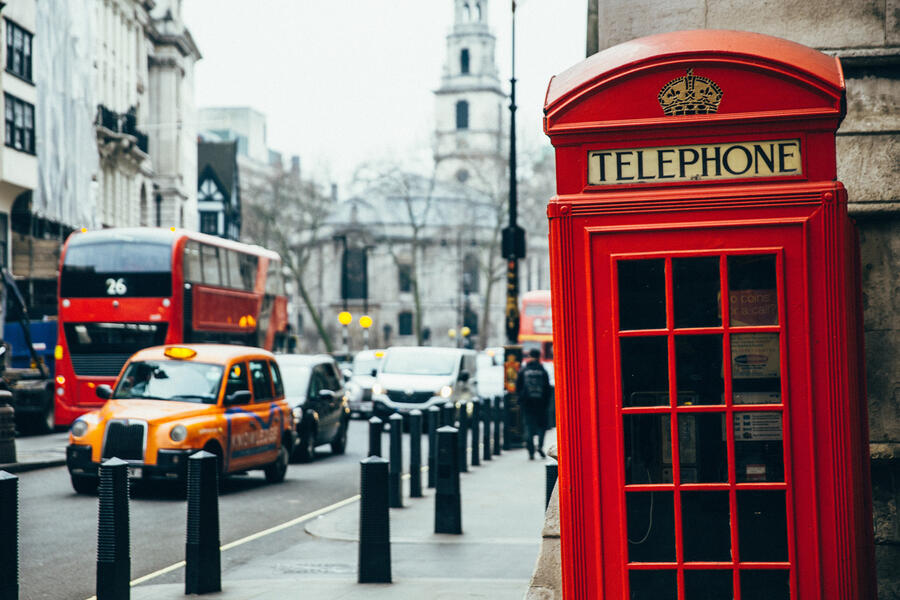
For the latter, think of the Audi TT, the original Mini or the iPhone. For the former, think of the Big Ben clock tower or the classic red telephone box.
Indeed, the development of this telephone box was a hard-fought battle after London’s boroughs had refused to accommodate the Post Office’s concrete art deco K1 design. The 1924 competition to design a more acceptable box included the Royal Fine Art Commission, the Royal Academy and the Royal Institute of British Architects.
The final design was executed by architect Sir George Gilbert Scott. He suggested making the box out of steel and painting it silver. It went into production made of cast iron and painted red.
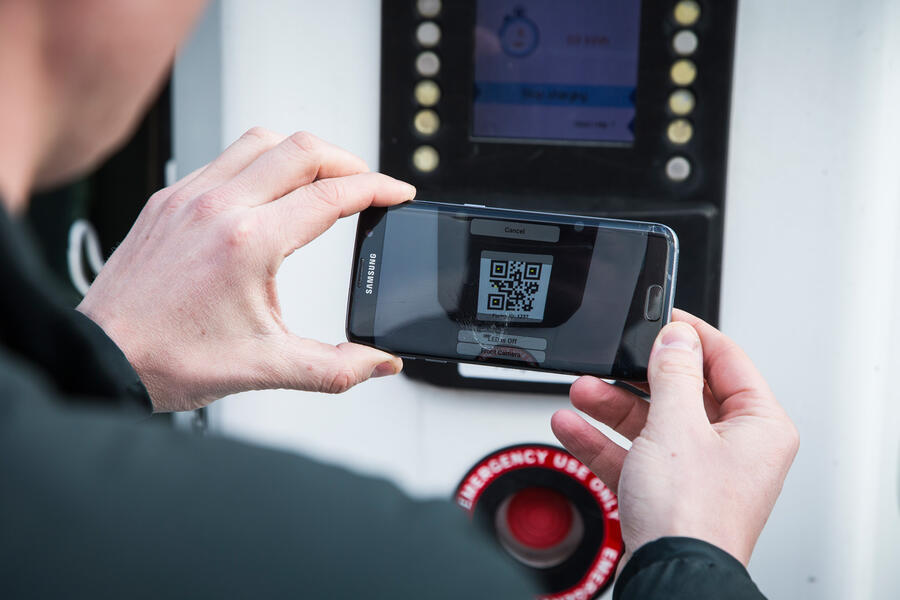
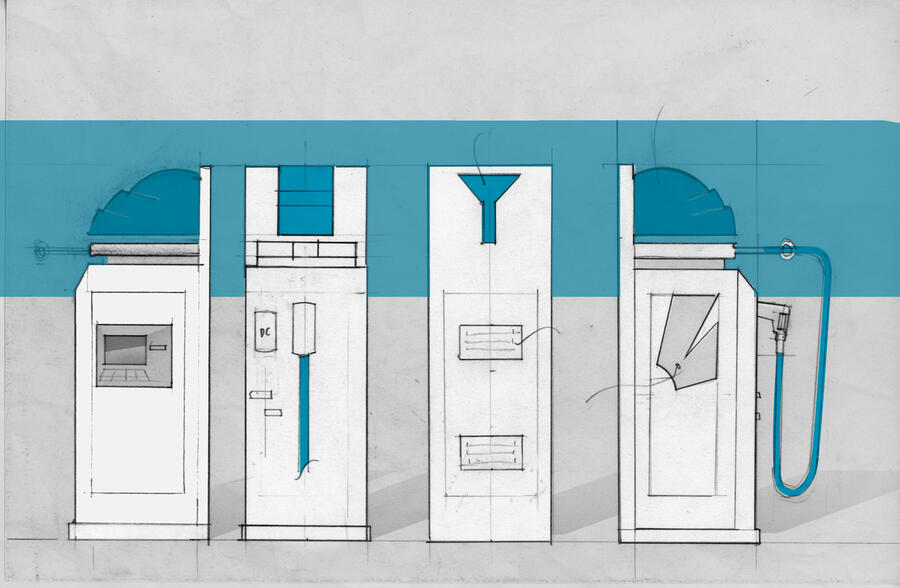
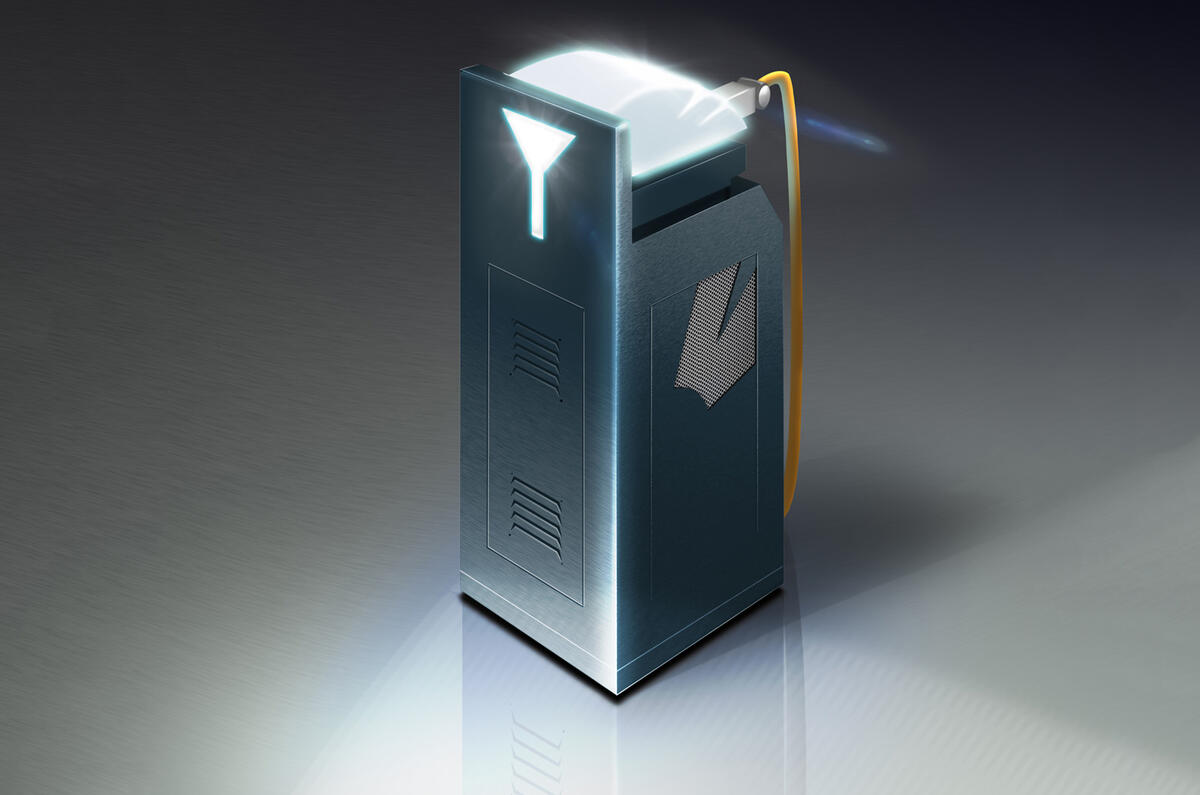
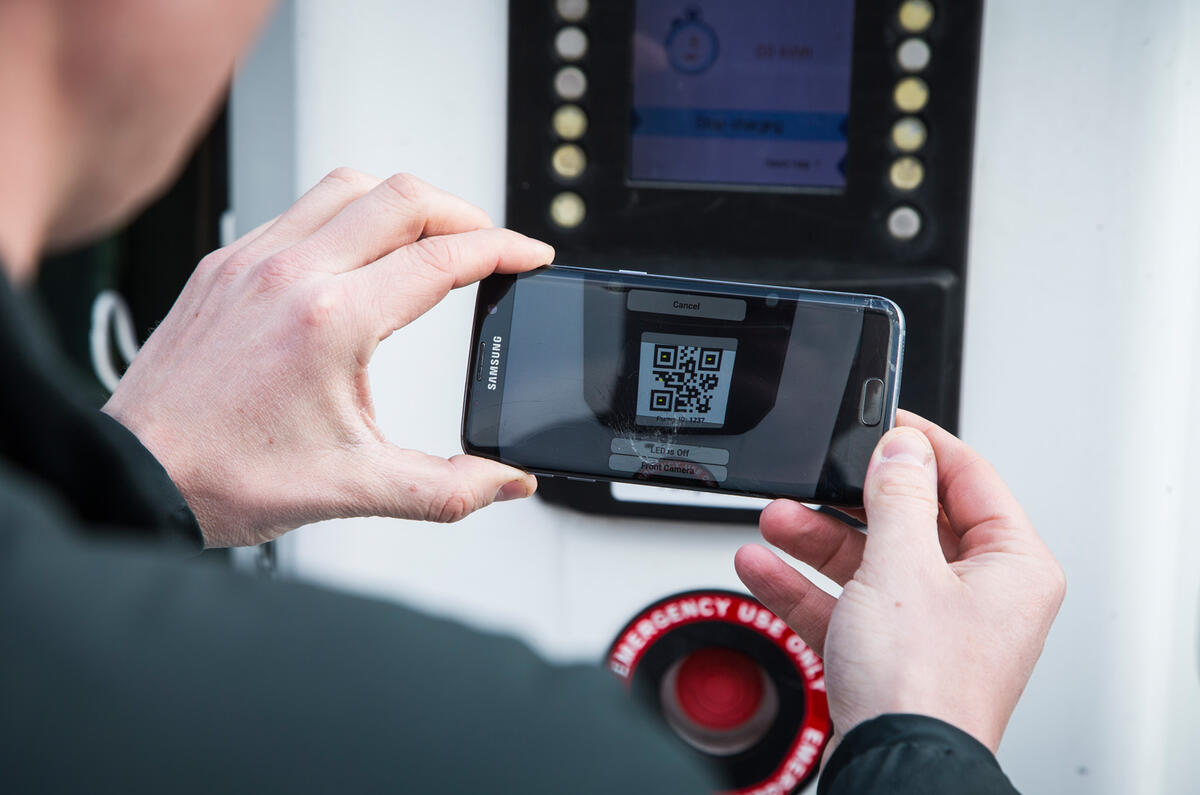
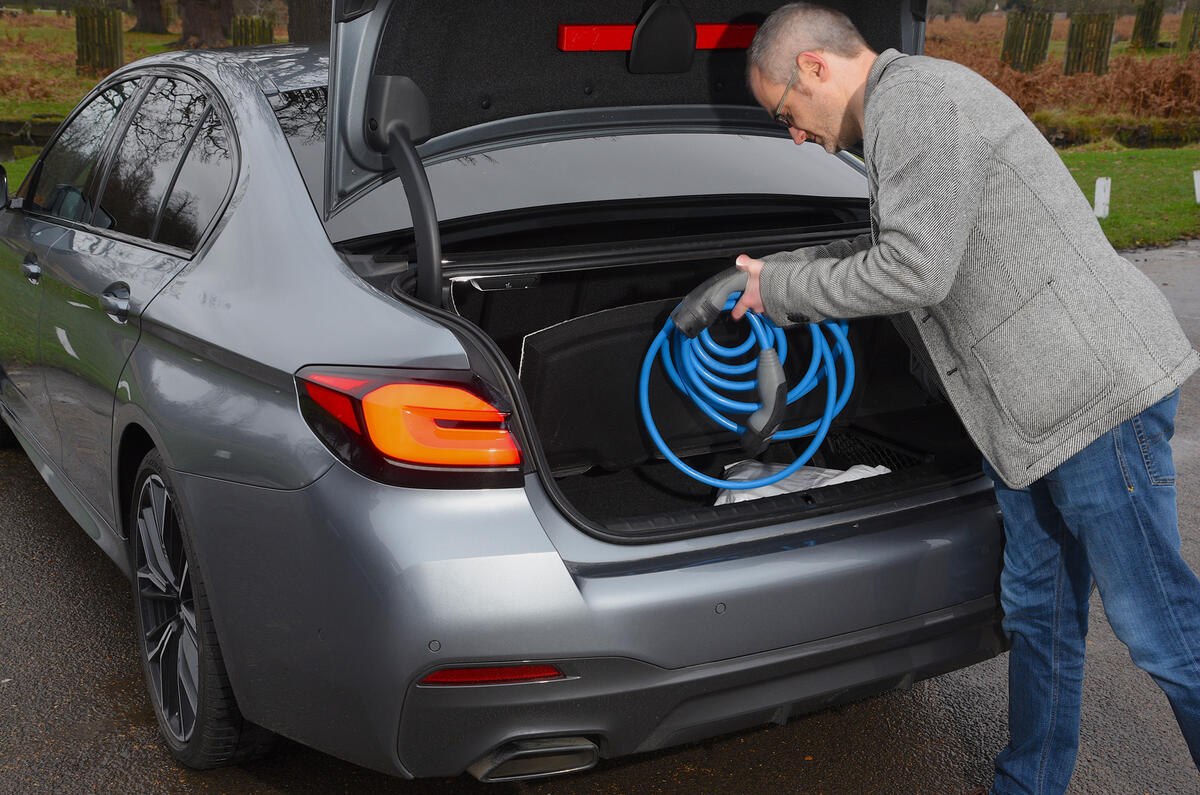
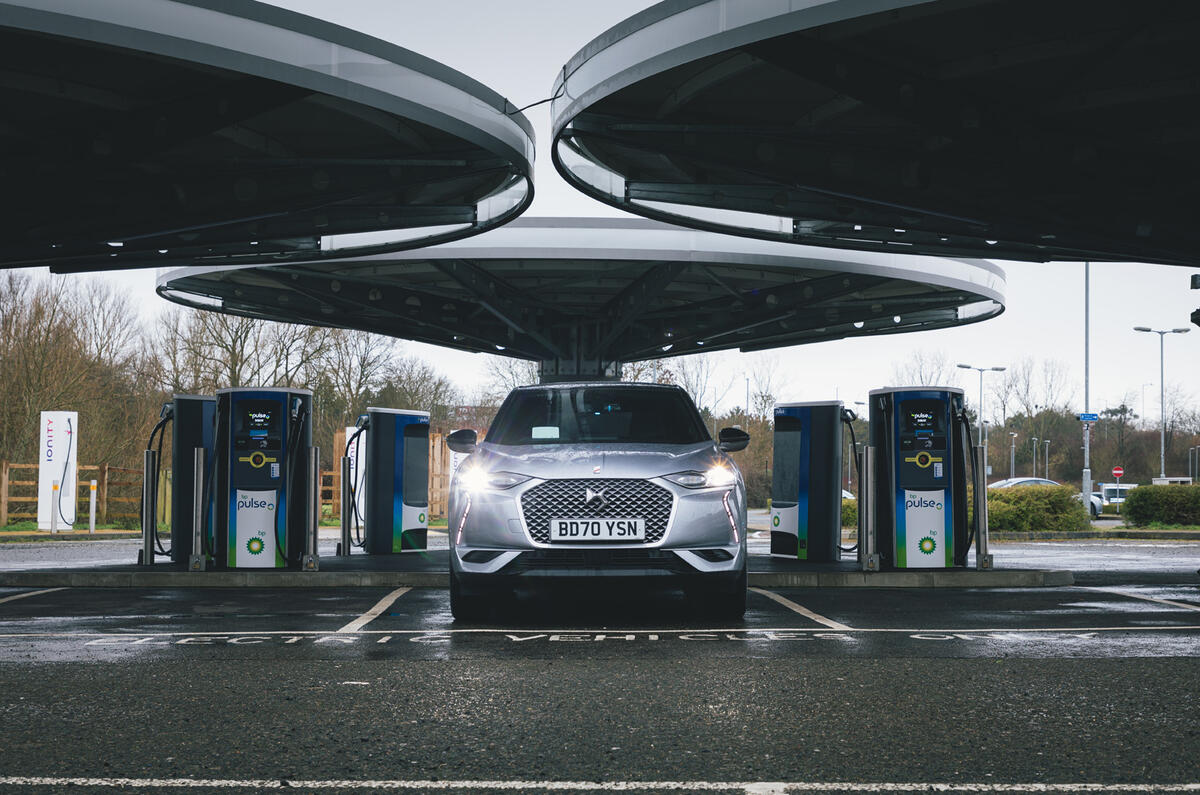
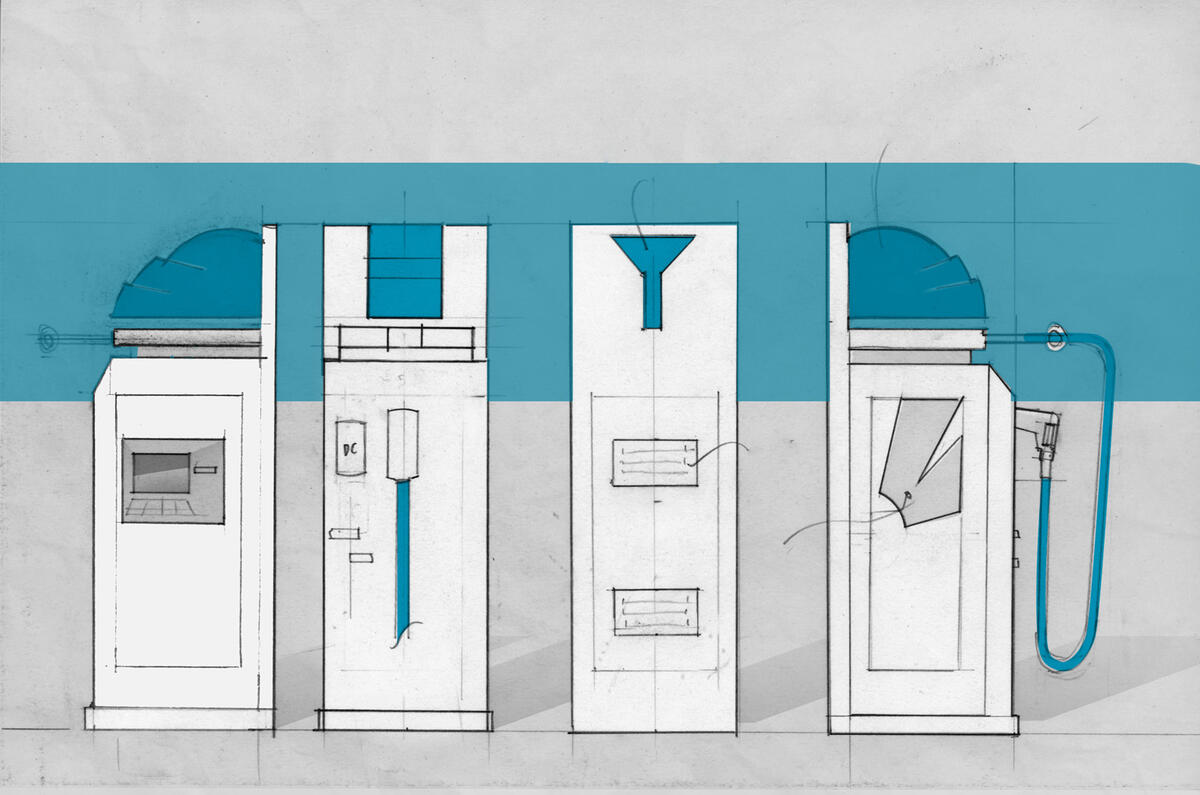
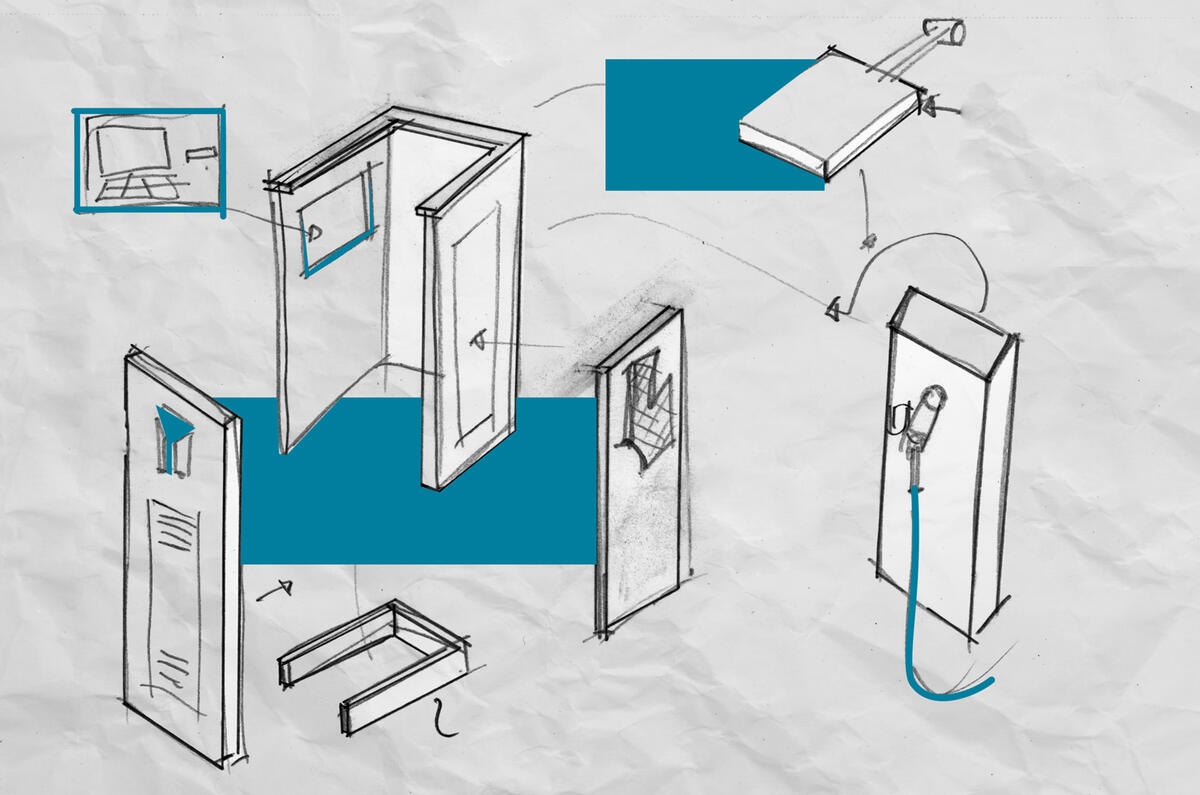
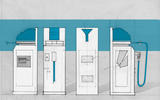
You can’t really write a design brief demanding an ‘iconic’ outcome – but that’s what the UK government has set out to do with the roadside EV charger. “Electric vehicle charge points set to become next great British emblem. Iconic British electric vehicle charge point could be seen on streets across the country from 2022,” declared the press release. “Electric vehicle charge points across the UK could become as recognisable as the red postbox or black cab, following the appointment of the Royal College of Art and PA Consulting to deliver an iconic British charge point design, transport secretary Grant Shapps has announced.”
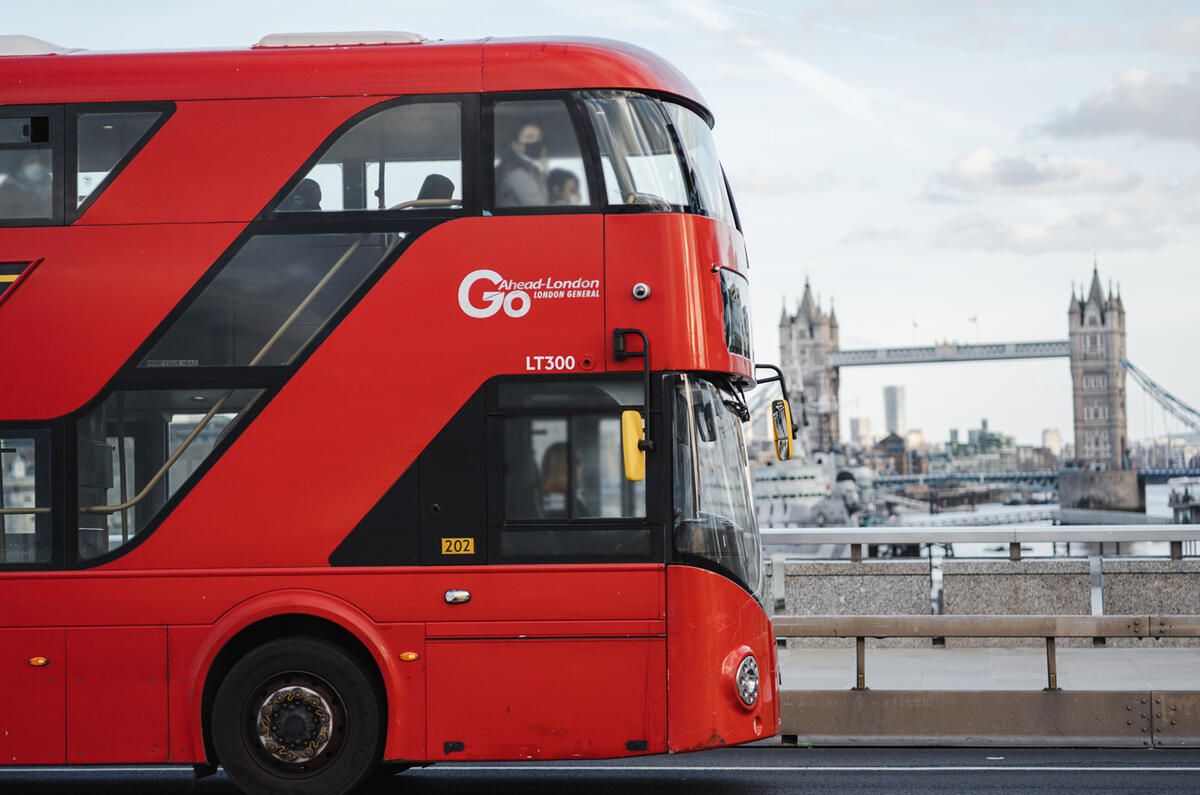
Of course, prime minister Boris Johnson has form here. During his time as London mayor, he started a competition to replace the ‘iconic’ London black cab (a competition won by Geely- owned London Taxi International, now LEVC, with its range-extender model) and, back in 2007, Autocar helped realise his dream of reinventing the ‘iconic’ Routemaster bus before he was elected mayor. I worked with Capoco, one of the world’s leading bus designers, to develop an engineering concept that revived the open rear deck (using a range-extender drivetrain was the key) and presented the idea to him in his campaign office.
He duly became mayor and held a New Bus for London contest. The Autocar and Capoco design was the joint winner, along with a styling proposal from Aston Martin and architectural firm Foster and Partners. The bus eventually entered production in 2012 and about 1000 were made by Wrightbus in Northern Ireland. Whether it becomes an icon remains to be seen.