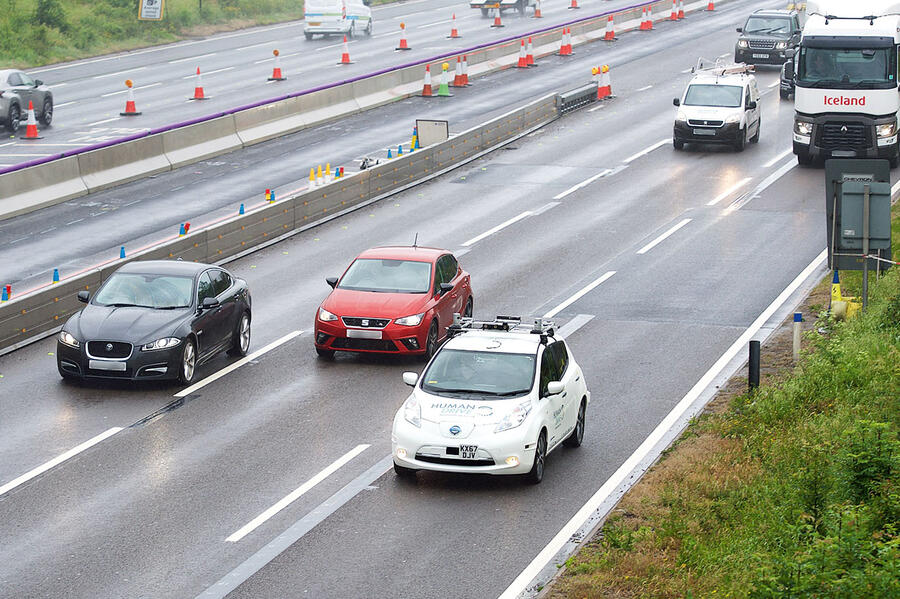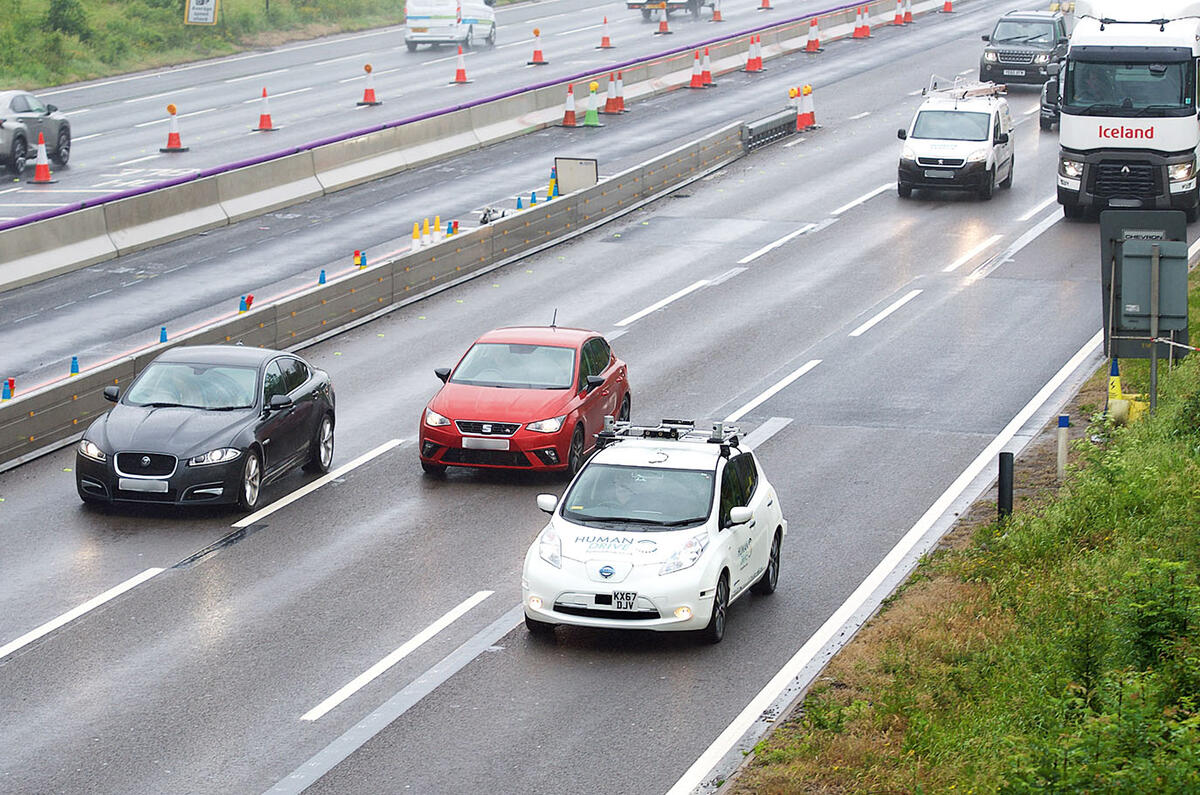
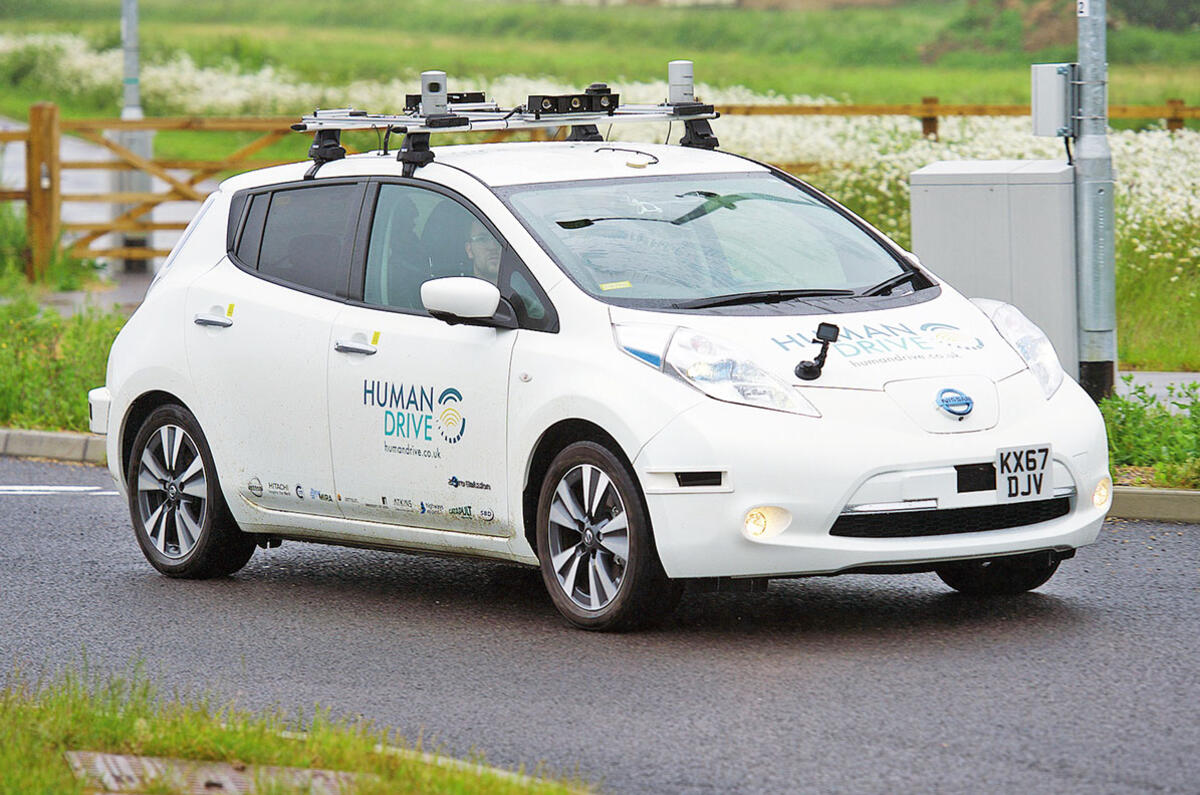
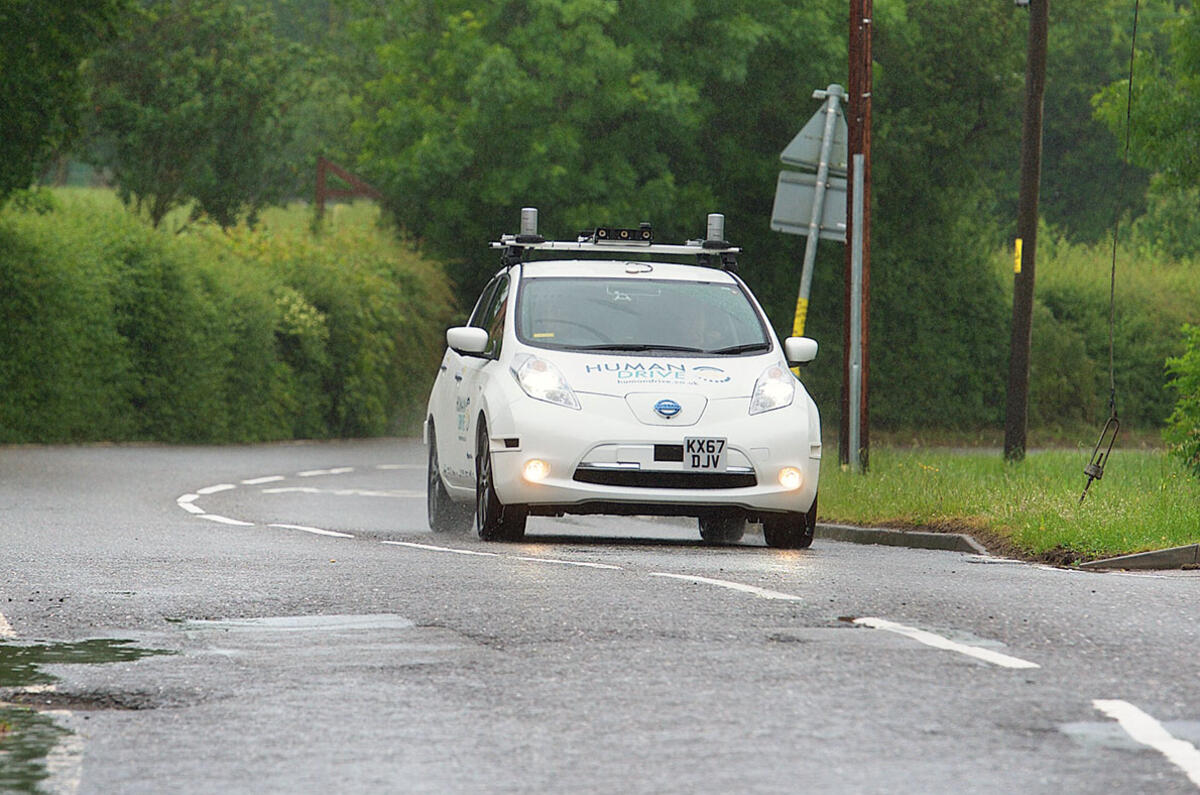
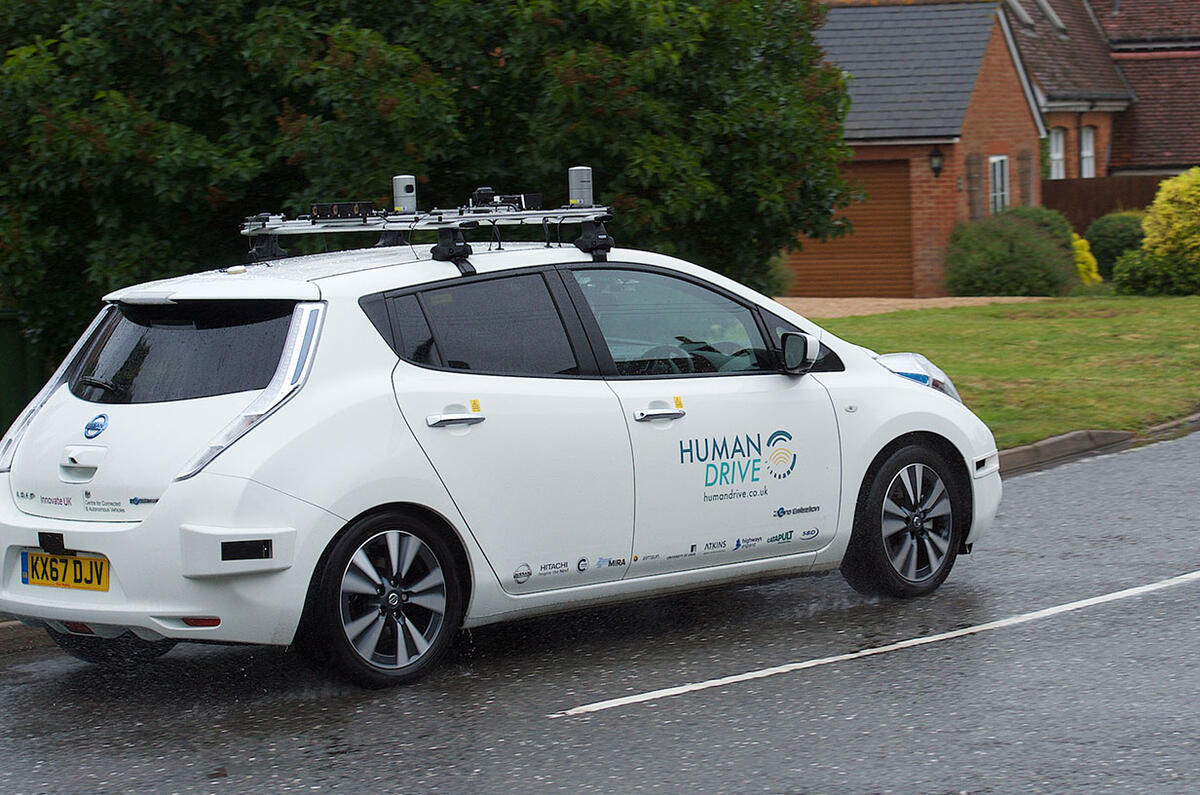

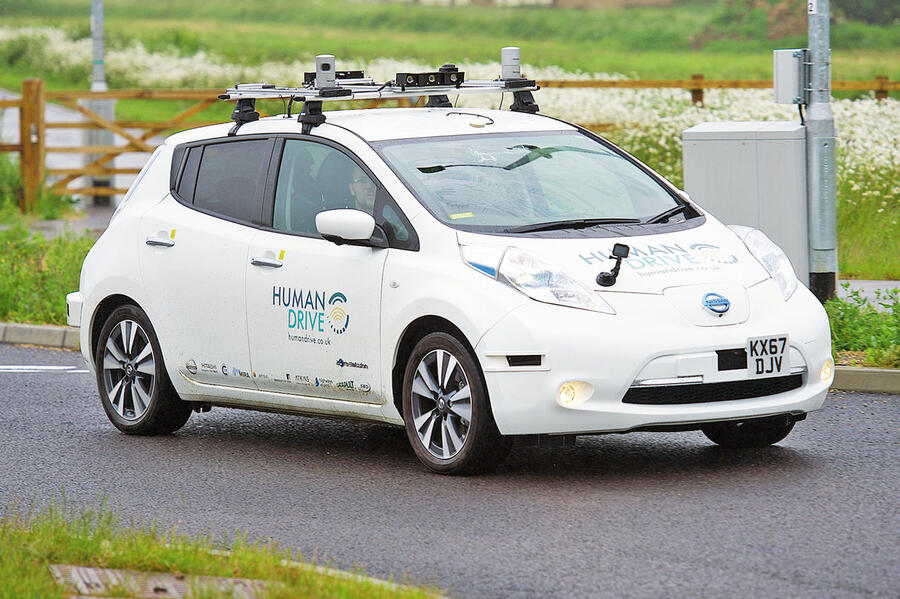
Later this year, a Nissan Leaf will travel from Cranfield University to Sunderland, a distance of 230 miles. It will navigate roundabouts, A-roads and motorways, all through live traffic. Nothing unusual about that except that the Leaf will be driving itself.
The journey, called the Grand Drive, is billed as the most complex autonomously controlled journey yet attempted in the UK. It will be the culmination of a 30-month development project that boasts heavyweight partners including Nissan and Hitachi.
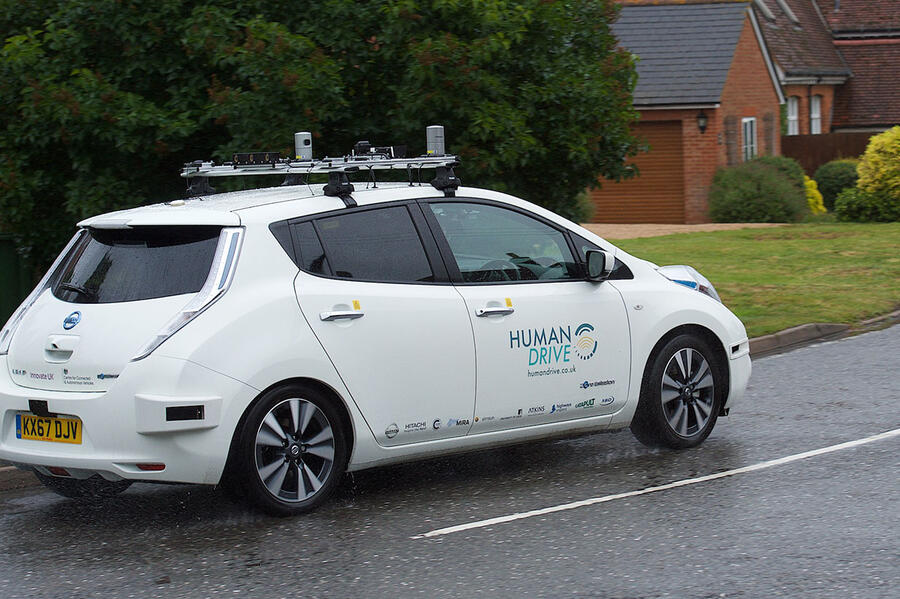
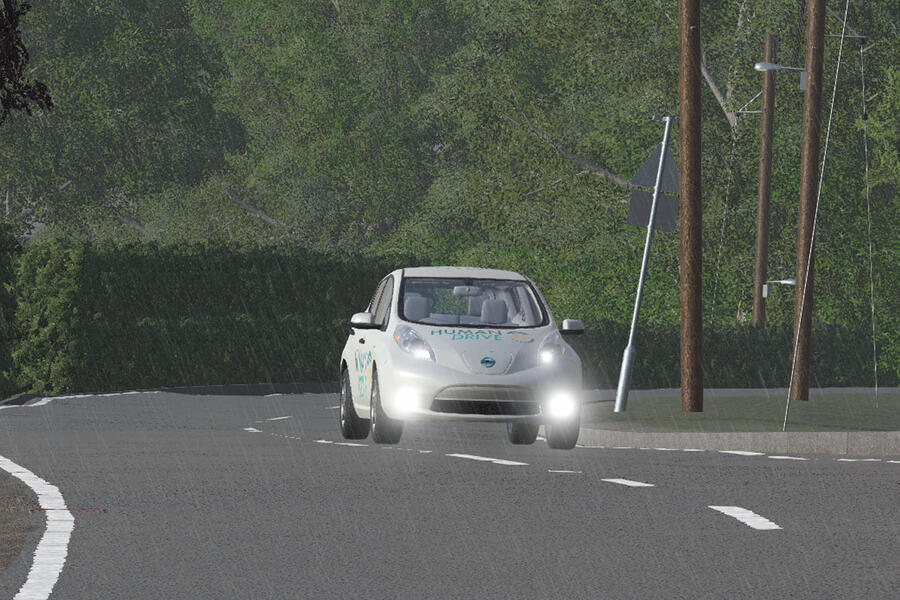
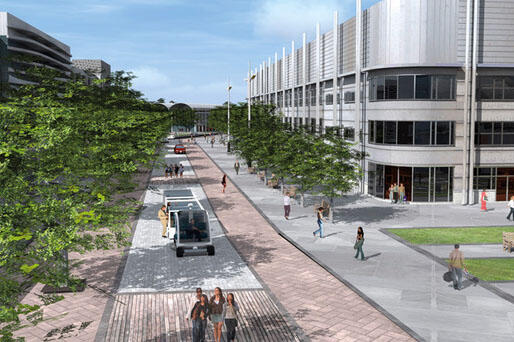
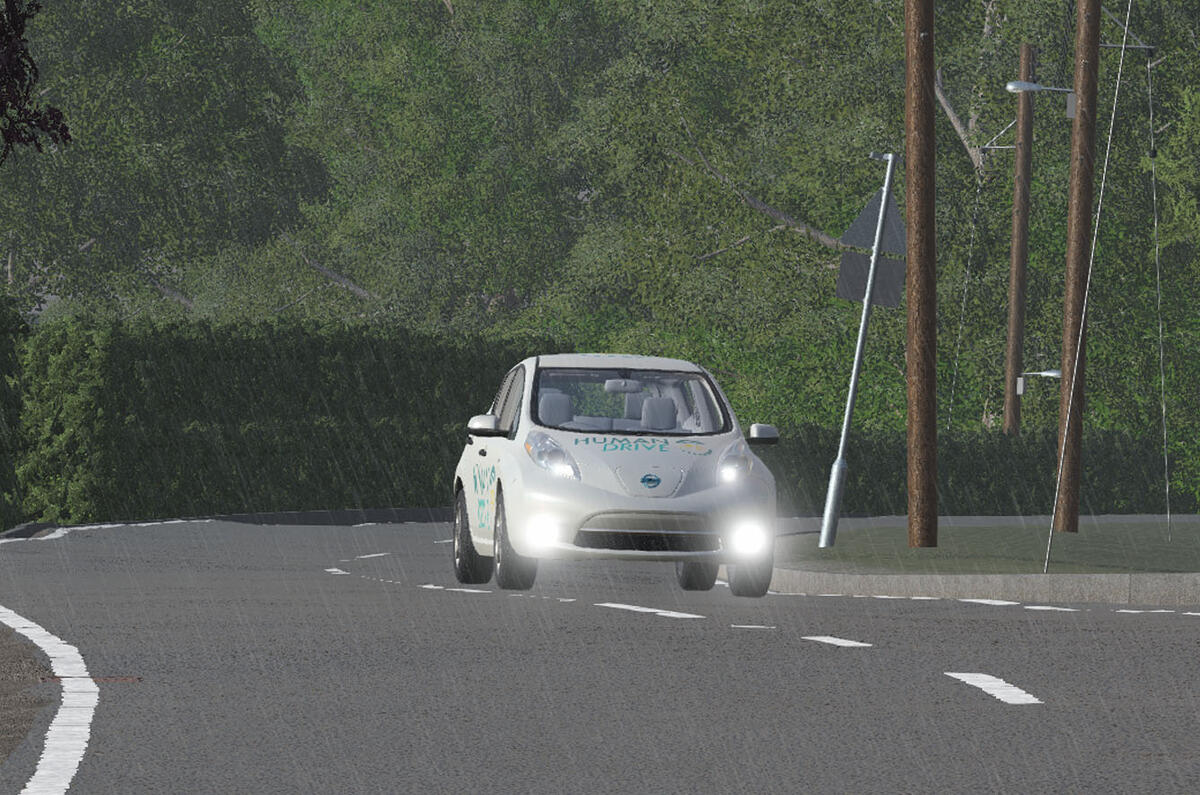
The project is called HumanDrive since one of its goals is to develop a vehicle control system that emulates a natural human driving style using machine learning and artificial intelligence. To assist engineers, a detailed visualisation of the environment the autonomous test cars have been developed in has been created. “The visualisation is rendered by a powerful games engine and derived from a detailed scan of the environment,” says Edward Mayo, programme manager at Catapult, the organisation managing HumanDrive. “We use tools that extract data from the real world; for example, the exact position of centre lines, road edges and potholes, as well as the precise angles of road signs.”
As the autonomous car, with a safety driver on board, is driven through the real test environment, it generates a stack of performance data. This is used to recreate its trajectory and behaviour in the digital visualisation.
A car driven by a human then repeats the journey. The resulting data allows development engineers to visualise and compare the performance of the two cars.
“We’ve found that one of the key challenges with an autonomous car is encountering cyclists and safely overtaking them,” says Mayo.