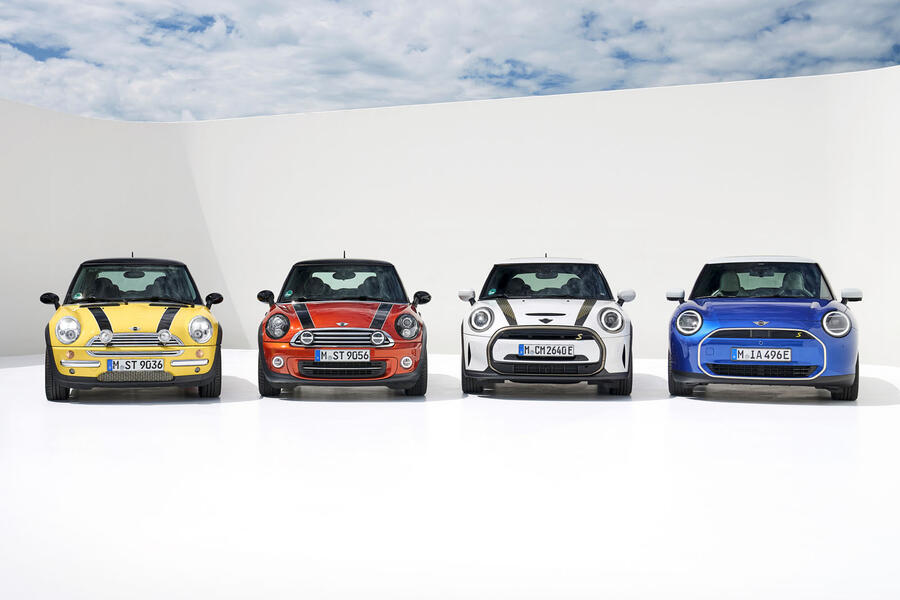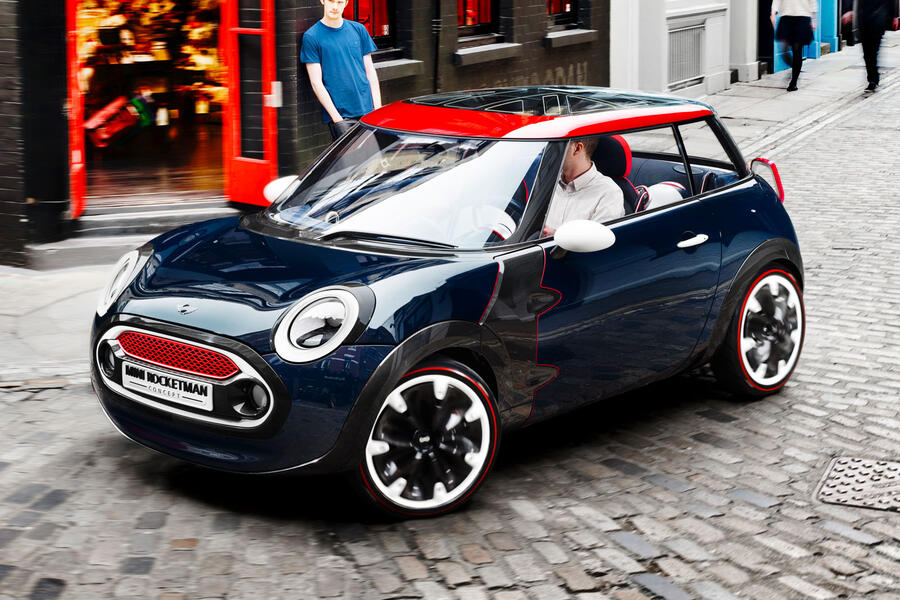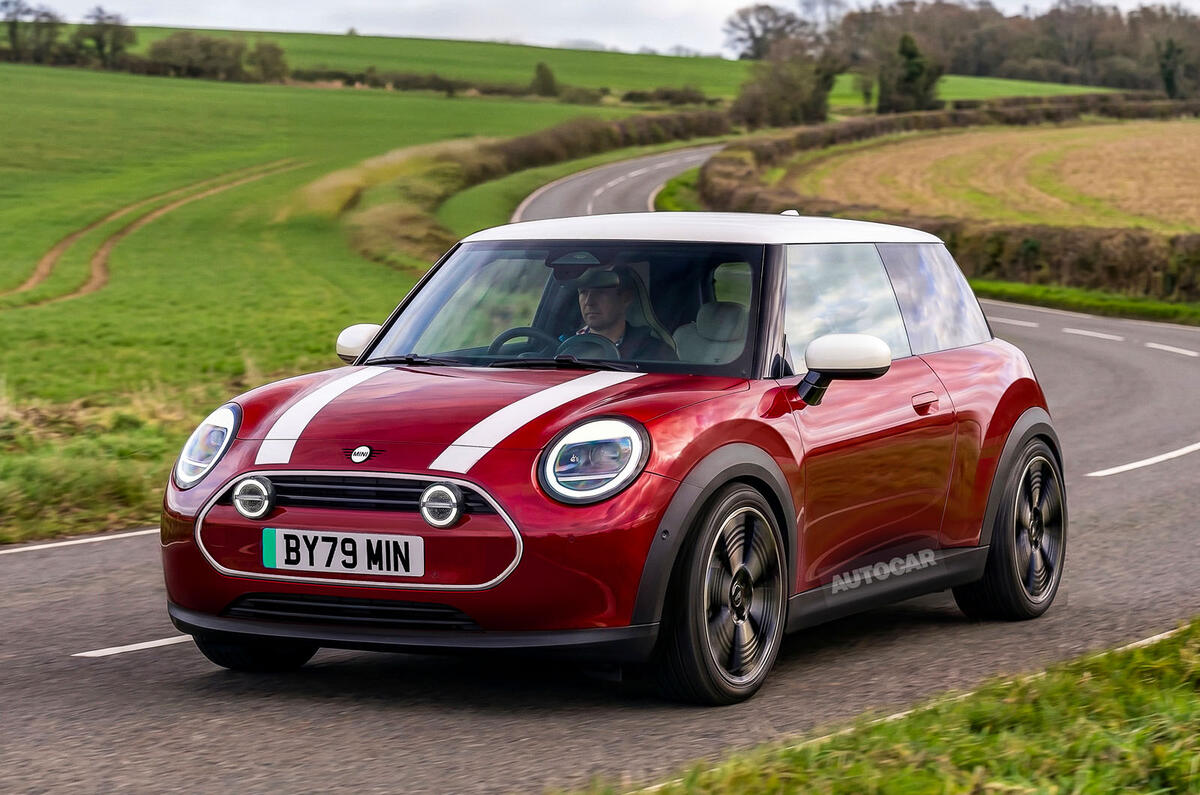

Mini has started work on the next-generation Cooper, which is due in the coming years bearing the most significant transformation since BMW took charge of the marque three decades ago: a shift from front- to rear-wheel drive.
Bosses promise, however, that the new car will remain rigidly true to the brand's roots.
The current hatchback arrived in 2024 with the choice of both petrol and electric power - the latter then one of the few small EVs on sale. Its only true rival was the Fiat 500e, but it was also priced to compete with larger alternatives such as the Peugeot e-208 and Cupra Born.
A whole swathe of electric superminis have arrived since, however, with many - such as the Renault 5 and Fiat Grande Panda - offering comparable style, dynamics and kit plus more range for similar money.
Mini has responded with price cuts, and a facelift is due in the next couple of years to freshen up the Cooper - but the pressure is piling on as a wave of new entrants muscle in on the small EV segment, with models including the Volkswagen ID Polo, Cupra Raval and Kia EV2.
Combined with the might of Chinese newcomers such as BYD and Geely, that competition has forced the most radical rethink of Mini's trademark model in generations.
"We have started to work on the next generation of Mini, and what follows now is a look at the entire portfolio," new design chief Holger Hampf confirmed to Autocar, explaining that he will use a wave of facelifts and new derivatives in the meantime to set the tone for the British brand's future.
Technical reinvention
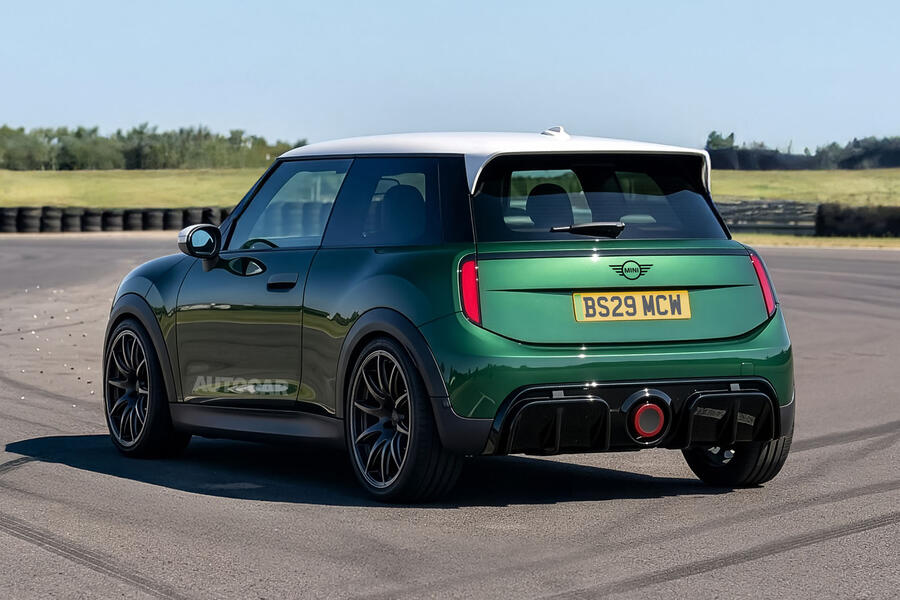
Every iteration of the Mini to date has been front-driven, with agility and smart interior packaging key to the car's identity over the past seven decades, but now that's set to change.
The current Cooper Electric is built by Mini joint-venture partner Great Wall Motor in China, on a bespoke front-driven platform that it shares with the Aceman crossover.
For the next generation, the hatchback is being lined up for a move onto parent company BMW's new, natively rear-driven Gen6 platform, which underpins the firm's new Neue Klasse electric cars - beginning with the iX3 SUV and i3 saloon.
The Gen6 doesn't currently accommodate front-driven cars. The rear motors used in the iX3 and the forthcoming i3 saloon have gearboxes, but the smaller drive units mounted on the front axles of those cars' four-wheel-drive variants don't.
BMW Group engineers told Autocar at the launch of the Gen6 that the firm had no plans to develop a viable front drive unit and that could force the Mini to make the landmark shift.
As previously reported by Autocar, the BMW 1 Series hatchback - which currently shares the petrol Mini's UKL platform - is set to return to rear-wheel drive as it gains an electric option on the new platform, and BMW's development boss Joachim Post has previously told Autocar the Mini could follow suit.
"We will see what the future is," he said, when asked about scope for a rear-drive next-generation Cooper. He suggested the company would choose "the optimum for the package" and said "sheer driving pleasure" is the priority for future models.