Currently reading: Number plate "wild west" in UK as 750k cars 'disappear' every year

Tighter controls are hoped to reduce criminal activity behind cars behind 'lost' every year

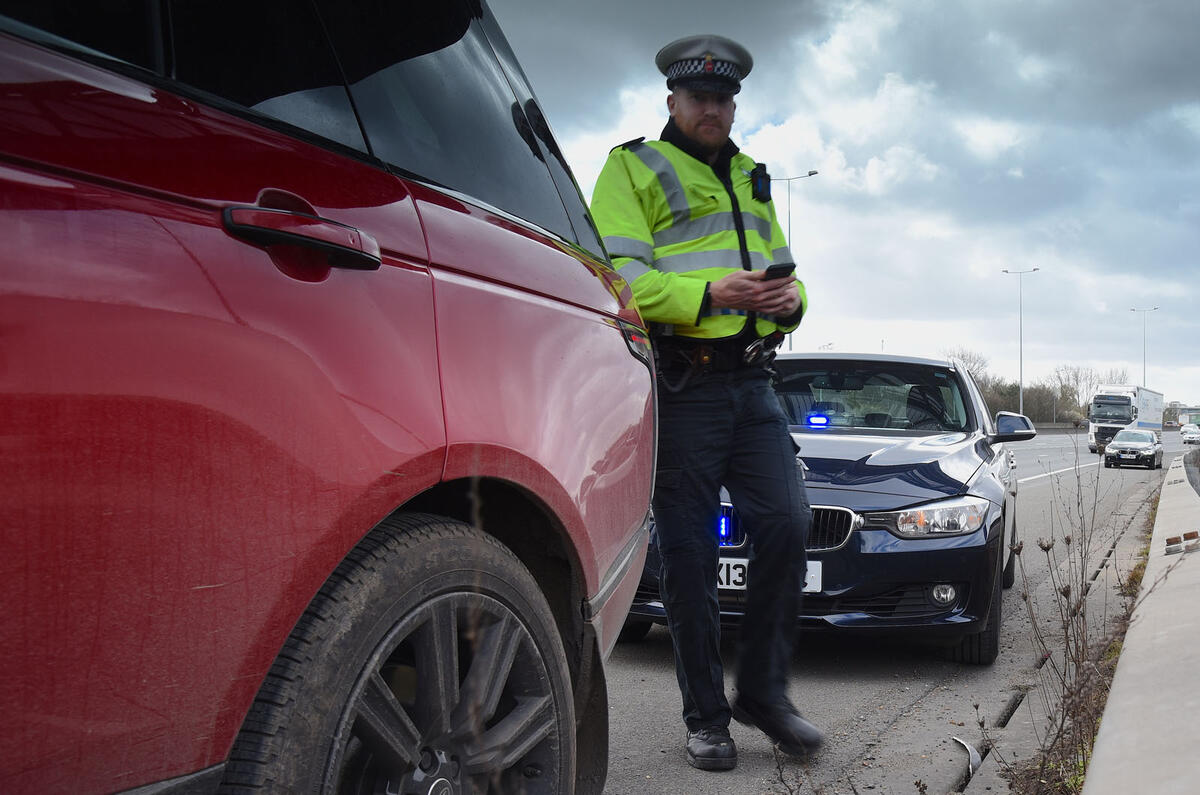
Three-quarters of a million vehicles are 'disappearing' from Britain's roads every year, being stolen for scrap and illegal export or transferred onto false numberplates.

Andy Latham, chair of the Vehicle Recyclers Association, told Autocar that large numbers of cars effectively vanish once they move through certain areas of the motor trade.

"We recently completed a Freedom of Information request to the DVLA which found that between 650,000 and 841,000 vehicles are potentially unaccounted for each year," he said.

Latham claimed that while some vehicles are being legally registered as off the road, a large number are thought to be stolen and then illegally scrapped or exported without documentation.

"A lack of visibility and enforcement in this area makes it easier for criminals to illegally dismantle vehicles and ship components and tyres abroad in containers," he said. "Equally, we see parts from unlicensed vehicle dismantlers being sold on online marketplaces."

Latham believes the trade has been exacerbated by unlicensed dismantlers, which he estimates to number more than 1000. He said: "They make UK roads less safe and push insurance premiums up for everyone."

As Latham highlighted, a vehicle must not be exported without the DVLA being notified and end-of-life vehicles must be issued with a Certificate of Destruction or Notification of Destruction by an authorised treatment facility.

Meanwhile, cloned and ghost (made-up) numberplates are being deployed by criminals to shield the identity of stolen vehicles and to cheat the UK's network of automatic numberplate recognition (ANPR) cameras.

Of the 100 million numberplates that ANPR cameras read daily, "1% to 2% produce unreadable or incomplete reads", said Matt Willmot, head of Operation Topaz, a joint initiative between the National Police Chiefs' Council, the Department for Transport (DfT) and the Home Office, and "a proportion of those are a deliberate attempt to conceal the identity of the vehicle".

The Motor Insurers' Bureau (MIB) said cloned and ghost plates are linked to offences including "rogue trading, drug dealing and organised crime" while also allowing drivers to avoid paying congestion charges, fines and insurance checks.

Martin Saunders, the MIB's head of uninsured driving prevention, said: "Numberplates are, simply put, the window to vehicle identification. The increasing damage done by drivers of vehicles hiding in plain sight on our road system should not be tolerated."

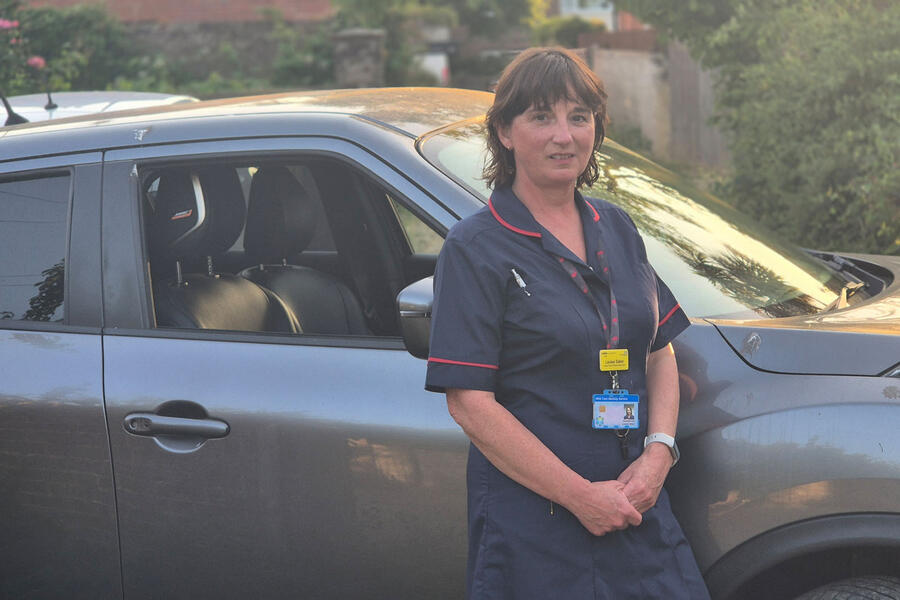
One driver affected by the problem is Louise Fletcher, a heart failure nurse from Worthing, West Sussex (pictured below).
Back to top

She bought a Nissan Juke from a dealership in East Grinstead in September but shortly afterwards began receiving parking fines and penalty notices for offences committed in London, despite living nearly 100 miles away.

One notice alleged that her car had been driven the wrong way down a one-way street at around 10pm, while another claim was linked to an alleged hit and run.

It's suspected that its numberplates may have been copied from photographs used in the dealership's online advert.

"It has caused a huge amount of stress," said Fletcher.

Authorities criticised

Cases like Fletcher's have raised more concerns about how the DVLA regulates numberplate suppliers.

Labour MP Sarah Coombes has argued that weak DVLA oversight has allowed the UK's numberplate market to become a "Wild West".

She said: "The system set up by the DVLA is completely out of control. Right now there are more than 34,000 numberplate suppliers, despite the system originally being designed for a few thousand. That's far too many for the DVLA to properly regulate and enforce."

The issue has also highlighted gaps in the DVLA's records.

A Freedom of Information request by the British Parking Association (BPA) found that 18,260 vehicles were registered to the DVLA's own office in Swansea rather than a named keeper.

The DVLA said that 7% of vehicles have no keeper, the majority of those being in the motor trade but Coombes believes the figure is likely to be far higher.

She said: "Last summer, I was out with the roads policing team in my constituency in West Bromwich and the ANPR monitor in the police car kept dinging every 30 seconds. I asked the officer 'what is setting off the ANPR?' and the officer said 'those are cars with no registered keeper.'"

Latham believes there should be a way of changing the registered keeper when a vehicle enters the motor trade without adding to the number of previous keepers recorded on the vehicle's logbook.

Back to top

Another suggestion, from BPA president Mike Marrs, is that companies producing numberplates should be monitored far more closely.

"[Authorities] should be auditing the organisations producing numberplates every year," he said.

The DfT rejected suggestions that the government is failing to act, saying it's already working with the DVLA, police and industry "to review the international standard for numberplates".

A DfT spokesperson said: "Our Road Safety Strategy takes direct action to crack down on illegal plates that help criminals evade detection."

The DfT added that it's considering tougher penalties for use of illegal numberplates, updated numberplate standards and the use of artificial intelligence to help identify non-compliant vehicles.

Join our WhatsApp community and be the first to read about the latest news and reviews wowing the car world. Our community is the best, easiest and most direct place to tap into the minds of Autocar, and if you join you’ll also be treated to unique WhatsApp content. You can leave at any time after joining - check our full privacy policy here.