



Whatever happened to liquefied petroleum gas (LPG)?
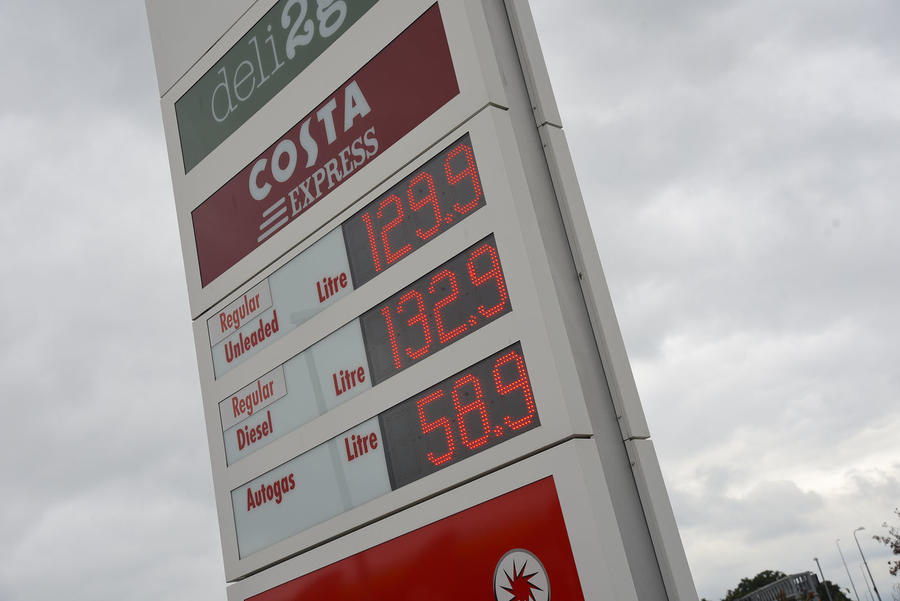
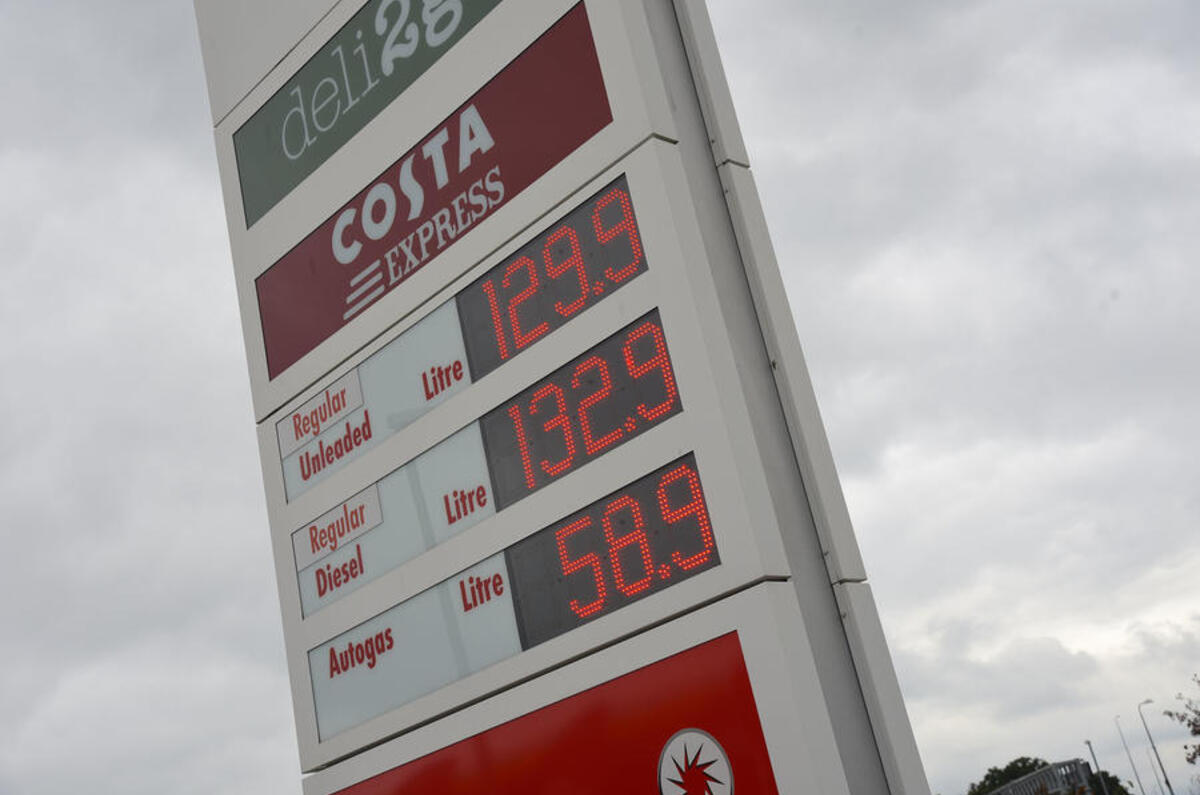
In the post-Dieselgate era, when many cities are pondering banning diesel-engined vehicles and air quality is becoming a top-line political issue, surely a low-CO2 fuel that is inexpensive and extremely low in tailpipe pollution should be enjoying a revival?
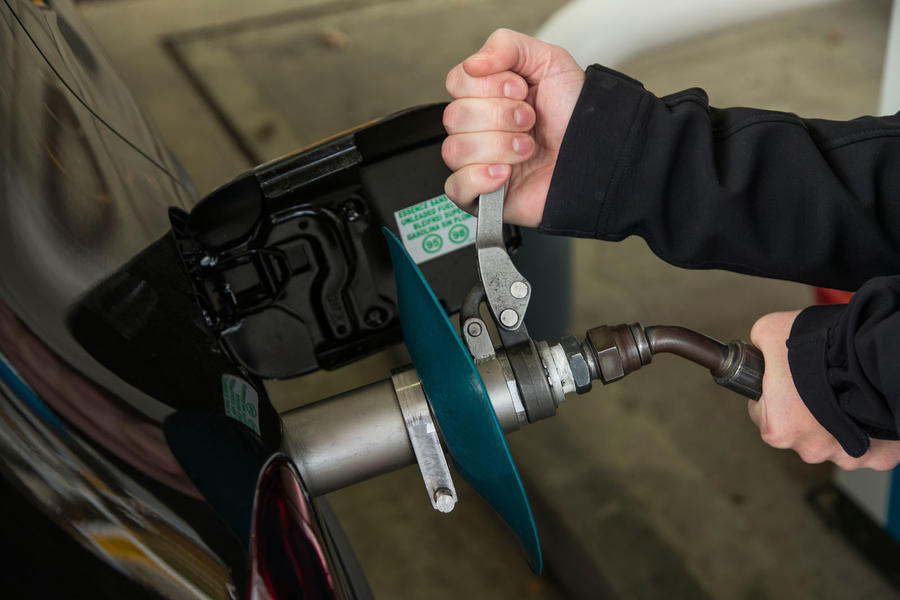
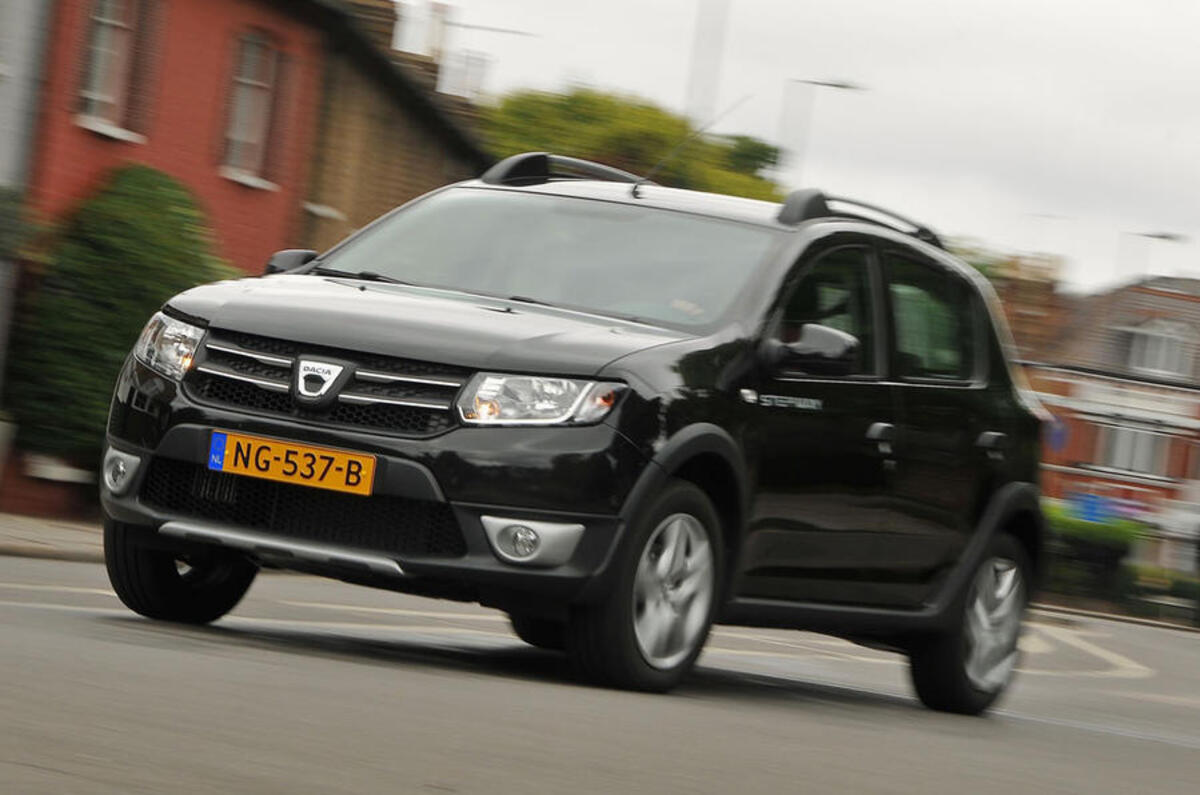
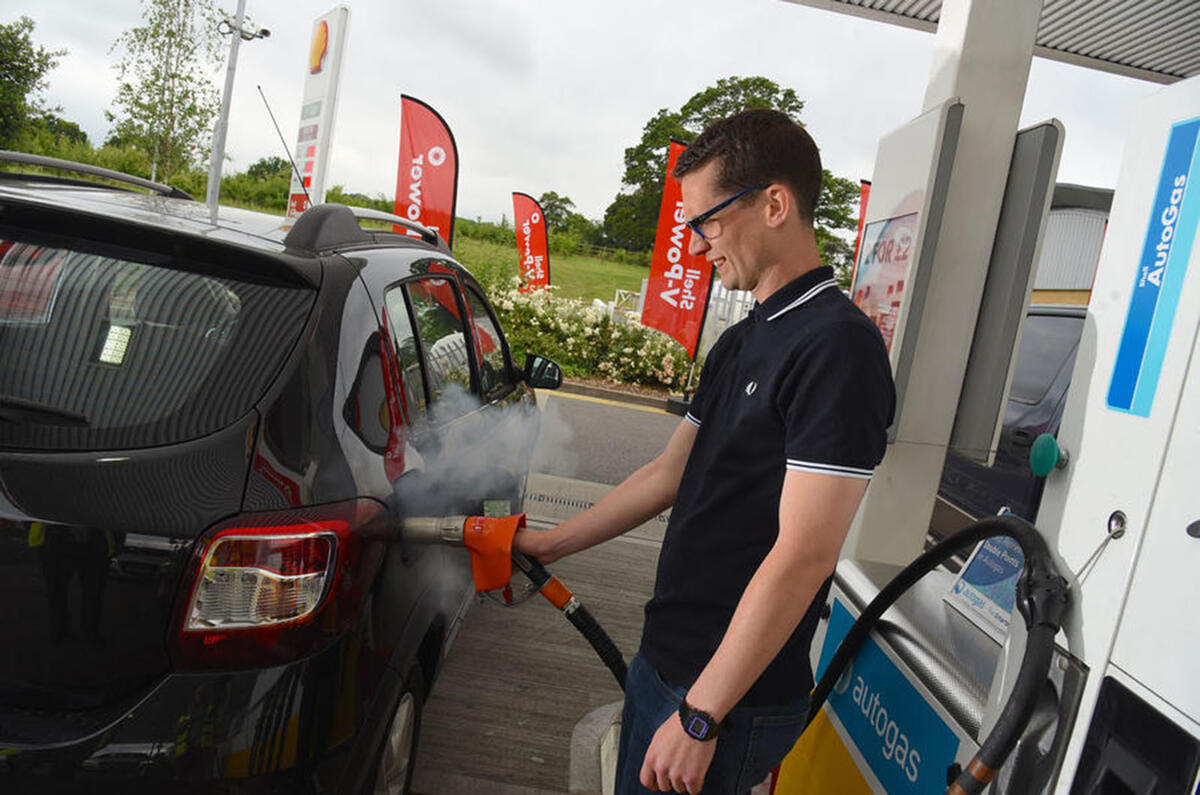
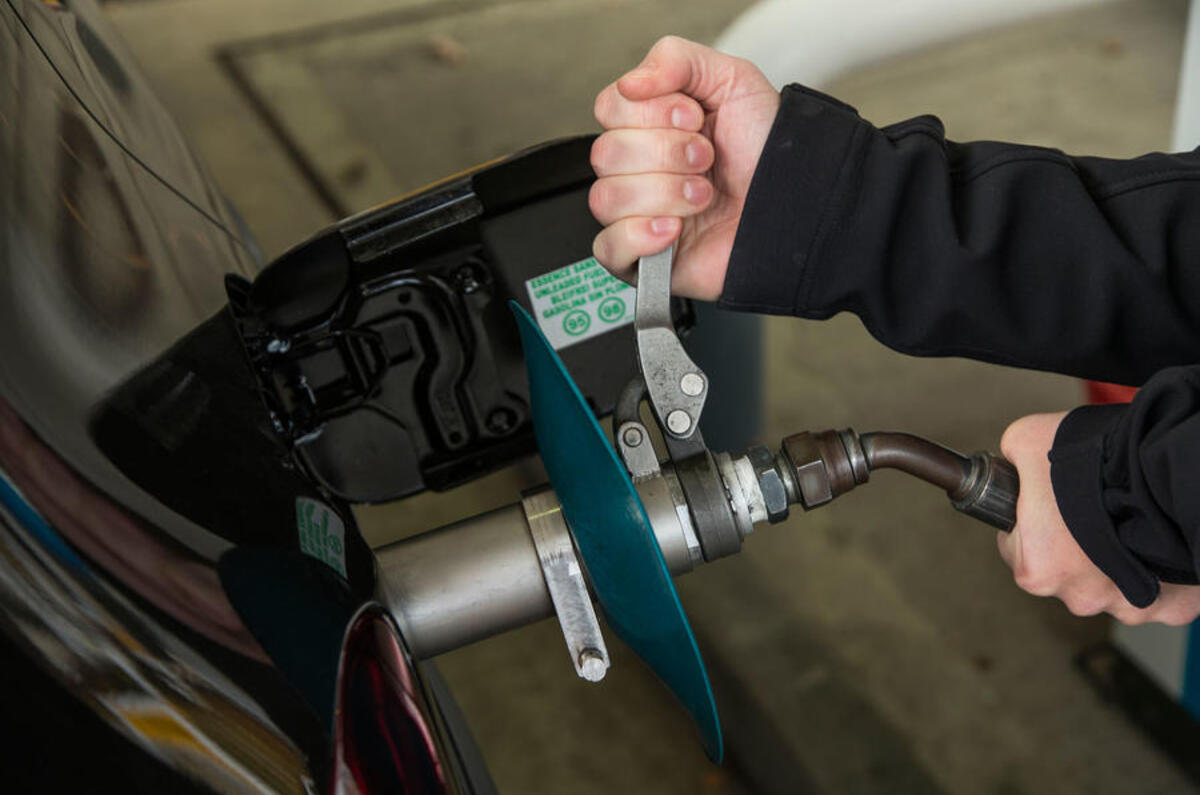
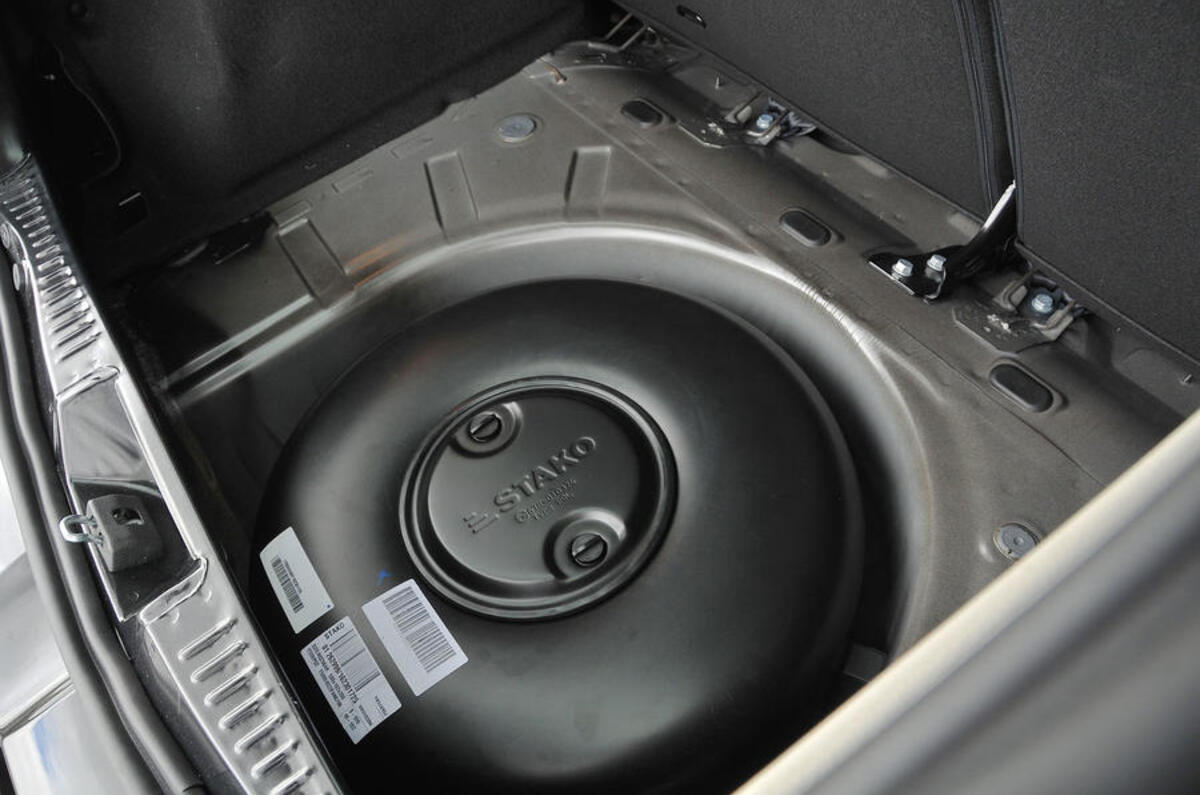
Yet that’s not proving to be the case for a fuel that, despite many advantages, has long been an oddball choice and failed to gain traction in the UK. With this in mind, Autocar recently ran a ‘bi-fuel’, left-hand-drive Dacia Sandero Stepway equipped with a factory-fitted LPG system to see if it was feasible to live with here.
LPG specialists say the UK market has never recovered from a government’s U-turn in the early 2000s, which, after initially supporting a push towards the adoption of LPG as a mainstream fuel, effectively pulled the rug from under it. However, the most recent UK government budget in November last year announced the removal of the fuel duty escalator for LPG-fuelled cars, one positive sign for the fuel.
Across Europe today, LPG is still a minority fuel. It’s most popular in Poland, followed by Italy, where some 5% of the country’s cars and trucks are powered by LPG, which equates to around 2.2 million vehicles in all.
Air quality concerns have encouraged regional governments to incentivise the use of cars converted to run on LPG in Italy and Spain, which has had a notable growth in the adoption of the fuel.
According to Holly Jago of Autogas, a joint-venture LPG supply company owned by Shell and Calor, around 120,000 vehicles are converted to run on LPG in the UK, and about 4000 are converted each year, but that amounts to just 0.2% of road fuel use.
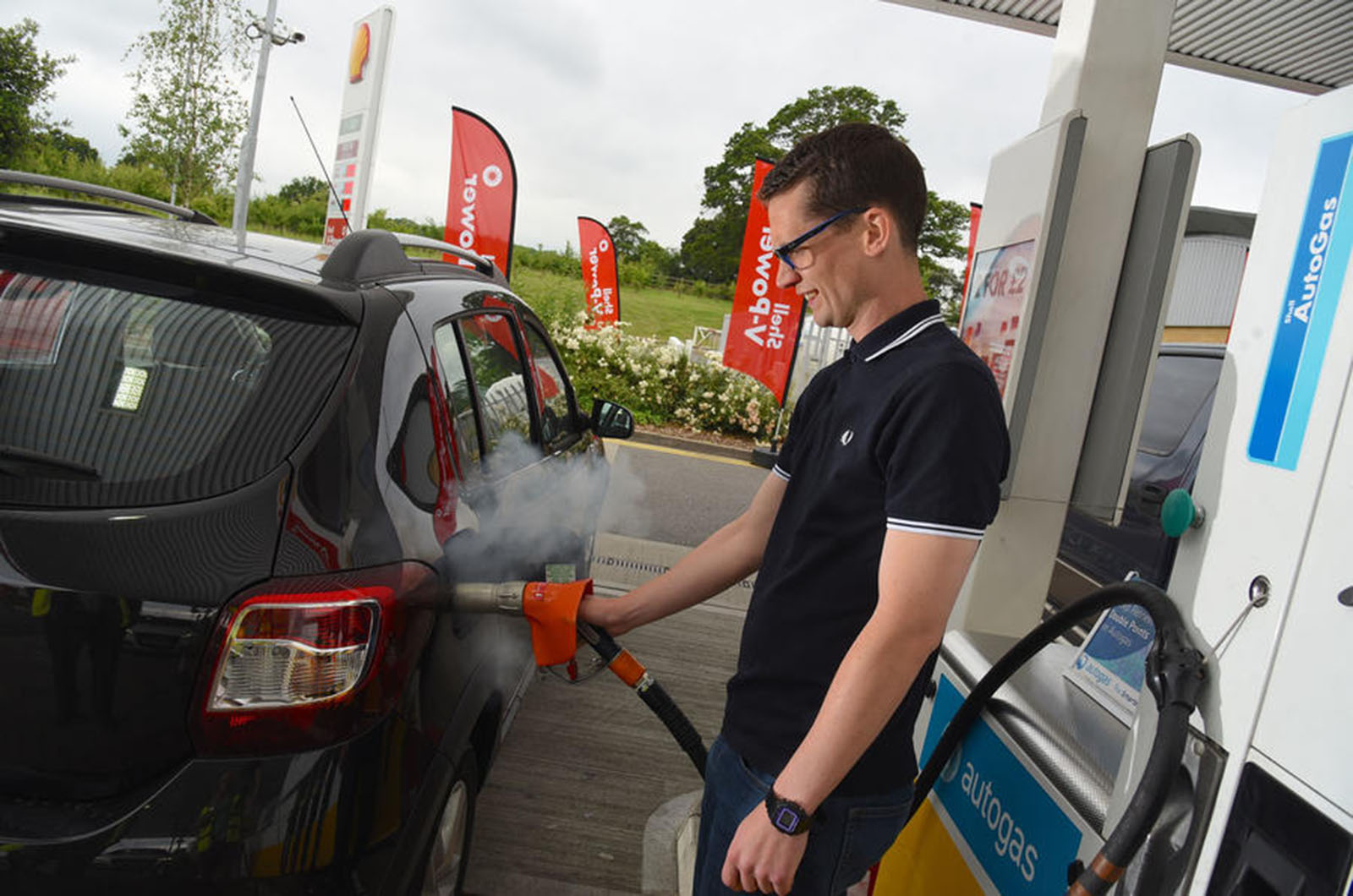
As Jago points out, the new emphasis on air quality should make LPG relevant again. She cites “independent tests” of a LTC TX4 London cab converted to use LPG in which tailpipe pollution was slashed, with particulates down by 99% and NOx down by 88%.
The UK is way behind the global curve for moving urban mass transit to cheap and effective LPG and away from diesel. Hong Kong converted its 20,000-strong taxi fleet to LPG more than 15 years ago. And the new Toyota Japan Taxi, which uses the company’s hybrid drivetrain, is fuelled by LPG rather than petrol.
So, is LPG due for a revival?
In the UK, it’s not looking good. At the moment, there are no factory-converted LPG cars on sale in this country. Worldwide, says Jago, around 15 car makers offer around 100 different bi-fuel models, with LPG tanks in addition to the petrol tank.