

If the evangelists are to be believed, the automotive world is on the cusp of an electric vehicle (EV) revolution.
Indeed, the government has recently announced plans to ban the sale of new petrol and diesel cars and vans in the UK from 2040.
In a recent report, UBS predicted that, by 2023, a car such as the battery-powered Chevrolet Volt would cost the same to make as a conventional fossil-fuel-powered Volkswagen Golf.
However, the UBS report also suggested the first of the new-generation EVs due towards the end of this decade from big European companies are likely to be loss-making.
With onerous EU CO2 fleet targets to be met by 2020 and 2021, though, these new battery-powered models will be vital as sales of economical diesel cars begin to collapse. The big car makers might be happy to take a loss when the alternative is an EU fine.
The upshot of the UBS report is that it thinks EV sales will climb to 30% of the new car market in Europe by 2025 and 14% globally. UBS reckons that once longer-distance EVs can compete on price with a Golf and are clearly cheaper to run over five years, the EV revolution will truly begin in Europe and annual sales of EVs will be five to six million. With proposed CO2 fleet targets as low as 65g/km by 2025, mass adoption of EVs seems to have been baked into EU legislation.
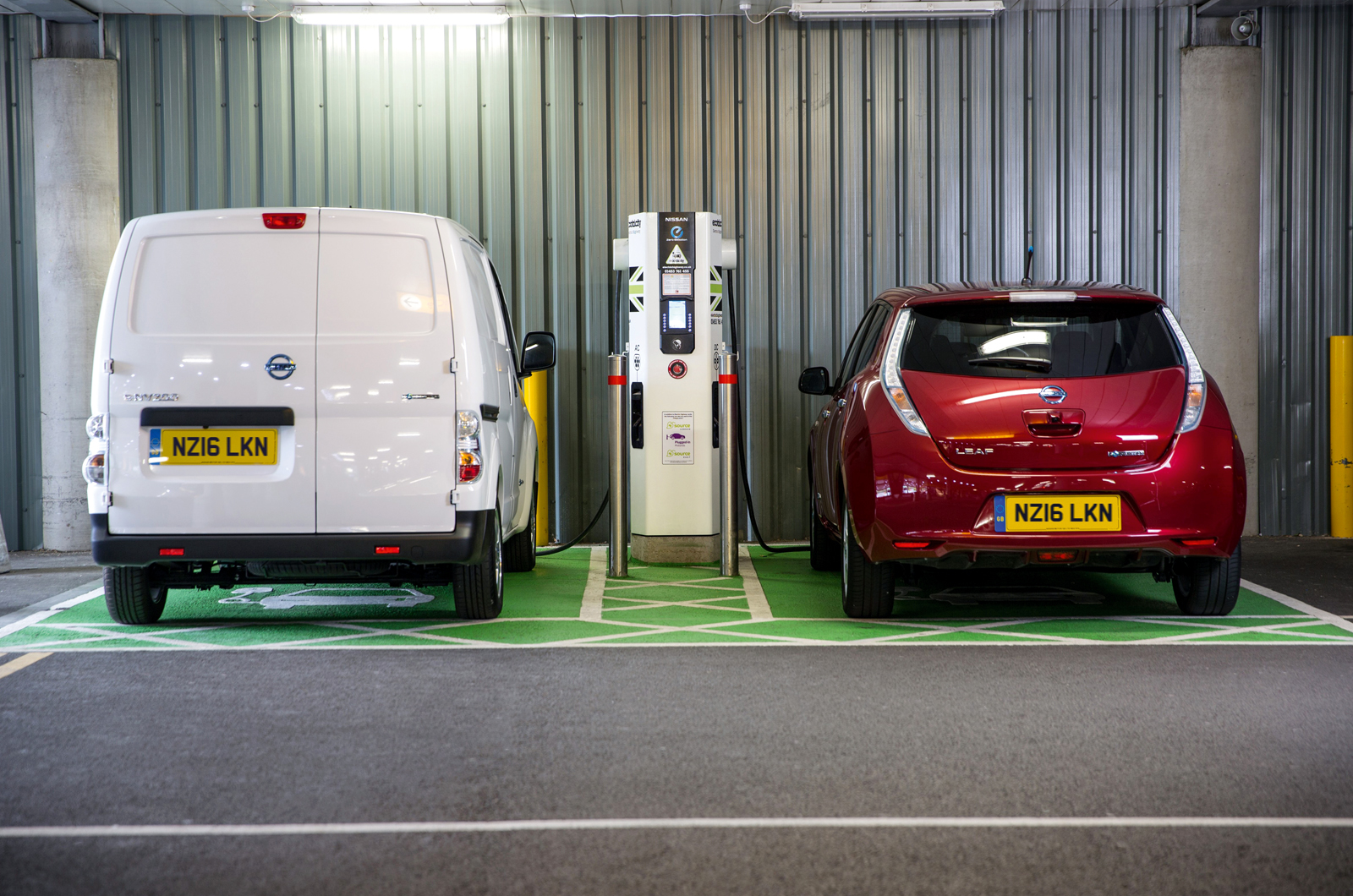
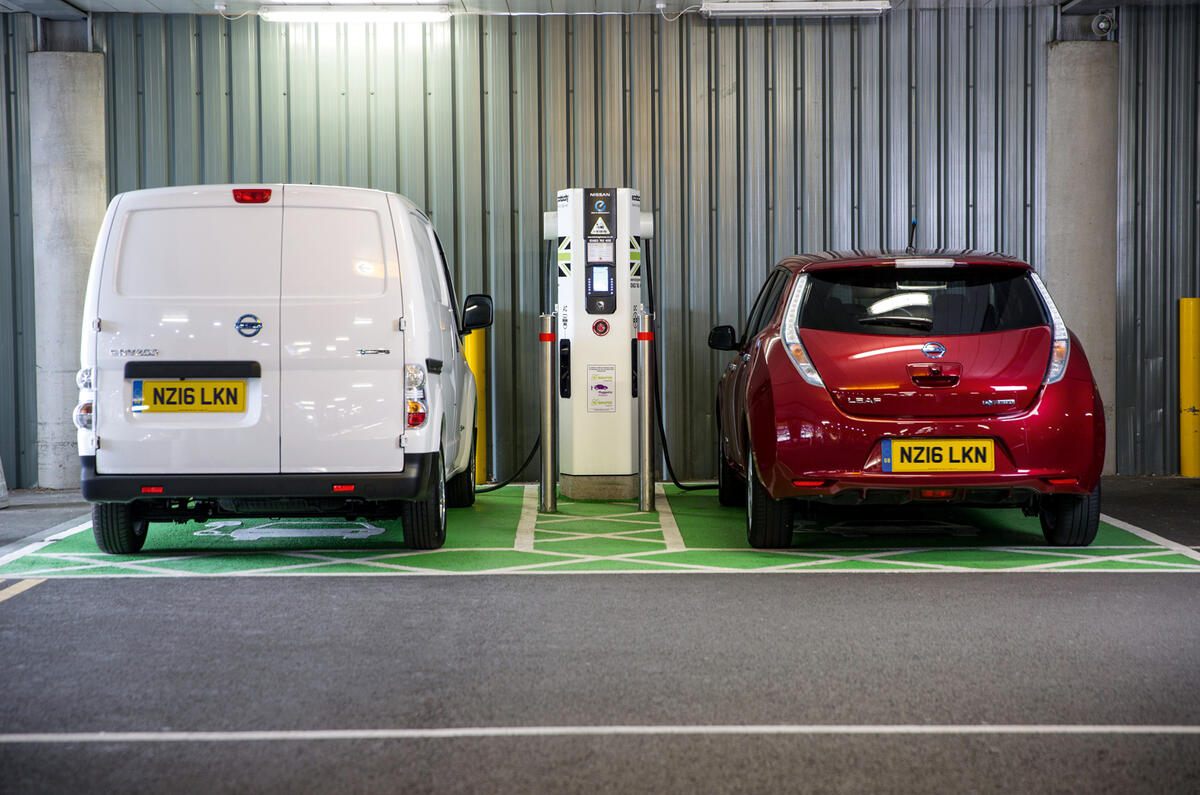
Which is all very well, but how will we be charging our EVs? Aside from the challenge of having enough charging spaces for hundreds of thousands of new EVs every year, there’s the pressing issue of the strains on the electricity transmission network. On top of that, there’s the question of how the electricity is being generated.
As I write this on a blustery afternoon in the UK, the national grid live monitor shows an impressive low-carbon performance. With demand at 34.5GW, the remaining UK coal stations are off, gas is producing 28.6% of the electricity, nuclear 23.7%, wind nearly 22% and solar 11%. That’s nearly one-third renewable and over half of the generation is ‘low carbon’.
A bright and blustery day is ideal for showing the potential of renewable energy, but critics are probably right to say ‘renewable’ also means ‘intermittent’. What happens in winter, when demand is higher and the days shorter? And what happens on a still winter night when large numbers of EVs are trying to charge up?
The challenge of charging a big EV fleet is going to be significantly more difficult in the UK because of plans to decarbonise its power generation network. According to the Climate Change Committee, a governmental agency, the UK is planning to totally transform the way its electricity is generated.