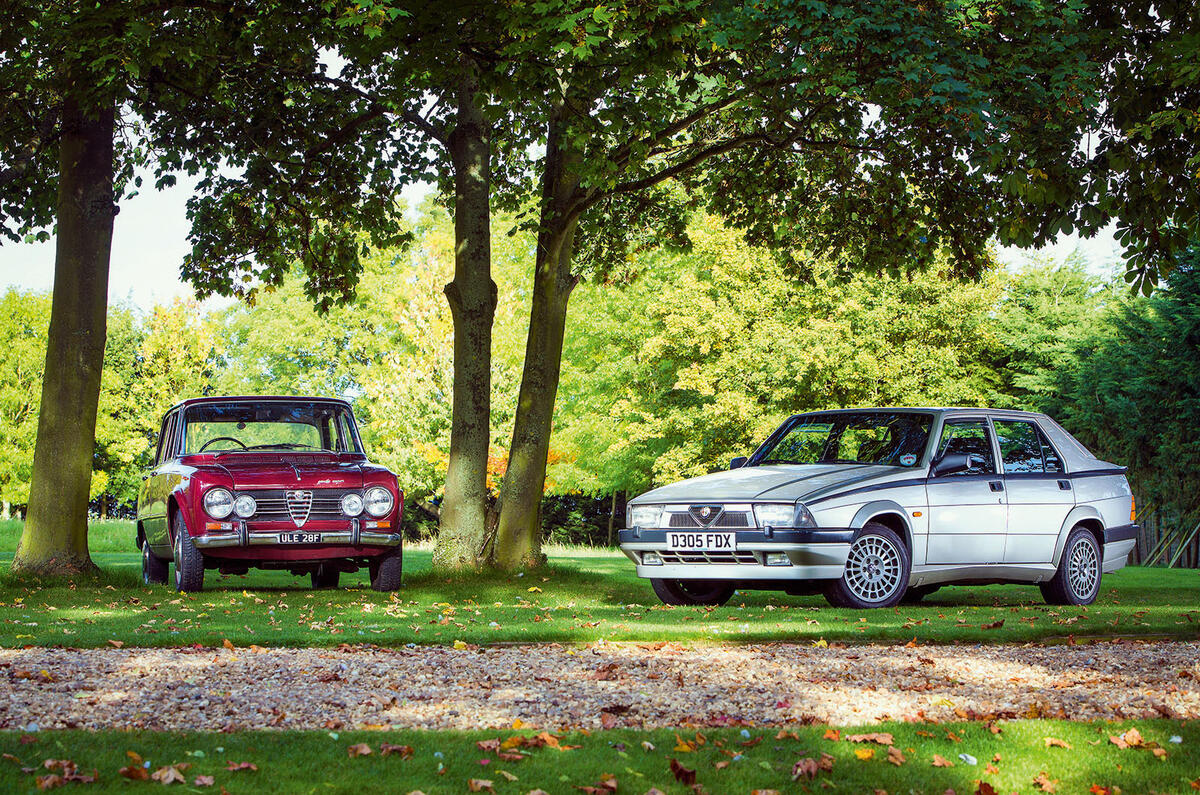
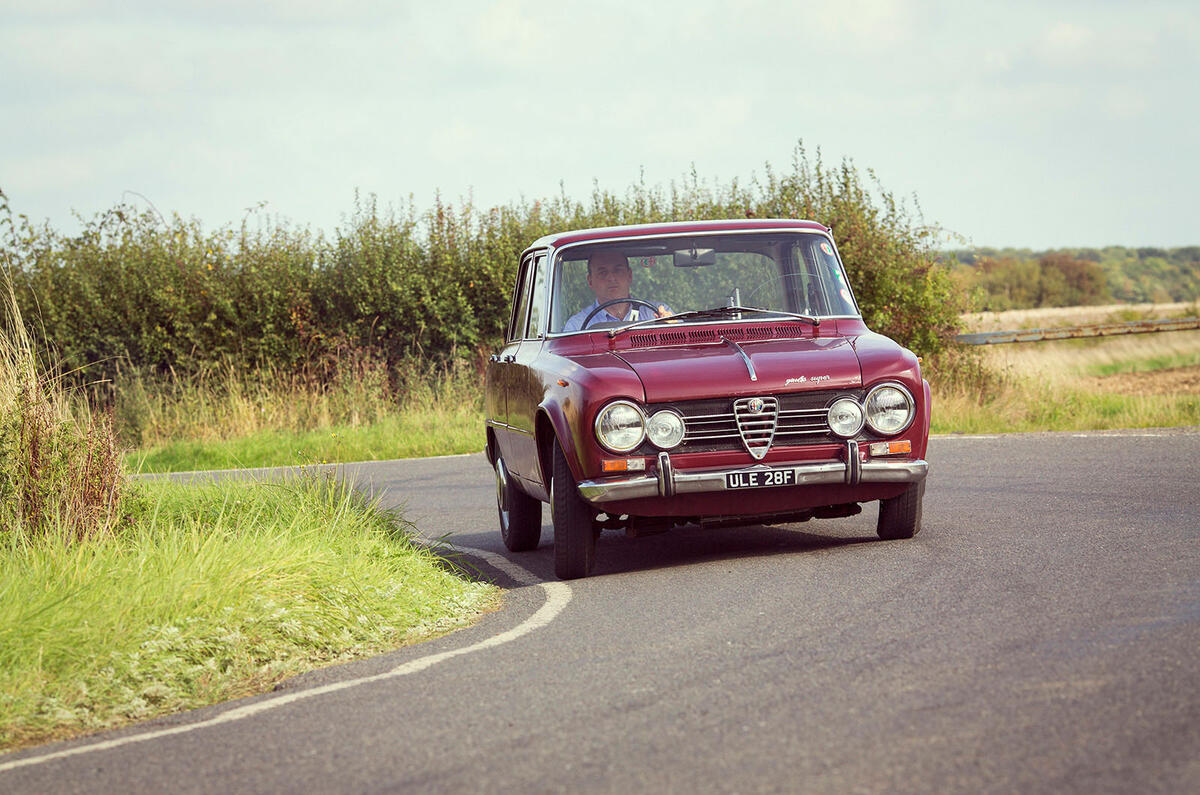
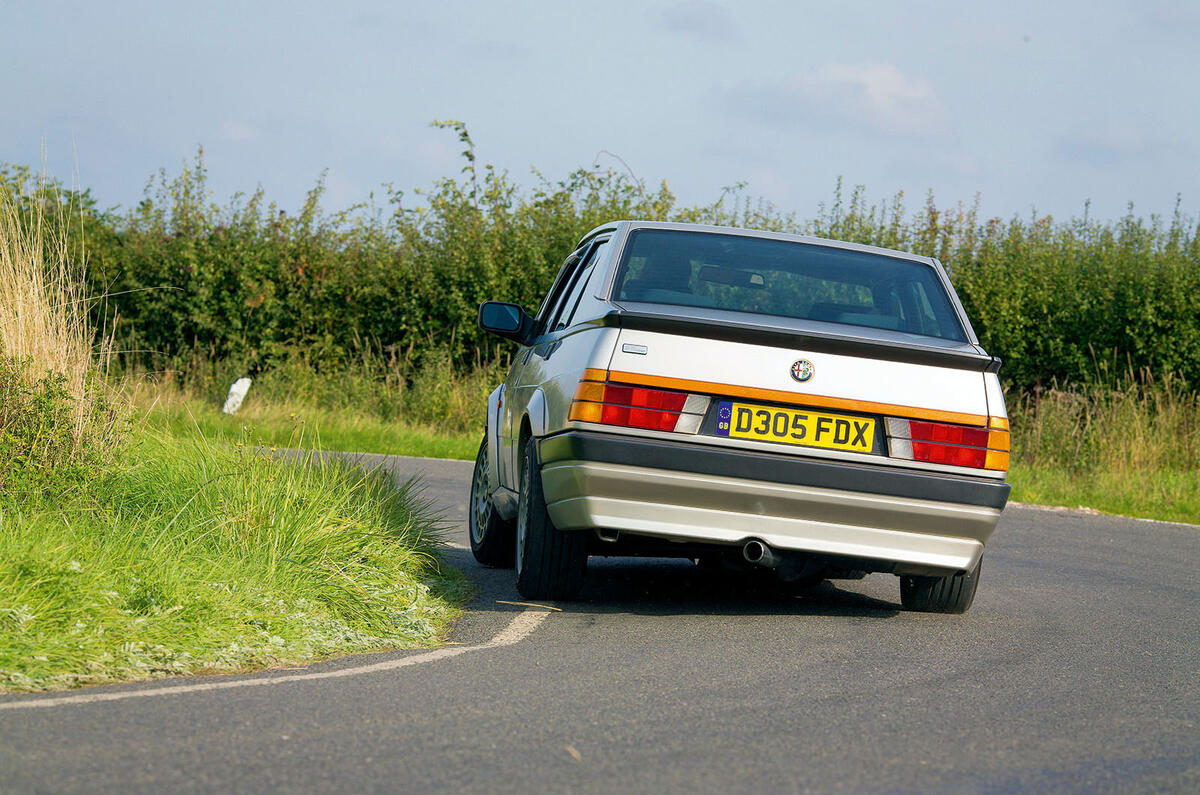
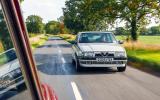
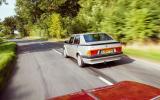
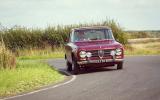
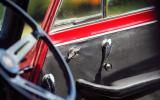
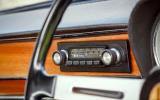
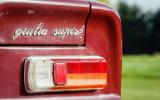
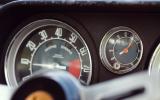
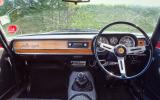
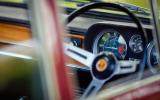
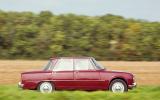
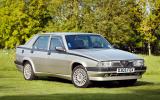
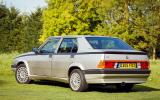
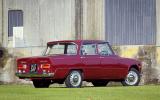

Should the Grandi Formaggi at Alfa Romeo wish to remind themselves of the standards to which their new Giulia should aspire, they could do a lot worse than study the two cars in our picture, above, in detail.
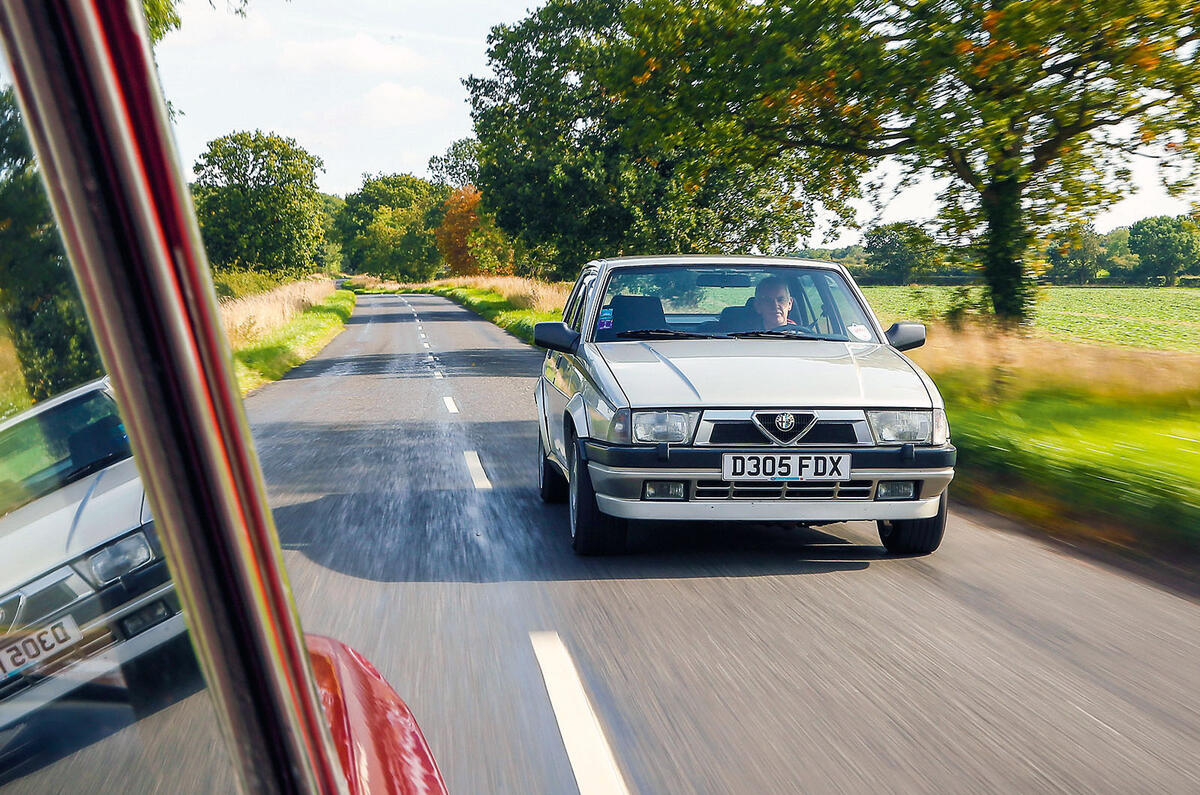
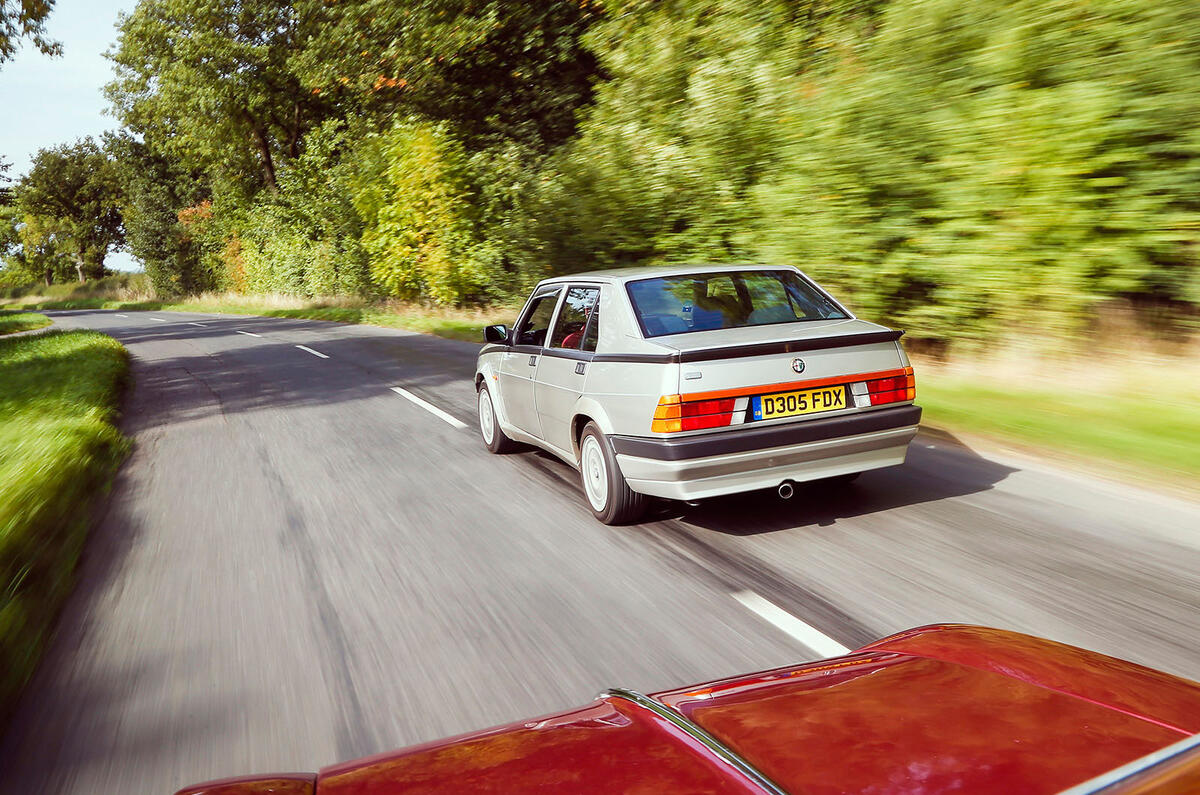
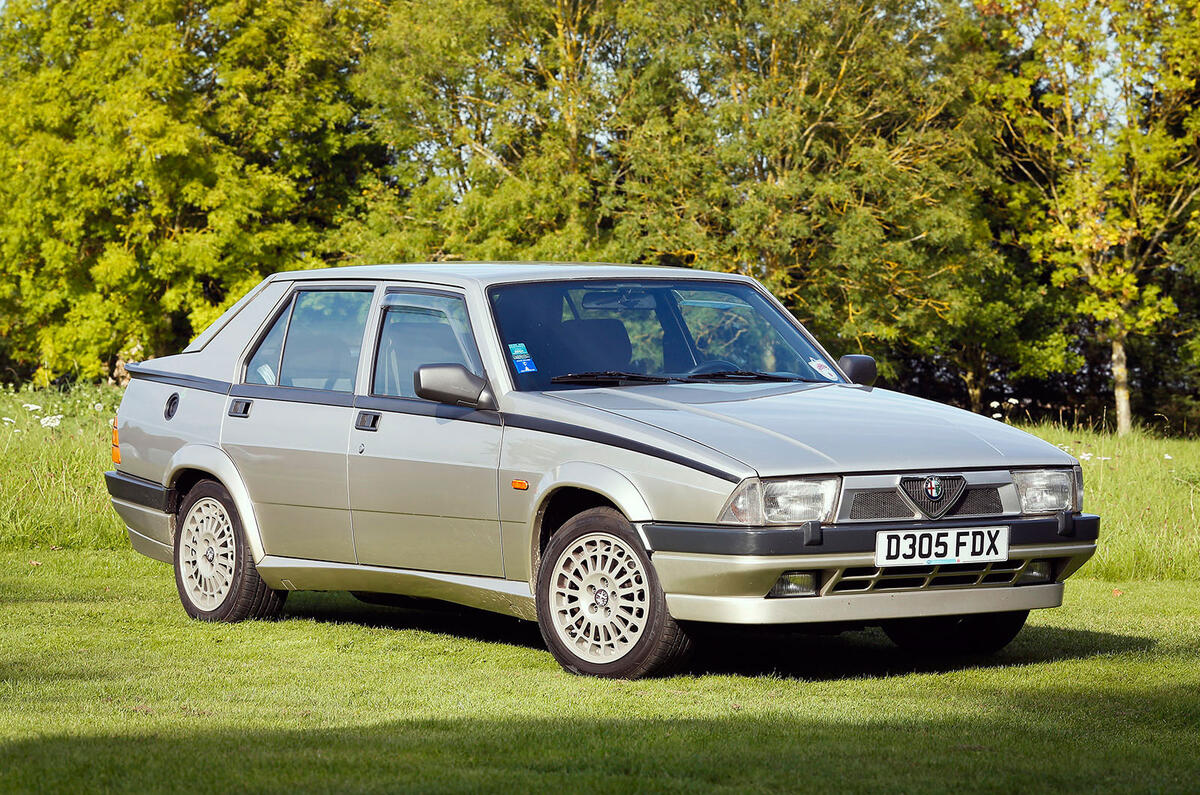
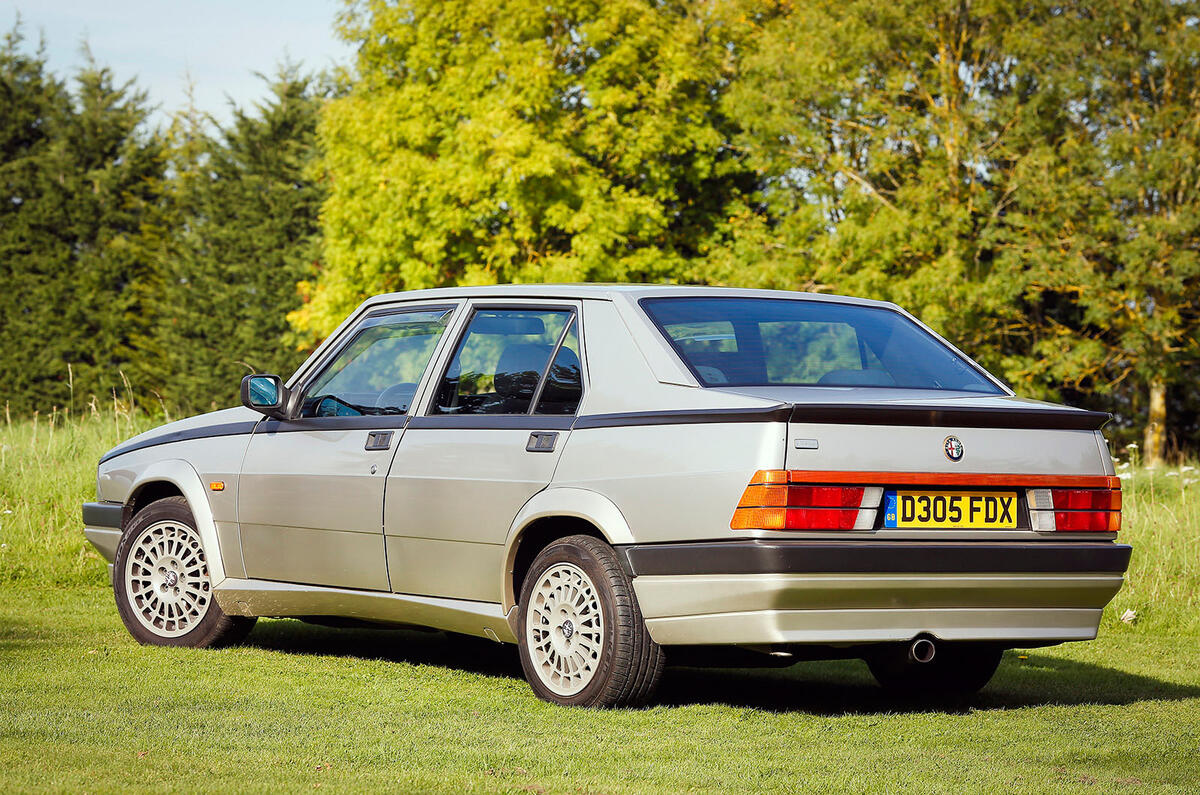
One is a 75: Alfa Romeo’s last rear-drive saloon and, indeed, the last Alfa to be launched in the company’s pre-Fiat days of independence. The 75 was born 30 years ago, but my guess is that there would be shockingly little dissent among both the general public and Alfisti to my contention that Alfa Romeo has not produced a better saloon since.
Geneva 2016 update: Alfa Romeo Giulia range revealed ahead of going on sale in the UK
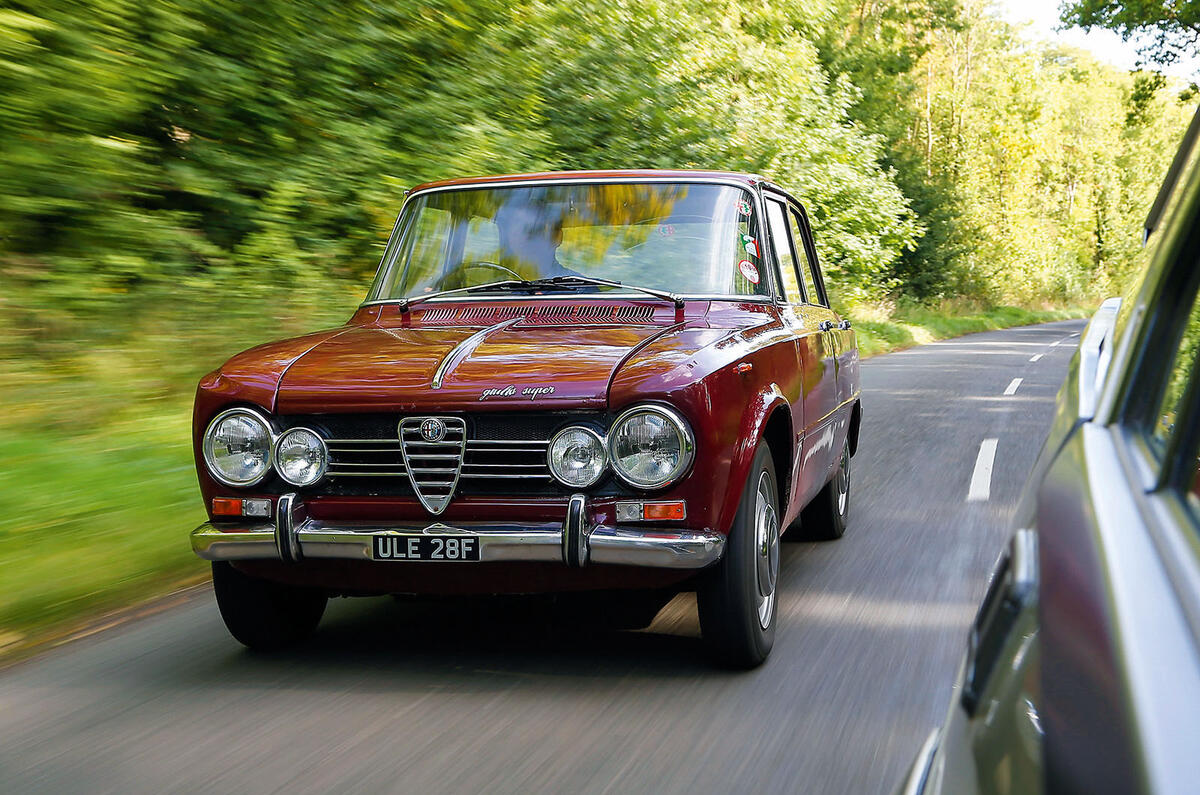
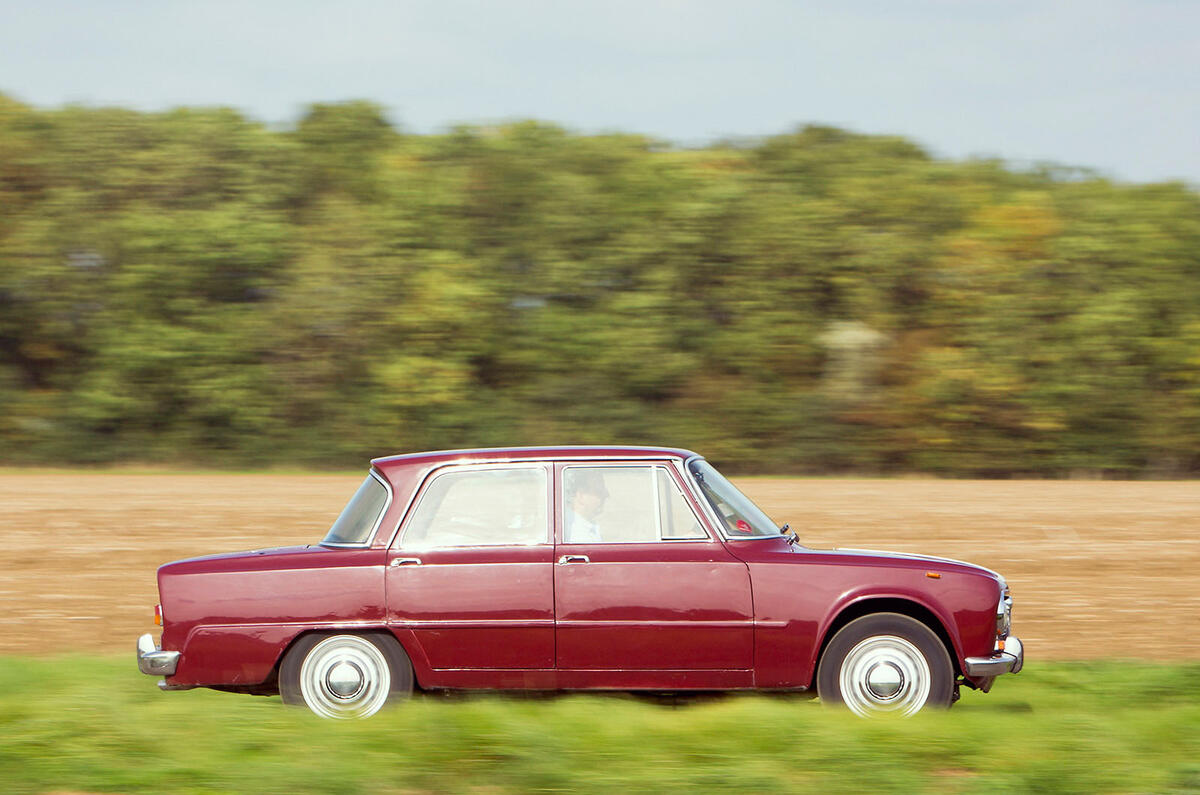
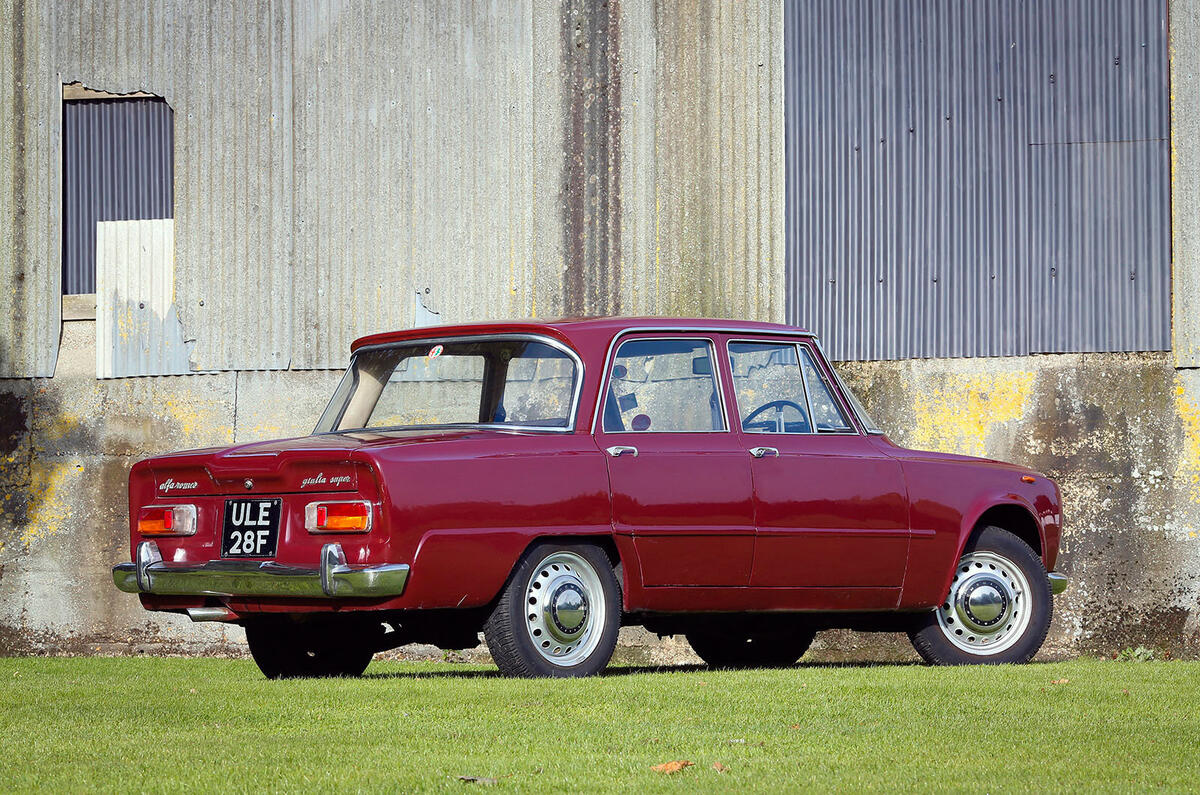
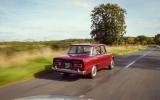
The other car is the original Giulia. Old though it is (it was launched in 1962) and angular enough to look more like a small child’s doodle of a car, to me, at least, this is the greatest Alfa saloon of all. I’ll tell you why in a moment. For now, though, let’s consider what they have in common.
Remarkably, given that they hail from different generations, both share the same engine. Okay, the 75 has fuel injection, variable valve timing and two plugs per cylinder and it displaces 1962cc rather than the Giulia’s 1570cc, but at their core both use the same all-alloy, twin-cam motor that appeared in 1954.
More relevant to today’s designers of the new Giulia is something else they share – less easy to define than a lump of metal under the bonnet, but far more important even than that. It’s an approach and, if you look back through the post-war history of Alfa Romeo, you’ll find every truly great car the company has made follows it.
Simply put, it is the pursuit of driving pleasure through the deployment of the best available engineering solutions. If the new Giulia really is to mark the rebirth of Alfa Romeo, it is this philosophy it must capture.
Read Steve Cropley's interview with Alfa CEO Harald Wester
Take the 75. The engine we already know. It directed its power via a gearbox mounted between the rear wheels – not great for boot space, but brilliant for weight distribution. Its rear disc brakes were located not behind the wheels but inboard either side of said gearbox because there they’d reduce unsprung mass.
Its front suspension was sprung by torsion bars, its rear axle of De Dion design – once again to cut unsprung weight but also to minimize camber changes under load. A limited-slip differential came as standard.
As for the Giulia, it offered in 1962 a twin-cam engine, a five-speed gearbox and a coil-sprung rear axle, whereas even Ferrari’s staple product at the time, the 250GT, had a single cam per bank, a four-speed gearbox (plus troublesome overdrive) and cart-type leaf springs at the back. The Alfa also had disc brakes at each corner – an unheard of refinement in a saloon of its size at the time.
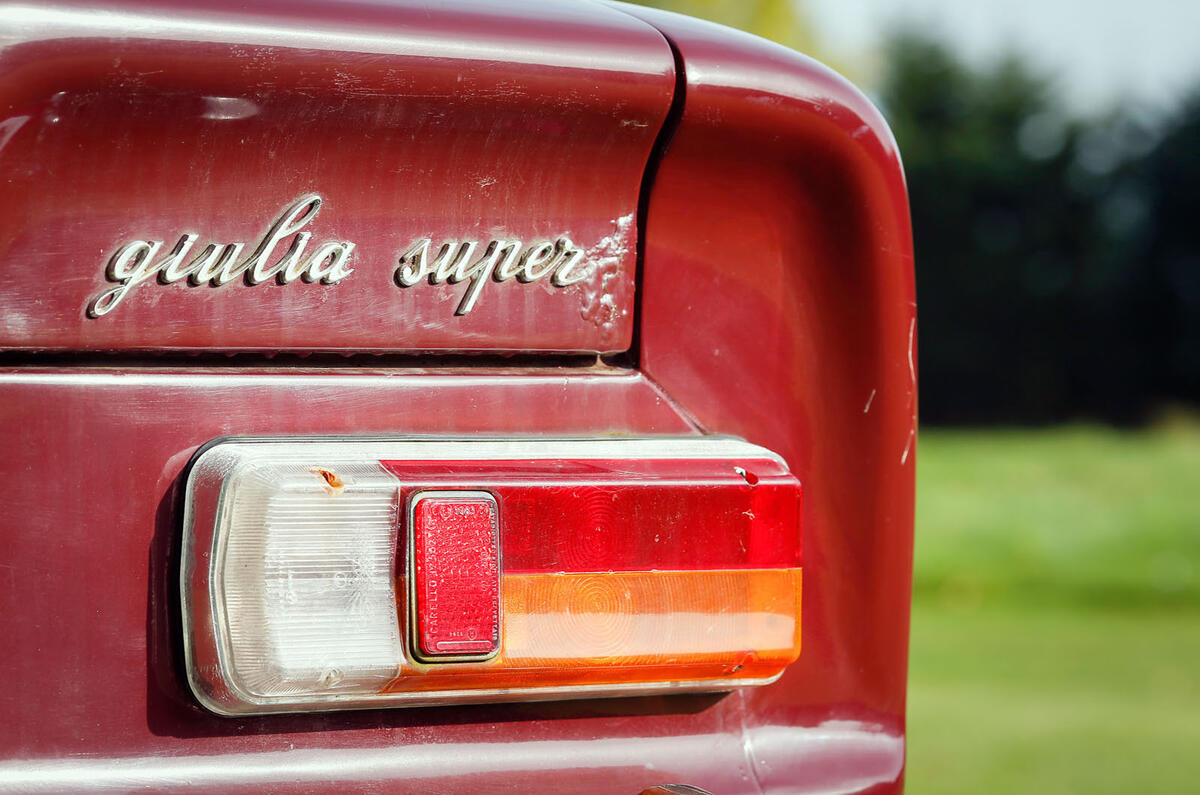
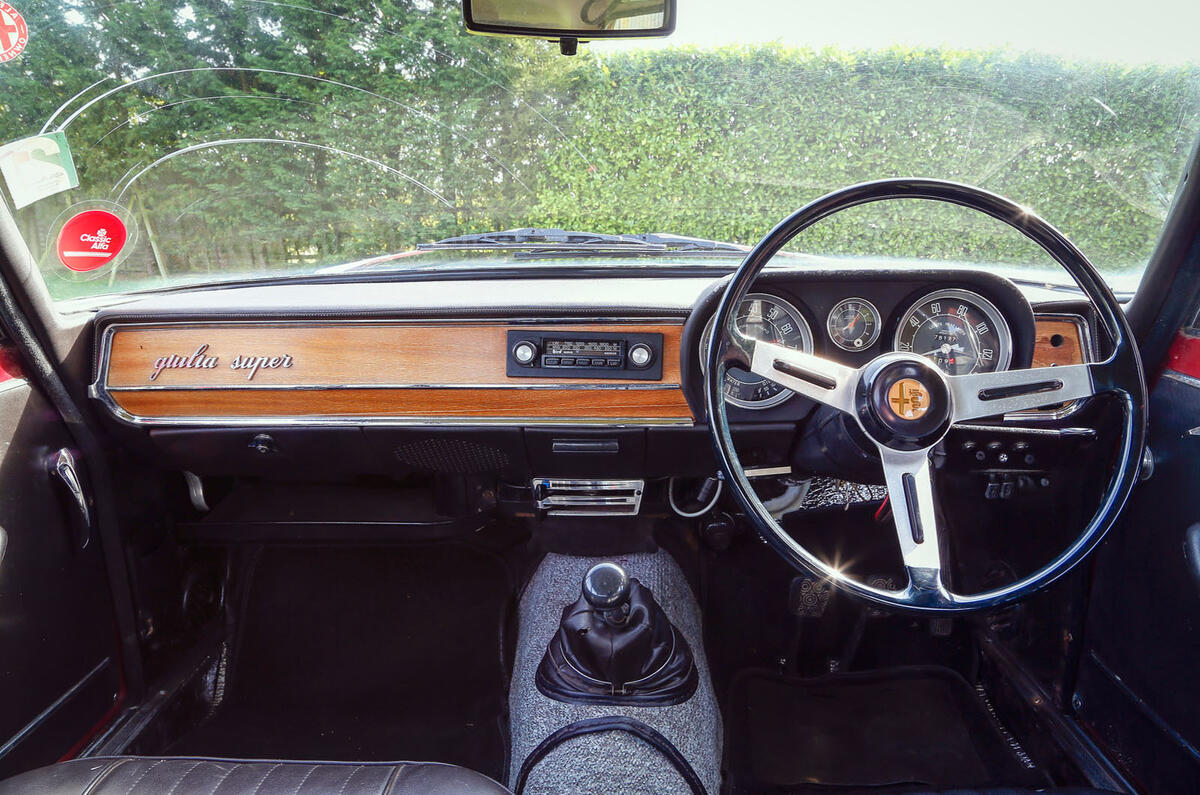
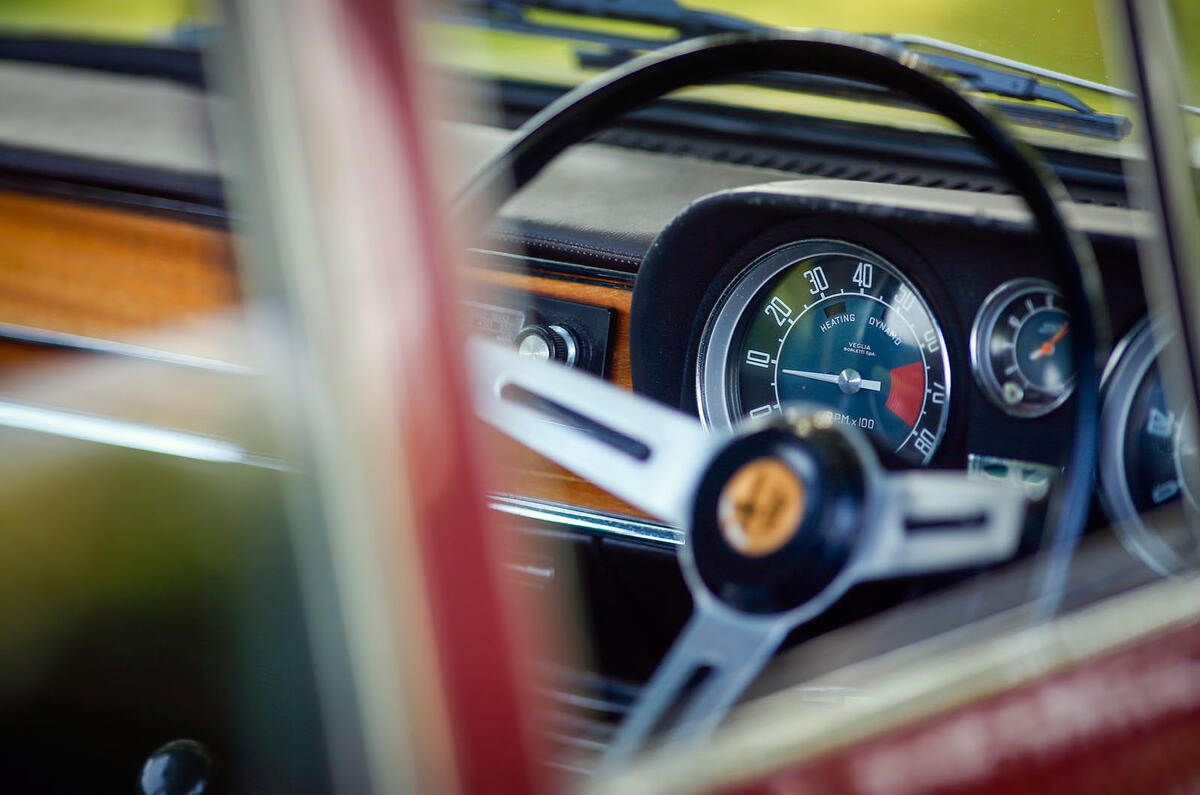
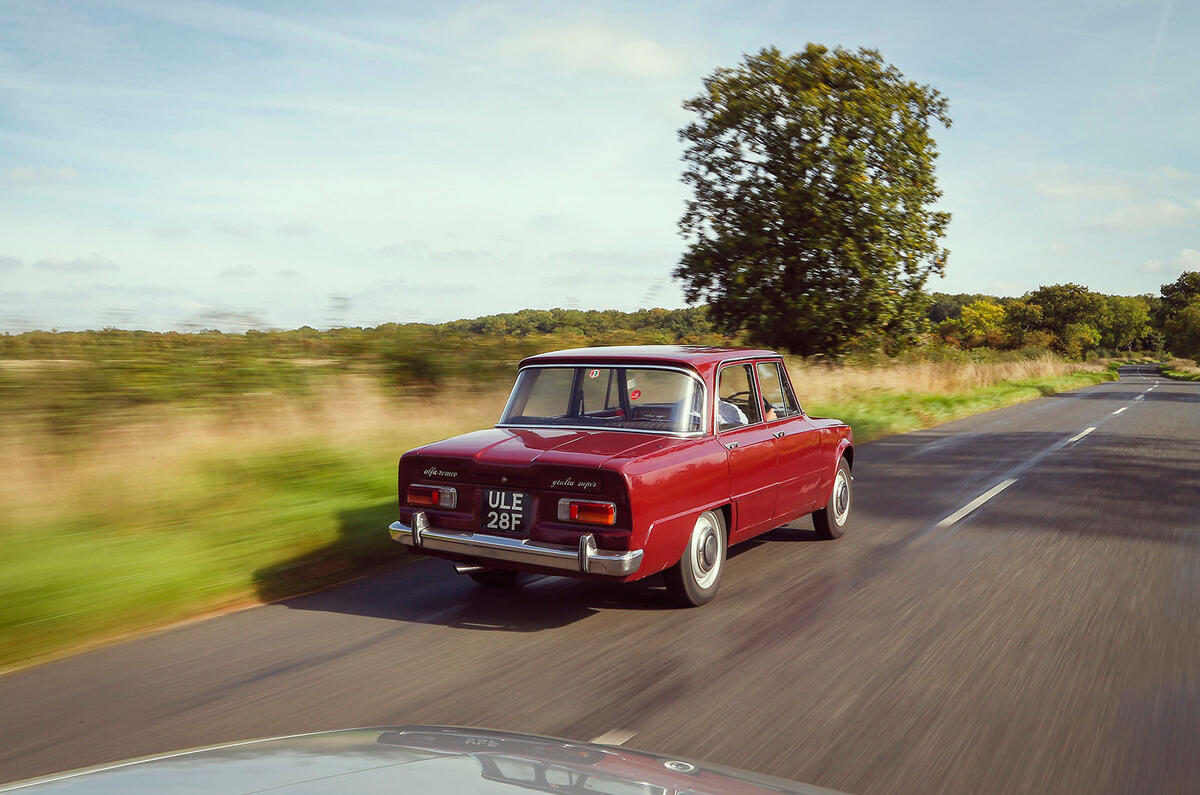
The result is extraordinary, like your blue-rinse grandma suddenly leaping to her feet at your sister’s wedding reception and throwing shapes all around the dance floor. The Giulia might look fuddy-duddy but that’s not how it drives. The car here is a 1967 Giulia Super with a brace of Weber carbs strapped to the sides of its twin-cam motor. Together they offer a fabulous sound and surprising pace. However, the real class act is the chassis.