

If you’re thinking of switching to an electric car, then chances are you’ll have heard some very different figures about how much it will cost to charge.
There’s a good reason for that. Most forecourt fuel prices fall within a 10% window, but the cost of electricity can vary by a factor of 12 depending on where and when you plug in, how quickly you need to top up and how you pay for it.
This guide looks at the most common scenarios – and how to keep your costs down.
How much does it cost to charge an EV at home?
If you’re lucky enough to have a driveway or garage, then home is the cheapest and most convenient place to plug in. Even with the recent hikes in home energy prices, you’ll still be paying less per mile for electricity than you were for petrol or diesel.
It’s best to think of an EV’s battery as being a bit like a fuel tank: different models have different sizes, and the larger the pack, the more it’ll cost to fully charge.
For example, fully charging a Tesla Model Y Premium Long Range on an Ofgem-capped home energy tariff (26p per kWh) would cost £22.55. As a more useful metric; that’s about 6p per mile (based on a 378-mile WLTP range) compared with 16p per mile for a petrol Volkswagen Tiguan.
Some energy providers offer special tariffs for electric car owners. These include cheaper rates for overnight charging (typically between 11.30 and 5.30am) and half-hourly slots during the day when there’s an abundance of capacity in the grid.
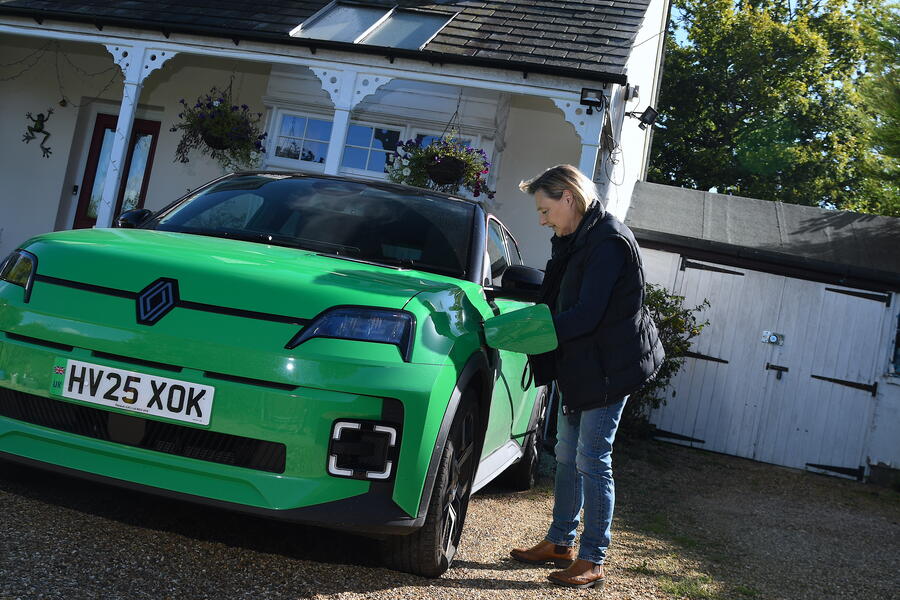
For example, Intelligent Octopus Go offers off-peak rates of just 6.7p per kWh. That would bring a full charge of our Tesla Model Y down to £5.78, or just 2p per mile.
The good news, if you’re one of the near half-million company car drivers in an EV, is that both costs are lower than the HMRC-approved 7p per-mile rate for claiming back the cost of charging for business trips.
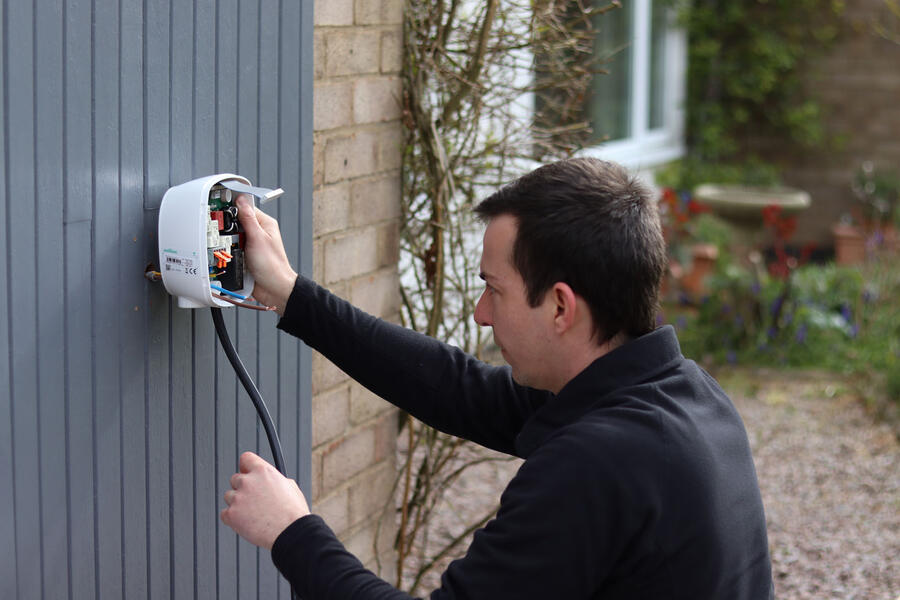
How much does a home wallbox cost?
One of the perks of an electric car is that it can charge pretty much anywhere with a three-pin socket, but that’s often not the best way to do so.
Most manufacturers offer a cable compatible with domestic sockets as an optional extra, but they’re best thought of as an emergency back-up. They’re usually limited to 10 amps for safety, which limits charging speeds – our example Tesla would take around 39 hours to fully charge at that rate.